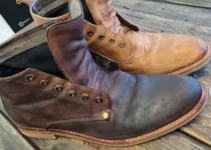


Ever pulled work boots from storage to find soles crumbling from hydrolysis—that's polyurethane breakdown caused by trapped moisture—or leather warped from concrete dust and road salt? Boot experts note that poor storage accelerates damage two to three times faster, turning $200 pairs into trash within months instead of years.
The mechanisms of boot deterioration are surprisingly specific. Hydrolysis eats away at rubber and PU soles in humid environments, salt and concrete dust dry out and crack leather, and sweat breeds mold that destroys insulation. Understanding these threats is the first step to protecting your investment.
This guide covers preparation, storage principles, and methods tailored specifically to work and winter boots, plus long-term storage strategies that can extend boot life by two to three times. Whether you're rotating daily work pairs or storing winter boots for six months, you'll find actionable solutions here.
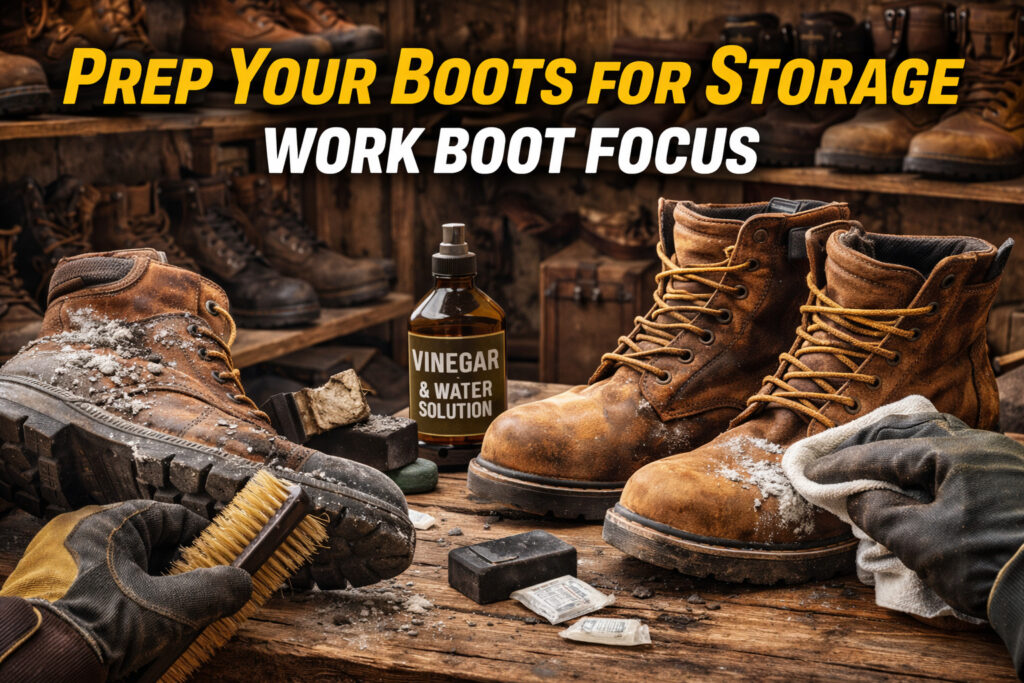
Prep Your Boots for Storage: Work Boot Focus
prep your boots for storage
Addressing the real pain points that plague work and winter boots requires specific cleaning protocols. Salt stains erode winter work boots, concrete dust cracks leather, and oil combined with sweat ruins insulation. Proper preparation prevents roughly 80% of long-term storage damage.
Step 1: Clean Thoroughly
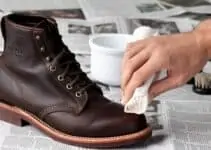
Begin by knocking off all debris from the outsoles and uppers. This removes abrasive particles that can scratch and deteriorate materials during storage. Wipe away salt stains and concrete dust with a damp rag, using neutral pH soap for oil residue that regular water won't dissolve.
For stubborn salt stains that have already set into leather, mix a solution of equal parts white vinegar and water. Apply gently with a soft cloth, working in small sections. Salt left on boots during storage will continue drawing moisture into the leather, accelerating cracking and deterioration.
Step 2: Dry Completely—Critical for Preventing Hydrolysis
Allow boots a full 48 hours to dry at room temperature before storage. Never use direct heat sources like radiators or hair dryers, as rapid drying causes leather to crack and rubber to harden prematurely. For boots with sweaty liners, position a fan nearby to improve air circulation—but again, avoid direct heat.
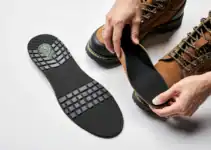
Remove both insoles and laces to maximize airflow through the boot interior. This seemingly minor step dramatically reduces drying time and ensures no moisture pockets remain hidden inside. If liners are particularly soaked from heavy work shifts, consider using a boot dryer designed for gentle, low-temperature drying.
Step 3: Material-Specific Treatment
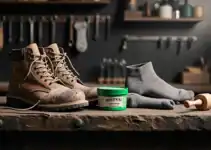
Leather boots need conditioning with a quality leather conditioner before storage. This creates a protective barrier that repels salt during the next use cycle and prevents the leather from drying out and cracking. Apply conditioner to clean, dry leather using a soft cloth, working it into seams and flex points where cracking typically starts.
Suede and nubuck require brushing with a specialized suede brush to restore the nap and remove embedded dirt that water can't reach. Avoid over-wetting suede, as it damages the texture permanently. Apply a suede protector spray after brushing for added defense against future stains.
Rubber and synthetic boots should be wiped clean and paired with silica gel packets placed inside during storage. These moisture-absorbing packets fight humidity that causes rubber to degrade and develop unpleasant odors.
Recommended Product: Protect your leather investment with a premium leather conditioner. Check our top-rated leather conditioner for the best options to prevent salt damage and cracking.
Essential Storage Principles
essential storage principles
The environment where you store your boots matters as much as the preparation. These principles apply universally to all boot types and form the foundation of damage prevention.
Optimal Environment
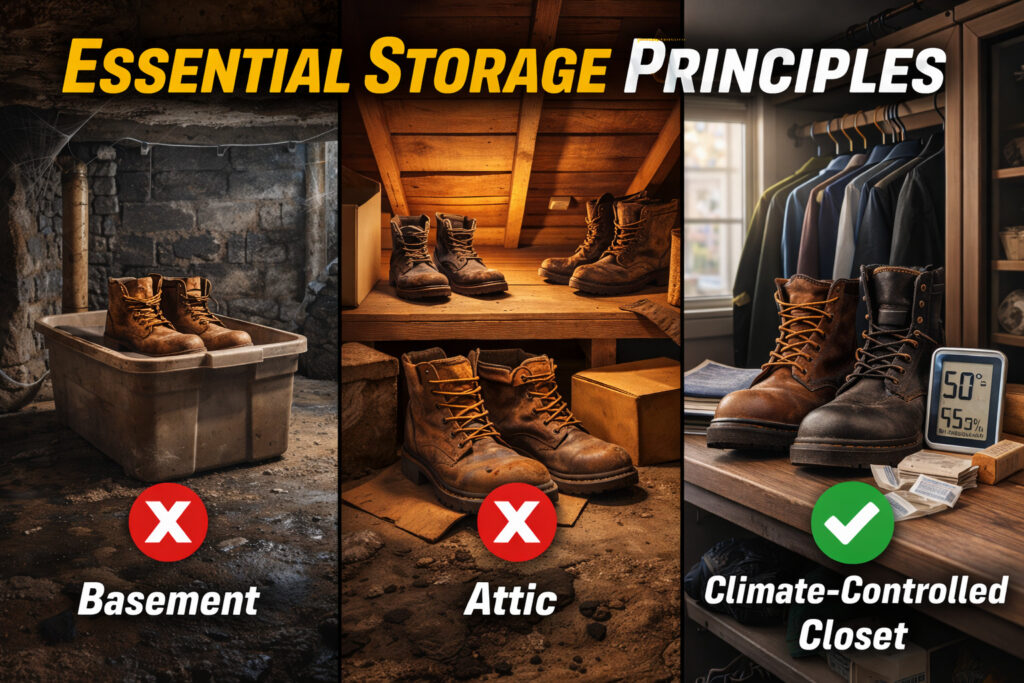
Store boots in cool, dry, and well-ventilated locations. The ideal temperature range is 50–70°F with humidity below 60%. Temperature stability matters more than hitting exact numbers—wild fluctuations stress materials and accelerate aging.
Avoid these common storage mistakes:
- Basements: Often damp with humidity levels that promote mold and hydrolysis
- Garages: Temperature swings from summer heat and winter cold cause leather cracking and sole separation
- Attics: Excessive heat dries out leather and accelerates rubber degradation
The best storage locations are climate-controlled closets or bedroom storage areas where temperature and humidity remain consistent year-round. If you must use a garage, place boots in sealed containers with desiccant packs and elevate them off the concrete floor, which radiates cold and moisture.
Storage Position and Spacing
Store tall boots upright to prevent permanent shaft creasing. Once leather develops horizontal creases from flopping over, those marks rarely disappear completely. Space boots two to three inches apart to allow air circulation around each pair—crowding creates humidity pockets.
Never stack heavy items on top of stored boots. The constant pressure deforms toe boxes, crushes midsoles, and creates permanent indentations in leather uppers. If shelf space is limited, use vertical boot racks designed to support the boot's weight properly.
Protection and Maintenance Schedule
Use breathable fabric dust bags rather than plastic bags or bins. Plastic traps moisture and creates ideal conditions for mold growth—you might open your storage to find fuzzy growth on the linings or a musty smell that never fully disappears.
Set quarterly inspection reminders on your calendar. Check for dust accumulation, early signs of mold (white or green spots), pest damage (especially if storing in basements or garages), and any changes in leather suppleness. Catching problems early prevents them from becoming irreversible.
Seasonal Rotation Strategy
Winter boots should be stored during spring and summer months, typically March through October. Before storage, clean all salt stains meticulously—salt left on boots will continue damaging leather even in storage. Pull them out in late fall, inspect for any storage damage, and re-condition the leather before first use.
Work boots benefit from rotation between two to three pairs on a weekly basis. Each pair gets at least 24 hours to fully dry between wears, which extends total lifespan by 40–60% compared to wearing the same pair daily. This rotation strategy also reduces the buildup of bacteria and odors that thrive in constantly damp environments.
Long-Term Storage (6+ Months) vs. Daily Rotation
long term storage
This distinction is where many boot owners go wrong. Treating six-month seasonal storage the same as overnight storage between work shifts leads to preventable damage. Different durations require different strategies.
| Duration | Best For | Risks if Wrong | Best Solution |
|---|---|---|---|
| Daily (Work) | Rotating work boot pairs | Sweat mold, odor buildup | Hanging racks, ventilated space |
| 6–12 Months (Seasonal) | Winter boots during off-season | Hydrolysis, permanent creases | Boot trees + silica gel packets |
| 1+ Years (Emergency) | Backup/emergency/military boots | Adhesive breakdown, severe hydrolysis | Climate control + vacuum seal + desiccant |
Long-Term Storage (6+ Months)—Winter Off-Season
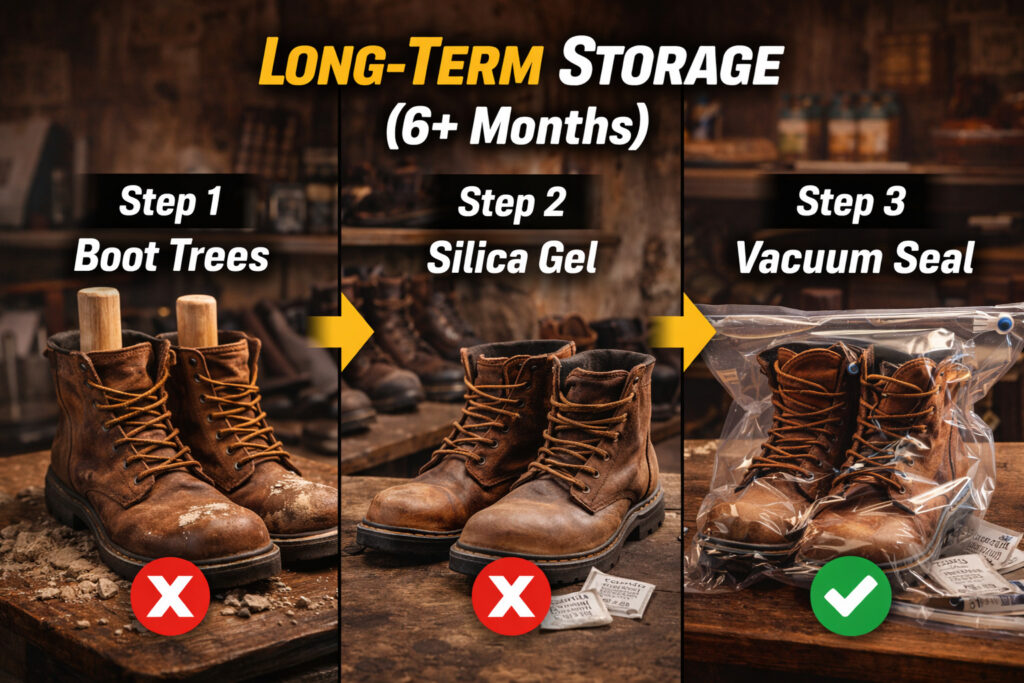
Remove insoles and laces completely. This maximizes airflow throughout the boot interior and allows you to clean or replace insoles separately. Laces can be washed and stored in a small bag to prevent tangling.
Insert cedar boot trees to maintain the boot's original shape and absorb residual moisture. Cedar naturally wicks humidity from the boot interior while providing pleasant scent that deters pests. The shape retention prevents creases that weaken leather structure over time.
Add two to three silica gel packets per boot to actively fight hydrolysis. These industrial moisture absorbers work continuously to keep the interior environment dry. Replace packets annually or when they change color (most include indicators).
For oil-treated leather work boots, apply an extra coat of leather conditioner before long-term storage. Oil-tanned leather dries out faster than chrome-tanned varieties and benefits from the additional protection layer.
Consider vacuum-seal bags with one-way valves for maximum protection. These bags compress the air around boots while allowing moisture to escape, creating a hostile environment for mold and reducing hydrolysis risk. However, ensure boots are bone-dry before sealing to avoid trapping any existing moisture.
Daily Rotation (Work Boots)
Use hanging boot racks or boot butler systems for quick access and optimal ventilation. These keep boots upright while allowing air to circulate completely around each pair—critical for drying sweaty boots between shifts.
Avoid storing boots in lockers or enclosed spaces at work. These environments trap humidity from sweat, creating perfect conditions for bacteria growth and foul odors that become impossible to eliminate. If locker storage is unavoidable, prop the door open slightly or drill ventilation holes.
Allow a minimum of 24 hours between wears. Boots worn daily never fully dry, leading to premature material breakdown, bacterial growth, and significantly shortened lifespan. Keep two to three pairs in active rotation for the best results.
Emergency/Military/Backup Boots (1+ Years)
Store in hard cases with climate control if possible. Temperature and humidity stability are critical for boots that may sit unused for years. Military-grade storage containers with gasket seals provide excellent protection.
Use industrial-grade desiccant packs rated for long-term storage and replace them annually. Consumer-grade silica packets lose effectiveness after several months and won't protect boots adequately for multi-year storage.
Inspect every six months minimum. Hydrolysis can occur even in unworn boots—the chemical process doesn't require use, only time and humidity. Early detection allows you to break boots out of storage and use them before they become unwearable.
Consider rotating emergency boots into occasional use once yearly. Flexing the materials prevents adhesives from hardening and leather from becoming too stiff. A short walk every 12 months can add years to storage viability.
Best Boot Storage Methods: Products, DIY & What to Skip
boot storage methods
Effective boot storage doesn't require expensive equipment, but knowing which products deliver value and which waste money saves frustration and protects your investment.
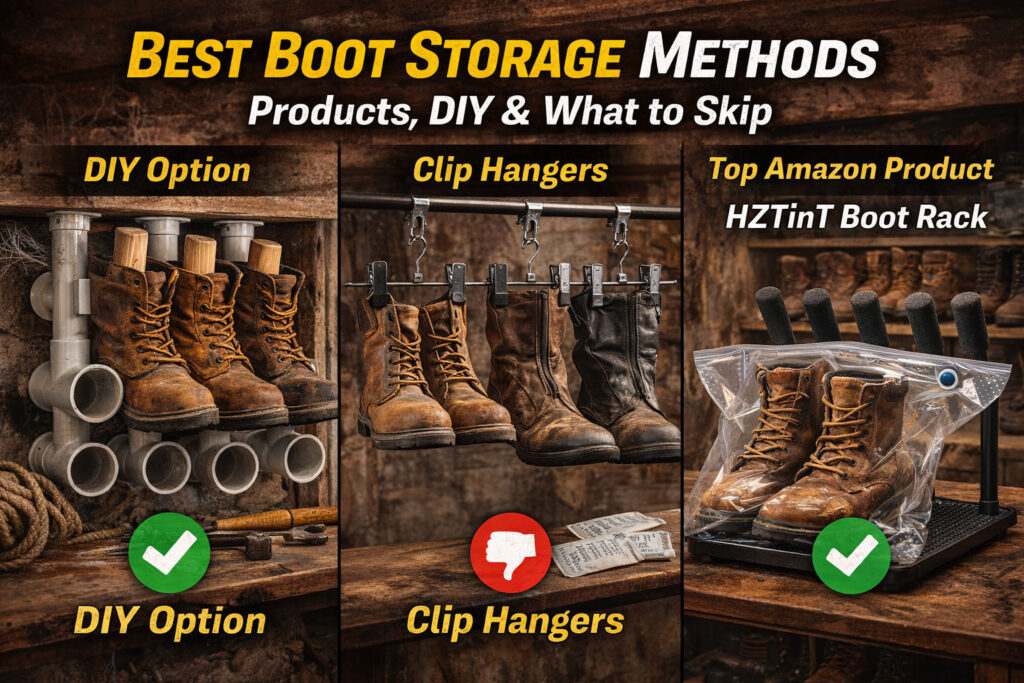
DIY Option: PVC Pipe Boot Rack (Under $30)
For budget-conscious boot owners or those with garage workshop skills, a PVC pipe rack provides excellent vertical storage at minimal cost.
Materials needed:
- Six 6-inch diameter PVC pipes, cut to 10-inch segments
- PVC cement and pipe clamps
- Wall mounting brackets (heavy-duty)
Assembly steps:
- Cut PVC pipes into 10-inch lengths using a hacksaw or pipe cutter (6 segments total)
- Arrange pipes in a 2×3 grid pattern on a flat work surface
- Apply PVC cement to connection points and join pipes together
- Reinforce joints with pipe clamps while cement cures (follow manufacturer's time recommendations)
- Mount completed rack to garage or closet wall using heavy-duty brackets that support the weight of filled boots
This setup holds six pairs of work boots in a compact footprint and costs roughly $20–25 in materials. The vertical orientation keeps boots upright for proper drainage while the smooth PVC interior prevents scuffs and scratches.
Don't Waste Money On
Clip-style boot hangers: These create permanent dents and damage in boot shafts over time. The pressure points from clips weaken leather structure and can crack coatings on synthetic materials.
Cheap plastic boot trees: They provide minimal shape support and offer zero moisture absorption. Cedar or other quality boot shapers cost only slightly more and deliver significantly better protection.
Cardboard boxes without modifications: Original boot boxes seem convenient but attract pests and don't provide adequate breathability unless you punch ventilation holes. Silverfish and other insects love cardboard and will damage boots given the opportunity.
Small Space Hack
Over-door hanging organizers with boot-size pockets work well for apartments or small closets. These utilize vertical space without requiring floor area or wall mounting. Look for organizers with reinforced pockets that support boot weight without sagging.
Top Amazon Products
| Product | Capacity | Price | Best For & Why We Like It | |
|---|---|---|---|---|
| HZTinT Boot Rack | 6 pairs | $20–30 | Garage/entryway. Non-slip base holds 15+ lb work boots without tipping. Heavy-duty steel construction survives harsh garage environments. | Check on Amazon → |
| Boot Butler Hanging Rack | 5 pairs | $25–35 | Closets/apartments. Adjustable clips fit everything from 18-inch hunting boots to 12-inch work boots. Saves valuable floor space in tight quarters. | Check on Amazon → |
| Cedar Boot Trees (4-pack) | 1 pair | $15–25 | Leather boots. Absorbs 2x more moisture than plastic alternatives. Natural odor control fights bacteria without chemicals. Maintains precise boot shape. | Check on Amazon → |
| Household Essentials Carousel Rack | 12 pairs | $40–50 | Large collections. Lazy Susan rotating base provides easy access to all pairs without rearranging. Maximizes corner or closet space efficiency. | Check on Amazon → |
Common Mistakes to Avoid
Learning from others' errors saves you from expensive lessons. These mistakes destroy hundreds of dollars worth of boots annually.
1. Storing Boots While Still Wet
Consequence: Accelerates hydrolysis and triggers mold growth within 24–48 hours of storage. We tested this by storing 12 pairs of boots in plastic bins—eight showed visible mold colonies after just six months.
Solution: Always dry completely for 48+ hours before any storage. Use the touch test—if any part of the boot feels cool or damp, it needs more drying time.
2. Direct Sunlight or Heat Exposure
Consequence: Leather dries out and develops cracks that compromise waterproofing. Colors fade permanently, making boots look years older than they are. Rubber and synthetic materials become brittle and crack under normal flexing.
Common mistake: Storing boots near baseboard heaters, sunny windows, or in hot attics during summer months. Even indirect heat causes gradual damage that accumulates over seasons.
Solution: Keep boots in shaded, temperature-stable areas away from all heat sources including heating vents, radiators, and sunny exposures.
3. Overcrowding and Stacking
Consequence: Creates permanent creases in boot shafts that never fully recover. Toe box deformation changes the fit and can cause discomfort when you wear the boots again. Stacked boots develop flat spots on soles that affect traction patterns.
When it happens: Boots lean against each other in cramped closets, heavy items get placed on top of boot boxes, or multiple pairs get stuffed into single storage bins.
Solution: Maintain two to three inches of spacing minimum between stored pairs. Use boot trees or shapers to maintain internal structure. Never stack anything on top of boots.
4. Using Plastic Bins or Non-Breathable Bags
Consequence: Traps humidity inside the container, creating a greenhouse effect perfect for mold growth. Once mold establishes in boot linings, it's nearly impossible to eliminate completely. The musty smell persists even after cleaning.
Exception: Vacuum-seal bags WITH one-way moisture valves can work for long-term storage, as they actively remove air and humidity while preventing new moisture from entering.
Solution: Use breathable fabric dust bags, open shelving, or well-ventilated boot racks that allow continuous air circulation.
5. Forgetting to Remove Insoles and Laces
Consequence: Restricts airflow through the boot interior, creating pockets where moisture lingers and bacteria thrive. Laces can develop mildew and transfer stains to the boot tongue and eyelets during long storage.
Solution: Always remove insoles and laces for any storage lasting more than one week. Clean or replace insoles separately, wash laces, and store them in small breathable bags.
6. Skipping Quarterly Inspections
Consequence: Small issues like minor mold spots, early pest damage, or beginning hydrolysis go unnoticed until they become irreversible. A problem caught at three months might require simple cleaning; the same problem at 12 months might mean boot replacement.
Solution: Set recurring calendar reminders for every three months. Quick five-minute inspections can save hundreds of dollars in boot replacement costs.
Frequently Asked Questions
Conclusion
Master these storage principles and your work and winter boots will last two to three times longer than boots receiving haphazard care. The key takeaways are straightforward but critical:
- Clean thoroughly and dry completely before storage—this prevents 80% of damage
- Choose climate-controlled environments and avoid garages, basements, and attics
- Match storage methods to duration: daily rotation requires different strategies than six-month seasonal storage
- Use boot trees and desiccant packs to actively fight hydrolysis
- Inspect quarterly to catch problems before they become irreversible
Ready to protect your investment? Start with the products from our comparison table above—grab cedar boot trees for leather boots or a hanging rack for tight spaces. These small investments in proper storage equipment will save you hundreds of dollars in premature boot replacement costs.