
There isn't a single "best" insulation for all winter boots; the ideal choice depends on your activity level, climate, and specific boot features like liners and waterproofing. Modern synthetics like Thinsulate and PrimaLoft generally offer the best balance of warmth, weight, and wet-weather performance for most people.
Key Updates to Understand
- "Gram" numbers (e.g., 200g, 400g) indicate insulation weight per square meter of material, not the total grams inside the boot. The warmth also depends heavily on where and how that insulation is placed within the boot.
- Gore-Tex and similar membranes provide waterproofing and breathability but are not insulation. They must be paired with an insulating material for warmth.
- Temperature ratings on boots are marketing estimates, not standardized measurements. Treat them as rough guidance rather than guarantees, as they vary with activity, duration, and individual metabolism.
- As a general rule:
- 200g insulation is typically sufficient for active use like hiking or snowshoeing around freezing temperatures.
- 400g insulation is better for colder, subzero conditions or less-active wear.
best insulation for winter work boots
How Insulation "Grams" Really Work
When you see "200g" or "400g" on a boot, it refers to grams per square meter of the insulation fabric (e.g., Thinsulate or PrimaLoft), not the total amount of insulation in the boot itself. This is a crucial distinction because two boots with the same "gram" rating can feel different due to variations in coverage and layering within the boot's upper, toe box, and shaft. Insulation might be unevenly placed, with more around the toes or vamp than up the shaft, meaning warmth is as much about design as it is about the number on the spec sheet.
Insulation Types Explained
Understanding the different types of insulation will help you make an informed choice:
- Synthetic Microfibers (Thinsulate, PrimaLoft): These are made of very fine fibers that efficiently trap air, offering a high warmth-to-weight ratio. They are highly effective even when damp and are dominant in modern winter boots for hiking and everyday wear.
- Shearling/Wool Linings: These natural, plush linings provide cozy warmth and great comfort, especially for casual use. However, they can compress over time and may be less durable for heavy, wet work compared to synthetics.
- Reflective Liners (e.g., Omni-Heat): These layers reflect body heat back to your foot, adding warmth without significant bulk. They are typically used in conjunction with fiber insulation rather than as a standalone solution for primary warmth.
- Aerogel-Enhanced Builds: Featuring extremely low-conductivity panels, these add notable warmth without bulk. They appear in select high-performance cold-weather models, especially those designed for extreme conditions around -40 °C.
- Not Insulation: Waterproof Membranes (e.g., Gore-Tex): While essential for keeping liquid water out and allowing breathability, these membranes do not add thermal resistance on their own. They must be paired with an insulating material for warmth.
How Many Grams to Choose
The right "gram" rating depends heavily on your intended activity and the typical temperatures you'll encounter:
- 200g Insulation:
- Best for: Active use such as winter hiking, snowshoeing, and backpacking in around-freezing conditions.
- Why: Helps prevent sweat buildup, which can chill feet when activity slows.
- 400g Insulation:
- Best for: Subzero days, heavier weather, or lower-activity scenarios where you won't generate as much body heat through continuous movement.
- Why: Common in the warmest mainstream models for reliable comfort in colder conditions.
- Heavier Builds (600g+):
- Best for: Deep cold or mostly static use.
- Considerations: While they can increase warmth, effective warmth still depends on coverage, lining design, and moisture management. These "ratings" remain rough guides. Boots with 800g or 1000g insulation are typically reserved for truly frigid, extreme cold environments or prolonged static exposure.
Construction Details That Impact Warmth
Beyond insulation type and density, several other boot features significantly affect overall warmth:
- Removable Liners: These are excellent for speeding up drying and managing moisture between outings, which is crucial for maintaining warmth on subsequent wears in cold conditions.
- Height and Closure: Taller shafts and secure lacing systems are vital for keeping snow and slush out, ensuring your feet stay dry and warm during prolonged exposure.
- Waterproofing: Wet feet lose heat rapidly. A waterproof boot, combined with appropriate insulation, is essential for true winter conditions.
Activity-Based Recommendations
Tailoring your boot choice to your activity level is key:
- Moving a lot (hiking, snowshoeing, frequent shoveling): Prioritize 200g synthetic insulation with robust waterproofing. This balance helps manage warmth and sweat during exertion, preventing the "sweat-then-chill" cycle.
- Mixed town-to-trail and errands: A light to mid-range insulation (100–200g) combined with waterproof construction and a moderate shaft height will provide slush protection without causing overheating during varied activities.
- Prolonged cold and slower activity: Opt for 400g synthetic insulation or designs featuring enhanced insulative technology or liners. This ensures reliable subzero comfort during lower-intensity use.
Correcting Common Myths
Let's clear up some common misconceptions about winter boot insulation:
- "More grams always means warmer feet": While more grams generally increase potential warmth, the actual warmth you experience can vary significantly due to coverage, overall boot construction, moisture levels inside the boot, and your activity level.
- "Temperature ratings are precise": Advertised temperature ratings are not standardized. They depend on individual movement, time spent outdoors, the type of socks worn, and personal cold sensitivity. Treat these ratings as directional guidance, not absolute guarantees.
- "Waterproof equals insulated": Waterproof membranes like Gore-Tex prevent external moisture from entering but do not provide thermal resistance or warmth on their own. They require an insulating material to keep your feet warm.
Practical Buying Checklist
To make the best choice for your winter boots:
- Match insulation to activity first: Choose 200g for active use, and 400g for colder or slower activities. Then, confirm the boot has appropriate waterproofing and traction for your terrain and climate.
- Look for moisture-friendly features: Designs with removable liners or fast-drying interiors are beneficial if you plan on wearing the boots on consecutive cold days.
- Use brand "temperature" claims as a rough filter: Rely more on the insulation specification, overall boot construction details, and your intended use to make the final decision.
Quick Reference Comparison
| Type | What it is | Best for | Considerations |
|---|---|---|---|
| Synthetic Microfibers (Thinsulate/PrimaLoft) | Fine fibers that trap air for high warmth-to-weight, even when damp | Most winter hiking and everyday wear | Choose gram rating by activity: 200g for active, 400g for colder/less active |
| Shearling/Wool Linings | Natural plush linings that feel very warm and cozy | Casual winter use and comfort-focused boots | Can compress and be less durable in heavy, wet work |
| Reflective Liners (Omni-Heat) | Heat-reflective interior layer to reduce radiant loss | Added warmth without bulk when paired with fiber insulation | Not a full substitute for fiber insulation in deep cold |
| Aerogel-Enhanced Designs | Extremely low-conductivity inserts for high warmth without bulk | Deep-cold performance with a lighter feel | Found in select models aimed at −40 °C use |
| Waterproof Membranes (Gore-Tex) | Waterproof/breathable barrier to keep water out | Essential partner to insulation for wet winter conditions | Not insulation; provides no warmth by itself |

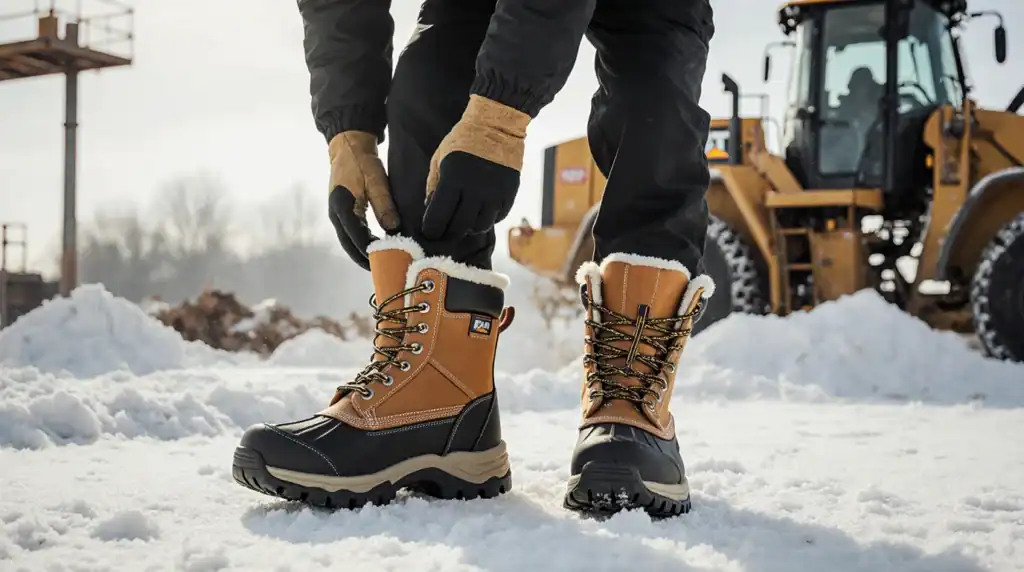
- Waterproof material: Men's snow boots feature waterproof construction and windproof synthetic toe caps for anti-collision.
- 200g high-quality insulation materiel: Keeps your feet warm and dry even when the temperature is -25F.
- Removable Insole: The insole can be removed and washed to keep your feet warm, dry and comfortable.The fluffy and comfortable pile fabric quickly absorbs sweat and moisture. Its soft cushions are used to soften the impact of walking and reduce fatigue.
- Isulated: An insulated warm comfy lining provides better protection in bad weather. Perfect for daily life in the winter and outdoor sports like skiing, mountaineering, cycling, etc.
- Durable & Slip Resistant: The rubber outsole is stable, slip & abrasion resistant, and flexible to various outdoor terrain.
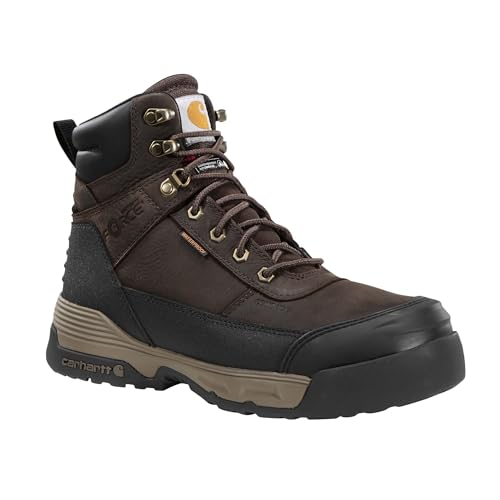
- Composite Safety Toe – Lightweight, non-metallic, and non-conductive to heat or cold. Meets ASTM F2413-24 standards.
- Waterproof & Breathable – Storm Defender membrane keeps your feet dry while allowing airflow for comfort.
- Insulated for Cold – 400g 3M Thinsulate insulation protects feet in winter conditions.
- Slip-Resistant Rubber Outsole – Durable lug outsole offers traction and safety on a variety of surfaces, with heel ladder lock grooves.
- Comfortable Footbed – Insite footbed provides high rebound cushion with podiatrist-designed arch support for all-day comfort.

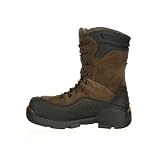
- ASTM F2413 Electrical Hazard Standard
- Rubber vamp
- Removable mesh PU footbed with TPU heel Stabilizer
- ASTM F2413 protective toe classification
- Guaranteed Rocky Waterproof construction

- MAKE HIKING A COMFORTABLE EXPERIENCE These Merino wool hiking socks are built to provide you with total support and comfort during your hiking trips, no matter the weather. Each pair of these hiking boot socks is ideal for the rugged terrain, allowing these to be great mens or women's hiking socks
- ITCH FREE MATERIAL These wool hiking socks come blended with nylon to promote a comfortable, itch free experience. Ultra comfortable, these women and mens hiking socks won't cause you to pause in your step to scratch at your foot or readjust the calf height sock
- KEEP YOUR FEET WARM DURING COLD WINTER HIKES With these hiking socks, women and men alike can enjoy the comfortable warmth that these cozy socks provide. Especially good for the colder months, each winter sock in the pair of men and womens wool socks will keep out the cold and moisture that wintertime often affords
- SUPERIOR CUSHIONING IN THE FOOTBED These mens and womens hiking socks offer a shaped cushioning in their footbed to promise a more comfortable trek up the mountain. Through the use of these mens wool socks, women and men can enjoy less fatigue and pain in their feet after a long day of hiking in these ladies wool socks
- SIMPLE TO CARE FOR When you get home, these wool socks mens accessories can be washed easily. Just put these women and mens hiking socks in the wash on cold and these wool socks will be good to go.
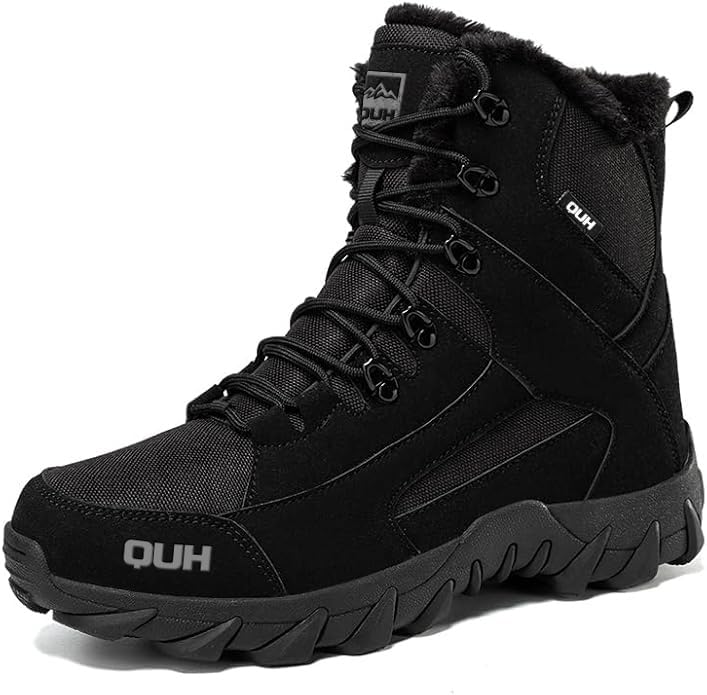
- Prepare for the cold weather with our Men's Snow Boots, designed for both extreme winter conditions and rugged outdoor activities. These boots feature a thickened, cotton-filled lining to keep your feet warm and insulated, even in subzero temperatures. Whether you're walking through snow-covered trails or tackling a demanding military training routine, these boots deliver superior comfort and durability.
- Perfect for winter sports, outdoor work, or casual wear, these snow boots are versatile enough to take on any challenge. The high-top design offers additional ankle support, making them ideal for long-term wear during hiking, trekking, or tactical training.
- Slip-Resistant Sole: Offers superior traction on snow, ice, and rugged terrain, reducing the risk of slips and falls.
- High Ankle Support: Protects and stabilizes your ankles during intense outdoor activities.
- Multi-Use: Ideal for snow sports, hiking, tactical use, workwear, or casual winter wear.