Best Leather Conditioner for Boots (2026): 8 Picks for Work, Western and Dress Boots
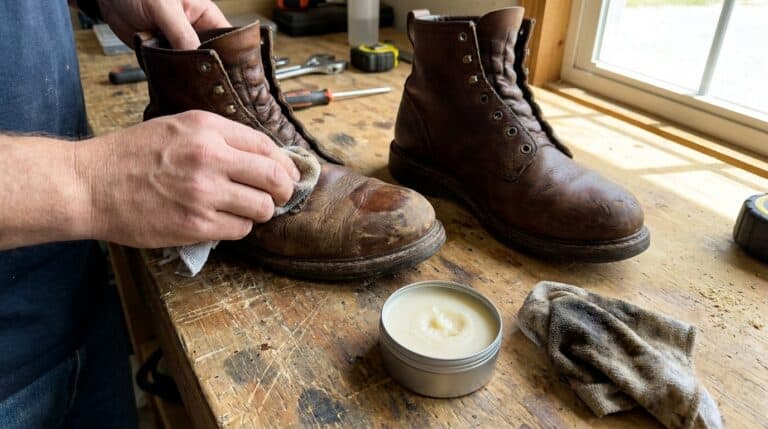
The best leather conditioner for boots depends on what your boots do all day. For work boots that get wet and dirty,...

Buying guides for boots and the gear that goes with them: winter boots, socks, insoles, laces, boot dryers, brand comparisons and gift ideas.
The best leather conditioner for boots depends on what your boots do all day. For work boots that get wet and dirty,...
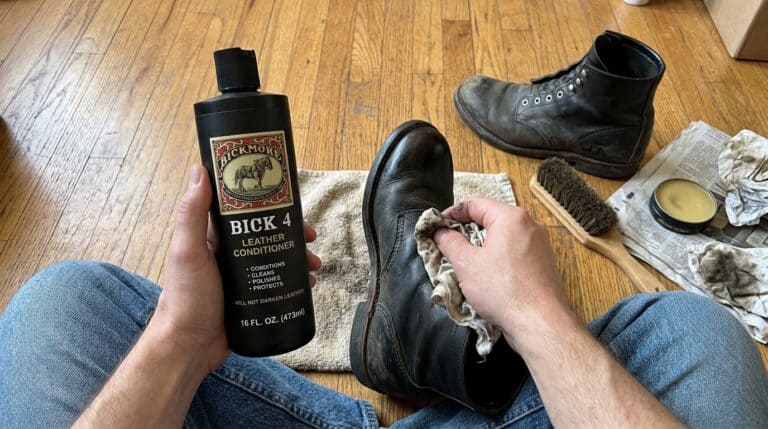
Bick 4 is a wax-free leather conditioner from Bickmore, a company that has made leather care products since 1882. Its main promise...
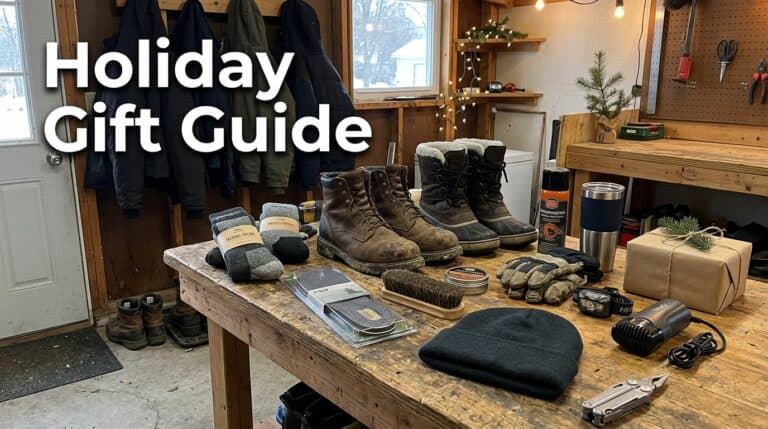
This is the BootsGuru holiday gift guide for 2026. It's built around one idea: the best gifts are the ones people use...
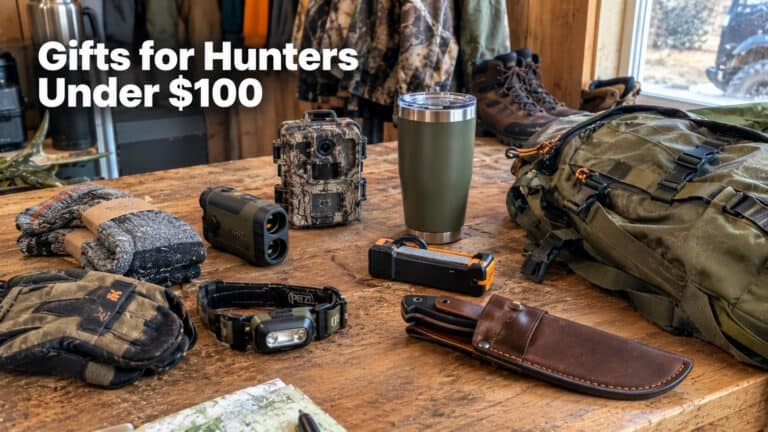
Cold feet end more hunts than bad luck does. A deer hunter can sit through wind, drizzle and a slow morning, but...
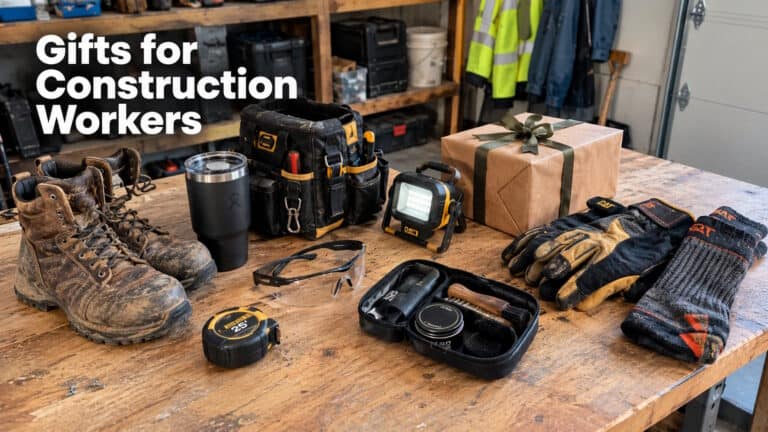
The best gifts for construction workers are the ones they use every single shift. A tradesman spends 8 to 12 hours a...
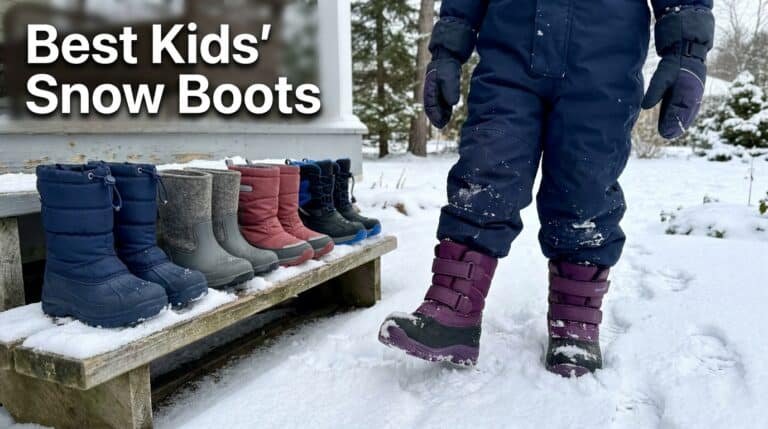
11 kids' snow boots checked on Amazon, from toddler pull-ons to big-kid lace-ups, with temperature ratings, closures, sizing tips and what parents say.
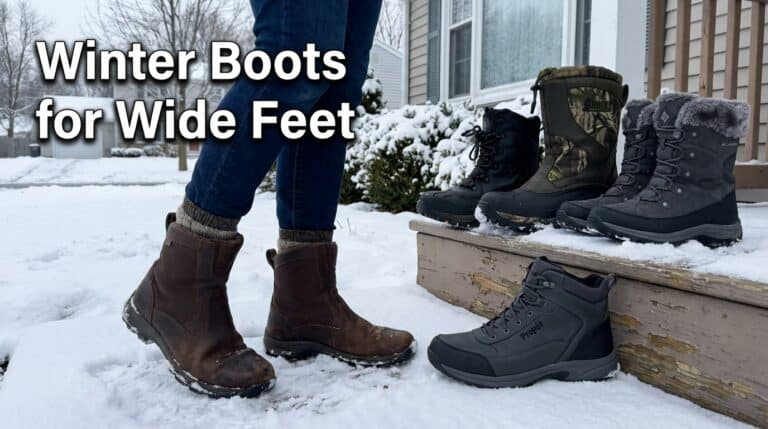
13 men's and women's winter boots sold in Wide, X-Wide or XX-Wide on Amazon, with fit notes, warmth and prices, plus Ethan's notes on the Columbia Bugaboot III.
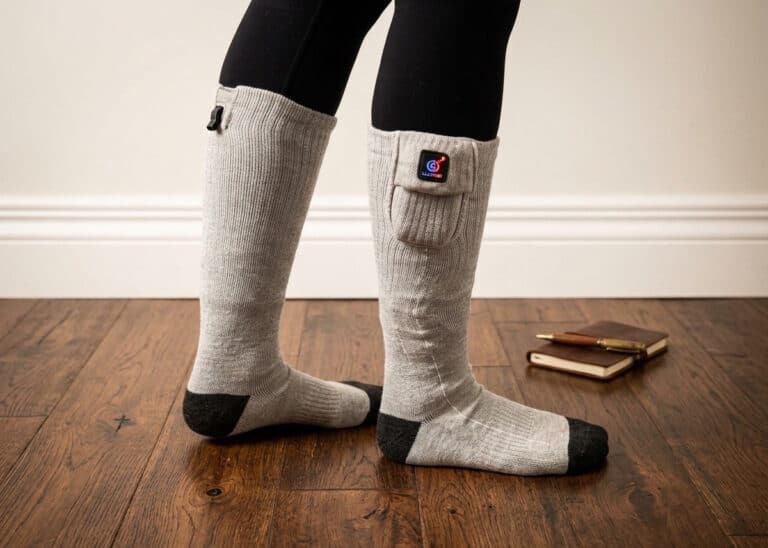
13 heated socks and heated insoles checked on Amazon, with battery life, heat settings, prices and current deals, plus which type works best for hunting and for work.
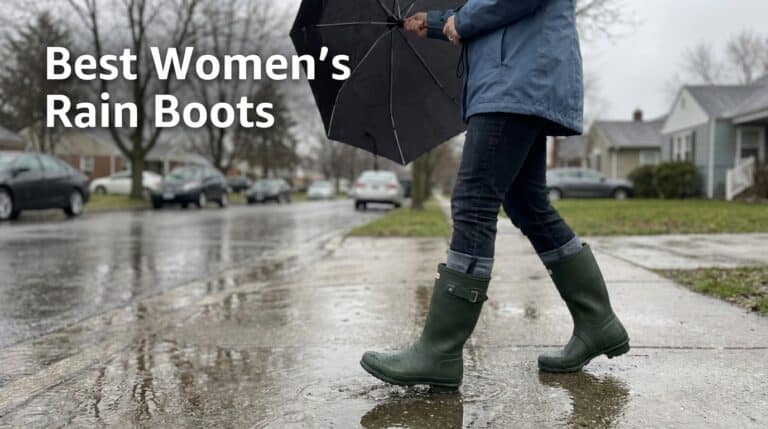
The best fashionable rain boots for women: Hunter Original Tall and Chelsea, Blundstone Thermal Chelsea, XTRATUF Ankle Deck Boot, Sperry Saltwater, Bogs Amanda and the budget Asgard, with real Amazon ratings and fit notes.
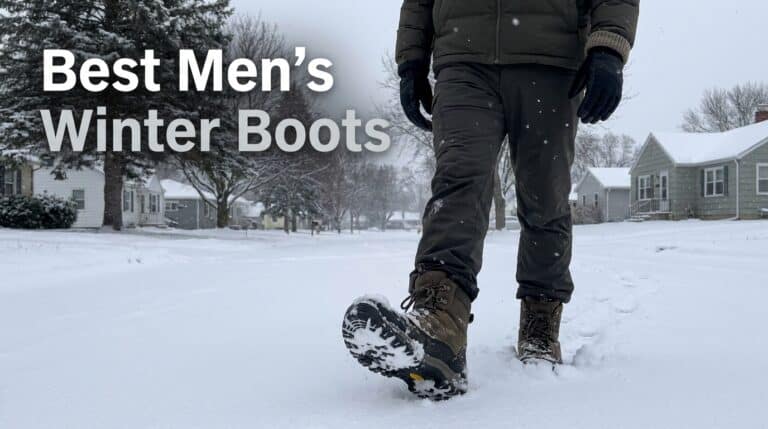
The best men's winter boots keep your feet warm and dry through slush, snow and icy sidewalks without feeling like you're wearing...
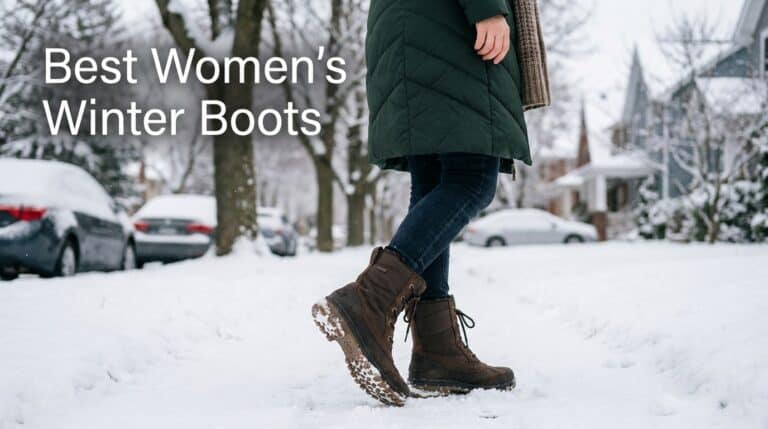
The best women's winter boots keep your feet warm and dry, grip on packed snow and ice, and still feel comfortable after...
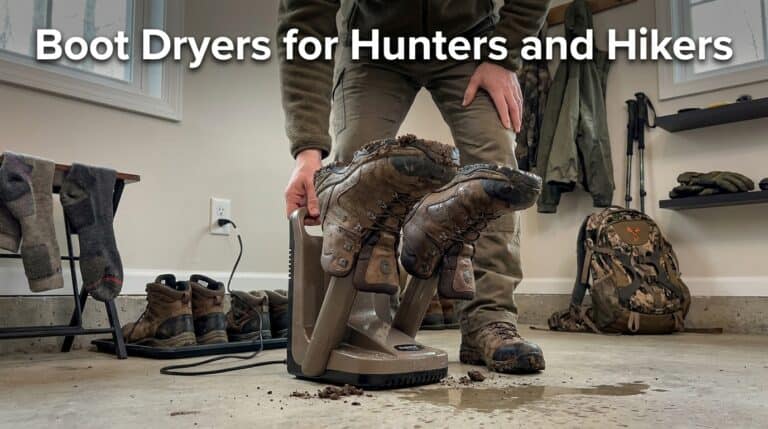
7 boot dryers verified for hunters and hikers, from forced-air home units to propane and USB models built for off-grid camps with no electricity.
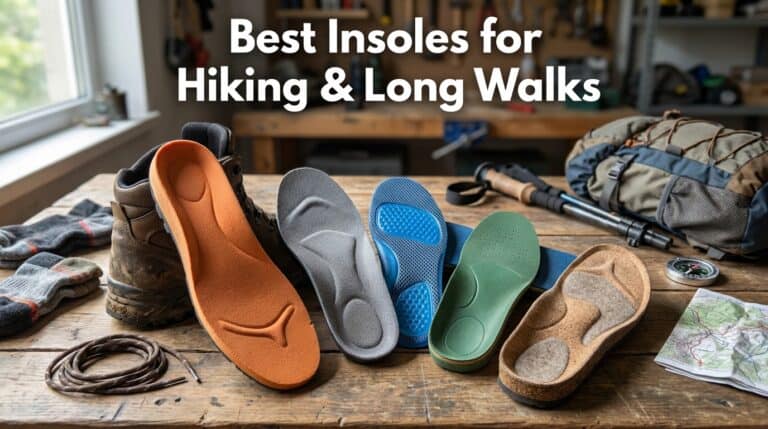
The right insole fixes fatigue, arch pain, and heel slip on long hikes better than a new pair of boots. Here's the wet-test method for finding your arch type, plus 7 verified picks by need: long distance, plantar fasciitis, heavy packs, and hot weather.
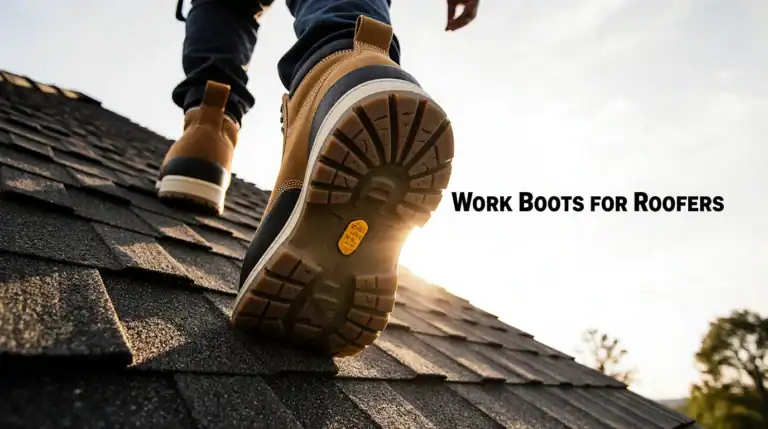
Last Updated: September 2026 | Tested By: The BootsGuru Team Your footwear is your last line of defense when you’re standing on...
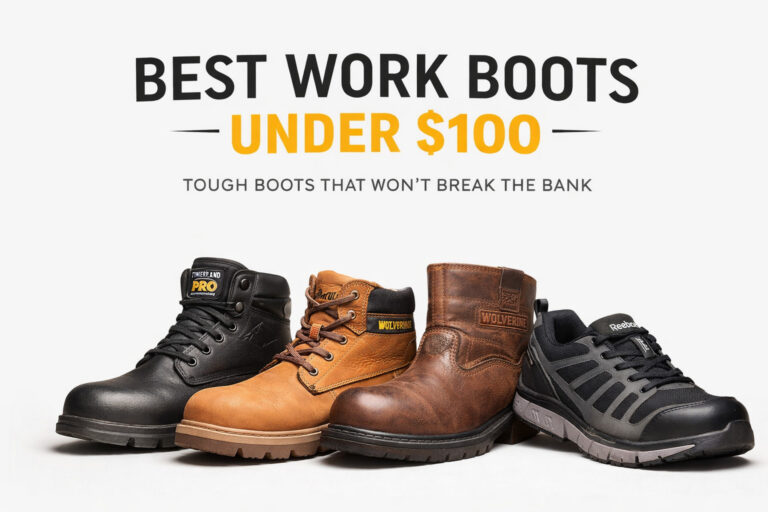
A good pair of work boots from a big brand now costs $150 to $250. That's hard to justify when most workers...
Honest boot reviews for work, hiking and hunting. Worn where we can, checked on Amazon.