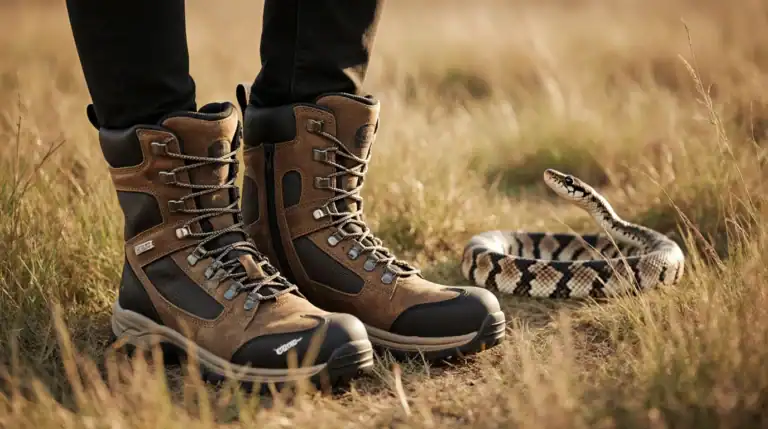


Heading into snake country? Whether you're hunting turkey in Texas, hiking trails in North Carolina, or clearing brush in your own backyard, the threat of an unexpected encounter with a venomous snake is real. And let's be blunt: your standard leather hikers or rubber wellies offer surprisingly little protection against the fangs of a startled rattlesnake, copperhead, or water moccasin.
A snake bite isn't just painful - it's a serious medical emergency. Copperheads, water moccasins, and rattlesnakes account for the vast majority of venomous bites in the US each year, and most strikes happen below the knee. Relying on luck or thick socks isn't a strategy.
You need specialized gear: certified snake proof boots. These aren't just tall boots - they're engineered with puncture-resistant materials designed to stop fangs cold. We've worn these boots across Georgia swampland, Texas brush country, and rocky Appalachian trails to bring you this definitive 2026 guide.

Quick Picks: Top 5 Snake Proof Boots for 2026
| Award | Boot Model | Best For | Key Feature | Height | Price |
|---|---|---|---|---|---|
| 🏆 Best Overall | LaCrosse Adder Scent HD | Hunting & All-Around Use | 360° Snake Guard, Scent Dry WP | 18" | $$$ |
| 💪 Most Durable | Danner Sharptail 17" Snake Boot | Rugged Terrain & Longevity | Full-Grain Leather + Snake Guard | 17" | $$$$ |
| ☁️ Best for Wet Ground Muck Wetland Pro Snake Boot | Wet/Muddy/Swamp Conditions | Certified Snake Bite Protection, Airmesh Lining | 17" | $$$ | |
| 🔒 Best Lighter Option | Irish Setter Terrain SnakeGuard | Lighter, flexible leather and fabric | SnakeGuard, UltraDry waterproof | 17" | $$$ |
| 💰 Best Value | Rocky Lynx Snake Boot | Affordable & Reliable Protection | SnakeGuard Fabric, Waterproof | 16" | $$ |
Who This Guide Is For
This article is for anyone spending time in venomous snake habitat - which covers a surprising number of activities and regions:
- Hunters - turkey, deer, and hog hunters in the South and Southwest frequently encounter rattlesnakes and copperheads in brushy terrain.
- Hikers and backpackers - especially on trails in the Southeast, Texas Hill Country, and Ozarks where timber rattlesnakes and copperheads are common.
- Ranchers and landowners - clearing brush, working near fence lines, or walking pastures in snake season.
- Landscapers and outdoor workers - at elevated risk due to time spent near ground cover, wood piles, and tall grass.
- Homeowners in the South and Southwest - anyone regularly working in their yard in copperhead or rattlesnake country.
If you spend significant time outdoors anywhere from Virginia to California - especially the Southeast, Midwest, and Southwest - this guide is relevant to you.
Why Your Regular Boots Aren't Snake Proof (Buyer's Guide)
Many people assume thick leather or rubber automatically stops fangs. That's a dangerous misconception - and one that sends thousands of people to emergency rooms every year. Here's what you need to know.
Can Snakes Bite Through Leather Boots (Cowboy/Hiking)?
Sometimes, yes. While thick, high-quality leather might deflect a glancing blow or stop the fangs of a smaller snake, it's not guaranteed. Rattlesnakes - particularly large western diamondbacks and timber rattlesnakes - have fangs long enough to penetrate standard boot leather, especially at thinner sections or seams. Cowboy boots, while tall, typically use leather that isn't specifically rated for puncture resistance. A standard 3-4mm leather upper offers minimal resistance to a direct, determined strike. Don't count on it.

Can Snakes Bite Through Rubber Boots?
Yes, often easily. Standard rubber rain boots or basic wellies offer very little protection. Snake fangs are like hypodermic needles - sharp and designed to penetrate. Unless the rubber boot is specifically marketed and certified as snake proof, assume it offers minimal defense. This is one of the most dangerous misconceptions we encounter: people buying cheap rubber tall boots thinking they're protected. They're not.
Which Snakes Are Hardest to Guard Against?
Not all venomous snakes present the same challenge. Fang length and strike force vary dramatically between species - and that directly determines what boot height you need:
| Snake | Fang Length | Strike Power | Min Boot Height | Primary Range |
|---|---|---|---|---|
| Copperhead | 4-8mm | ⚠️ Low-Moderate | 16" | Southeast & Midwest |
| Water moccasin | 8-14mm | ⚠️⚠️ Moderate | 16" WP boot | Southeast swamps |
| Timber rattlesnake | up to 20mm | 🔴🔴🔴 High | 18" required | East & Midwest US |
| Western diamondback | up to 25mm | 🔴🔴🔴 High | 18" required | Southwest US |
| Eastern diamondback | up to 35mm | 🔴🔴🔴 Extreme | 18" + max quality | Southeast coast |
What Actually Makes a Boot Snake Proof?
True snake proof boots rely on specialized technology, not just thick materials:
- Puncture-Resistant Lining: Tightly woven, dense synthetic fabrics - like ballistic nylon, Kevlar®, or proprietary SnakeGuard weaves - layered inside the boot shaft. This is the core protection mechanism. The lining catches and deflects fangs that penetrate the outer shell.
- Minimum Height: Most snake bites occur below the knee. Snake boots typically feature shafts that are 16 to 18 inches tall. If you're in serious rattlesnake country, go 18".
- Durable Outer Materials: Outer shells of leather, Cordura® nylon, rubber, or neoprene add durability, abrasion resistance, and a first layer of defense.
- 360° Coverage: The best boots wrap protection all the way around - front, back, and sides - with no gaps near the zipper or gusset. Check for this before buying.
Other Key Features to Consider
- Waterproofing: Look for Gore-Tex®, Scent Dry®, or similar membranes - especially important for swamp, marsh, or early-morning dew conditions.
- Comfort & Fit: Cushioned midsoles, supportive footbeds, and proper sizing. Consider sizing up a half-size for thick hunting socks, and measure your calf circumference - snake boots are taller and some fit narrowly.
- Traction: Deep lugs for mud, rocks, and wet grass. A slip in snake country is dangerous for other reasons too.
- Entry System: Laces, side zippers, or pull-on. Zippers are faster but add a potential weak point - look for overlapping gussets that cover the zipper track.
- Weight: Full leather boots run 4-6 lbs per pair. If you're covering serious miles, a lighter textile/rubber boot might be worth the trade-off in durability.
Find Your Boot: Real-World Use Cases
Not sure which boot fits your situation? Here's how the top picks map to the most common real-world scenarios - pick your situation and go straight to the right boot.
| Your Situation | Recommended Boot | Why It Works |
|---|---|---|
| Turkey hunting, dry brush South Georgia, Texas Hill Country - pushing through thick brush at dawn, cottonmouth country |
LaCrosse Adder Scent HD 18" | Scent control + 18" height + full-day comfort. The Scent HD lining keeps your odor signature low when you're still-hunting at close range. |
| Duck / waterfowl hunting Flooded timber, Louisiana marsh - standing in knee-deep water for hours, cottonmouths everywhere |
Muck Wetland Pro Snake Boot | 100% waterproof shell - not just a membrane. You can wade in confidently. Neoprene keeps feet warm in cold water. |
| Rocky trail hiking Appalachian ridges, Ozark boulder fields - technical terrain where ankle rolls and timber rattlers are both real threats |
Danner Sharptail 17" Snake Boot | Full-grain leather handles rock abrasion for years. Excellent ankle support. Gore-Tex waterproofing for stream crossings. |
| Ranch / property work Daily fence-line checks, brush clearing - boots on and off multiple times a day |
Irish Setter Terrain 17" SnakeGuard | Pick a boot with a zipper or pull-on design if you take them on and off many times a day, and check the listing for how the entry is protected. Lighter than leather. Good traction on mixed terrain. |
| Backyard / occasional yard work Copperhead country homeowner - mowing, gardening, moving brush piles a few times a season |
Rocky Lynx Snake Boot 16" | Certified protection at a price that makes sense for occasional use. Lightweight enough that you'll actually wear it. |
| Southwest rattlesnake country Western diamondback territory - Texas, Arizona, New Mexico, where fangs get long and strikes get powerful |
LaCrosse Adder or Danner Sharptail | 18" height is non-negotiable here. Both boots offer maximum certified protection; choose based on terrain (leather for rocky, all-around for brush). |
Top 5 Best Snake Proof Boots: Detailed Reviews
🏆 Best Overall: LaCrosse Adder Scent HD 18"

At a Glance:
- 🛡️ Bite Protection: ★★★★★ - 360° Snake Guard, no gap points
- 💧 Waterproofing: ★★★★★ - Scent Dry lining
- ☁️ Comfort: ★★★★☆
- 🔩 Traction: ★★★★☆
- 💪 Durability: ★★★★☆
Our Take: The LaCrosse Adder is our top overall pick for good reason: it gets the fundamentals exactly right. The 360-degree snake guard wraps continuously from the ankle to the top gusset - there are no gaps, no seams that a fang could exploit. The leather and textile upper handles briars and brush without looking thrashed after a season, and the Scent Dry waterproof lining genuinely keeps moisture out during early morning hunts through dewy grass or shallow creek crossings.

We logged about 40 miles across a Georgia hunting season in these boots. Comfort holds up well for a snake boot - there's a cushioned footbed and enough flex in the sole that you're not clomping around in stovepipes. The Scent HD lining is a real bonus for hunters who can't afford to broadcast their presence. The 18" height is the right call in serious snake territory - it covers the critical zone above the boot top where many strikes land when hunters push through brush.
The main downsides: the price is premium, and like most snake boots, they run warm above 80°F. Not ideal for June in Florida, but excellent from September through May across most of the US snake belt.
✅ Pros
|
❌ Cons
|
Best For: Hunters, hikers, and landowners in serious snake country. Our top recommendation for anyone who wants one boot that handles it all.
Most Durable: Danner Sharptail 17" GORE-TEX Snake Boot

The Sharptail is Danner's 17-inch leather snake boot. The Amazon listing describes 360-degree snake-proof protection, a waterproof full-grain leather upper with lightweight 900 denier nylon, and a GORE-TEX waterproof, breathable lining. A rear gusset with hardware lets you adjust the fit around your calf, and an OrthoLite footbed adds cushioning. It's rated 4.5 stars from 192 Amazon ratings (retrieved 2026-09-24).
Leather and nylon give you a boot with more structure and ankle support than a rubber pull-on, which matters on rocky, uneven ground. GORE-TEX is a proven membrane for rain and wet grass.
Skip it if you wade through standing water or flooded fields. A leather boot with a membrane is waterproof, but a full rubber boot like the Muck below is the better tool for deep water. It also costs more than rubber snake boots, and leather needs regular conditioning.
Best for: Upland and turkey hunters, ranchers and anyone covering rocky or brushy terrain in snake country.
Best for Wet Ground: Muck Wetland Pro Snake Boot
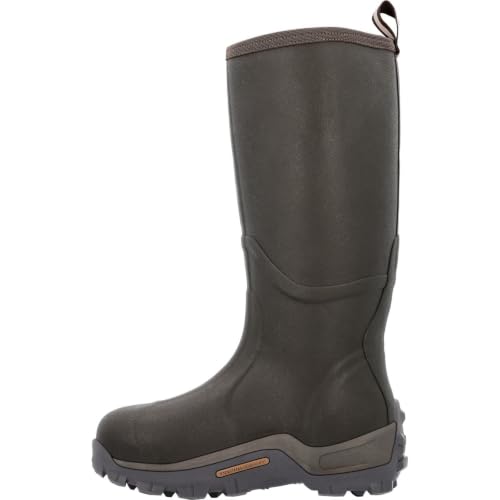
The Muck Wetland Pro Snake Boot has full rubber coverage to the top of the boot, which the listing says is certified against snake strike. Inside is a 5mm neoprene bootie for comfort and 3D Airmesh lining for breathability. The self-cleaning MS-1 lug outsole is built for mud, snow and dirt, and the boot is rated ASTM F2892-18 EH. It's rated 4.2 stars from 179 Amazon ratings (retrieved 2026-09-24).
Because the whole shell is rubber, you can step into standing water, flooded fields and marsh without worrying about a membrane. That makes it the natural pick for duck hunters and anyone working swampy ground where cottonmouths live.
Skip it if you hike rocky ridges or push through thick briars. A pull-on rubber boot gives less ankle support than lace-up leather, and neoprene tops aren't as abrasion-resistant.
Best for: Duck hunters, marsh and swamp work, and anyone in consistently wet terrain.
Best Lighter Leather-and-Fabric: Irish Setter Terrain 17" SnakeGuard
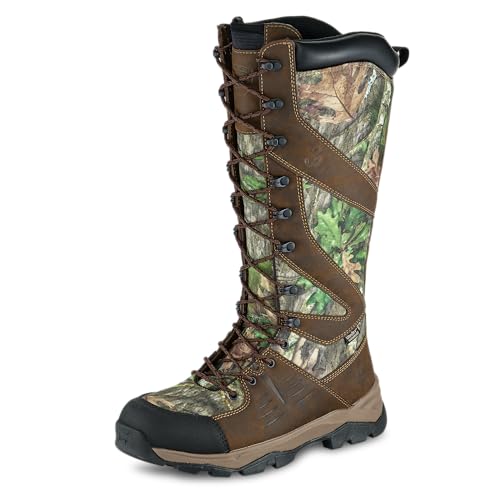
The Irish Setter Terrain 17" uses SnakeGuard, which Irish Setter describes as a non-woven material combined with leather or nylon to impede fangs and thorns. The upper is PU-coated full-grain leather and fabric with UltraDry waterproof construction and a moisture-management lining. An EnerG midsole and removable polyurethane footbed handle cushioning, and the flatline outsole has an aggressive multi-directional lug pattern. It's rated 4.7 stars from 26 Amazon ratings (retrieved 2026-09-24), a small sample so far.
It uses cement construction, which keeps it flexible but means it can't be resoled like a welted boot.
Skip it if you want a boot certified against snake strike, like the Muck Wetland Pro, or a boot you can resole.
Best for: Deer and turkey hunters who want a lighter, flexible snake boot for mixed terrain.
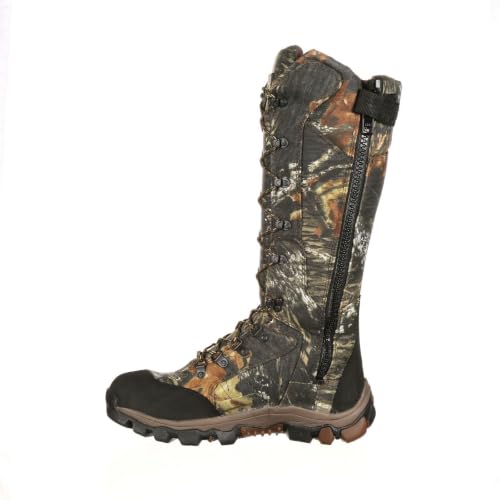
💰 Best Value: Rocky Lynx Snake Boot 16"
At a Glance:
- 🛡️ Bite Protection: ★★★★☆ - 16" SnakeGuard fabric
- 💧 Waterproofing: ★★★★☆ - VP Waterproof
- ☁️ Comfort: ★★★☆☆
- 🔩 Traction: ★★★☆☆
- 💪 Durability: ★★★☆☆
Our Take: Not everyone needs a $300+ snake boot. If you're a homeowner occasionally working in the yard in copperhead country, a weekend hiker who passes through snake habitat a few times a season, or someone trying snake boots for the first time, the Rocky Lynx delivers snake protection at a price that won't sting as much as the boots it protects against.
The 16" SnakeGuard fabric liner is the real deal - not a marketing claim. VP Waterproof treatment handles rain and morning dew. The lightweight nylon upper keeps overall weight down. You won't mistake them for a premium boot: the footbed is basic, the traction is modest, and they won't last as many seasons as the Danner or LaCrosse. But for occasional-use protection, they're honest value.

Genuine limitation to flag: the 16" height is the minimum we'd recommend. If you're in timber rattlesnake or western diamondback territory, step up to an 18" boot.
✅ Pros
|
❌ Cons
|
Best For: Homeowners, casual hikers, or anyone new to snake boots who wants certified protection without a premium investment.
Best Snake Proof Boots for Women
Women's snake boot options have expanded significantly, and you don't need to buy men's boots and size down. Fit differences matter: women's snake boots are cut with a narrower heel, slightly lower instep, and proportionally different calf width. Trying to make men's boots work often means heel slippage, which affects both comfort and the boot's ability to stay in proper position if you actually encounter a snake.
The LaCrosse Women's Venom II 15" is a women's-specific snake boot from LaCrosse, the maker of our top overall pick. For wet ground, the LaCrosse 15" Alpha Agility Snake Boot for Women pairs a waterproof natural rubber shell with snake protection fabric from shin to toe, according to its listing (4.3 stars from 73 Amazon ratings, retrieved 2026-09-24). Check each listing for your size, since women's snake boots are often stocked in fewer sizes than men's.
How to Size Snake Proof Boots
Getting the right fit in a snake boot matters more than with regular footwear - a loose boot shifts during wear, and a too-tight boot causes fatigue on long hunts. Here's how to get it right:
- Measure your calf circumference at the widest point. Most standard boots fit calves up to about 15-16". If you're larger, look for wide-calf models or stretch-gusset designs.
- Account for hunting socks. Try boots on with the socks you'll actually wear, or size up a half-size and use thicker socks.
- Check heel lock. Walk around - your heel should not lift significantly. A lifting heel means the boot is too large.
- Allow for break-in. Leather snake boots will feel stiff initially. They need 15-30 miles of wear to fully conform to your foot. Don't judge a leather boot's comfort on day one.
- Wide feet: Look for boots available in EE (wide) widths. Rocky offers wider width options in select sizes.
Snake Boots vs. Snake Gaiters: Which Do You Need?

Snake gaiters strap over your existing boots and pants to provide protection from the ankle up to the knee - or even higher with full-length chaps.
Choose snake boots when: you're regularly in snake habitat, want a single piece of purpose-built gear, and value the waterproofing and support that comes with a full boot.
Choose snake gaiters when: you already own quality hiking or hunting boots you love, only occasionally pass through snake habitat, or need to add snake protection without replacing footwear. Good gaiters from brands like Crackshot or TurtleSkin offer real protection at $50-$100.
The honest limitation of gaiters: they don't protect your feet, and they can shift during heavy brush work. They're a solid option for occasional protection needs but aren't a substitute for a purpose-built snake boot if you're regularly in serious snake territory.
How to Care for Snake Proof Boots

Proper maintenance extends the life of your snake boots significantly - and keeps the protective lining functioning correctly. Care varies by construction type:
Leather snake boots (Danner Sharptail, LaCrosse Adder): Clean off mud and debris after each use with a soft brush and damp cloth. Allow to dry at room temperature - never near direct heat, which dries out leather. Apply a quality leather conditioner (like Sno-Seal or Obenauf's Heavy Duty LP) every few months. Reapply waterproofing treatment annually. Store upright on a boot tree or stuff with newspaper to maintain shape.
Rubber/neoprene snake boots (Muck Wetland Pro): Rinse with clean water after muddy use. Avoid petroleum-based cleaners that can degrade rubber. Store out of direct sunlight. Inspect annually for cracks or splits.
Textile/nylon snake boots (Rocky Lynx): Brush off dried mud, spot clean with mild soap and water. Re-apply DWR spray annually - products like Nikwax or Grangers restore the waterproof treatment. Keep the zipper on zippered models lubricated with zipper wax or silicone spray.
The snake guard lining itself doesn't require special care - it's embedded in the boot construction. What you're protecting is the structural integrity of the outer materials that hold the lining in place.
Beyond Boots: Other Snake Safety Gear
Snake gaiters/chaps - Strap over existing boots for protection up to thigh level. Brands like Crackshot Corp, TurtleSkin, and Cutter make reliable options in the $50-$150 range. Ideal if you already own boots you love or only occasionally enter snake habitat. Many serious hunters in the Deep South wear both - snake boots plus gaiters - for maximum coverage.
Trekking poles and walking sticks - Beating the ground ahead of you is time-honored snake country wisdom. It gives snakes warning to move before you arrive.
Situational awareness - The most underrated snake safety tool. Watch where you step and where you put your hands. Step onto logs and rocks before stepping over them. Avoid reaching into dark holes, brush piles, or under debris. Most snake bites happen to people who weren't paying attention.
First aid knowledge - Know what to do if bitten: stay calm, immobilize the affected limb, keep it below heart level, get to emergency services as quickly as possible. Do not cut and suck, apply a tourniquet, or use ice. Call 911 or Poison Control (1-800-222-1222) immediately.
Frequently Asked Questions
Are Muck Boots snake proof?
Only specific Muck Boot models that are explicitly marketed and certified as snake resistant - like the Muck Wetland Pro Snake Boot - are designed to stop fangs. Standard Muck Boots, including popular models like the Woody Max and Chore, do not contain snake-resistant lining and offer no reliable protection. Always look for "snake proof" or "snake resistant" in the model name and product specs.
Can snakes bite through rubber boots?
Yes - standard rubber rain boots or basic wellies offer very little protection. Snake fangs are like hypodermic needles and are designed to penetrate. Unless the rubber boot is specifically certified as snake proof, assume it provides minimal defense. This is one of the most dangerous misconceptions around snake safety gear.
How high do snake proof boots need to be?
The industry standard is 16 to 18 inches. Most snake strikes land below the knee, so 16" provides baseline coverage. However, if you're in territory with larger rattlesnakes - western diamondbacks, timber rattlesnakes, eastern diamondbacks - go 18". These snakes can strike higher than copperheads and have the fang length to make it count.
Can a snake bite through a certified snake boot?
Properly certified snake boots are tested against representative snake strikes and the results are reliable. No safety gear is absolutely 100% infallible under every conceivable circumstance, but a certified snake boot from a reputable brand provides extremely high protection levels. The key word is "certified" - tested to a recognized standard with verifiable results, not just a marketing claim.
Are snake proof boots worth it?
If you regularly spend time in snake habitat - hunting, hiking, ranching, landscaping, or working in the South and Southwest - yes, absolutely. A single snakebite can result in emergency hospitalization and antivenom treatment costing $10,000-$150,000+, plus weeks of recovery. A quality pair of snake boots costs $100-$350 and lasts years. The math isn't close.
What are the best snake boots for hot weather?
All snake boots run warmer than regular footwear due to the additional lining. For hot weather, look for boots with breathable linings - the Irish Setter Terrain's UltraDry system and the Muck Boot's Airmesh lining both perform reasonably well in heat - and lightweight textile uppers rather than full leather. Some hunters opt for snake gaiters over regular breathable trail shoes in very hot conditions.
Do I need snake boots in Texas or Florida?
Texas hosts rattlesnakes (western diamondback, timber, western massasauga), copperheads, and water moccasins across most of the state - snake boots are strongly recommended for any outdoor work or hunting. Florida is home to eastern diamondback rattlesnakes (the largest in North America), water moccasins, and timber rattlesnakes - certified protection is essential in rural and swampy areas. Other high-risk states include Georgia, Alabama, Mississippi, Arkansas, Oklahoma, and Missouri.
Conclusion: Don't Take Chances in Snake Country
Walking through areas known for venomous snakes without proper protection is a risk with consequences that go far beyond a bad day outdoors. Standard boots - no matter how thick the leather or tall the shaft - aren't designed or tested to stop snake fangs. Investing in certified snake proof boots is one of the most straightforward safety decisions any hunter, hiker, rancher, or outdoor worker can make.
The decision is simpler than it looks. In a nutshell:
- Serious rattlesnake country? → Go 18". The LaCrosse Adder Scent HD or Danner Sharptail are your options.
- Wet or flooded terrain? → Muck Wetland Pro Snake Boot. Nothing else competes for wade-in confidence.
- Daily on/off convenience? → Irish Setter Terrain. The side zip pays for itself in time saved.
- Occasional use on a budget? → Rocky Lynx. Real certified protection without the premium price.
Whatever you choose, choose something certified. The woods and fields of snake country deserve respect - gear up accordingly.