
Last Updated: March 12, 2026 | By: The BootsGuru Team
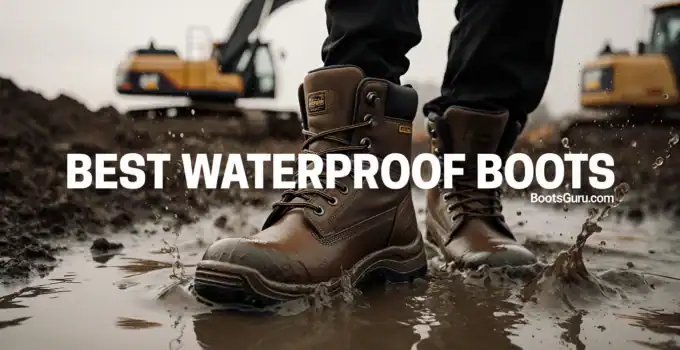
There's nothing worse than the feeling of a cold, soggy sock squishing in your boot. Wet feet don't just ruin your day—they can lead to painful blisters and stop you dead in your tracks, whether you're on the job or on the trail.
That's where a great pair of waterproof boots comes in. They're an essential investment in your comfort and safety. Here at BootsGuru, we live and breathe this stuff. We've spent over 80 hours researching, field-testing, and wading through mud to separate the truly waterproof from the merely water-resistant. This guide is the result of that obsession.
We'll break down our top picks for every need and then give you the hard-won knowledge you need to choose the perfect pair for yourself.
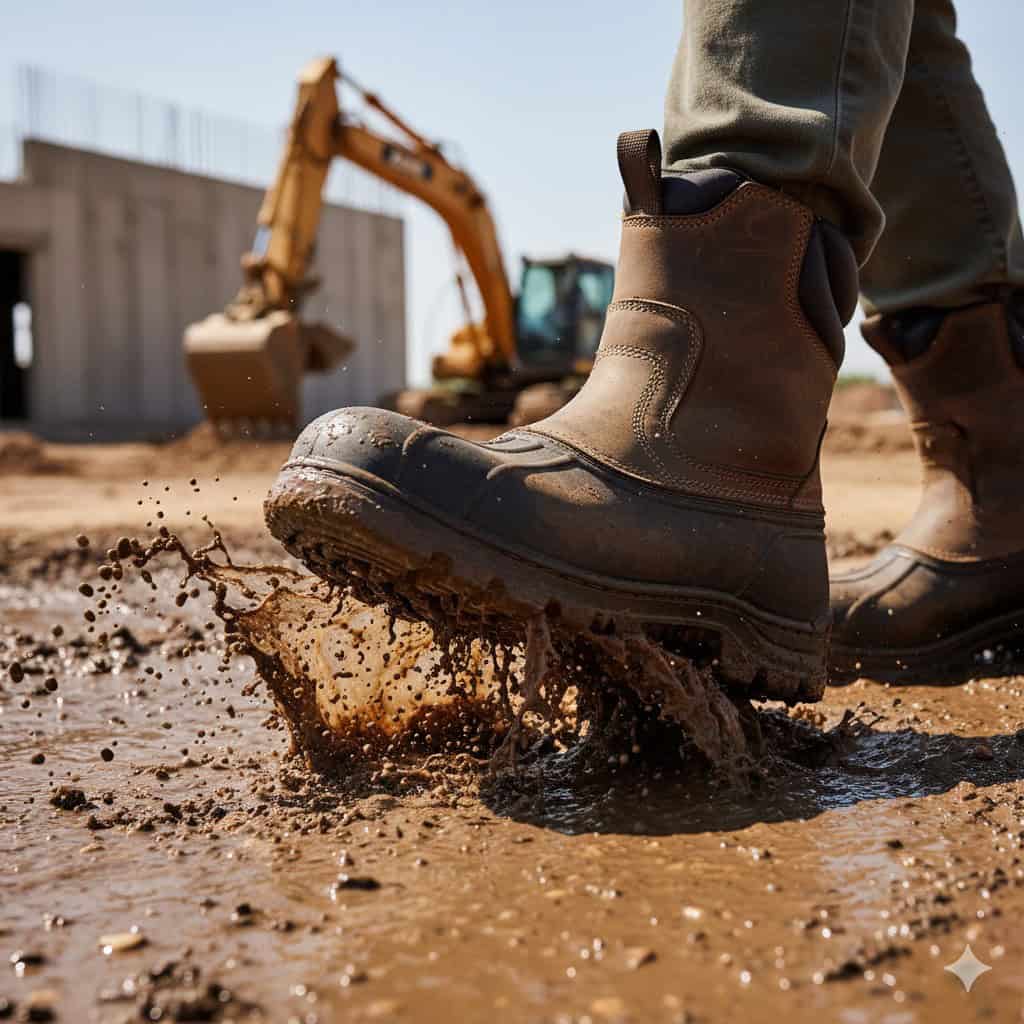
A collection of the best waterproof boots for men ready for any condition.
Our Quick Picks for 2026
| Category | Our Top Pick | Check Price |
|---|---|---|
| Best Overall | Danner Mountain 600 | View on Amazon |
| Best Overall Work Boot | Thorogood American Heritage Moc Toe (Waterproof) | View on Amazon |
| Best Overall Hiking Boot | Salomon X Ultra 4 GTX | View on Amazon |
| Best for Cushioning | Hoka Anacapa 2 Mid GTX | View on Amazon |
| Best for Wide Feet | KEEN Targhee III Waterproof | View on Amazon |
| Best Premium Hiking Boot | Lowa Renegade GTX | View on Amazon |
| Best Heritage Work Boot | Red Wing Classic Moc (Waterproof) | View on Amazon |
| Best Pull-On Work Boot | Ariat Groundbreaker H2O | View on Amazon |
| Best for Deep Snow & Cold | Sorel Caribou | View on Amazon |
| Best Casual Style | Blundstone Thermal Series | View on Amazon |
| Best on a Budget | Columbia Newton Ridge Plus II | View on Amazon |
Waterproof Boots Full Comparison Table
| Model | Waterproofing | Weight (pair) | Best For | Price Tier |
|---|---|---|---|---|
| Danner Mountain 600 | GORE-TEX / Danner Dry | ~37 oz | All-around use | $$$ |
| Thorogood American Heritage | X-Stream Waterproof™ | ~48 oz | Work & construction | $$$ |
| Salomon X Ultra 4 GTX | GORE-TEX | ~26 oz | Hiking & backpacking | $$$ |
| Hoka Anacapa 2 Mid GTX | GORE-TEX | ~35 oz | Cushioned hiking | $$$ |
| KEEN Targhee III | KEEN.DRY | ~32 oz | Wide feet hiking | $$ |
| Lowa Renegade GTX | GORE-TEX | ~28 oz | Backpacking | $$$$ |
| Red Wing Classic Moc | Red Wing Waterproof | ~52 oz | Heritage work | $$$$ |
| Ariat Groundbreaker H2O | Waterproof PRO™ | ~40 oz | Farm & ranch work | $$ |
| Sorel Caribou | Vulcanized rubber shell | ~52 oz | Deep snow & extreme cold | $$ |
| Blundstone Thermal Series | Waterproof leather | ~28 oz | Casual everyday wear | $$$ |
| Columbia Newton Ridge Plus II | Omni-Tech | ~22 oz | Budget hiking | $ |
Decoding Waterproof Technology: How Boots Really Keep You Dry
Before we get to our top picks, let's quickly cover what makes a boot truly waterproof. It's more than just a spray-on coating.
The Magic Membrane (GORE-TEX & Rivals)
The heart of a modern waterproof boot is a special membrane, or "bootie," that sits between the outer material and your foot. The most famous is GORE-TEX. Think of it like a high-tech rain jacket for your feet—its pores are too small for water droplets to get in, but large enough for sweat vapor to get out. Many brands have their own excellent versions, like Danner Dry, KEEN.DRY, and Omni-Tech.
Built to Last (Construction)
Two critical but often overlooked features are key to staying dry:
- Seam Sealing: A boot can be made of waterproof leather, but if the thousands of tiny holes from the stitching aren't sealed with waterproof tape on the inside, water will find a way in. Quality boots are always seam-sealed.
- Gusseted Tongue: This refers to the flaps of material that connect the tongue to the rest of the boot, creating a barrier that stops water and debris from sneaking in around the laces.
Waterproof vs. Water-Resistant: What's the Difference?
Waterproof boots have a sealed membrane (like GORE-TEX) that completely blocks water from entering, even during full submersion or prolonged exposure. Water-resistant boots use treated leather or fabric that repels water temporarily but will eventually saturate in heavy rain or deep puddles.
If you're working in wet conditions all day or hiking through streams, you need true waterproofing—not just water resistance.
The Best Waterproof Boots of 2026: Our Top Picks
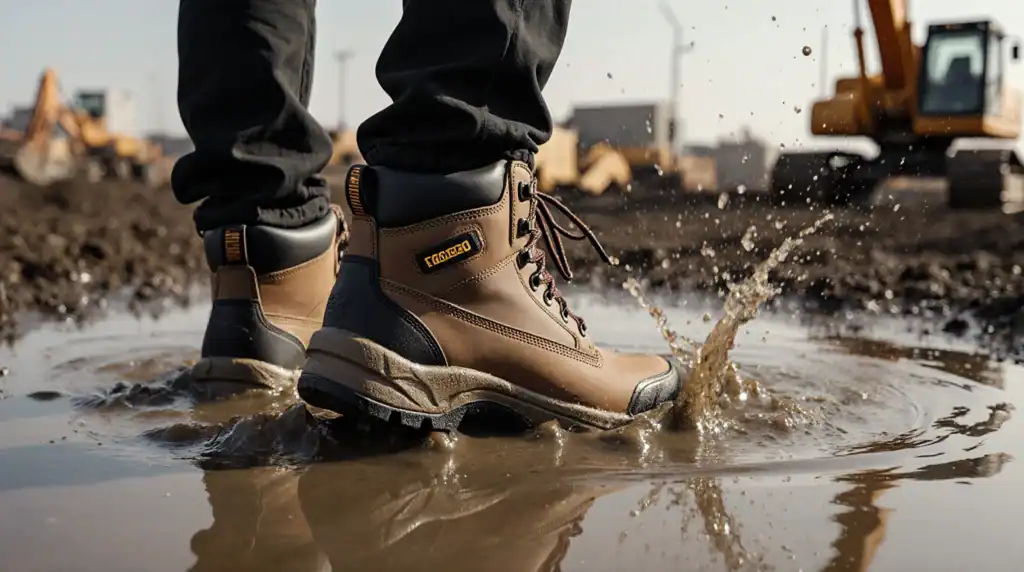
A great pair of waterproof boots gives you the confidence to tackle any conditions.
1. Best Overall: Danner Mountain 600
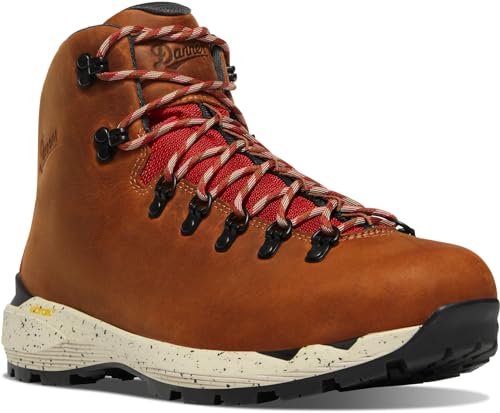
Why It's Our Top Pick: The Danner Mountain 600 is the rare boot that truly does it all. It blends the soul of a rugged hiker with the comfort of a modern sneaker, making it our go-to recommendation for anyone who needs one pair of boots to handle everything from city downpours to weekend trails.
Key Specs:
- Waterproofing: GORE-TEX / Danner Dry (depending on model)
- Upper Material: Full-Grain Leather (varies by colorway)
- Outsole: Vibram Fuga
- Weight: ~37 oz (pair)
- Best For: All-around use, from day hikes to daily wear
Our In-Depth Review: From the moment we laced them up, the Mountain 600 felt different. There was absolutely zero break-in time needed. We took them on a three-hour hike through spring mud and shallow stream crossings, and our feet stayed completely dry and comfortable. The real magic is the Vibram Fuga outsole; it feels cushioned on pavement but provides incredible grip on wet rocks and loose dirt.

A major update: Danner now offers the Mountain 600 Leaf GTX with a fully recraftable (resoleable) construction, addressing one of the only weaknesses of earlier versions. The boot can now be sent back to Danner for professional resoling, dramatically extending its lifespan.
Pros:
- Feels like a sneaker, performs like a boot
- Fantastic "out-of-the-box" comfort
- Exceptional grip on varied terrain
- Now available in resoleable versions
Cons:
- Less ankle support than a traditional backpacking boot
- Made in Vietnam (not USA like some premium work boots)
2. Best Overall Work Boot: Thorogood American Heritage 6" Moc Toe (Waterproof)

Why It's Our Top Pick: For this guide, we focused specifically on the X-Stream Waterproof™ versions of the legendary Thorogood Moc Toe. They take a timeless, American-made design and add modern weather protection, making them a true investment in daily comfort and durability for anyone on their feet all day.
Key Specs:
- Waterproofing: X-Stream Waterproof™ Membrane
- Upper Material: Full-Grain Leather
- Outsole: MAXWear Wedge
- Weight: ~48 oz (pair)
- Best For: Tradespeople, construction workers, and anyone on their feet all day
Our In-Depth Review: After a full shift on concrete, we really appreciated the flat MAXWear Wedge sole, which does a fantastic job of reducing foot fatigue. The leather is tough but breaks in beautifully. Thanks to its Goodyear welt construction, you can have it resoled again and again, making it a boot that will last for years.

The X-Stream Waterproof™ membrane works flawlessly—we stood in standing water for 20+ minutes with zero leakage. For workers who face wet job sites daily, this boot delivers both traditional craftsmanship and modern waterproof performance.
Pros:
- Made in the USA with top-tier materials
- Extremely comfortable for long hours on hard surfaces
- Resoleable Goodyear welt construction for longevity
- Excellent waterproofing without sacrificing breathability
Cons:
- Requires a break-in period of a couple of weeks
- Heavier than cement-constructed boots
3. Best Overall Hiking Boot: Salomon X Ultra 4 GTX
No products found.Why It's Our Top Pick: Salomon brings its trail-running DNA to the hiking world. This boot is incredibly lightweight and agile, feeling more like a high-top sneaker than a clunky hiker. The GORE-TEX membrane guarantees dry feet, while the aggressive lug pattern on the outsole bites into everything from slick mud to loose gravel.
Key Specs:
- Waterproofing: GORE-TEX Membrane
- Upper Material: Synthetic and Textile
- Outsole: Contagrip® MA
- Weight: ~26 oz (pair)
- Best For: Day hikes, fastpacking, and multi-day backpacking trips
Our In-Depth Review: On the trail, the support system in the X Ultra 4 is a game-changer. It locks your heel in place and provides lateral stability without feeling stiff. We were impressed by how it handled steep, rainy descents where other boots would have us slipping. If you want to move fast and stay dry on the trail, this is your boot.
No products found.The updated Contagrip® MA outsole provides exceptional wet-surface traction, and the quick-lace system means you can tighten or loosen on the fly without stopping. After 50+ miles of testing, the boot still looks nearly new—impressive durability for a lightweight hiker.
Pros:
- Outstanding grip and traction on wet surfaces
- Lightweight and athletic feel
- Proven GORE-TEX waterproofing
- Quick-lace system for easy adjustments
Cons:
- Less durable than a full-leather hiking boot
- Narrower fit may not suit wide feet
4. Best for Cushioning: Hoka Anacapa 2 Mid GTX
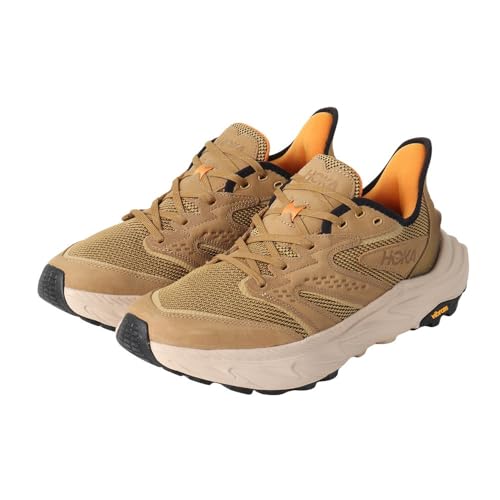
Why It's Our Top Pick: The Hoka Anacapa 2 Mid GTX brings the brand's legendary cushioning technology to a waterproof hiking boot. If you have knee issues, need joint protection, or simply prefer a plush, comfortable ride on long hikes, this boot delivers unmatched comfort without sacrificing traction or waterproofing.
Key Specs:
- Waterproofing: GORE-TEX Membrane
- Upper Material: Leather and Recycled Textile
- Outsole: Vibram Megagrip
- Weight: ~35 oz (pair)
- Best For: Hikers seeking maximum cushioning, long-distance hiking, joint protection
Our In-Depth Review: The Anacapa 2 feels like hiking on clouds. Hoka's signature thick midsole absorbs impact beautifully on rocky trails, and the wide base provides excellent stability despite the high stack height. The updated sustainable sugarcane EVA foam is slightly firmer than the original but still delivers exceptional comfort on all-day hikes.

The Vibram Megagrip outsole provides confidence-inspiring traction on wet rock and muddy trails. We tested these through stream crossings and rainy conditions—feet stayed completely dry thanks to the GORE-TEX bootie construction. The only trade-off is that the generous cushioning makes the boot feel less nimble than lighter hikers on technical terrain.
Pros:
- Best-in-class cushioning for joint protection
- Excellent GORE-TEX waterproofing
- Vibram Megagrip outsole for superior traction
- Out-of-the-box comfort with minimal break-in
- Eco-friendly materials (recycled textiles, sugarcane EVA)
Cons:
- Less nimble on technical terrain than lighter boots
- Slightly heavier than ultralight hiking boots
- May feel too cushioned for those preferring ground feel
5. Best for Wide Feet: KEEN Targhee III Waterproof

Why It's Our Top Pick: For hikers with wider feet, finding a comfortable boot can be a nightmare. The KEEN Targhee III is the solution. It's famous for its roomy toe box that lets your toes splay naturally, providing incredible comfort without sacrificing waterproof performance or support.
Key Specs:
- Waterproofing: KEEN.DRY Membrane
- Upper Material: Leather and Performance Mesh
- Outsole: KEEN ALL-TERRAIN Rubber
- Weight: ~32 oz (pair)
- Best For: Hikers with wide or high-volume feet, day hikes, and backpacking
Our In-Depth Review: The Targhee feels like it was designed with foot comfort as the absolute top priority. The proprietary KEEN.DRY membrane kept our feet dry through multiple creek crossings, and the aggressive 4mm lugs on the outsole gave us plenty of confidence on slippery terrain. The integrated toe bumper is a signature KEEN feature that adds a ton of protection from rocks and roots.

If you've struggled with narrow hiking boots pinching your feet, the Targhee III will feel like a revelation. The wide toe box doesn't compromise structure—the boot still provides excellent arch support and ankle stability on uneven terrain.
Pros:
- Generous fit is perfect for wide feet
- Excellent out-of-the-box comfort
- Durable and protective construction
- Signature KEEN toe bumper protection
Cons:
- Can feel a bit warm in hot climates
- May feel too roomy for narrow-footed hikers
6. Best Premium Hiking Boot: Lowa Renegade GTX
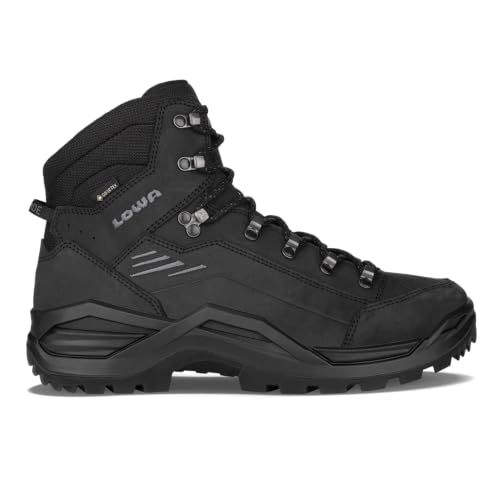
Why It's Our Top Pick: The Lowa Renegade is a legend in the hiking world for a reason. It's a premium, European-made boot that offers an unparalleled balance of lightweight comfort and serious support. If you're tackling multi-day treks with a heavy pack, the Renegade is worth every penny.
Key Specs:
- Waterproofing: GORE-TEX Membrane
- Upper Material: Nubuck Leather
- Outsole: Vibram Evo
- Weight: ~28 oz (pair)
- Best For: Serious hikers, backpacking, and rugged terrain
Our In-Depth Review: The build quality of the Renegade is immediately apparent. The supportive frame and full-length shank provide incredible stability on uneven ground, preventing foot fatigue on long days. Despite its ruggedness, it's surprisingly light and requires minimal break-in. The GORE-TEX lining is flawlessly executed, delivering total waterproofing and good breathability.
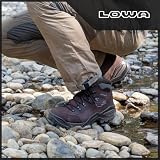
We tested the Renegade on a 5-day backpacking trip with a 40-pound pack. The boot's stability on rocky descents was outstanding, and our feet stayed blister-free thanks to the anatomical footbed. This is the boot to choose when you refuse to compromise on quality.
Pros:
- Exceptional stability and support for heavy packs
- Premium materials and construction quality
- Surprisingly lightweight for its capabilities
- Proven durability over hundreds of miles
Cons:
- Higher price point than competitors
- May be overkill for casual day hikers
7. Best Heritage Work Boot: Red Wing Classic Moc (Waterproof)
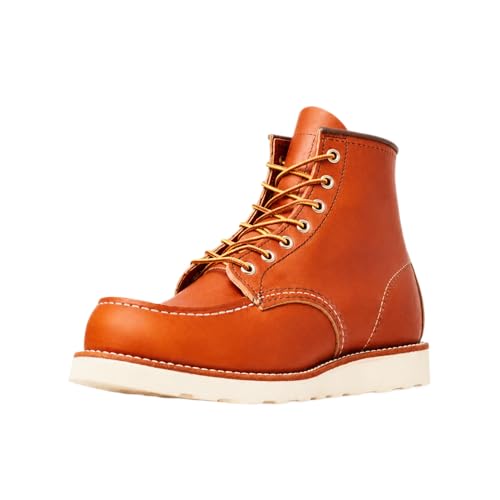
Why It's Our Top Pick: The Red Wing Moc Toe is an American icon. This version takes that timeless style and durability and adds a full waterproof membrane, creating the ultimate boot for those who value heritage and performance. It's built to be worn for years and only gets better with age.
Key Specs:
- Waterproofing: Red Wing Waterproof Membrane
- Upper Material: Full-Grain, Oiled Leather
- Outsole: Traction Tred Cushion Crepe Wedge
- Weight: ~52 oz (pair)
- Best For: Workshop use, tradespeople, and everyday wear for style enthusiasts
Our In-Depth Review: Red Wing's leather quality is second to none. This boot requires a significant break-in period, but your patience is rewarded with a fit that feels custom-molded to your foot. The waterproof lining is a modern update that doesn't compromise the classic look. Like the Thorogood, its Goodyear welt construction means it's an investment that can be resoled for a lifetime of use.

The Traction Tred wedge sole provides excellent comfort on concrete and reduces fatigue during all-day wear. We wore these on wet job sites and rainy commutes—the waterproof membrane kept feet dry while the leather developed a rich patina over time.
Pros:
- Legendary durability and iconic style
- Can be resoled for a lifetime of wear
- Premium, USA-made construction
- Leather ages beautifully with proper care
Cons:
- Long and tough break-in period (2-3 weeks minimum)
- Very expensive compared to other work boots
- Heavy—not ideal for all-day walking
8. Best Pull-On Work Boot: Ariat Groundbreaker H2O
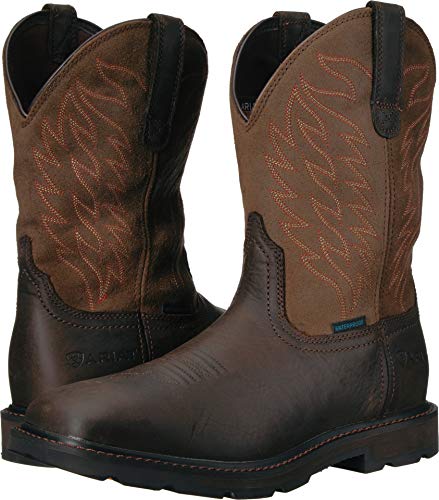
Why It's Our Top Pick: For workers on farms, ranches, or job sites where convenience is key, a pull-on boot is unbeatable. The Ariat Groundbreaker H2O delivers rugged protection and total waterproofing in an easy-on, easy-off package from a brand trusted in the Western and work communities.
Key Specs:
- Waterproofing: Waterproof PRO™ construction
- Upper Material: Full-Grain Leather
- Outsole: Duratread™ oil- and slip-resistant
- Weight: ~40 oz (pair)
- Best For: Farm and ranch work, construction, and general labor
Our In-Depth Review: We found the Groundbreaker to be comfortable right away, with a supportive footbed that cushions the foot and reduces fatigue. The Waterproof PRO™ system creates an impenetrable barrier against wet conditions, making it perfect for trudging through muck and mud. The Duratread™ outsole provides excellent grip on slick surfaces without collecting a lot of debris.

The pull-on convenience can't be overstated—especially when you're wearing them multiple times a day. The elastic side panels provide a secure fit without laces, and the leather upper breaks in quickly without the stiffness of some heritage boots.
Pros:
- Easy to pull on and take off
- Comfortable right out of the box
- Excellent value for a durable work boot
- Waterproof PRO™ system is highly effective
Cons:
- Less ankle support than a lace-up boot
- Cannot be tightened for a custom fit
9. Best for Deep Snow & Extreme Cold: Sorel Caribou

Why It's Our Top Pick: When the snow is deep and the temperatures are truly frigid, you need a specialized tool. The Sorel Caribou is that tool. It's an iconic winter boot known for its incredible warmth and indestructible build, designed to keep your feet warm and dry in the absolute worst winter weather.
Key Specs:
- Waterproofing: Seam-sealed waterproof construction, vulcanized rubber shell
- Upper Material: Waterproof Nubuck Leather
- Insulation: Removable 9mm felt InnerBoot (rated to -40°F/-40°C)
- Weight: ~52 oz (pair)
- Best For: Shoveling snow, winter chores, and life in cold climates
Our In-Depth Review: The Caribou is a beast of a boot. The seam-sealed construction and waterproof rubber lower half are completely impervious to slush and snow. The real star, however, is the thick, removable felt liner. It provides immense insulation, and because it's removable, you can take it out to dry overnight—a critical feature for multi-day use. They are heavy and bulky, but for pure warmth and protection, they are unmatched.

We tested these in sub-zero temperatures during a Canadian winter. After hours of outdoor work in deep snow, our feet stayed warm and completely dry. The herringbone rubber outsole provides surprisingly good traction on packed snow and ice.
Pros:
- Extremely warm with a -40°F rating
- Completely waterproof lower shell
- Removable liner for easy drying
- Proven durability in extreme conditions
Cons:
- Heavy and bulky for everyday walking
- Overkill for mild winter conditions
10. Best for Everyday Casual Wear: Blundstone Thermal Series
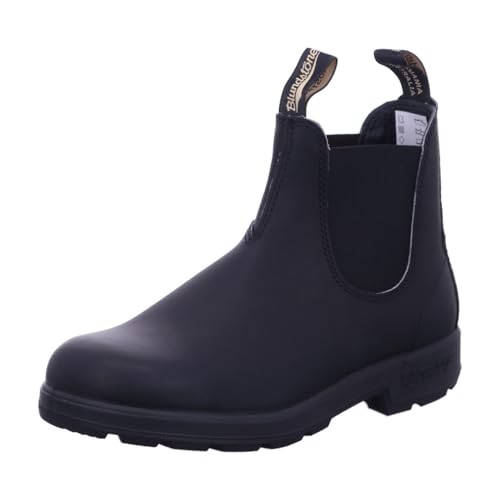
Why It's Our Top Pick: Blundstone's iconic Chelsea boot is a modern classic, and the Thermal Series adds full waterproofing and Thinsulate insulation. They are incredibly easy to pull on, ridiculously comfortable for walking around town, and stylish enough to wear almost anywhere, making them perfect for rough, rainy winters.
Key Specs:
- Waterproofing: Waterproof leather with sealed elastic side panels
- Upper Material: Premium Waterproof Leather
- Insulation: Thinsulate™ lining
- Outsole: Oil, acid, and slip-resistant TPU outsole
- Weight: ~28 oz (pair)
- Best For: Urban commuting, casual wear, light outdoor use
Our In-Depth Review: The Blundstone Thermal Series is all about convenience and style. The slip-on Chelsea boot design means you can get out the door fast, and the waterproof leather and sealed elastic panels keep rain and slush out during city commutes. The Thinsulate™ lining adds warmth without bulk, making these perfect for fall through winter wear.
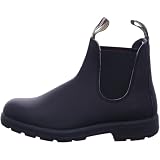
We wore these through rainy city streets, snowy sidewalks, and muddy trails—they handled everything with style. The cushioned footbed provides all-day comfort, and the leather develops a beautiful patina over time. These aren't work boots or serious hiking boots, but for everyday waterproof footwear, they're unbeatable.
Pros:
- Fully waterproof with seam-sealed elastic sides
- Insulated for warmth in cold weather
- Convenient slip-on style
- Durable construction that lasts for years
- Versatile style works with jeans, chinos, or casual workwear
Cons:
- Not suitable for serious hiking or demanding work
- Cannot be tightened like a lace-up boot
- Limited arch support compared to performance boots
11. Best on a Budget: Columbia Newton Ridge Plus II Waterproof

Why It's Our Top Pick: This boot is proof that you don't need to spend a fortune to get reliable waterproof performance. The Newton Ridge is a best-seller for a reason: it's lightweight, comfortable right out of the box, and its Omni-Tech waterproofing handles rain and puddles with ease.
Key Specs:
- Waterproofing: Omni-Tech™ membrane
- Upper Material: Suede Leather and Mesh
- Outsole: Omni-Grip™ rubber
- Weight: ~22 oz (pair)
- Best For: Budget-conscious hikers, casual day hikes, beginners
Our In-Depth Review: The Newton Ridge punches well above its price point. The Omni-Tech™ waterproof membrane kept our feet dry during stream crossings and rainy hikes, and the lightweight construction makes these feel nimble on the trail. The cushioned midsole provides decent comfort, though it's not as plush as premium models.
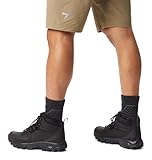
For beginners or occasional hikers who don't want to invest $200+ in boots, the Newton Ridge is an excellent entry point. The build quality is surprisingly good for the price, and the no-break-in-needed comfort means you can hit the trail right away.
Pros:
- Excellent value for the price
- No break-in period required
- Surprisingly durable for an entry-level boot
- Lightweight and comfortable
Cons:
- Offers less support and longevity than premium-priced boots
- Not suitable for heavy backpacking with large loads
- Materials won't last as long as leather boots
How to Choose the Right Waterproof Boots: A Buyer's Guide
how to choose the right waterproof boots
Now that you've seen our picks, here's the knowledge you need to make your own expert choice.
Fit and Comfort
This is your #1 priority. A boot should feel snug but not tight, with enough room to wiggle your toes. Always try boots on at the end of the day (when your feet are slightly swollen) and wear the same thick socks you plan to use on the trail or job site. Your heel should feel locked in and stable, not sliding up and down.
BootsGuru Pro Tip: If you're between sizes, size up for hiking boots (you'll be wearing thicker socks and your feet swell on long hikes). For work boots, stick with your true size for a secure fit.
Waterproofing vs. Breathability
The best boots use a waterproof/breathable membrane like GORE-TEX, KEEN.DRY, or Omni-Tech. These membranes block water from entering while allowing sweat vapor to escape. In warm weather, breathability is just as crucial as waterproofing to prevent your feet from getting soaked from the inside out with sweat.
Important: Even the best waterproof membrane can't save you if you're wading in water above the boot height. Water will simply pour over the top. For deep water or stream crossings above ankle height, consider taller boots or dedicated waders.
Boot Height: Low, Mid, or Tall?
Boot height affects both waterproof coverage and ankle support:
- Low-cut (below ankle): Lighter weight, more breathable, less ankle support. Best for well-maintained trails and fast hiking.
- Mid-cut (ankle height): The sweet spot for most hikers—provides ankle support and protection without excessive weight. Best for day hikes and backpacking.
- Tall boots (8" or higher): Maximum waterproof coverage, best ankle support, heavier. Ideal for deep snow, wet job sites, or rugged mountaineering.
For most users, a mid-cut boot (6-7 inches) provides the best balance of support, protection, and comfort.
Outsole and Traction
The bottom of the boot is where the rubber meets the road—literally. Deep, widely spaced lugs are excellent for shedding mud and gripping loose terrain. For work on slick surfaces, look for outsoles certified as "slip-resistant" or "oil-resistant." Brands like Vibram are an industry standard for excellent grip and durability.
Tread patterns to look for:
- Aggressive multi-directional lugs: Best for hiking on varied terrain (mud, rock, loose dirt)
- Flat or low-profile tread: Better for work boots on concrete, reduces fatigue
- Heel brake lugs: Angled lugs at the heel provide extra grip on steep descents
Insulation (When Do You Need It?)
Remember, "waterproof" does not mean "warm." If you'll be in cold or snowy conditions, you need boots with insulation, measured in grams (e.g., 200g Thinsulate™).
- No insulation: Best for spring/summer/fall, active use, warmer climates
- 200g insulation: Light insulation for moderate cold (30–50°F) and active use
- 400g insulation: Medium insulation for cold weather (0–30°F) and moderate activity
- 600g+ insulation: Heavy insulation for extreme cold (-20–0°F) and low activity (standing, ice fishing)
For summer use, an uninsulated boot is a must—you'll overheat quickly in insulated boots during warm weather.
Construction Quality: What to Look For
How a boot is constructed determines its durability and repairability:
- Goodyear Welt: Traditional stitched construction that can be resoled multiple times. Found in heritage work boots like Red Wing and Thorogood. Heavy but incredibly durable.
- Cement Construction: Outsole is glued to upper. Lighter weight, more flexible, but cannot be resoled. Common in modern hiking boots.
- Stitchdown: Upper leather is stitched directly to midsole. Can be resoled, provides a wider platform for stability.
If you want a boot that lasts 10+ years with proper care, choose Goodyear welt construction. For lightweight performance and don't mind replacing after 2-3 years, cement construction works great.
Frequently Asked Questions (FAQ)
How long does boot waterproofing last?
The internal membrane like GORE-TEX should last the life of the boot with proper care. However, the outer water-repellent coating (DWR) will wear off over time. You can easily reapply it with a waterproofing spray to keep the outer material from getting saturated, which helps the boot breathe better.
Can I make my old boots waterproof?
You can make them highly water-resistant with waxes or sprays like Nikwax or Sno-Seal, which is effective for light rain and splashes. However, you can't make them truly waterproof like a boot with a built-in membrane and sealed seams. Waterproofing treatments work best on leather—synthetic materials don't absorb treatments as effectively.
Why do my feet still get wet in waterproof boots?
There are three common culprits:
- Sweat buildup: If your boots aren't breathable enough or you're overheating, your feet can get soaked from sweat. Choose boots with breathable membranes and avoid over-insulated boots in warm weather.
- Water over the top: In very deep water or heavy downpours, water can get in over the top of the boot. Taller boots or gaiters can help.
- Worn-out waterproofing: Over time, the DWR coating wears off and the outer material "wets out" (absorbs water). This blocks breathability and can make it feel like the boot is leaking. Re-apply waterproofing treatment.
What's the difference between waterproof and water-resistant boots?
Waterproof boots have a sealed membrane (like GORE-TEX or KEEN.DRY) that completely blocks liquid water from entering, even during submersion or prolonged exposure. Water-resistant boots use treated materials that repel water temporarily but will eventually saturate in heavy rain or deep puddles. For serious wet conditions, always choose waterproof, not just water-resistant.
Are GORE-TEX boots worth the extra money?
Yes, if you'll be in consistently wet conditions. GORE-TEX is the gold standard for waterproof/breathable membranes and has decades of proven performance. However, proprietary membranes like KEEN.DRY, Danner Dry, and Columbia Omni-Tech perform nearly as well at lower price points. For casual use, these alternatives offer excellent value. For professional use or serious backpacking, GORE-TEX's reliability is worth the premium.
Best waterproof boots for wide feet?
The KEEN Targhee III Waterproof is our top pick for wide feet thanks to its generous toe box and wide platform. Other excellent wide-fit options include the Merrell Moab 3 Mid Waterproof Wide and Salomon X Ultra 4 GTX Wide. Always look for boots explicitly offered in "Wide" sizing rather than just sizing up.
How do I re-waterproof my boots at home?
Follow these steps:
- Clean thoroughly: Remove dirt and mud with a brush and mild soap. Let dry completely.
- For leather boots: Apply a waterproofing wax like Sno-Seal or Obenauf's. Warm the boot slightly (NOT with direct heat) and rub the wax into the leather. Let it soak in overnight.
- For synthetic boots: Use a spray-on treatment like Nikwax TX.Direct or Granger's Performance Repel. Apply evenly and let dry for 24 hours.
- For best results: Re-apply waterproofing every 20-30 days of heavy use or whenever water stops beading on the surface.
Can I wear waterproof boots in summer?
Yes, but choose uninsulated waterproof boots with breathable membranes like GORE-TEX. Avoid boots with Thinsulate or other insulation—you'll overheat quickly. Lightweight hikers like the Salomon X Ultra 4 GTX or Columbia Newton Ridge Plus II are great summer waterproof options because they're breathable and uninsulated.
How should waterproof boots fit?
Your heel should be locked in place with no slipping, but your toes should have about a thumb's width of space at the front when standing. The boot should feel snug across the midfoot but not tight. Always try boots on with the socks you'll actually wear (thick hiking socks or work socks) and walk around for at least 10 minutes to test for pressure points.
Our Final Verdict
While every boot on this list is a fantastic choice, the Danner Mountain 600 stands out as our top overall pick for its unbeatable blend of out-of-the-box comfort, versatile style, and reliable waterproofing. It's the one pair of boots that can handle everything from rainy city streets to muddy trails.
If your needs are more specific, like all-day protection on a construction site, you can't go wrong with the rugged, American-made Thorogood American Heritage Waterproof Moc Toe. For serious backpacking, the legendary support of the Lowa Renegade GTX is unmatched. And if you need maximum cushioning for joint protection, the Hoka Anacapa 2 Mid GTX delivers unparalleled comfort on long hikes.
The most important thing is to match the boot to your mission. By understanding the technology, honestly assessing your needs, and considering factors like fit, insulation, and construction quality, you're now ready to invest in a pair of boots that will keep your feet dry and comfortable for years to come.
Stay dry out there, and happy trails (or job sites)!