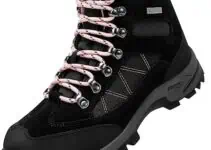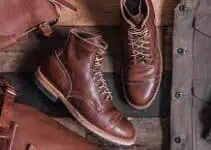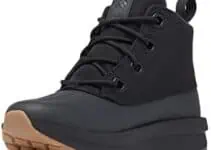
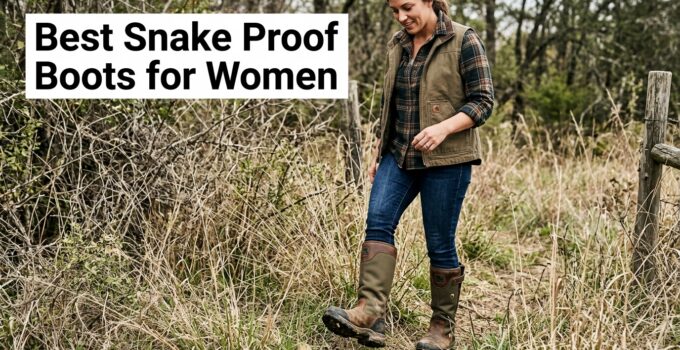
Over 85% of venomous snakebites in the United States occur on feet and ankles, with the majority of lower-body strikes landing between the ankle and the knee. For women who hunt, farm, hike, or work in snake country, this is not a theoretical statistic. It is the probability that shapes every hour spent in brushy terrain, tall grass, rocky outcrops, and edge habitat where cottonmouths, rattlesnakes, and copperheads are active.
The right snake boot genuinely works. Studies of documented snakebite incidents consistently show that properly constructed snake boots prevent fang penetration in the vast majority of strike attempts on the lower leg. The challenge for women is that most snake boot articles are written for a generic audience, and the differences between men’s and women’s boot construction — heel cup security, instep height, calf taper, shaft height relative to leg length — are not minor comfort considerations. They are safety considerations. A heel that lifts creates a gap at the ankle collar. A shaft that bags on a narrower calf rides lower than intended. A boot that is uncomfortable to wear is a boot that gets left in the truck.
⚠️ Safety-critical article: Every boot in this guide has been selected specifically because it is marketed and tested as snake-proof construction by established manufacturers. Standard rubber boots, neoprene hunting boots, and leather hiking boots are NOT snake-proof regardless of thickness. If a boot is not specifically tested and sold as snake-proof, it does not belong in a snake-country kit. This distinction is covered in full below — please read it before purchasing.
This guide covers the science first — what actually makes a boot snake-proof, why neoprene is not an acceptable protection material, why 360° coverage matters, and what the strike zone data says about shaft height. Then six specifically verified women’s snake boots organised by use case: turkey hunting, duck and marsh hunting, leather pull-on traditional, lightweight hiking, budget, and the waterproof-first rubber option. Plus the gaiter alternative that most boot guides refuse to honestly recommend.
⚡ Quick Picks — Best Snake Proof Boots for Women 2026
| Best For | Boot | Coverage | Shaft | Price |
|---|---|---|---|---|
| Best overall women’s snake boot | Muck Boot Pursuit Snake Proof | 360° | 16″ | ~$160 |
| Best premium / leather | Danner Pronghorn Snake Side-Zip | 360° | 17″ | ~$250 |
| Best duck hunting / marsh / rubber | LaCrosse Women’s Alphaburly Pro 15″ | 360° | 15″ | ~$190 |
| Best lightweight / hiking / turkey | Irish Setter Women’s VaprTrek | 360° | 17″ | ~$175 |
| Best traditional / Vipercloth | Chippewa Women’s 15″ Pull-On | 360° | 15″ | ~$195 |
| Best budget | Rocky Women’s Spike WP Snake Boot | 360° | 16″ | ~$120 |
Table of Contents
- The Neoprene Warning — What Is NOT Snake Proof
- How Snake Boots Actually Work
- Material Safety Hierarchy Table
- 360° vs. Partial Coverage — the Back-of-Leg Gap
- The Snake Strike Zone — Shaft Height Science
- Women’s Fit Guide — Why Sizing Down Is a Safety Issue
- Use-Case Guide — Which Boot for Your Activity
- The 6-Question Decision Framework
- Best Overall: Muck Boot Pursuit Snake Proof
- Best Premium / Leather: Danner Pronghorn Side-Zip
- Best Duck / Marsh: LaCrosse Women’s Alphaburly Pro 15″
- Best Lightweight / Hiking: Irish Setter Women’s VaprTrek
- Best Traditional / Vipercloth: Chippewa Women’s 15″
- Best Budget: Rocky Women’s Spike WP
- The Zipper Weak Point Guide
- Snake Gaiters — The Legitimate Alternative
- Break-In Protocol for Stiff Snake Boots
- If You Are Bitten Despite Wearing Snake Boots
- Boot Care and Maintenance
- FAQ — 10 Questions
The Neoprene Warning: What Is NOT Snake Proof – and Why This Matters More Than Anything Else in This Guide
women comparing snake proof boots 202606030803
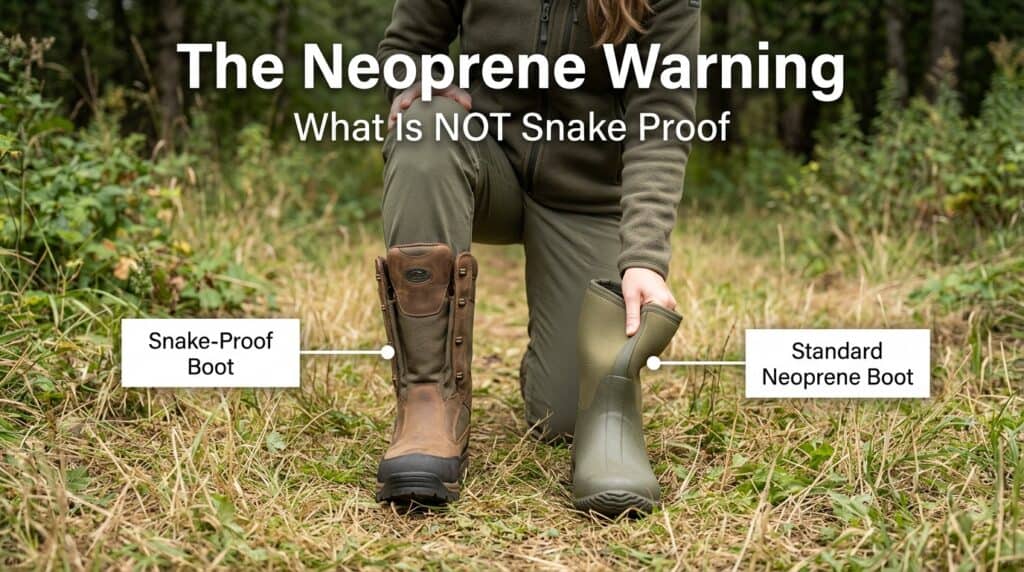
The most dangerous piece of misinformation in the snake boot market is the assumption that thick rubber or neoprene hunting boots provide snake bite protection. They do not. The distinction between a snake-proof boot and a standard rubber or neoprene hunting boot is not a matter of degree — it is the difference between protection and none at all.
Standard neoprene — the material used in most Muck Boot models, most rubber hunting boots, and most waterproof pull-on farm boots — is soft, compressible, and specifically designed to flex around the foot. A venomous snake’s fang is a hypodermic needle driven by muscular force estimated at 150–200 pounds per square inch of strike pressure. Neoprene offers essentially no mechanical resistance to this force. A fang will penetrate standard neoprene as easily as it penetrates a rubber glove.
⚠️ The Specific Boots That Women Commonly Mistake for Snake Proof
NOT snake proof: Standard Muck Boot Classic, Muck Boot Chore, Muck Boot Arctic, Bogs Classic High, rubber farm boots of any height, standard neoprene hunting boots, Lacrosse Burly/Alphaburly without snake guard designation, standard leather work boots, hiking boots, and any boot not specifically marketed and tested as “snake proof” by the manufacturer.
The one exception: The Muck Boot Pursuit Snake Proof is the specific Muck Boot model that uses genuine snake-proof construction. It has a completely different protective inner layer from standard Muck models. Do not assume any other Muck Boot is snake proof because the Pursuit is.
How Snake Boots Actually Work: The Material Science and What “Snake Proof” Honestly Means
Genuine snake boots work through one of several proprietary layered construction systems that create a mechanical barrier between the fang and the wearer’s leg. The key word is layered — no single material provides adequate snake-proof protection. It is the combination of materials, and the way they are assembled, that stops a fang.
The Protective Materials Used in Verified Snake Boots
Vipercloth (Chippewa): A proprietary woven material embedded within the boot shaft construction, specifically engineered to deflect fang penetration. The tightly interlocked weave geometry causes a fang to deflect rather than penetrate even under the pressure of a full snake strike. Used in Chippewa snake boots since their inception as the protection layer between the outer leather and the inner lining.
Snake Guard (LaCrosse, Rocky, Irish Setter): A chainmail-style woven inner layer of high-tenacity synthetic fibres that deforms around the fang without allowing penetration through the shaft. Used across the LaCrosse Alpha Agility, Rocky Spike, and Irish Setter VaprTrek lines. The Snake Guard layer is applied 360° around the shaft in premium models.
Vulcanized rubber construction (Muck Boot Pursuit): The rubber shell itself is the protective layer in the Muck Boot Pursuit — constructed at a thickness and vulcanization level specifically tested to resist fang penetration, as opposed to the standard neoprene/rubber blend of non-snake-proof Muck models.
900D nylon (Irish Setter VaprTrek): Heavy-duty ballistic nylon at 900-denier specification used as the outer layer in conjunction with the Snake Guard inner layer. The nylon provides the first point of fang contact and distributes force before the Snake Guard layer receives it.
The Honest Truth About “Snake Proof” Claims
There is no OSHA or ASTM government standard for snake bite resistance in footwear. The “ASTM-certified” language on some boot listings refers to separate standards for outsole puncture resistance, impact resistance, and compression — not snake bite protection specifically. Genuine snake boot protection is tested by manufacturers using mechanical fang simulators pressed against the material at forces approximating a venomous strike. The most credible brands — LaCrosse, Rocky, Danner, Chippewa, Muck Boot Pursuit — have long-documented testing methodologies and industry reputations behind their snake-proof claims. No boot is 100% guaranteed — there are no boots that claim to prevent every possible strike under every possible condition. But boots from these established brands using the above protection systems dramatically reduce the risk of fang penetration in the strike zone they cover.
Material Safety Hierarchy: What the Data Says About Each Boot Material
| Material | Snake Proof? | Why / Why Not | Examples |
|---|---|---|---|
| Vipercloth inner layer | ✅ YES | Proprietary woven barrier — fang deflects on contact; does not compress under strike force | Chippewa Women’s 15″ |
| Snake Guard chainmail weave | ✅ YES | High-tenacity fibre weave deforms around fang without penetration; 360° when properly applied | LaCrosse, Rocky Spike, Irish Setter VaprTrek, Danner Pronghorn |
| Vulcanized rubber (snake-rated) | ✅ YES | Specific thickness and vulcanization level tested to resist fang penetration — different from standard rubber | Muck Boot Pursuit Snake Proof only |
| 900D nylon outer layer | ✅ YES (with Snake Guard) | Ballistic nylon distributes force on contact; must be combined with Snake Guard inner layer | Irish Setter VaprTrek |
| Full-grain leather (outer, no inner barrier) | ⚠️ CAUTION | Thick full-grain leather provides some resistance but is NOT a tested snake-proof barrier alone; must include inner protection layer | Work boots, cowboy boots |
| Standard neoprene | ❌ NO | Soft and compressible; offers no resistance to fang penetration force; the most dangerously misleading material in hunting boot marketing | Most Muck Boots, most rubber hunting boots |
| Standard synthetic mesh | ❌ NO | No fang resistance; used in hiking boot uppers | All hiking boots without snake guard |
| Thin synthetic hunting boot | ❌ NO | Lightweight hunting boot materials not tested for fang resistance | Standard turkey, deer hunting boots |
360° Coverage vs. Front-Panel Only: The Back-of-Leg Gap That Puts Women at Risk
women’s snake proof boot comparison 202606030804
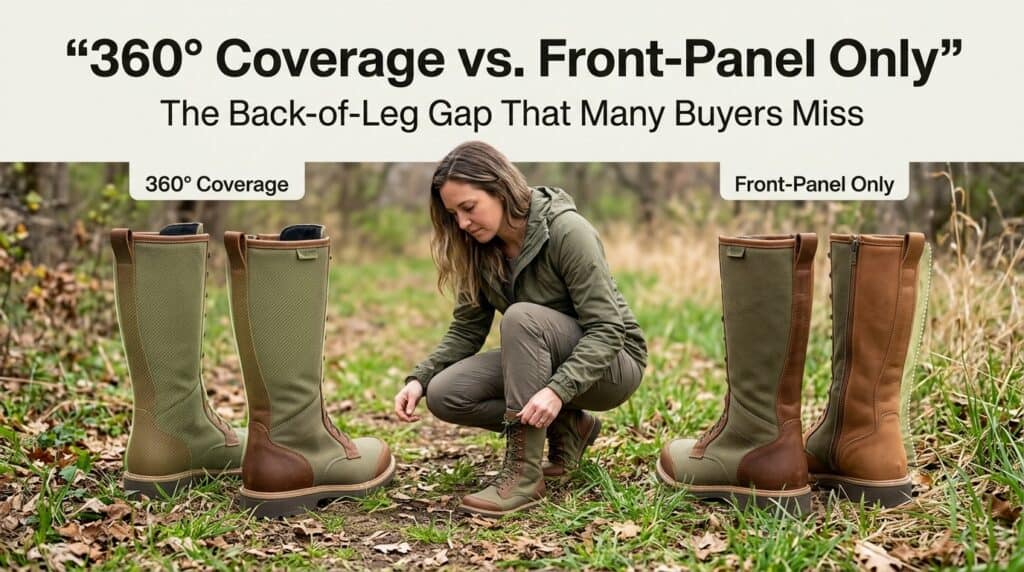
Many snake boots protect only the front and sides of the shaft, with the back of the calf constructed from standard leather, rubber, or synthetic that has not been tested for fang penetration. This is not a marginal limitation — it is a specific protection gap at a specific part of the body.
Snakes do not only strike from the front. A boot that disturbs a snake resting in vegetation receives a strike from whatever direction the snake is positioned — behind the leg as easily as in front of it. A snake at rest near a trail may be stepped on from any angle. The rear of the calf is an equally probable strike zone as the front, and a boot that protects only the front and sides leaves a known gap at a known risk area.
How to identify 360° vs. partial coverage in a product listing: Look specifically for language reading “360° Snake Guard,” “full-circumference snake protection,” or equivalent. If the listing does not specify 360° coverage, assume it is partial. For the boots in this guide, 360° status is specified in each review. All six picks in this guide provide 360° verified protection.
The zipper consideration: A side-zipper creates a seam running the full length of the shaft. If that zipper is not backed by a protective gusset layer, it is a gap in an otherwise 360° protected boot. The specific zipper construction guide is covered in a dedicated section below.
The Snake Strike Zone: What the Data Says About Shaft Height
Research published in Wilderness & Environmental Medicine and CDC snakebite surveillance data consistently show that over 85% of venomous snakebites in the United States occur on feet and ankles, with the majority of lower-body strikes concentrated between the ankle and the knee. Specifically, approximately 68% of lower-body strikes occur in the first 8 inches above ground level — the ankle-to-mid-calf zone.
This data has specific implications for shaft height selection, particularly for women whose leg proportions differ from the male body that most boot shaft measurements were designed around.
| Women’s Height | Recommended Shaft | Notes |
|---|---|---|
| Under 5’2″ | 14–15 inches | A 16″ shaft on shorter women may reach the back of the knee when seated, restricting movement and discouraging wear — the worst safety outcome |
| 5’2″–5’6″ | 15–16 inches | The standard range — covers the 68% primary strike zone with several inches of margin; the sweet spot for most women |
| 5’6″–5’10” | 16–17 inches | A 15″ shaft sits lower on taller women; 16″ provides appropriate below-knee coverage; 17″ for maximum margin |
| Over 5’10” | 17–18 inches | A 16″ shaft may sit at mid-calf rather than near the knee; 17–18″ provides true knee-proximity coverage and broader protection margin |
The gaiter alternative for height considerations: Snake gaiters worn over hiking boots can be adjusted to provide exactly the coverage zone needed regardless of height. For women who find boot shaft height fitting problematic, gaiters offer a customisable coverage solution — see the gaiter section below.
Women’s Fit Guide: Why Sizing Down from Men’s Boots Is a Safety and Comfort Compromise
women’s snake boots fit guide 202606030805
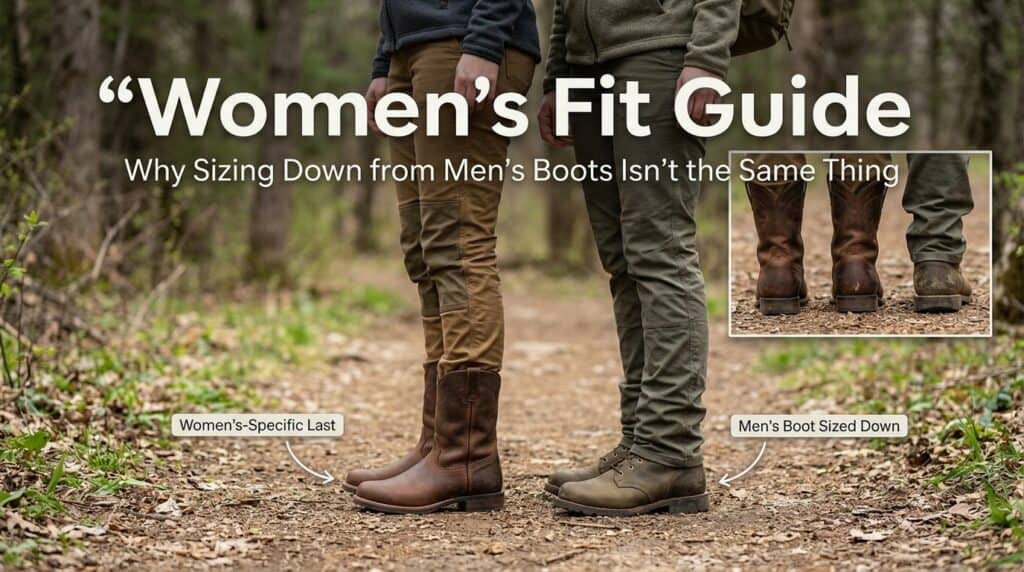
Women’s and men’s feet differ in more than shoe size. Women’s feet typically have a narrower heel relative to forefoot width, a lower instep height, and proportionally different calf-to-ankle ratios. Snake boots built on men’s lasts and offered in women’s sizes without changes to the last geometry do not address these differences — and for snake boots specifically, the fit consequences are not just comfort issues.
The heel cup problem: A boot with a heel cup sized for a man’s wider heel leaves excess volume at the back of a woman’s narrower heel. This causes the heel to lift within the boot on each step. In a snake boot, a lifting heel creates a gap at the ankle collar — exactly the area where snakes most commonly strike. A heel that moves is a boot that cannot be relied upon to cover the ankle consistently during field movement.
The shaft position problem: Women’s calves tend to be proportionally narrower relative to height than men’s. A men’s shaft in a converted women’s size may bag at the calf, causing the shaft to ride lower on the leg than the specification suggests. A 16″ shaft that bags on a narrow calf may effectively protect to 14″ or less.
What to look for: Seek boots specifically described as being built on a women’s last — not men’s boots available in women’s sizes. Danner, LaCrosse, Rocky, and Irish Setter all produce their primary snake boot models on women’s specific lasts for the women’s versions. The heel cup dimensions, instep height, and calf shaft taper will all be better matched to women’s anatomy.
Use-Case Guide: Which Snake Boot for Your Specific Activity
| Activity | Primary Requirements | Best Boot Type | Best Pick |
|---|---|---|---|
| Turkey / upland hunting | Lightweight, long-distance walking, breathability, hot conditions | 900D nylon with Snake Guard; Gore-Tex preferred | Irish Setter VaprTrek |
| Duck / marsh hunting | Full waterproofing, standing water, rubber construction | Snake-rated rubber or neoprene | LaCrosse Alphaburly Pro 15″ or Muck Pursuit |
| Farming / ranching / landowner | Durability, easy on/off, long day comfort, mixed terrain | Pull-on leather or rubber; comfortable for all-day wear | Chippewa Women’s 15″ or Muck Pursuit |
| Trail hiking in snake country | Hiking performance, snake protection, balance and trail feel | Lightest snake boot available OR snake gaiters over hiking boots | Irish Setter VaprTrek or gaiters |
| Investment / premium leather | Decades of service, Gore-Tex, premium construction, maximum protection | Goodyear welt leather with 360° Snake Guard | Danner Pronghorn |
| Occasional / property / casual | Accessible price, comfortable for short use, easy entry | Budget 360° snake-rated boot | Rocky Women’s Spike WP |
The 6-Question Snake Boot Decision Framework
Q1: What is your primary use? Turkey/upland hunting → lightweight nylon (Irish Setter VaprTrek). Duck/marsh → rubber (LaCrosse Alphaburly Pro, Muck Pursuit). Farming/ranching/daily outdoor → leather or rubber pull-on (Chippewa, Muck Pursuit). Hiking in snake country → consider gaiters over your current hiking boot. Occasional/casual → budget rubber or nylon (Rocky Spike).
Q2: Do you need full waterproofing? Yes (standing water, marsh, heavy rain) → rubber construction (LaCrosse Alphaburly Pro, Muck Pursuit) or Gore-Tex lining (Danner, Irish Setter VaprTrek). Occasional moisture only → DWR-treated nylon or leather adequate.
Q3: What closure suits your use? Easiest entry/exit → pull-on (Chippewa Women’s 15″) or side-zip with gusseted protection (Danner Pronghorn). Maximum protection continuity → pull-on (no zipper weak point). Hiking performance → lace-up with zip option (Danner Pronghorn).
Q4: How often will you wear them? Daily or weekly → premium leather investment (Chippewa, Danner) — durability justifies cost. Weekly or less → mid-range (Irish Setter, LaCrosse). Occasional/seasonal → budget tier (Rocky Spike).
Q5: What is your budget? Under $130 → Rocky Women’s Spike. $130–$180 → Irish Setter VaprTrek or Muck Boot Pursuit. $180–$220 → LaCrosse Alphaburly Pro or Chippewa Women’s 15″. Over $230 → Danner Pronghorn.
Q6: Do you have wide calves? Most snake boots use standard lasts. Women with wide calves should look for side-zip construction (zip accommodates variable calf widths) or models with adjustable gussets. Verify shaft circumference specifications before ordering.
Best Overall Women’s Snake Boot: Muck Boot Pursuit Snake Proof
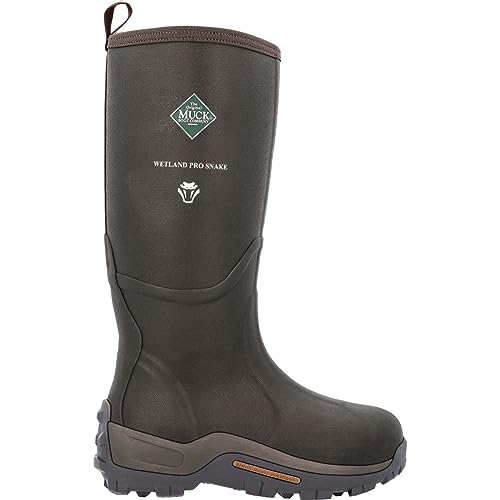
The Muck Boot Pursuit Snake Proof is the single most important product distinction in this entire guide — because it is the one Muck Boot that is genuinely snake proof, and the surrounding context of dozens of Muck Boot models that are not creates the most dangerous buying confusion in the women’s outdoor boot market. The Pursuit uses a specific vulcanized rubber construction tested for fang penetration resistance that is fundamentally different from every other Muck Boot model. Its 360° protection covers the full circumference of the shaft — no front-panel-only shortcuts, no neoprene in the strike zone. The result is a rubber pull-on boot that provides genuine snake protection alongside the comfort and waterproofing characteristics that have made Muck Boot the dominant brand in waterproof outdoor boots.

The rubber construction that makes the Pursuit snake proof also makes it 100% waterproof — no seams, no membrane to fail, no DWR treatment to reapply. This is the specific advantage for farming and ranching women who work through standing water, mud, and wet vegetation as a daily condition. The boot slides on and off quickly without lacing or zipping — a practical advantage when boots must be removed frequently during barn work, field checking, and property work. The 16″ shaft provides coverage in the full primary snake strike zone with 8 inches of margin above the ankle.

Sizing note: verify women’s availability for your size, as the Pursuit’s women’s sizing has had varying stock availability. The rubber construction has no break-in period — the boot is comfortable from day one. Unlike leather snake boots, the Pursuit does not form to the individual foot over time, but its consistent fit from the first wear is a practical advantage for women who need a boot that works immediately without a break-in investment.
Protection Specs
Coverage: 360° full circumference | Protection material: Snake-rated vulcanized rubber
Shaft height: 16″ | Waterproof: ✅ 100% rubber — inherent
Closure: Pull-on (no zipper weak point) | Break-in: None
✅ Best for: Farming · Ranching · Duck/marsh hunting · Mixed outdoor use with daily wet conditions
Pros: The only Muck Boot that is genuinely snake-proof — critical distinction; 100% waterproof rubber construction; 360° protection; pull-on for farming and daily use convenience; no break-in period.
Cons: Rubber construction warmer than nylon alternatives in hot conditions; does not breathe like nylon/Gore-Tex options; women’s sizing may have limited availability in some sizes.
Best Premium / Leather: Danner Pronghorn Snake Side-Zip

The Danner Pronghorn Snake Side-Zip is the premium investment pick for women who spend significant time in snake country and want a boot built to last decades rather than seasons. Danner’s 360° Snake Guard provides full-circumference protection around the entire shaft — no coverage gaps, no rear-panel shortcuts. The Gore-Tex lining provides guaranteed waterproofing that does not degrade over time the way DWR treatments on leather do. The side-zip construction makes entry and exit faster than a full pull-on while maintaining protection integrity through a gusseted zipper construction — the inner protective layer extends behind the zipper track so even if a fang penetrates the zipper itself, it meets a second barrier of Snake Guard material behind it.

The 17″ shaft provides maximum coverage for women of average to tall height — sitting comfortably below the knee for women up to approximately 5’8″, providing excellent coverage margin in the primary snake strike zone. Danner’s women’s last construction on their Pronghorn line addresses the heel cup, instep, and calf taper differences that matter for women’s fit security. Full-grain leather with Gore-Tex: the leather provides abrasion resistance and field durability; the membrane provides the waterproofing. Vibram outsole for the field traction that hunting and outdoor work requires.

The break-in investment is real for premium leather — plan 2–4 weeks of graduated wear before using the Pronghorn for a full day’s hunting. The ankle flex crease (the line where the leather bends with each step) is the primary break-in location; condition this area specifically and allow the leather to soften naturally rather than forcing it. The service life of a Danner Pronghorn with proper care is measured in decades, making the upfront price the cheapest long-term cost in this guide. Sizing: Danner women’s lasts run true to size; size half up if wearing heavy boot socks.

Protection Specs
Coverage: 360° Snake Guard | Protection material: Danner 360° Snake Guard chainmail layer
Shaft height: 17″ | Waterproof: ✅ Gore-Tex membrane
Closure: Side-zip with gusseted zipper protection | Outsole: Vibram
Women’s last: ✅ Yes | Break-in: 2–4 weeks graduated wear
✅ Best for: Premium investment · Extended field use · Women spending significant time in serious snake country
Pros: 360° Snake Guard full circumference; Gore-Tex waterproofing that lasts; gusseted side-zip protection; Vibram outsole; women’s specific last; multi-decade service life with proper care.
Cons: Premium price; 2–4 week break-in period; heavier than nylon alternatives.
Best Duck Hunting / Marsh / Full Rubber: LaCrosse Women’s Alphaburly Pro 15″
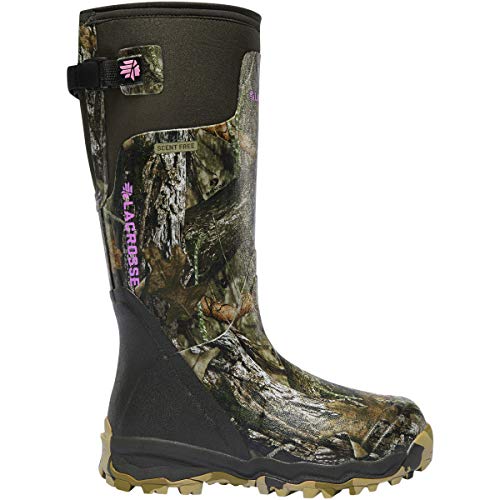
The LaCrosse Alphaburly Pro is the premier rubber hunting boot in the LaCrosse lineup, and the women’s version brings LaCrosse’s genuine snake-proof construction to the duck marsh, the flooded timber, and the wet bottomland where cottonmouths and water moccasins share the habitat with waterfowl. The 15″ rubber shaft provides coverage at the correct height for most women of average height, with LaCrosse’s snake guard protection integrated into the boot construction for the full-circumference protection that duck hunters working in snake-active habitats require. The rubber construction is inherently 100% waterproof — essential for women standing in water and mud for hours during duck season, where no leather or membrane boot can fully compete with rubber for sustained submersion.

LaCrosse’s Alphaburly series has been tested specifically in marsh environments where the rubber exterior contacts submerged vegetation, mud bottom, and the constant moisture exposure that duck hunting involves from before sunrise to after sunset. The pull-on construction — with the wide opening that the Alphaburly’s profile accommodates — makes entry and removal manageable even with cold hands and in low light at a marsh blind. The neoprene bootie liner inside the rubber shell provides insulation for cold-morning duck hunting without compromising the rubber shell’s waterproofing. This insulation is the key distinction from the Muck Pursuit — the Alphaburly Pro is specifically designed for the temperature conditions of late-season waterfowl hunting, where the Muck Pursuit is more comfortable in warmer conditions.

The women’s version of the Alphaburly Pro is built on a women’s-specific last rather than a scaled-down men’s boot, addressing the heel cup and calf taper differences that affect both comfort and protection reliability for women in extended field conditions. The outsole provides the self-cleaning lug traction that marsh and bottomland terrain demands — the lugs clear mud and vegetation with each step rather than packing and becoming slippery. For women who hunt near water in regions with cottonmouths, water moccasins, and rattlesnakes, the LaCrosse Alphaburly Pro is the most complete protection and performance package available.

Protection Specs
Coverage: 360° full circumference (rubber shell) | Protection material: LaCrosse snake-rated rubber construction
Shaft height: 15″ | Waterproof: ✅ 100% rubber — inherent
Insulation: Neoprene bootie liner for cold-weather waterfowl | Closure: Pull-on
Women’s last: ✅ Yes | Break-in: Minimal
✅ Best for: Duck hunting · Marsh hunting · Flooded timber · Bottomland in snake country
Pros: 100% waterproof rubber for sustained water exposure; snake-rated full rubber construction; insulated neoprene liner for cold-morning waterfowl hunting; women’s last; LaCrosse’s documented snake protection standards.
Cons: Rubber construction warmer than desired for hot-weather use; heavier than nylon alternatives; 15″ shaft sits lower on tall women — verify height appropriateness.
Best Lightweight / Hiking / Turkey Hunting: Irish Setter Women’s VaprTrek

For women who cover significant mileage in snake country — turkey hunters walking brush country before dawn, hikers passing through rattlesnake habitat, upland bird hunters covering miles of prairie — the Irish Setter Women’s VaprTrek is the lightest genuine snake boot in this guide. The 900-denier nylon outer layer combined with the Snake Guard inner layer provides 360° full-circumference snake protection in a boot that weighs dramatically less than leather alternatives. The weight difference compounds across a full day’s hunting: a pair of boots that is 20–30% lighter than a leather snake boot saves meaningful fatigue over 8 miles of pre-dawn turkey scouting.

The Gore-Tex waterproof membrane provides breathable waterproofing — genuine vapour transmission that reduces the heat buildup that non-breathable rubber boots accumulate in warm conditions. For turkey hunting in April and May, when temperatures can rise rapidly from pre-dawn cold to afternoon heat, breathable waterproofing outperforms non-breathable rubber for sustained comfort throughout the hunting day. The 17″ shaft provides full coverage with margin — a protective height that is appropriate for women of average to taller height without the restriction concern that applies to very short women.

The women’s last on the Irish Setter VaprTrek Women’s version is built specifically for women’s foot geometry — not a men’s boot offered in women’s sizes. The outsole provides the field traction needed for the mixed terrain of upland hunting: hardpack trails, loose soil edges, rocky outcrops, and the tall grass and brush where turkey hunting takes place. Break-in for the nylon construction is significantly faster than leather — most women report the VaprTrek comfortable for extended field use within 3–5 days of initial wear, compared to 2–4 weeks for premium leather alternatives.

Protection Specs
Coverage: 360° Snake Guard | Protection material: 900D nylon outer + Snake Guard inner layer
Shaft height: 17″ | Waterproof: ✅ Gore-Tex breathable membrane
Closure: Lace-up | Women’s last: ✅ Yes | Break-in: 3–5 days
✅ Best for: Turkey hunting · Upland bird hunting · Hiking in snake country · High-mileage outdoor activity
Pros: Lightest genuine snake boot in guide; 360° Snake Guard + 900D nylon; Gore-Tex breathable waterproofing for warm-weather hunting; women’s last; fast break-in vs. leather alternatives.
Cons: Nylon less abrasion-resistant than leather for heavy brush; lace-up closure slower than pull-on for frequent boot removal; lighter construction means less insulation for cold-weather use.
Best Traditional / Vipercloth: Chippewa Women’s 15″ Pull-On Snake Boot

Chippewa’s Vipercloth construction is the oldest and most established protective technology in the snake boot category — the proprietary woven barrier material that Chippewa developed and refined across decades of snake boot production. The Vipercloth layer is woven into the shaft construction rather than applied as a separate panel, providing the full-circumference protection that 360° coverage requires without the weight of adding separate protective panels. For women who want the traditional leather snake boot in a pull-on format without a zipper weak point to account for, the Chippewa 15″ pull-on delivers the proven protection system in the most straightforward boot format available.

Full-grain leather construction provides the long-term durability that makes a Chippewa snake boot a genuine multi-year investment. The leather conditions and forms to the individual foot over time, creating the custom fit that leather boots are specifically known for — a fit that pull-on rubber boots, which maintain a fixed shape, cannot replicate. The 15″ shaft is appropriate for women of average height in the 5’2″–5’6″ range, providing solid coverage in the primary strike zone. Taller women may prefer the 17″ VaprTrek or the LaCrosse alternatives for additional coverage height. The pull-on construction eliminates the zipper weak point that requires careful evaluation in side-zip alternatives.

The break-in period for the Chippewa leather construction is the most demanding in this guide — plan 3–4 weeks of graduated wear, starting with 1–2 hour indoor sessions, before using the boot for a full day’s field work. The ankle flex crease is the primary break-in point; apply leather conditioner specifically to this area before the first wear and after each of the first five outings. Verify the specific Chippewa Women’s model ASIN before purchase — Chippewa’s women’s snake boot line has been updated over time and current availability should be confirmed. Sizing: Chippewa snake boots typically run slightly narrow; women with wide forefeet should size half up.

Protection Specs
Coverage: 360° Vipercloth | Protection material: Chippewa Vipercloth proprietary woven barrier
Shaft height: 15″ | Waterproof: DWR leather treatment (not membrane-waterproof)
Closure: Pull-on (no zipper weak point) | Break-in: 3–4 weeks graduated wear
✅ Best for: Traditional leather preference · Pull-on convenience · Farming · Ranching · Hunting in mixed dry conditions
Pros: Vipercloth — Chippewa’s proven decades-long protection technology; pull-on eliminates zipper vulnerability; full-grain leather forms to foot over time; 360° coverage.
Cons: 3–4 week break-in — longest in guide; DWR leather not fully waterproof for sustained wet conditions (use Muck Pursuit or LaCrosse Alphaburly Pro for wet/marsh); runs slightly narrow.
Best Budget Women’s Snake Boot: Rocky Women’s Spike Waterproof Snake Boot
The Rocky Women’s Spike Waterproof is the most accessible genuine snake boot for women who need verified protection without the premium price of Danner or Chippewa construction. Rocky has been producing snake boots for decades with consistently documented snake-proof construction using their Snake Guard inner layer — the same protection system found in more expensive models from the same brand, applied to a more cost-accessible boot construction. For women who spend occasional time in snake country — seasonal property work, occasional hikes, annual hunting trips — the Rocky Spike provides the verified snake protection that makes the difference between a snake-proof boot and a neoprene boot that merely looks like one.
The waterproof construction handles the morning dew, light rain, and wet vegetation that outdoor women encounter even when not hunting in flooded conditions. The 16″ shaft provides coverage at the correct height for women of average height. Rocky’s women’s snake boots are built on women’s-specific lasts, addressing the heel cup and calf geometry concerns raised in the fit section above. The outsole provides adequate traction for the trail and field conditions that occasional snake-country users encounter.
The honest limitation at the budget tier: Rocky Spike construction is cemented rather than Goodyear-welted, meaning the service life is shorter than premium leather alternatives — approximately 2–3 seasons of regular use before the sole separation that cement construction eventually produces. For occasional users, this is not a meaningful limitation; for daily users, the Chippewa or Danner alternatives provide better long-term value despite their higher upfront cost. Verify current ASIN for the Rocky Women’s Spike on Amazon before purchasing — Rocky’s model lineup has evolved and current women’s sizing availability should be confirmed.
Protection Specs
Coverage: 360° Snake Guard | Protection material: Rocky Snake Guard chainmail inner layer
Shaft height: 16″ | Waterproof: ✅ Waterproof membrane
Women’s last: ✅ Yes | Service life: 2–3 seasons regular use
✅ Best for: Occasional snake-country users · Seasonal hunting · Budget-conscious women who still need verified snake protection
Pros: Most affordable genuinely snake-proof option in guide; Rocky Snake Guard verified protection; 360° coverage; waterproof; women’s last.
Cons: Cement construction — shorter service life than premium welt alternatives; not for daily heavy use; confirm women’s sizing availability before ordering.
The Zipper Weak Point Guide: What to Check in Side-Zip Snake Boots
A side zipper creates a seam running the full length of the shaft — at exactly the location where snake protection needs to be continuous. A standard zipper has no bite protection on its track: a fang can enter between the zipper teeth, through the gap at the zipper edge, or through the thin material immediately adjacent to the zipper tape. In an otherwise 360° protected boot, an unguarded zipper creates a known vulnerability at a specific line down the shaft.
How properly designed snake boots address this: The correct construction uses an overlapping interior gusset — a layer of protective material extending behind the zipper track for the full length of the shaft. Even if a fang penetrates the zipper itself, it then must penetrate the Snake Guard or Vipercloth layer behind it. The Danner Pronghorn uses this specific construction. When evaluating any side-zip snake boot, look for: “protected zipper,” “gusseted zipper,” “overlapping zipper guard,” or equivalent language in the product description. If the listing does not address how the zipper is protected, assume it is not.
The pull-on vs. zip trade-off: Pull-on boots — Chippewa Women’s 15″, Muck Boot Pursuit — have no zipper weak point by definition. Side-zip boots — Danner Pronghorn — are easier to get on and off, particularly for women who struggle with the tight fit of a pull-on leather snake boot. If ease of entry is a priority, choose a side-zip boot with documented gusseted zipper construction. If maximum protection continuity is the priority and entry ease is secondary, choose a pull-on.
Snake Gaiters: The Legitimate Alternative Every Boot Article Ignores
Every article about snake boots recommends snake boots. Here is the honest recommendation that most of them skip: for many women’s use cases, snake gaiters worn over existing boots are a better solution than a dedicated pair of snake boots.
Snake gaiters are wrap-around protective covers that attach over existing footwear and extend from the ankle to the knee. They weigh 8–16 oz per pair, pack flat for a backpack, work with any existing footwear including trail runners and hiking boots, and provide coverage of the same primary strike zone that a 16″ snake boot covers. For a woman who primarily hikes and only occasionally passes through snake-active terrain, gaiters provide snake protection without requiring a second pair of boots, without the heat penalty of a full rubber or leather snake boot in warm conditions, and without the break-in investment of a stiff leather snake boot.
When boots win: Extended hunting or outdoor work where snake-active terrain is the primary environment for the entire activity. Daily farming and ranching where gaiters worn all day over other footwear would be impractical. Any situation where the snake risk is constant and consistent, not occasional.
When gaiters win: Hiking where you want your usual hiking boot performance for ankle support, traction, and comfort, with snake protection added as a layer. Situations where snake risk is occasional — passing through brushy terrain on an otherwise open-terrain hike. Weight-sensitive backpacking where a dedicated pair of snake boots adds unacceptable pack weight. Hot conditions where a nylon gaiter over a trail runner breathes far better than any snake boot construction.
Specific gaiter options: TurtleSkin Snake Protection Gaiters are the most extensively tested and documented in the category. Crackshot Snake Guardz provide an accessible price point. Both are worth researching as standalone products for women whose use case fits the gaiter profile rather than the dedicated boot profile.
Break-In Protocol for Stiff Leather Snake Boots
Snake boots are among the stiffest boots commercially available by design — the protective inner layers that prevent fang penetration also restrict the boot’s flexibility. For women who typically wear less rigid footwear, the break-in period is genuinely more challenging than product descriptions suggest.
The specific break-in challenge: The ankle flex crease — the horizontal crease that forms across the lower shaft where the boot bends on every step — is the primary blister location in new stiff snake boots. This crease must be established through wear before the leather softens sufficiently to flex without creating pressure against the ankle.
The graduated protocol: Week 1 — wear indoors for 1–2 hours per day; flex the ankle area manually by bending the shaft back and forth with hands; apply leather conditioner specifically to the ankle area. Week 2–3 — wear on short outdoor outings under 2 miles on moderate terrain; the ankle flex crease will establish and the leather will begin softening at that point. Week 4+ — wear for extended field use on intended terrain.
Women-specific note: Women with narrower heels may experience significant heel slippage during the early break-in period before the boot’s heel counter settles against the narrower heel shape. Address this with a heel grip liner insert rather than sizing down — a smaller size creates toe box pressure that compounds the break-in discomfort without resolving the heel slip issue.
Conditioning protocol: Apply a wax-based leather conditioner (Sno-Seal, Obenauf’s) to the entire boot before the first wear, with concentrated application at the ankle flex zone. Re-apply after the first five outings. This significantly reduces the break-in discomfort and establishes the leather’s flexibility faster than dry break-in alone.
If You Are Bitten Despite Wearing Snake Boots: The Post-Bite Protocol
No boot is 100% guaranteed to prevent every possible venomous snakebite under every possible condition. The following protocol applies if a venomous snake strikes and you believe a bite may have occurred despite wearing protective footwear.
Immediate actions: Move away from the snake — a snake that has struck once will strike again if it perceives continued threat. Do not attempt to catch, kill, or identify the snake — emergency physicians can treat based on symptom progression; a photo from a safe distance is helpful but not essential. Remove the boot carefully — swelling begins within minutes of a venomous bite and the boot will become impossible to remove if swelling is allowed to progress. Remove any jewellery from the affected limb for the same reason.
What not to do: Do not apply a tourniquet — this concentrates venom and causes tissue damage. Do not cut the wound or attempt to suction venom — these methods are ineffective and cause additional harm. Do not apply ice. Do not drink alcohol. Do not take aspirin or ibuprofen (anticoagulants complicate envenomation).
Seek emergency care immediately — call emergency services or have someone drive you to the nearest emergency room. Antivenom is the effective treatment for venomous snakebite; it is administered in medical facilities. Keep the bitten limb at or below heart level during transport.
Caring for Snake Boots to Preserve Protection Integrity
Leather snake boots: Condition with a wax-based conditioner every 4–6 weeks during active use. Clean with a damp cloth and mild soap after field use — never use harsh solvents. Inspect the protective inner layer for delamination or separation from the outer leather annually; if the inner layer has shifted or separated, the boot’s protection is compromised and it should be replaced. The stitching at the shaft seam and the ankle area should be inspected for fraying; compromised stitching allows the outer and inner layers to separate under stress.
Rubber snake boots (Muck Pursuit, LaCrosse Alphaburly Pro): Rinse with fresh water after each use — leaving mud and chemical contamination on rubber accelerates degradation. Store out of direct sunlight; UV exposure creates surface cracking in rubber that eventually compromises the structural integrity of the snake-proof construction. Replace when surface cracking is visible on the shaft — a cracked rubber snake boot is no longer a reliable snake-proof boot even if the cracks appear superficial.
Nylon snake boots (Irish Setter VaprTrek): Clean with a soft brush and mild soap. Reapply DWR waterproofing treatment annually or when water no longer beads on the surface. Inspect the nylon outer layer for abrasion damage — areas where the ballistic nylon is visibly worn thin have reduced resistance to fang force. The Snake Guard inner layer is not visible during normal inspection; assess protection integrity by contacting the manufacturer if significant outer damage occurs.
FAQ — 10 Snake Boot Questions Answered
What are the best snake proof boots for women?
For most women’s outdoor use: the Muck Boot Pursuit Snake Proof for waterproof pull-on versatility; the Irish Setter Women’s VaprTrek for lightweight turkey hunting and hiking; the LaCrosse Women’s Alphaburly Pro 15″ for duck hunting and marsh conditions. For premium investment: the Danner Pronghorn Snake Side-Zip. All four provide 360° verified snake protection.
Are rubber boots snake proof?
Standard rubber and neoprene boots are not snake proof. Venomous snake fangs penetrate neoprene easily — the material offers no meaningful resistance to the force of a snake strike. The specific exception is the Muck Boot Pursuit Snake Proof, which uses snake-rated vulcanized rubber construction tested specifically for fang penetration resistance. Do not assume any other rubber or neoprene boot is snake proof because the Pursuit is.
Can snakes bite through neoprene boots?
Yes — easily. Neoprene is soft and compressible by design; it provides no mechanical resistance to a snake fang driven by the muscular force of a strike. This is the most dangerous misconception in women’s outdoor footwear. Every standard Muck Boot model (Classic, Chore, Arctic, Wetlands) is made with neoprene and rubber that is not tested for snake-proof resistance. Only the Muck Boot Pursuit Snake Proof is genuinely protected.
What makes a boot actually snake proof?
A snake-proof boot contains a specific protective inner layer — Vipercloth (Chippewa), Snake Guard chainmail weave (LaCrosse, Rocky, Irish Setter, Danner), or snake-rated vulcanized rubber (Muck Boot Pursuit) — that creates a mechanical barrier the fang cannot penetrate under tested strike conditions. There is no government ASTM or OSHA standard for snake bite resistance — protection claims are based on manufacturer testing with mechanical fang simulators. Stick to established brands with documented testing methodologies.
How tall should snake boots be for women?
68% of snakebites on the lower leg occur in the first 8 inches above ground. A 15–16″ shaft provides the primary strike zone coverage for women of average height (5’2″–5’6″) with meaningful margin. Women under 5’2″ may find 14–15″ more comfortable; women over 5’8″ should look for 16–17″ to ensure near-knee coverage. A 16″ shaft that bags on a narrow calf effectively covers less than 16″ — fit quality matters as much as shaft specification.
What is the difference between snake proof and snake resistant?
“Snake resistant” typically indicates some resistance to fang penetration but not tested prevention of penetration under strike conditions. “Snake proof” indicates the boot has been specifically tested to prevent fang penetration through the protected zone. Neither claim is government-certified — assess by brand reputation and documented testing methodology rather than label language alone.
Are Muck boots snake proof?
Most Muck Boot models are not snake proof. The Muck Boot Pursuit Snake Proof is the specific exception — it uses snake-rated construction different from all other Muck Boot models. The Classic, Chore, Arctic, Wetlands, and most other Muck Boot models use standard neoprene/rubber construction that provides no snake bite protection. This distinction is critical and potentially life-saving.
Do I need snake proof boots or will snake gaiters work?
Gaiters are a legitimate alternative for hikers who occasionally pass through snake territory. They weigh 8–16 oz per pair, work over any existing footwear, and cover the same primary strike zone as a dedicated snake boot. Snake boots are more appropriate for daily farming and ranching use, extended hunting in snake-active habitats, and any situation where the snake risk is constant rather than occasional. For occasional hikers, gaiters over a quality hiking boot may provide better overall foot performance than a dedicated snake boot.
What is Vipercloth in snake boots?
Vipercloth is Chippewa’s proprietary protective barrier material — a tightly interlocked woven construction engineered to deflect snake fangs on contact. It is woven into the boot shaft construction for full-circumference coverage rather than applied as a separate panel. It is the oldest established protection technology in the snake boot category and remains one of the most trusted among hunters and outdoor workers who have worn Chippewa snake boots across decades of field use.
How do I break in stiff leather snake boots?
Week 1: wear indoors 1–2 hours per day; condition the ankle flex area specifically. Weeks 2–3: short outdoor outings under 2 miles to establish the ankle crease in the leather. Week 4+: extended field use. For women with narrow heels experiencing heel slip in the early break-in period: use a heel grip liner insert rather than sizing down. Condition the ankle area after every 5 outings throughout the break-in period. Never rush the break-in of a premium leather snake boot — the discomfort of a proper graduated break-in is significantly less than the blister consequences of premature full-day use in new stiff leather.