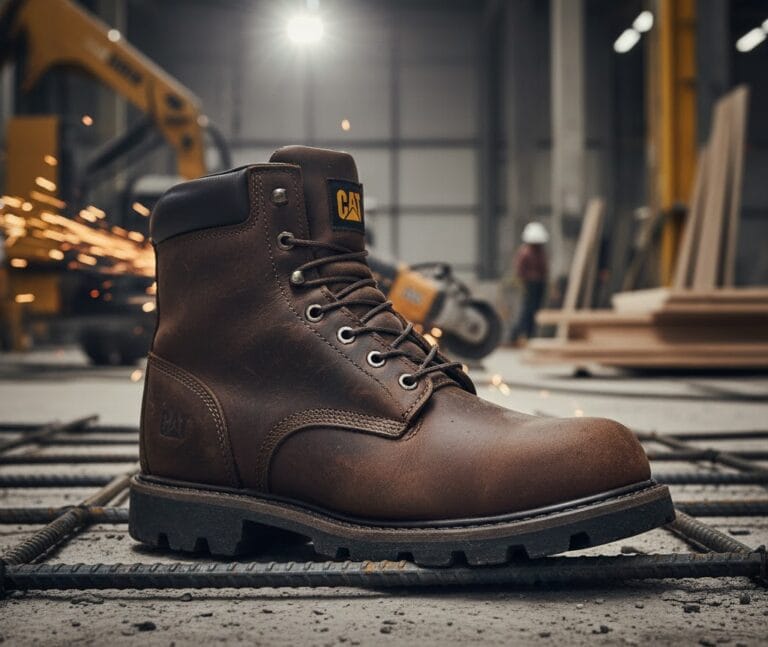
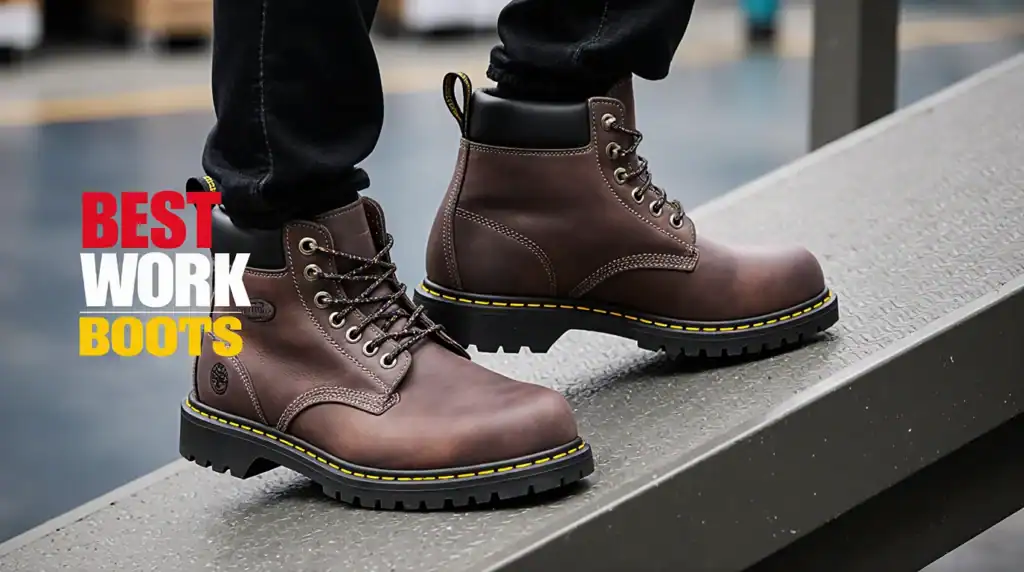

Safety work boots are far more than just another pair of shoes; they are an essential piece of personal protective equipment designed to protect your most valuable tools—your feet—while ensuring compliance with rigorous workplace standards. In demanding industries such as construction, manufacturing, and logistics, the right pair of boots can be the only thing standing between you and a serious injury. However, with countless options available, navigating the market can be overwhelming. The "best" work boot is subjective, varying based on an individual's trade, comfort needs, and specific job requirements.
This guide will break down the essential features, types, and safety standards to help you make an informed decision and find the perfect pair of work boots for your toughest jobs.
Understanding the Core of a Safety Work Boot
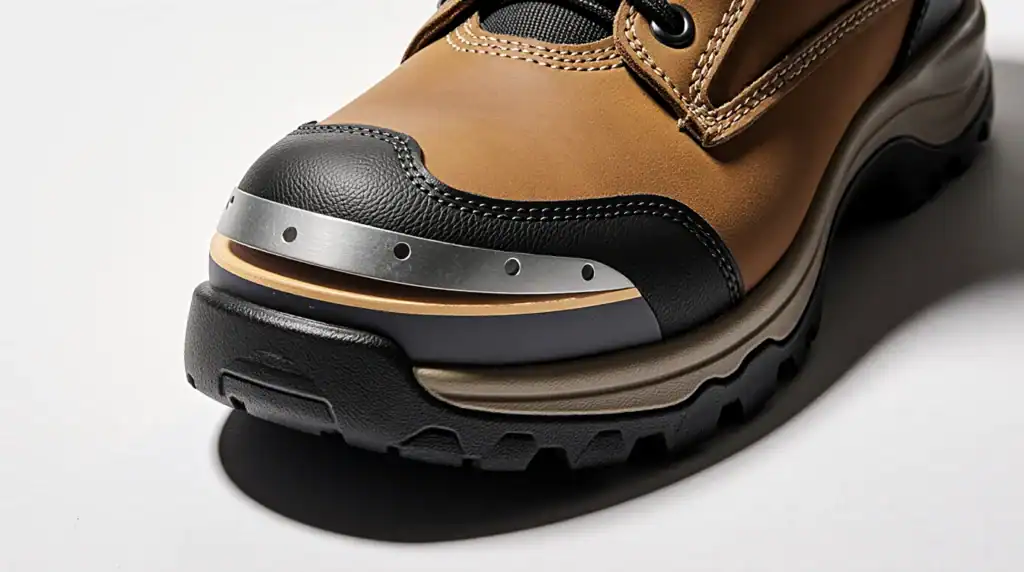
Modern work boots are engineered with work-specific details that set them apart from everyday footwear. The primary characteristics to consider are durability, comfort, and support, especially for those who spend all day on their feet. Key safety features often include:
- Toe Protection: A reinforced cap that protects the toes from impact and compression.
- Slip Resistance: Specially designed outsoles that maintain grip on wet or oily surfaces.
- Electrical Hazard (EH) Protection: Non-conductive soles that protect against open electrical circuits.
- Puncture Resistance: Midsoles that prevent sharp objects from piercing the bottom of the boot.
Types of Toe Protection: Steel vs. Composite and Beyond
The safety toe is a hallmark feature of a protective work boot. Understanding the different materials is crucial for selecting the right level of protection for your environment.
Steel Toe

The traditional standard since the 1940s, steel offers the most durable protection against punctures, cuts, and heavy impacts. It is the gold standard on many job sites. However, steel is heavy and conducts both cold and electricity, which can be a drawback in certain conditions.
Popular Models: Caterpillar Men’s Second Shift, Timberland PRO Men’s Pit Boss, and Danner Steel Yard.
Composite Toe
Made from non-metal materials like Kevlar, carbon fiber, or plastic, composite toes have gained popularity for being significantly lighter than steel. They do not conduct electricity, making them an excellent choice for electricians or those working in extreme temperatures. While they meet the same safety standards for impact, they may not be as durable against punctures and are often more expensive.
Popular Models: Brunt Marin Comp Toe, Wolverine Overpass CarbonMAX, and Timberland PRO Boondock.
Alloy Toe
Made from materials like aluminum, alloy toes offer a middle ground. They are lighter than steel but still provide robust protection, making them a popular choice for balancing safety and comfort.
Popular Models: Georgia Boot Eagle Trail Women’s Hiker.
Metatarsal Guards
For maximum protection, some boots include metatarsal guards, which are shields that cover the top of the foot (the metatarsal bones) in addition to the toes. These are essential in environments with a high risk of falling objects.
Popular Model: Danner Steel Yard.
Key Features to Look For in a Quality Work Boot
Beyond toe protection, several other features contribute to a boot's performance, comfort, and longevity.
Outsoles and Midsoles
The outsole is where the boot meets the ground, making grip and durability paramount. Look for boots labeled as oil- and slip-resistant, which often feature soft materials and tread patterns designed to channel away fluids. The design of the sole also matters; wedge soles offer full contact with the ground, making them comfortable for long hours on hard, flat surfaces like concrete floors, while heeled boots are better for climbing ladders and navigating uneven terrain. The midsole provides cushioning and shock absorption, with advanced foams that can feel like high-end running shoes.
Waterproofing and Insulation
The difference between "water-resistant" and "waterproof" is significant. Water-resistant boots, often made of oiled leather, can shed water but will eventually get wet if submerged. Truly waterproof boots use a synthetic membrane, like Gore-Tex, to create a barrier that keeps feet dry. For cold climates, insulated boots are essential. Insulation is measured in grams—the higher the number, the warmer the boot. The Muck Arctic Pro is an example of a heavily insulated boot designed for extreme cold.
Materials and Construction
The upper part of the boot is typically made from full-grain leather or synthetic materials. Leather is naturally durable and oil-resistant, while synthetics can offer advanced features like chemical resistance. The construction method also impacts durability. Goodyear welt construction, where the sole is stitched to the upper, is extremely durable and allows the boot to be resoled multiple times, extending its life. Cemented construction, where the sole is glued, results in a lighter and more flexible boot that is often more comfortable right out of the box but cannot be repaired.
Comfort and Fit
A work boot is useless if it's too uncomfortable to wear. Some boots, like the Brunt Marin, are designed to be comfortable from the very first wear with no break-in period. Others, particularly those made with rigid, high-quality leather like the Red Wing Heritage Iron Ranger, require a significant break-in period before they conform to your foot. Pay attention to fit notes, as many popular models are known to run large.
Decoding Safety Standards: What ASTM F2413 Means
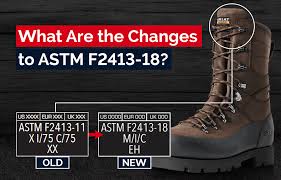
To ensure protective footwear meets minimum requirements, the American Society for Testing and Materials (ASTM) sets international standards. The most important standard for work boots is ASTM F2413. You will typically find a label stitched inside the tongue that details the boot's specific protections. A common rating might read:
- ASTM F2413-18: This indicates the boot complies with the standard issued in 2018.
- M/I/75 C/75: This means the boot is for Men (M), protects against an Impact (I) of 75 foot-pounds, and can withstand a Compressive (C) load of 2,500 pounds.
- EH: This signifies the boot is rated for Electrical Hazard (EH) protection.
Many jobs have explicit footwear requirements, and failure to comply can lead to fines or affect worker's compensation claims. Always check with your employer to see what standards your boots need to meet.
Making Your Choice: A Final Checklist
Choosing the right work boot is a personal decision that requires balancing multiple factors. Before you buy, ask yourself these questions:
- What does my job require? Do I need a specific safety toe, EH rating, or slip resistance to comply with OSHA or employer rules?
- What is my environment? Will I be working indoors on concrete, outdoors in mud and rain, or in extreme cold?
- What is my budget? While budget boots like the Caterpillar Second Shift offer great value, premium boots often provide superior materials, comfort, and durability that can be a worthwhile long-term investment.
- How important is comfort? Am I willing to go through a break-in period for a durable heritage boot, or do I need out-of-the-box comfort for long days on my feet?
Ultimately, your work boots are a critical investment in your safety and well-being. By understanding the technology, materials, and safety standards behind them, you can choose wisely and find a pair of safety work boots that will serve you well for years to come.