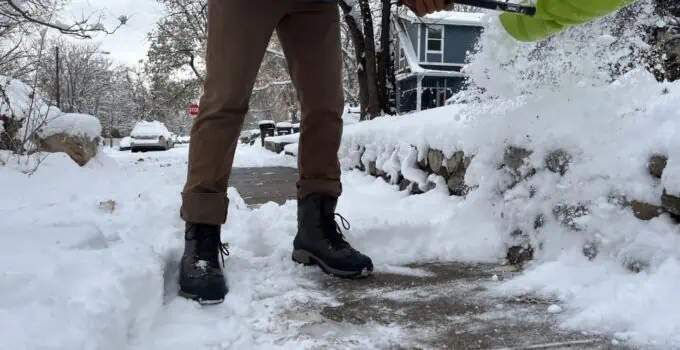

The best winter work boots keep your feet warm, dry and steady on ice through a full shift, and many of them still carry a safety toe. The hard part is matching the boot to your work. A roofer who moves all day needs a very different boot from a lineman standing still at -20°F.
We picked these 8 insulated work boots by checking each Amazon listing's specs, rating, number of ratings and bestseller rank, plus the brands' own spec pages where the listing left gaps (Amazon and brand sites, retrieved 2026-09-25). We haven't worn them ourselves, so there are no made-up "we tested them in a blizzard" stories here. Each pick has a clear "buy it if" and "skip it if."
Note on prices: Amazon prices change by size and color, so always check the price in your size.
Quick Picks: Best Winter Work Boots
| Boot | Best for | Toe | Insulation | Amazon rating |
|---|---|---|---|---|
| Timberland PRO Direct Attach 6" Insulated | Best overall safety toe | Steel | 200g (Timberland) | 4.4 (4,300+) |
| Timberland PRO Boondock 6" Insulated | Best premium composite toe | Composite | 400g | 4.6 (1,100+) |
| MUCK Arctic Sport Steel Toe | Best for slush and wet sites | Steel | Neoprene bootie, fleece lining | 4.6 (2,600+) |
| ROCKY Blizzard Stalker Steel Toe | Best budget safety toe | Steel | 1200g | 4.3 (450+) |
| MUCK Arctic Pro | Warmest rubber boot | Soft (steel version sold separately) | 8mm neoprene, fleece lining | 4.7 (5,300+) |
| Baffin Impact | Extreme cold, low activity | Soft | Removable multi-layer liner | 4.6 (1,100+) |
| Kamik Canuck | Best budget pac boot | Soft | Rated to -40°F | 4.5 (2,400+) |
| NORTIV 8 Insulated Snow Boots | Cheapest warm boot | Soft | Faux fur lining | 4.4 (6,600+) |
Ratings from Amazon, retrieved 2026-09-25.
Best Insulated Safety Toe Work Boots
Pick from this group if your site requires ASTM F2413 protection.
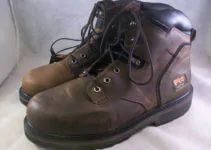
1. Timberland PRO Direct Attach 6" Steel Toe Insulated Waterproof - Best Overall
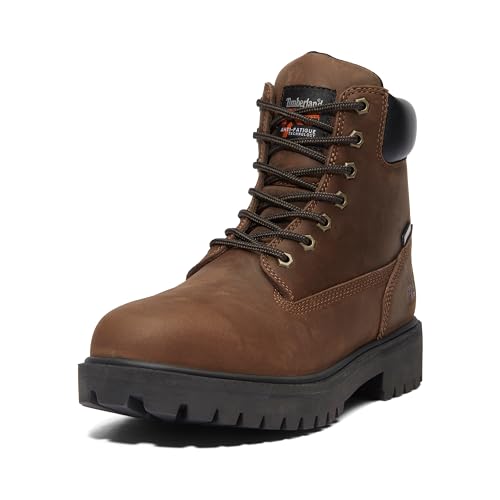
This is a classic 6-inch leather work boot with a steel toe, seam-sealed waterproof leather, electrical hazard protection and a heat, oil, slip and abrasion-resistant rubber outsole. Timberland lists 200 grams of insulation on its insulated steel toe Direct Attach, which is light insulation for active work (Timberland, retrieved 2026-09-25). It has 4.4 stars from more than 4,300 ratings and ranks #75 in Men's Industrial and Construction Boots. List price is $180, with some sizes selling for less.
Buyers say it's extremely comfortable, waterproof and durable. A few mention the leather scuffs.
Buy it if: you move around all day in cold, wet weather and need a steel toe that won't overheat.
Skip it if: you stand still in sub-zero temps. 200g isn't enough for that. Look at the MUCK or Baffin picks.
Check the Timberland PRO Direct Attach price on Amazon
2. Timberland PRO Boondock 6" Composite Toe Insulated Waterproof - Best Premium Composite Toe
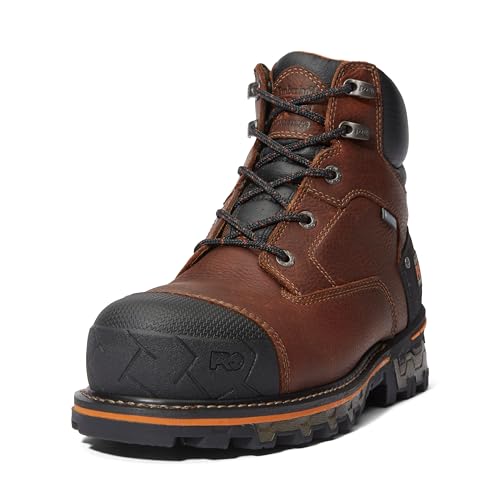
The Boondock pairs a non-metallic composite toe with a waterproof membrane and 400 grams of insulation. A composite toe doesn't conduct cold the way steel can, which matters on long winter shifts. It has 4.6 stars from more than 1,100 ratings and lists at about $235.
Buyers say it keeps feet warm in winter, is well built and very waterproof, and has super grippy soles.
Buy it if: you want a do-everything winter safety boot and can spend more.
Skip it if: you're on a budget. The ROCKY Blizzard Stalker below costs well under half as much.
Check the Timberland PRO Boondock price on Amazon (full Boondock review)
3. MUCK Arctic Sport Steel Toe - Best for Slush and Wet Sites
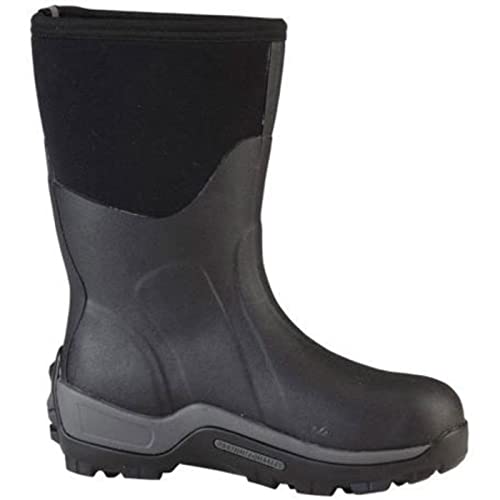
This tall rubber boot has an 8mm neoprene bootie, a fleece lining, extra thermal foam over the instep, a steel toe with ASTM F2413 classification and an aggressive outsole. Because it's rubber and neoprene, it's fully waterproof. It has 4.6 stars from more than 2,600 ratings.
Buyers call it excellent for outdoor winter work in cold, snowy and icy conditions, with good traction and warm, dry feet on long shifts. Fit gets mixed feedback.
Buy it if: you work in slush, mud or standing water, like farms, construction sites or yards, and need a safety toe.
Skip it if: you climb ladders or need ankle support. Pull-on rubber boots are looser at the ankle.
Check the MUCK Arctic Sport Steel Toe price on Amazon
4. ROCKY Blizzard Stalker Steel Toe 1200g - Best Budget Safety Toe
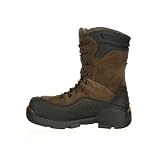
The Blizzard Stalker packs 1200 grams of insulation into a 9-inch waterproof boot with a steel toe, an ASTM F2413 electrical hazard rating, a rubber vamp and a removable footbed. At about $89, it's the cheapest heavily insulated safety toe boot we found from a major work brand. It has 4.3 stars from more than 450 ratings.
Buyers say it keeps feet warm and dry all winter and is good value. Fit and durability are mixed, and some say it runs large.
Buy it if: you need serious warmth and a safety toe for under $100.
Skip it if: you work indoors part of the day. 1200g gets hot fast. See our winter work boots for indoor and outdoor work.
Check the ROCKY Blizzard Stalker price on Amazon
Best Winter Work Boots Without a Safety Toe
These are warmer and often cheaper, but they don't meet ASTM toe standards. They suit farms, yards, snow removal, ice fishing and outdoor jobs without a PPE rule.
5. MUCK Arctic Pro - Warmest Rubber Boot
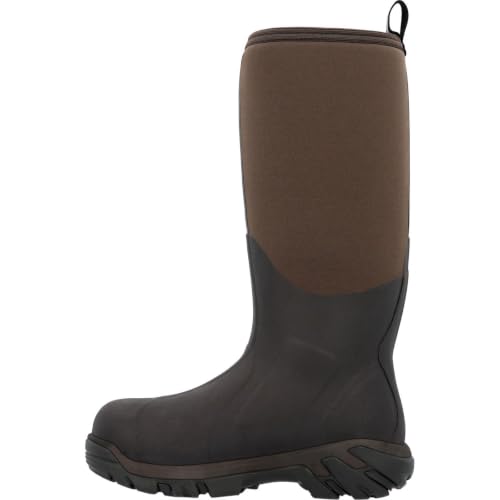
MUCK calls the Arctic Pro its warmest boot. It has 8mm neoprene, a fleece lining, a thermal foam underlay, a stretch-fit topline that seals in warmth and a 100% waterproof rubber shell. It has 4.7 stars from more than 5,300 ratings and lists at about $185. A steel toe version is sold separately.
Buyers love it for winter work and ice fishing in slush, and say feet stay dry and warm. It's easy to pull on and off.
Buy it if: you spend long hours outside in deep cold and wet snow.
Skip it if: you walk long distances. Tall rubber boots are heavy on the trail.
Check the MUCK Arctic Pro price on Amazon
6. Baffin Impact - Best for Extreme Cold

Baffin rates the Impact for its coldest "Polar" conditions, roughly -45°C to -60°C (-49°F to -76°F), and says it's meant for long periods in extreme cold at low to moderate activity (Baffin, retrieved 2026-09-25). It's 15 inches tall with a removable multi-layer liner, an Arctic Rubber shell and a locking snow collar. It has 4.6 stars from more than 1,100 ratings.
Buyers say it keeps feet warm even sitting for hours in subzero weather, and it's easy to put on and off.
Buy it if: you stand or sit still in brutal cold, like flagging, pipeline watch or ice fishing.
Skip it if: you're active all day. Baffin says it isn't built for high activity, and it weighs about 7.4 pounds per pair.
Check the Baffin Impact price on Amazon
7. Kamik Canuck - Best Budget Pac Boot
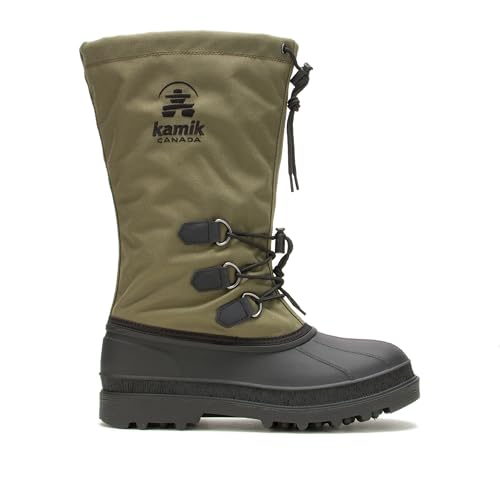
The Canuck is a classic pac boot with Zylex insulation rated to -40°F on the listing. It has 4.5 stars from more than 2,400 ratings and sells for about $105.
Buyers say it's well made, comfortable, keeps feet warm and has room for extra socks. It's popular for shoveling deep snow and ice fishing. Fit gets mixed reports.
Buy it if: you want a warm, simple snow boot for outdoor chores without spending $180.
Skip it if: you need a safety toe or plan to walk a lot on hard ground.
Check the Kamik Canuck price on Amazon
8. NORTIV 8 Insulated Waterproof Snow Boots - Cheapest Warm Boot
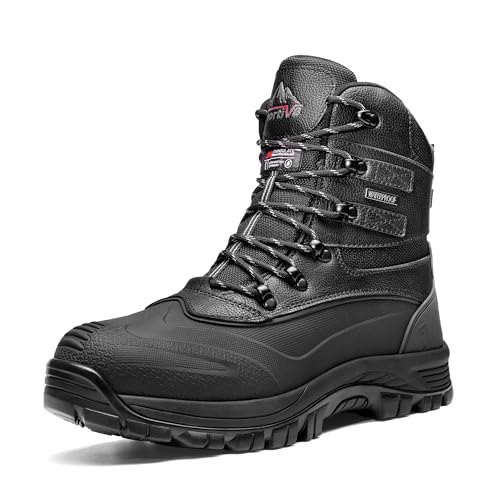
This budget snow boot has waterproof construction, a removable faux fur insole and a slip-resistant rubber outsole. It has 4.4 stars from more than 6,600 ratings, ranks #26 in Men's Snow Boots and sells for about $56.
Buyers find it comfortable, well made and warm, and call it good value. Some say it runs small, and durability is mixed.
Buy it if: you want a warm, waterproof boot for light outdoor work and daily winter wear for under $60.
Skip it if: you need a safety toe or a boot for heavy daily job-site use.
Check the NORTIV 8 price on Amazon
How to Choose Winter Work Boots
How much insulation do you need?
Insulation is measured in grams per square meter. More grams means more warmth, but also more heat and sweat when you're moving. As a rough guide:
- 200g: cool days and active work where you move most of the shift.
- 400g: the most common winter work boot choice for moderate cold with regular movement.
- 600g to 800g: colder days or jobs with less movement.
- 1000g and up: extreme cold or standing still for long periods.
Your activity level matters as much as the temperature. Our 400g vs 800g vs 1200g guide goes deeper, and best insulation for winter boots compares insulation types.
Steel toe or composite toe in the cold?
Both must pass the same ASTM F2413 impact and compression tests. Composite doesn't conduct cold like metal, so many winter workers prefer it for long shifts outside. With good insulation and warm socks, a steel toe is fine for most people.
Rubber, leather or both?
Rubber and neoprene boots like the MUCK picks are fully waterproof and easy to hose off, but they're looser at the ankle and heavier. Leather lace-up boots like the Timberland PRO picks give better ankle support for ladders and uneven ground. For wet leather, see wax vs spray.
Traction on ice
No rubber sole grips bare ice perfectly. Look for deep lugs with softer rubber for snow and slush. On sheet ice, add slip-on ice cleats over your boots.
Fit for winter socks
Try boots on with the socks you'll wear on site. Thick wool socks can take up a half size. A boot that's too tight cuts circulation and makes your feet colder, not warmer.
How to Keep Your Feet Warm in Work Boots
- Wear merino or wool socks, never cotton. Cotton holds sweat and chills your feet.
- Change socks at lunch on long, cold shifts if your feet sweat.
- Dry boots overnight with the insoles out, away from direct heat.
- Add an insulated insole if your boots are a little light. See best insoles for work boots.
- Store winter boots properly in the off-season to avoid cracked leather and mold. Our boot storage guide shows how.
Not sure how much insulation you need? See Thinsulate grams explained: 200g vs 400g vs 800g vs 1000g.
Frequently Asked Questions
What is the warmest work boot?
For standing still in extreme cold, the Baffin Impact is the warmest pick here, rated by Baffin for roughly -49°F to -76°F. For a warm boot with a safety toe, the ROCKY Blizzard Stalker has 1200g of insulation.
Are insulated work boots worth it?
Yes, if you work outside below about 40°F. Uninsulated boots can leave your toes numb within an hour. If you split time indoors and outdoors, light insulation (200g to 400g) avoids sweaty feet.
Can you wear steel toe boots in the winter?
Yes. Steel conducts some cold, but insulation and warm socks make the difference. If your feet run cold, a composite toe like the Timberland PRO Boondock is a good choice.
How many grams of insulation do I need for work boots?
400g suits most active winter work. Go 800g to 1200g if you stand still for long periods or work in severe cold, and 200g if you're moving constantly or going in and out of heated buildings.
Are waterproof and insulated the same thing?
No. Waterproofing keeps water out. Insulation keeps heat in. For winter work you want both, because wet feet lose heat fast.
How long do winter work boots last?
Most last one to three winters of daily use, depending on the job. Rubber boots tend to crack at flex points over time. Welted leather boots can sometimes be resoled.
The Bottom Line
- Best overall safety toe: Timberland PRO Direct Attach 6" Insulated for active cold-weather work.
- Best composite toe: Timberland PRO Boondock Insulated.
- Wet, slushy sites: MUCK Arctic Sport Steel Toe.
- Warm safety toe on a budget: ROCKY Blizzard Stalker 1200g.
- Extreme cold, standing still: Baffin Impact.
- No safety toe, tight budget: NORTIV 8 Insulated Snow Boots or the Kamik Canuck.
Looking for winter boots for everyday wear rather than work? See our best men's winter boots and best winter hiking boots. On a tight budget year-round? Check our best work boots under $100.