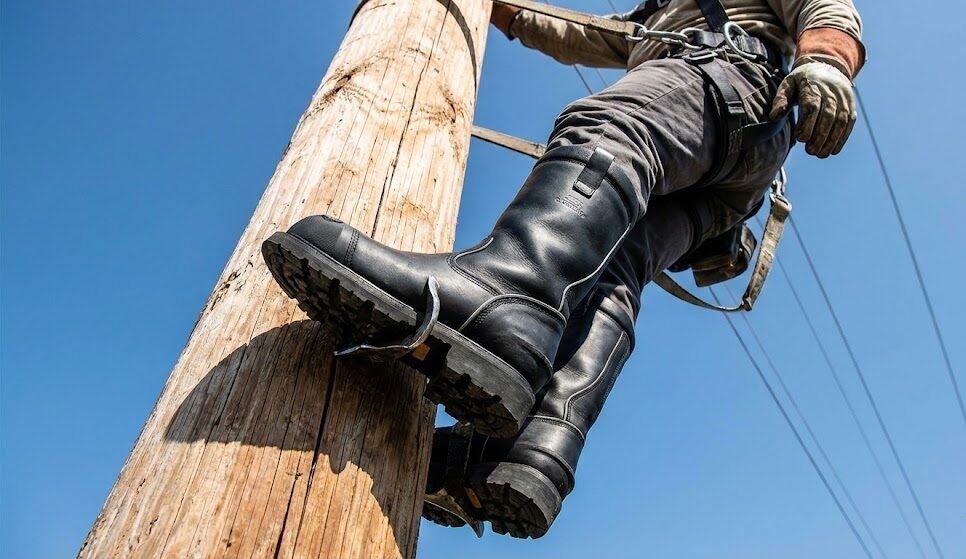

A lineman's boot does one job that most work boots skip. It keeps you steady on a pole, a ladder or a bucket truck step, all day. That takes a stiff steel shank, a defined heel, a tall shaft and an EH rating.
This guide covers seven boots sold on Amazon that fit that brief, from a $200 logger to a $550 climber. It also covers what to check before you buy, how to fit them, and where safety boot ratings can mislead you.
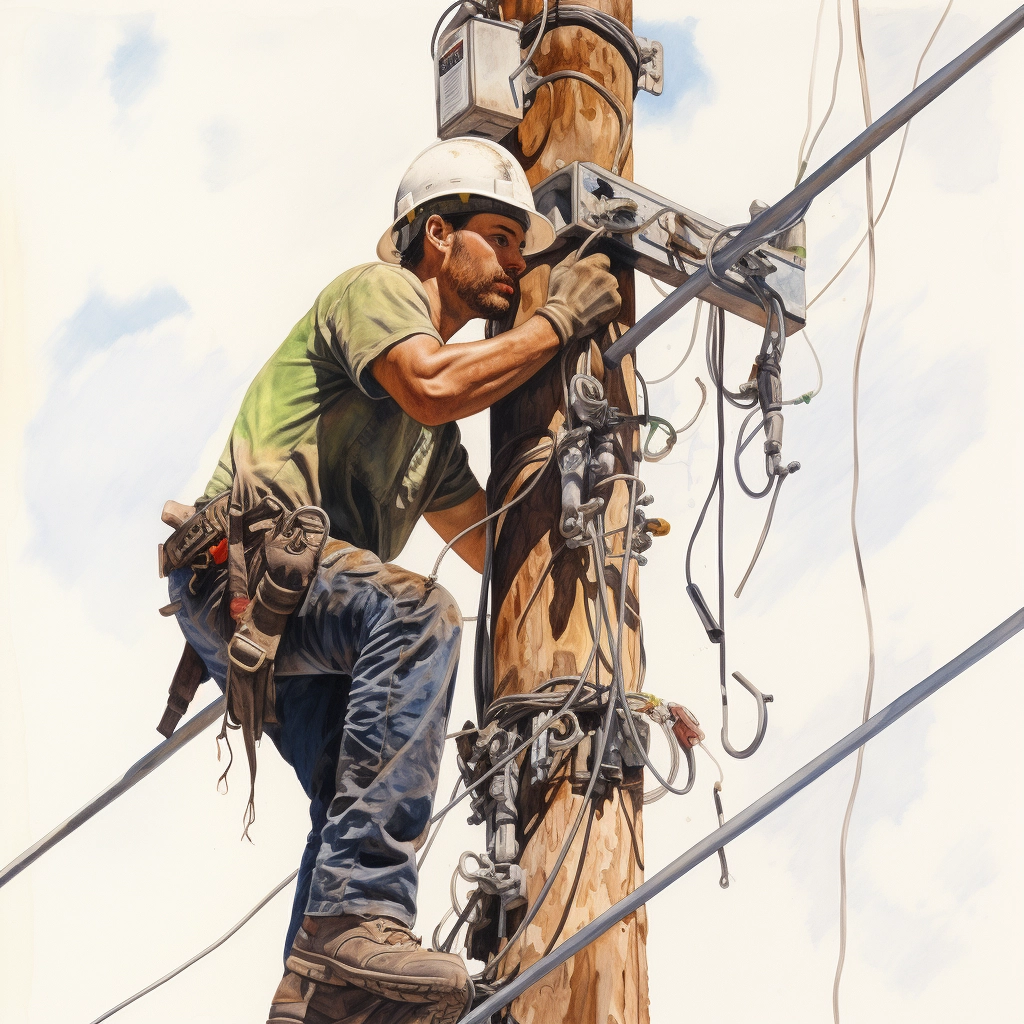
A good lineman boot has a defined heel, a tall shaft and a stiff shank.
How we picked these boots
We did not climb in these boots. Each one was checked against its live Amazon listing on November 11, 2026, for height, toe type, EH rating, waterproofing, price and customer ratings. Where a listing did not confirm a detail, we say so. Prices move, so the product boxes show the current price.
Handmade climbing boots from makers like Nicks, JK Boots and Wesco are not sold on Amazon, so they are not on this list. They cost much more and are built to your foot. If you climb every day, they are worth a look.
Quick Picks: Best Lineman Boots for 2026
| Award | Boot | Height | Toe | Weather | Amazon rating | Price (Nov 11) |
|---|---|---|---|---|---|---|
| Best Overall for Climbing | Carolina Linesman CA904 / CA1904 | 10" | Soft or composite | Waterproof | 4.4 (247) | $279.99 |
| Best Premium Climber | Kenetrek Lineman Extreme | 10" | Steel | Waterproof, uninsulated | 4.4 (157) | $554.95 |
| Best Value | Carolina Elm 8" Logger CA9821 | 8" | Steel | Waterproof | 4.3 (643) | $199.99 |
| Best for Cold and Wet | Chippewa Paladin 8" Insulated | 8" | Steel | Waterproof, insulated | 4.6 (567) | $314.95 |
| Best Pull-On | Ariat Powerline 400g | Pull-on | Composite | Waterproof, 400g | 4.3 (134) | $278.95 |
| Best for Ground Days | Thorogood American Heritage 8" | 8" | Steel | Standard | 4.5 (4,143) | $284.95 |
| Also Worth a Look | Chippewa Baldor 8" | 8" | Steel | Standard | 4.5 (285) | $274.95 |
The short version: buy the Carolina Linesman if you climb poles. Buy the Carolina Elm if you want a logger heel on a budget. Buy the Chippewa Paladin if your winters are wet and cold. Keep the Thorogood for days you stay on the ground.
What Actually Matters in a Lineman Boot
1. A steel shank
The shank is a rigid plate in the midsole. On a pole, your climbing gaff or step sits right under the arch, and the shank carries your weight there. A soft or fiberglass shank flexes, and your arch pays for it by the end of a shift. Look for "steel shank" in the listing.
2. A defined heel
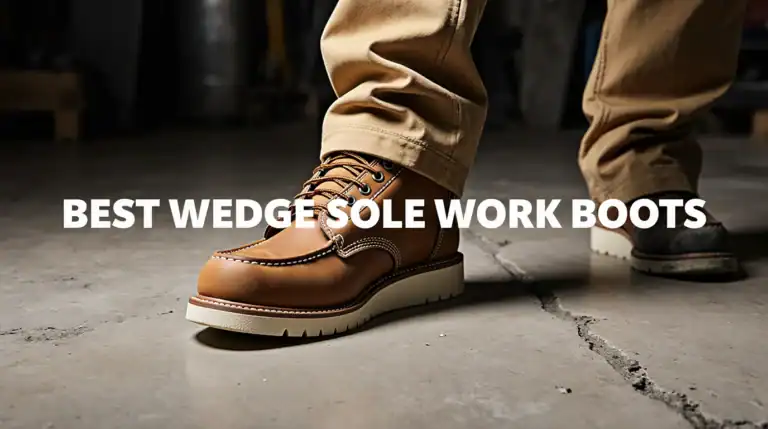
A logger-style heel with a sharp edge catches on ladder rungs and steps. A wedge sole is comfortable on concrete, but it has nothing to hook with. That is why the Thorogood below is a ground-day boot only.
3. Shaft height
8 inches is fine for ground work. For climbing we lean toward 10 inches, because more shaft means more ankle and shin support. Taller boots run hotter and take longer to lace, so it is a trade.
4. An EH rating, and what it does not cover
Look for "EH" on the label and in the listing. In ASTM F2413, an EH boot is tested to resist 18,000 volts for one minute in dry conditions. It is a secondary layer of protection, not a replacement for rubber gloves or lockout procedures. A worn sole, a nail in the heel or a wet boot can cut that protection.
One common mix-up: a composite toe does not make a boot EH rated. The rating comes from the sole and heel build. Check EH separately from the toe material. If you work around live lines, ask your employer which standard they require. Many utilities set their own footwear rules.
5. Welt construction
A welted boot has its sole stitched on, not just glued. A cobbler can replace the sole when it wears out, which matters when the boot costs $280 or more. Ask whether the specific model is welted before you plan on a resole. Not every logger-style boot is.
6. Safety toe: steel, composite or soft
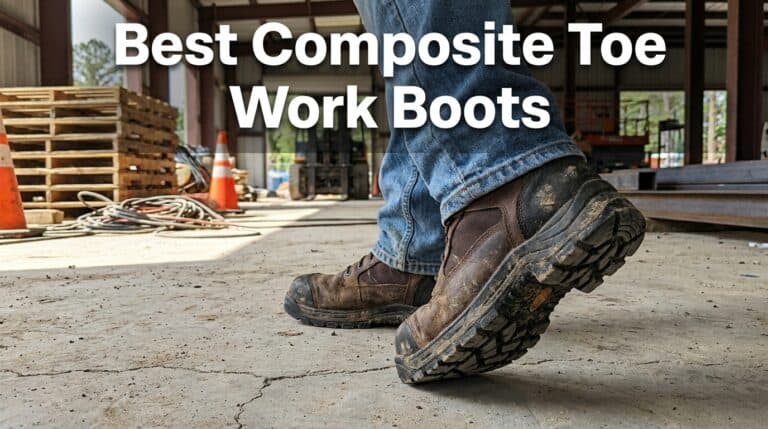
Steel toes handle hard hits well and cost less. Composite toes are lighter and do not conduct cold. Some utility crews wear soft-toe boots with an EH rating and a steel shank, and the Carolina Linesman is sold that way. Your job and your employer decide which toe you need. See our guides to steel toe boots and composite toe boots for the full comparison.
The 7 Best Lineman Boots, Reviewed
1. Best Overall for Climbing: Carolina Linesman CA904 / CA1904 10"

- WATERPROOF DESIGN – 10-inch work boot features waterproof SCUBALINER lining and a cork harness leather upper.
- SOFT TOE – Soft toe construction is made without safety toe components for a traditional work boot design.
- STEEL SHANK – Heavy-duty steel shanks on the right and left provide structure and support within the boot.
- RUBBER OUTSOLE – Vibram Austin one-piece rubber outsole is designed with oil- and slip-resisting properties.
- COMFORT FEATURES – Removable AG7 polyurethane footbed, Taibrelle lining, and welt construction complete the design.
This is the only boot on the list built as a 10-inch lineman climber at a price most people can swallow. It has the steel shank, the tall shaft and the EH rating you need on a pole. The footbed has arch support, which helps when you spend hours standing on one spot.
Two things to check before you order. First, the listing covers two versions, a soft toe and a composite toe. Pick the one your employer allows, and confirm it in the size and color you select. There is no steel-toe version on this listing. Second, it is not insulated. In deep winter you will want thick socks or a different boot.
Pros & Cons
| Pros | Cons |
|
|
Best for: pole and tower climbers who want a true 10-inch lineman boot without paying handmade prices.
2. Best Premium Climber: Kenetrek Lineman Extreme

- 10" tall leather uppers made from 2.8 mm full grain leather feature double and triple stitching throughout for added durability
- Featuring our new custom K-73 Outsole, which offers a deep, open tread pattern with 360 degrees of traction teeth and lugs and a solid, extremely durable one-piece vulcanized rubber sole
- Forged boot hardware offers corrosion resistance and swivels instead of breaking
- Durable Windtex waterproof membrane and no insulation keeps you dry and lets you focus on the job at hand
- Steel safety toe meets ASTM impact and compression safety standards
Kenetrek is better known for mountain hunting boots, and the Lineman Extreme carries that build into a work boot. The leather is thick, the stitching is heavy and the hardware is made to survive abuse. It is also the most expensive boot here by a wide margin.
One gap in the listing: the bullet points we saw do not mention an EH rating or a shank type. If your job requires EH, confirm it on the product page or with the seller before you buy. We did not want to guess on a safety rating.
Pros & Cons
| Pros | Cons |
|
|
Best for: climbers who wear one pair hard every day, want the toughest leather on Amazon and can confirm EH with the seller.
3. Best Value: Carolina Elm 8" Steel Toe Logger CA9821

- Protection for Demanding Tasks: The Carolina Elm Logger Steel Toe Boots deliver unrivaled safety with their sturdy steel toe design and robust construction for challenging work environments. Perfect for linemen and logging boots, they're crafted to withstand rigorous use while maintaining comfort
- Waterproof Design for All-Weather Use: These logger boots for men are engineered with waterproof technology to ensure dry comfort in wet conditions. Whether tackling outdoor tasks or navigating tough terrains, these mens work boots waterproof feature provides reliable protection from the elements
- Comfort with Memory Foam: Enjoy all-day comfort with Pillow Cushion Memory Foam Footbed that adapts to your foot's shape for personalized support. Ideal for long work hours, these boots provide the comfort of mens lace up work boots combined with the durability of traditional logger boots for men
- Electrical Hazard Safety: Designed to protect against electrical hazards, these logger boots provide peace of mind on any job site. They merge the functionality of steel toe boots for men work with the safety needed for demanding industrial tasks
- Durable Steel Shank Support: Featuring a triple-rib steel shank, these work boots for men provide enduring stability for challenging conditions. They combine the ruggedness of lineman boots with the sleek style of mens leather work boots for the ultimate in supportive footwear
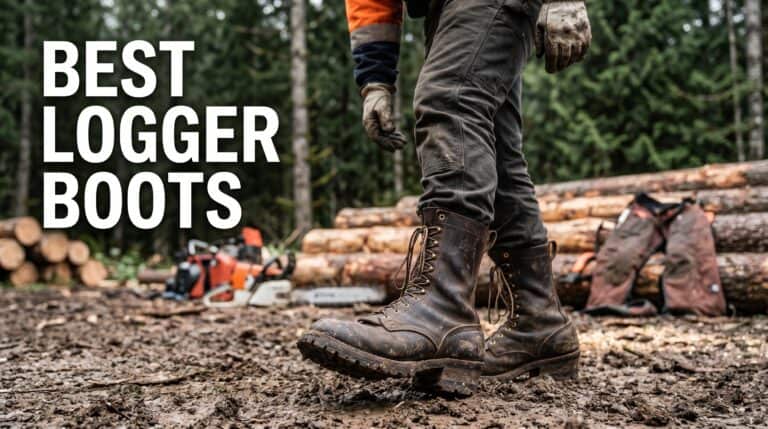
The old version of this guide listed this boot as a 10-inch lineman model. It is not. It is an 8-inch logger, and a good one for the money. You get a steel shank, a steel toe, an EH rating and a logger heel for about $200.
Reviews are mixed on durability and sizing, which is normal at this price. One buyer who hooks ladders daily liked the heel. Another said to size up a half size. A third said the insole is bonded to the lining, which makes replacing it hard. Read the recent reviews in your size before you order.
Pros & Cons
| Pros | Cons |
|
|
Best for: new linemen, apprentices and anyone who wants a real logger heel and shank without spending $300. See more in our logger boots guide.
4. Best for Cold and Wet: Chippewa Paladin 8" Insulated Steel Toe

- DURABLE CONSTRUCTION with a Steel Toe for maximum protection on demanding work sites
- INSULATED COMFORT to keep your feet warm and protected in any weather conditions
- WATERPROOF DESIGN to keep your feet dry in wet conditions with ease
- ELECTRICAL HAZARD PROTECTION designed to safeguard against unexpected electrical risks on the job
- OIL & SLIP RESISTING OUTSOLE offers superior traction to keep you steady on your feet in any work environment
It has the highest rating on the list, 4.6 stars from 567 reviews. The Paladin is a classic insulated logger from Chippewa. It gives you the heel and the EH rating, plus warmth for winter storm work.
The listing does not say whether it has a steel shank, so check that before you buy if you plan to climb in it. Insulated boots also run hot in summer. If you work year round, many crews keep one insulated pair and one light pair. Our extreme cold steel toe guide covers warmer options.
Pros & Cons
| Pros | Cons |
|
|
Best for: crews working in snow, rain and cold mornings. More Chippewa options are in our Chippewa work boots guide.
5. Best Pull-On: Ariat Powerline 400g Composite Toe

- Waterproof Pro construction with waterproof full-grain leather
- 400g Thinsulate Ultra insulation
- Lightly padded, protective collar
- Goodyear leather welt
- Molded external heel protector
The Powerline is made for line crews, and the pull-on style is the draw. You step in and go, which helps when you get in and out of a truck all day. The old guide described a long list of features, such as a special steel shank and tread. We could not confirm those on the Amazon listing, so we have dropped them.
Because the listing does not state the shank, check it before you rely on this boot for heavy climbing. For truck work, ground crews and storm response in the cold, it is an easy boot to live with. Also see our Ariat work boots guide.
Pros & Cons
| Pros | Cons |
|
|
Best for: crews who value quick on-and-off and work in cool, wet weather.
6. Best for Ground Days: Thorogood American Heritage 8" Moc Toe

- AMERICAN MADE men’s work boots made in the USA with USA and globally sourced components
- DURABLE & COMFORTABLE full-grain leather boots with removable dual-density Ultimate Shock Absorption footbeds, Poron cushion insoles, and durable rubber midsoles. These moc toe boots for men have roomy toe boxes with plenty of space
- STEEL TOE boots for men provide ASTM F2413-18 certified protection from impact and compression hazards on the job
- SLIP-RESISTANT MAXWear Wedge work boots protect from on-the-job slips and falls. Outsole is resistant to oil and abrasion. Goodyear storm welt construction ensures a durable and resoleable work boot
- EH RESISTANT men’s boots meet ASTM F2413-18 electrical hazard resistance safety standards and are the go-to choice for a carpenter, construction worker, mechanic, electrician, maintenance or HVAC technician, heavy equipment operator, ironworker, pipefitter, welder, or anyone else who needs comfortable safety toe protection while doing tough jobs
This is not a climbing boot. The wedge sole has no heel to hook a rung or a step. We include it because many linemen have shop days, yard days and truck days with no climbing. On those days a cushioned wedge boot saves your feet.
It has more reviews than every other boot here combined, and the 4.5 rating holds up across thousands of buyers. It is welted, so a cobbler can resole it. Our most comfortable work boots guide ranks more wedge-sole picks.
Pros & Cons
| Pros | Cons |
|
|
Best for: ground crews, shop days and a second pair for non-climbing work.
7. Also Worth a Look: Chippewa Baldor 8" Steel Toe Logger

- Steel Toe Protection: The Chippewa Men's Steel Toe Logger Boots are crafted with a robust steel toe cap, safeguarding feet from impacts on hazardous jobsites. Unlike typical logger boots, these men's steel toe logger boots prioritize safety without compromising on durability
- Vibram Slip-Resistance: These men's steel toe logger boots feature a Vibram outsole, providing exceptional traction on slick or uneven surfaces. Unlike most work boots, this slip-resistant logger boot provides advanced stability for challenging terrains
- Custom Comfort Fit: Designed for extended wear, these men's lace up work boots include a removable orthotic insole, allowing for personalized comfort. Unlike standard logger boots, this feature enables long-lasting support throughout demanding shifts
- Ankle Protection Design: Offering superior coverage, the Chippewa logger boots rise to an 8-inch height, providing enhanced ankle and lower-leg protection. Unlike typical logger style boots, this design supports rigorous work in rugged environments
- Durable Leather Construction: Crafted from premium full-grain leather, these men's leather logger boots withstand harsh elements and daily wear. Unlike synthetic options, this robust material ensures long-lasting durability for demanding outdoor tasks
The Baldor is Chippewa's non-insulated logger. Amazon lists it for lineman and arborist use. The removable orthotic insole is the useful detail. If you need a custom insole or extra arch support, you can swap it out. Our guide to insoles in work boots explains when that helps.
The listing does not state EH or shank details in the part we checked, so confirm both if your job needs them.
Best for: climbers and arborists who want a non-insulated Chippewa with an insole they can change.
Which Lineman Boot Should You Buy?
| If you... | Buy |
|---|---|
| Climb poles most days | Carolina Linesman 10" |
| Want the toughest build and can pay for it | Kenetrek Lineman Extreme |
| Need a first pair on a tight budget | Carolina Elm 8" Logger |
| Work in snow, rain and cold | Chippewa Paladin Insulated |
| Hate laces and ride in a truck all day | Ariat Powerline 400g |
| Spend most days on the ground | Thorogood American Heritage 8" |
| Need a swappable insole | Chippewa Baldor |
Lineman Boots vs. Logger Boots vs. Regular Work Boots
People use "lineman" and "logger" for the same boot, but they are not identical. A logger boot has the tall shaft and sharp heel. A true lineman boot adds a stiffer shank and often a taller shaft, so it holds up under a climbing gaff. Plenty of loggers work fine for linemen, especially on ground and ladder work.
A regular work boot has a flat or wedge sole and a softer shank. It is good for concrete and bad for climbing. If you climb, do not use a hiking boot or a sneaker-style work shoe as a stand-in. They flex under your arch and have no heel to hook.
For related trades that share the same needs, see our guides for electricians, ironworkers and roofers.
Fit and Break-In Tips
- Try them with your work socks. Buy a thick pair first. Our boot socks guide has options by job.
- Read the sizing reviews. Buyers of the Carolina boots disagree about sizing. Some say true to size, others say half a size up. Check the reviews for your size and width before you order.
- Break them in on ground days. Stiff leather and steel shanks need a week or two. Wear them for a few short shifts before your first full climbing day.
- Buy from a seller with free returns. The listings we checked showed free returns for try-on. Wear them indoors and keep the soles clean until you are sure.
- Look at the waterproof options. If you want a dry boot, our waterproof work boots guide compares liners and seams. For deep cold, see winter work boots.
How to Care for Lineman Boots
Clean them
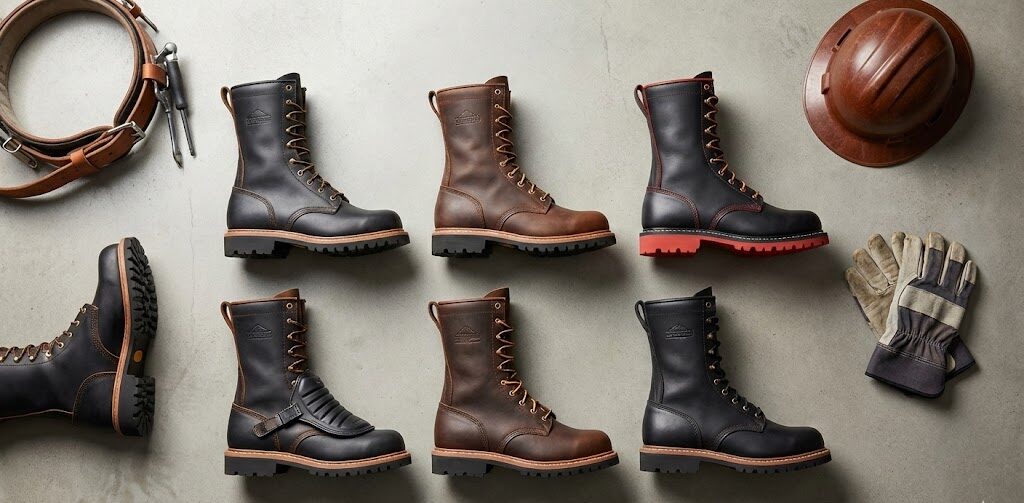
Brush off dirt, especially around the welt stitching and heel. Use a damp cloth and mild soap for stains. Skip pressure washers and harsh chemicals.
Condition the leather
Use a leather conditioner or boot oil every few months. Do it more often if the boots see rain, salt or heat. Check the maker's advice first, because some waterproof liners and finishes react badly to heavy oils.
Dry them slowly
Never dry wet boots by a heater or fire. Heat cracks leather. Stuff them with newspaper or use a low-heat boot dryer in a ventilated room.
Inspect the heel and sole
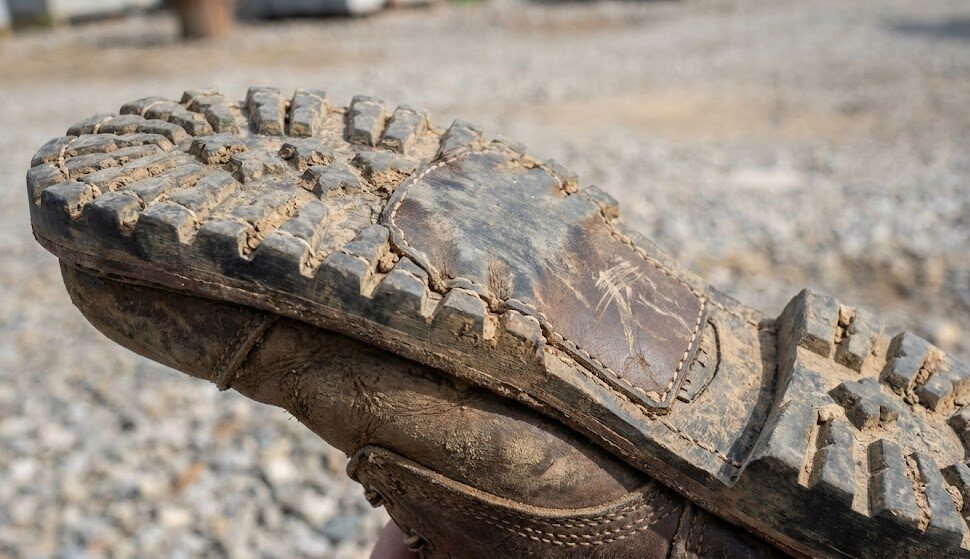
The sharp edge of the heel is a safety feature. When it rounds off, replace the sole or the boot. Check the sole for nails, cuts and deep wear. Damage there can cut your EH protection.
Store them dry
Keep boots in a cool, dry place. Avoid plastic bags, because leather needs air.
Frequently Asked Questions
What makes a boot a lineman boot?
A steel shank, a defined heel, a tall shaft (usually 8 to 10 inches or more), an EH rating and a durable sole. The shank and heel are what separate it from a standard work boot.
Do I need a steel shank?
If you climb poles or towers, yes. The shank carries your weight under the arch where the gaff or step sits. For ground work, a lighter shank is fine.
Does a composite toe make a boot EH rated?
No. The EH rating comes from the sole and heel construction. A boot can have a steel toe and an EH rating, or a composite toe and no EH rating. Check both on the label.
What is the difference between steel toe and composite toe?
Both can meet the same ASTM F2413 impact and compression ratings. Steel is thinner and usually cheaper. Composite is lighter and does not pass cold through to your foot. Some workplaces allow only one type, so check your employer's rules. See our safety toe explainer.
Can I use lineman boots for other work?
Yes. They suit roofing, tree work, ladder-heavy jobs and anything that needs ankle support. They are stiff and heavy, so they are tiring on long walks across flat concrete.
How long do lineman boots last?
It depends on how hard you work. Heavy climbers can wear through a sole in one to three years. A welted boot can be resoled, which can extend its life if the upper still holds up. Not every model is welted, so check before you plan on a resole.
Are lineman boots too hot for summer?
Insulated and waterproof models can be. In hot weather, choose a non-insulated boot such as the Carolina Linesman or Kenetrek, and wear moisture-wicking wool socks.
How do I keep my EH protection working?
Treat EH as a backup layer. Inspect the soles often for cuts, nails and wear. Keep the boots clean and dry, because wet or dirty soles can conduct. Replace the boots if the sole is damaged.
How much should I spend on lineman boots?
On Amazon, climbing and logger boots in this guide run from about $200 to $550. Spending more usually buys thicker leather and better construction. If you climb daily, the Carolina Linesman is the practical middle. Entry-level crews can start with the Carolina Elm.
Conclusion
Pick the boot for the job you do most. If you climb, you need a steel shank, a defined heel, a tall shaft and a confirmed EH rating. The Carolina Linesman is the best fit for most climbers. The Kenetrek Lineman Extreme is the premium choice if you can confirm EH with the seller. The Carolina Elm is the best value, and the Chippewa Paladin is the pick for cold, wet work.
If you spend most of your day on the ground, the Thorogood American Heritage will treat your feet better than any climbing boot. Whatever you choose, check the toe type, EH rating and shank in the listing for your exact size and color before you order. Listings change, and a safety boot is not the place to guess.