
Last Updated: September 2026 | Tested By: The BootsGuru Team
Your footwear is your last line of defense when you’re standing on a steep pitch, and trust me, you don't want to rely on luck up there. Roofing is brutal work, and the right pair of boots needs to handle abrasive materials, hot surfaces, and slippery slopes while keeping your feet comfortable for hours.
Here’s the honest truth: A typical work boot with hard, deep lugs is actually a hazard on a shingle roof—it’s like trying to walk on ice skates. Why? Because the abrasive surface of asphalt shingles eats away at soles quickly, and hard lugs reduce your contact area, making you much more likely to slip.
This guide is different. We’re skipping the generic advice and breaking down the only boots you should trust on a pitch. We’ll explain exactly why the sole is the most critical feature, why most roofers swear by the wedge design, and what separates a safe roofing boot from a catastrophic mistake.
The Roofer's Boot Buyer's Guide: What Actually Matters
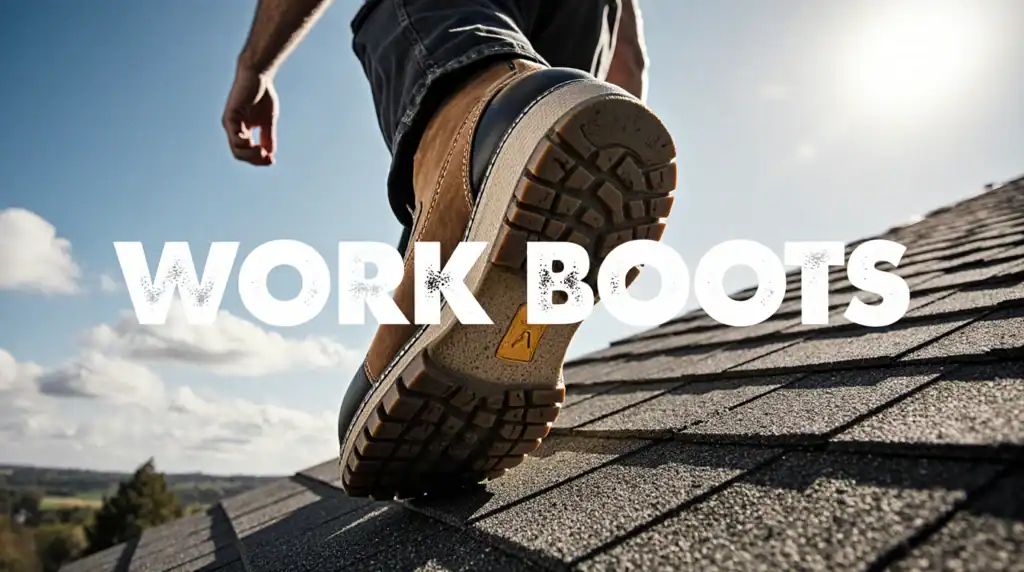
roofers work boots
When you’re buying boots for roofing, you need to throw out the playbook for traditional construction boots. Your priorities shift heavily toward maximizing friction and flexibility.
2.1. The #1 Rule: The Sole is Everything (Grip & Surface Contact)
The grip provided by your outsole is the single most critical safety feature you need. On a roof, grip is maximized by increasing the amount of surface area touching the material.
Wedge Soles (The Industry Standard)
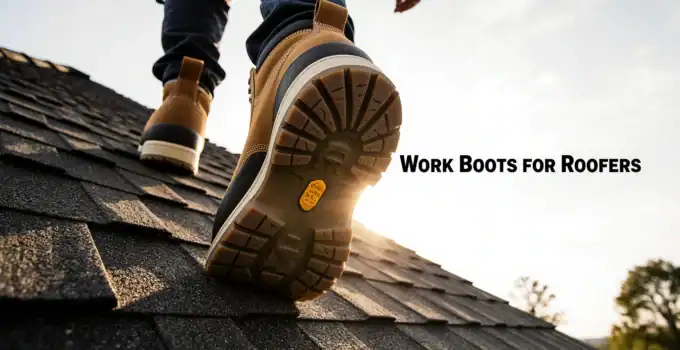
Wedge soles have a continuous, flat bottom that runs the entire length of the boot, eliminating the defined heel block.
- Why they're #1: The continuous flat surface maximizes surface contact, which is exactly what provides superior, sticky grip on shingles and flat surfaces like EPDM. Professionals often report that it is easier to maintain footing and avoid slipping on asphalt shingles with a wedge sole because of this increased friction.
- Safety Bonus: The "no-heel" design is actually safer on the roof itself and scaffolding, as it prevents tripping or catching on edges.
- Professionalism: The shallow tread pattern won't hold onto dirt or gravel, which is key to preventing debris from being tracked across a finished roof or into a client’s house.
Why Deep Lugs (e.g., Logger Boots) are DANGEROUS
Expert Tip: Hard, deep lugs are terrible on asphalt shingles because they have less surface contact; they sit mostly on the shingle granules rather than gripping the whole surface. This reduction in contact makes them incredibly slippery on an incline. Plus, they tend to tear up shingles, especially on a hot day when the asphalt softens, which can damage the client’s new roof.
A major exception for heels: If your job requires frequent use of ladders, a traditional 90° heel is specifically designed to hook securely onto ladder rungs, providing a vital anchor point for safety. For heavy ladder use, a 90° heel should be prioritized.
Specialty Soles (The "Grip Tools")
When you hit a super steep pitch where regular rubber won't cut it, you need specialized equipment. Cougar Paws are the classic choice, designed specifically for roofers. They use a replaceable foam or crepe pad attached by a hook-and-loop system that conforms to the roof surface for unparalleled grip. These pads wear out quickly by design, so you simply replace the pad instead of the entire boot.
2.2. Toe Protection: Soft vs. Composite vs. Steel
Foot protection against impact from dropped shingle bundles or tools, and puncture from stray nails, is mandatory on most job sites. The required standard is ASTM F2413 for safety toe footwear.
- Soft Toe: Many roofers prefer a soft toe for maximum flexibility, as it allows them to better "feel" the roof surface. This is generally paired with the ASTM F2892 standard for soft-toe protective footwear.
- Composite Toe: This is a fantastic, lightweight choice for meeting strict safety requirements without adding the weight of steel. Composite toes use non-metallic materials (like carbon fiber or fiberglass), making them non-conductive of electricity or temperature.
- Steel Toe: Offers the maximum protection against crushing impact. However, steel toes can be heavy and stiff, which some roofers find less comfortable when constantly crouching.
2.3. Weatherproofing vs. Breathability (The Roofer's Trade-Off)
Roof surfaces exposed to the sun can reach scorching temperatures, making breathability a survival feature in the summer.
- Breathability: For hot weather conditions, look for features like moisture-wicking linings, mesh panels, or unlined leather to allow sweat and internal heat to escape.
- Waterproofing: For wet climates or winter work, you need waterproof construction. Waterproof boots offer complete protection, unlike water-resistant options which only repel moisture to a certain degree.
2.4. Comfort & Ankle Support
Comfort is not a luxury—foot fatigue leads to distraction and dangerous mistakes on a steep roof.
- Cushioning: Look for a supportive midsole (like PU or specialized foam) and cushioned insoles to absorb the shock of walking on a hard deck all day.
- Stability and Height: An 8-inch shaft can offer crucial ankle stability when walking on uneven pitches and carrying heavy loads. Importantly, lace-up boots are necessary for a secure fit; slip-on boots are generally unsafe on a slope.
Quick Picks: The Best Work Boots for Roofers (2026)
| Award | Boot Model | Best For | Key Feature |
|---|---|---|---|
| Best Overall | Thorogood 8" Moc Toe MAXwear | The All-Around Industry Classic | MAXWear Wedge Sole & USA-Made, Resoleable Construction |
| Best Specialty Grip | Cougar Paws Performer | Steep Pitches & Slick Surfaces | Replaceable Foam Grip-Pad for Unmatched Traction |
| Best Premium/Durable | Red Wing Classic Moc | Lifetime Durability & Arch Support | Resolable Stitchdown Build, 8-9oz Leather, Custom Fit |
| Best All-Weather/Budget | Carhartt 6" Moc Toe Waterproof | Waterproof, Traditional, & Value | Composite Toe, EH-Rated, FastDry Lining |
| Best for Shingle Roofing | Wolverine Overpass | Asphalt Shingle Grip & Flexibility | Combination Rubber/Synthetic Outsole, Minimal Break-In |
Top 5 Best Work Boots for Roofers: Detailed Reviews
Best Overall: Thorogood 8" Moc Toe MAXwear Safety Boot

The Honest Take: This boot is an absolute legend on job sites, and for good reason—it’s the perfect blend of a non-slip wedge sole, tough American-made construction, and quick comfort. The 8-inch height gives my weak ankles the stability and support they need when standing on a sloped roof for hours. Plus, the fact that you can resole these boots means they are built to stick around.
| Pros | Cons |
|
|
Best For: The professional roofer who wants an all-around workhorse, shingle work, and anyone who values classic comfort and long-term durability.
Best Specialty Grip: Cougar Paws Performer
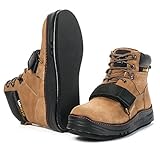
The Honest Take: Forget calling this a "boot"—it’s a piece of specialized safety equipment. If you are working on exceptionally steep roofs (think 8/12 pitch and up) or slick metal surfaces, Cougar Paws offer a level of adhesion no traditional rubber sole can match. The magic lies in the replaceable foam pad sole that sticks like glue. Every serious roofer should keep a pair of these in their truck for when the job gets sketchy.
| Pros | Cons |
|
|
Best For: Steep-pitch jobs, metal roofing, insurance adjusters, and anyone who prioritizes specialized grip above all else.
💪 Best Premium/Durable: Red Wing Classic Moc (8-Inch)

The Honest Take: If you view boots as a long-term investment, the Red Wing Classic Moc is a legend. This is the other "icon" (besides Thorogood) that serious tradespeople swear by. It’s built with premium, thick, oil-tanned leather that is famously tough. The real magic is inside: a leather insole over a cork midsole that, after a notoriously tough break-in period, molds perfectly to your foot for a truly custom fit that won't flatten out.
| Pros | Cons |
|
|
Best For: Professionals seeking a "buy-it-for-life" boot, anyone willing to endure a tough break-in for a custom fit, and those who value USA-made heritage.
Best All-Weather/Budget: Carhartt 6" Moc Toe Waterproof

The Honest Take: Carhartt proves you don't have to break the bank for solid roofing features. This boot comes with a lightweight composite safety toe and is EH-rated. I appreciate the wedge sole for its cushioning and stability. The main perk for wet weather is that these boots are genuinely waterproof thanks to the FastDry lining and oil-tanned leather. Just know that this is cemented rather than welted construction, so it's not resoleable and fits into the 6-12 month replacement cycle common in heavy roofing.
| Pros | Cons |
|
|
Best For: Budget-conscious buyers, new roofers, or those primarily working in wet or muddy conditions.
Best for Shingle Roofing: Wolverine Overpass

The Honest Take: If you spend all day walking on asphalt shingles, the Wolverine Overpass is built for that torture chamber. The key is the combination rubber-and-polyurethane outsole; the tread gives you fantastic footing without being so aggressive that it damages soft asphalt. This boot is extremely lightweight and flexible, meaning minimal break-in time and out-of-the-box comfort.
| Pros | Cons |
|
|
Best For: Shingle roofing specialists, light protection needs, and workers prioritizing flexibility and minimal fatigue.
Roofer-Specific Boot Maintenance
Roofing is arguably the hardest trade on footwear. The abrasive shingle granules, combined with tar, sealants, and extreme heat, will rapidly destroy any boot if you don't take care of it.
- Inspect Soles Daily: Before you climb, you absolutely must check your soles for embedded debris, nails, staples, or small rocks. These bits can puncture your foot, cause a major slip, or scrape up a finished roof.
- Cleaning Off Tar & Sealant: Don't let tar or chemical sealants build up, as they can break down the materials. Use a gentle solvent (like mineral spirits or WD-40) on the sole only to remove buildup, then wipe it clean. Clean the leather separately with saddle soap.
- Check Your Wear: For a full-time roofer, 6–12 months is a typical lifespan for a sole. When the tread is visibly worn smooth, it's time to resole (if you have a welted boot) or replace the pair.
- Condition the Leather: Hot roofs cook the moisture out of leather. Regularly apply a quality leather conditioner to keep the material supple and prevent premature cracking. If your boots get soaked, never dry them using direct heat; stuff them with newspaper and let them air dry slowly.
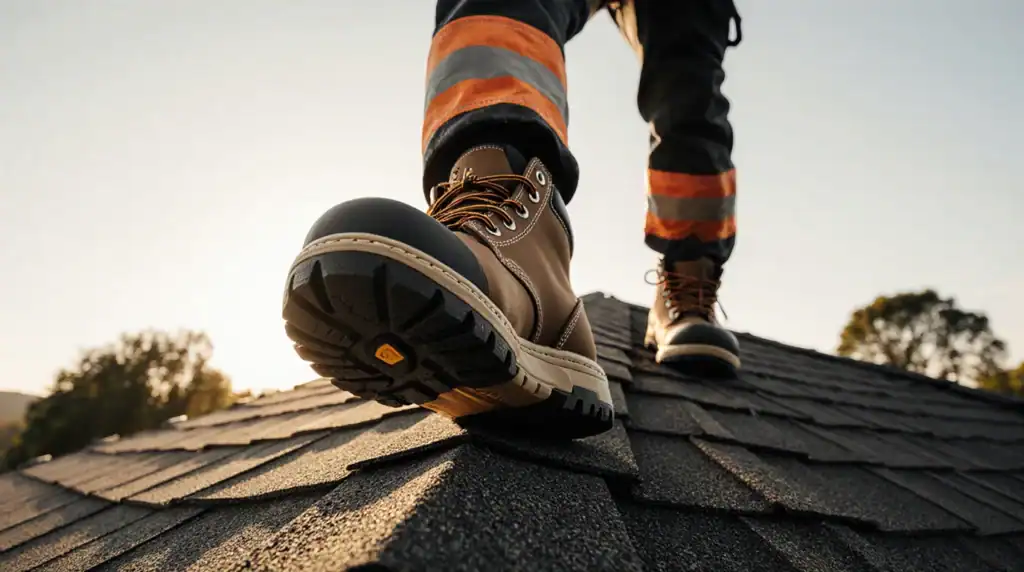
work boots for roofers
Frequently Asked Questions (FAQ)
Are wedge soles really the best for roofing?
Yes, absolutely, in most cases. Wedge soles provide the maximum surface contact for a secure grip on shingles and flat roofing surfaces. A traditional heeled, deep-lug boot reduces surface contact, makes you unstable, and can tear up the new roof.
Can I use my regular logger or tactical boots for roofing?We strongly advise against it. The deep, hard lugs on logger or tactical boots are dangerously slippery on shingles. They are designed for biting into soft ground, not providing friction on a hard surface. They also track dirt and can damage the client's new roof.
How long do roofing boots last?
For a full-time roofer, 6 to 12 months is a realistic lifespan for a cemented boot's sole due to abrasive shingles. Specialty foam soles, like on Cougar Paws, wear out even faster but are designed to be replaced. High-quality, resoleable boots (like JK or Thorogood) can last for years, as you only replace the sole.
Are slip-on boots safe for roofing?
Generally, no. We recommend lace-up boots (6-inch or 8-inch) for roofing. You need the secure fit and reliable ankle support for stability when walking on an incline and carrying heavy bundles. Your foot can pull out of a slip-on at the worst possible moment.
Conclusion: Your Boots are Your Most Important Tool
Your safety on a roof starts and ends with your feet. Don't make the mistake of using the wrong tool for the job. Choosing the right sole—specifically a wedge sole for maximum surface contact or a specialty grip pad for steep pitches—is the most important decision you'll make every morning.
For an all-around industry workhorse that’s proven tough and made in the USA, you absolutely cannot go wrong with the Thorogood 8" Moc Toe MAXwear. If your jobs are consistently steep and slick, investing in a specialized tool like the Cougar Paws Performer is a no-brainer. Choose the right grip, stay safe, and get the job done right.