Last Updated: February 2, 2026 | By: The BootsGuru Team
A lineman’s job ranks among the world’s most demanding and hazardous professions. You’re working at height in all weather conditions, often around live electricity, and your boots are far more than footwear—they are critical Personal Protective Equipment (PPE) that your comfort—and your life—depend on. A standard work boot simply will not cut it. You cannot trust your safety to just any boot.
You need specialized equipment designed specifically for climbing poles, standing on gaffs, and providing unwavering support and protection. The wrong boot can lead to fatigue, ankle injuries, or catastrophic failure.
As boot experts, we’ve analyzed the specific demands of lineman work and reviewed performance data through 2026. This updated guide cuts through the noise to focus on the non-negotiable features: a heavy-duty steel or dual-shank system, a defined 90-degree heel for climbing, serious ankle support, and a certified EH rating. We’ve also expanded our review to include new premium options and composite-toe innovations that have gained industry adoption in 2025–2026.
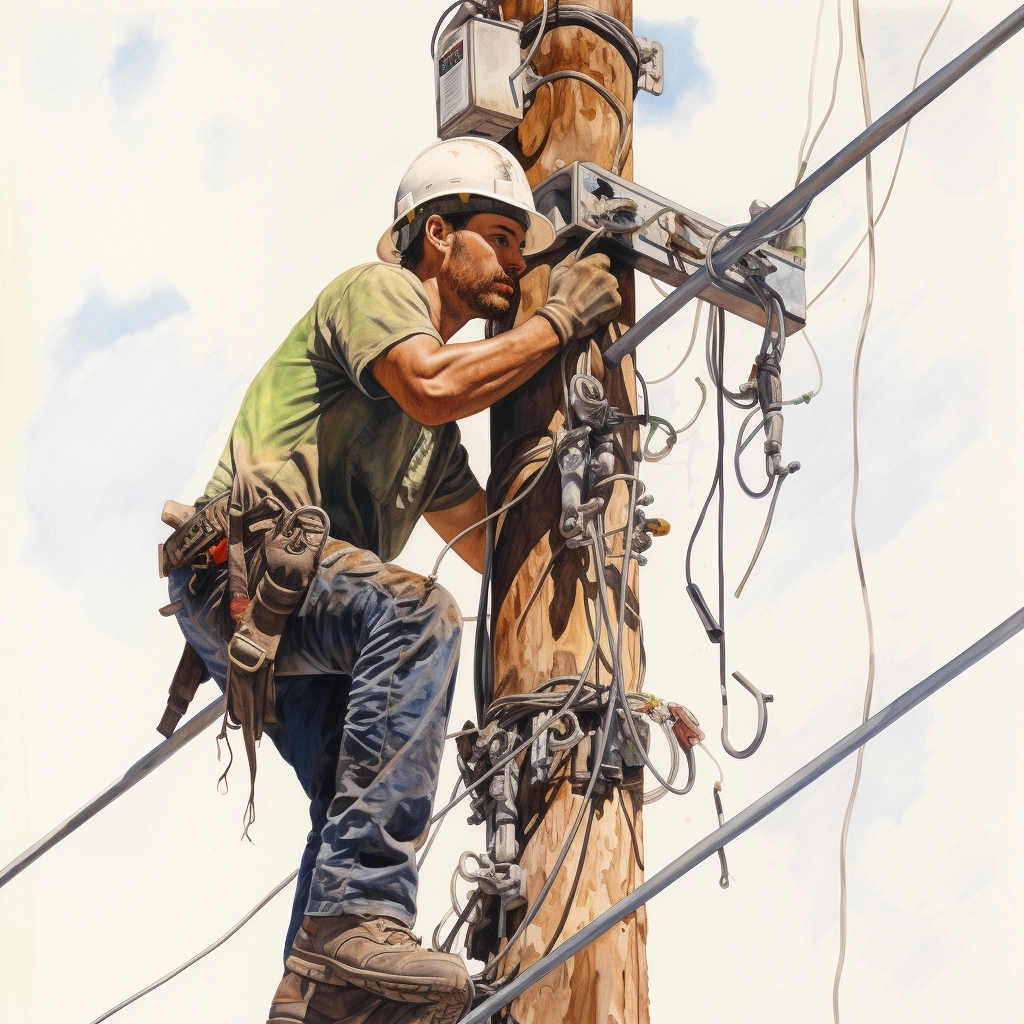
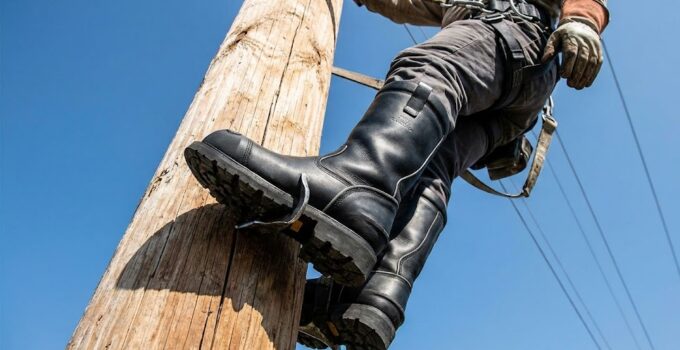
The best lineman boots combine a defined heel, tall shaft for support, and a heavy-duty shank.
Quick Picks: Top 5 Lineman Boots for 2026
Here are our top picks that deliver on the core needs of a professional lineman:
| Award | Boot Model | Best For | Key Feature | Safety Toe? | Price |
|---|---|---|---|---|---|
| 🏆 Best Overall (Climbing) | Carolina 10″ Linesman Boot (EH) | Climbing Support & Durability | Dual Steel Shanks, Logger Heel | Steel/Composite | $$$–$$$$ |
| 💪 Most Durable (Premium) | Nicks Lineman Boots | Lifetime Investment & Custom Fit | Hand-Crafted, Fully Resolable | Composite | $$$$$ |
| ⚡ Best Hybrid Composite | JK Boots Climber | Lighter Weight & Electrical Safety | Composite (Non-Conductive), Vibram | Composite | $$$$$ |
| ☁️ Best All-Day Comfort | Thorogood American Heritage 8″ | Walking Comfort & Versatility | MAXWear Wedge Sole (Non-Climbing) | Steel / Moc | $$$ |
| 🔥 Best Waterproof/Insulated | Ariat Powerline 400g | Cold/Wet Conditions & Stability | 400g Thinsulate™, Waterproof Pro™ | Steel/Composite | $$$$ |
The Lineman’s Boot Bible: What Actually Matters in 2026
Choosing the right lineman boots is crucial for your safety and comfort. Here are the specific features our experts always look for:
1. The Heavy-Duty Shank (The “Standing Platform”)
This is arguably the most important feature. The shank is a rigid plate (almost always steel in a true lineman boot) built into the midsole. Its job is to create a rigid, stable platform. When you’re standing on a narrow pole gaff or tower peg for hours, this shank is what supports your entire body weight and prevents your arch from collapsing in agonizing pain. A weak shank (like fiberglass or nylon) will flex and cause severe foot fatigue.
2026 Update: Leading brands like Carolina now offer dual, asymmetrical steel shanks that follow the natural contours of left and right feet separately, providing superior comfort without sacrificing support. Premium brands like Nicks use hand-forged steel shanks that mold to your foot over time, improving with use.
2. The Defined 90-Degree Heel (The “Climbing Hook”)
For climbing, a defined 90-degree logger-style heel is non-negotiable. This sharp, defined heel is designed to lock securely onto ladder rungs and climbing gaffs. A wedge sole boot (like the Thorogood Heritage, our “comfort” pick) is excellent for walking on the ground but is not safe for pole climbing as it provides no locking point.
3. Boot Height & Ankle Support (8-Inch Minimum, 10-Inch Optimal)
Lineman work requires maximum ankle stability. You need a tall boot shaft, typically 8 to 10 inches (or even higher). This height provides critical support against ankle rolls when walking on uneven terrain, landing from a jump, or shifting weight on a pole. The 10-inch height is increasingly preferred by professional linemen for superior shin and ankle protection.
4. Electrical Hazard (EH) Rating
This is a critical safety certification. Look for boots that are EH Rated (meeting ASTM F2413 or F2892 standards). This means the sole and heel construction are designed to provide secondary protection against accidental contact with live electrical circuits up to 18,000 volts in dry conditions. Never compromise on this.
2026 Update: Maintenance is now widely recognized as critical—worn soles or wet conditions can compromise EH protection. Inspect your boots regularly and replace them if the sole shows penetrations or wear.
5. Durable, Resolable Construction (Goodyear Welt or Stitchdown)
These boots face extreme abuse. Goodyear Welt or Stitchdown construction is essential. This means the upper is stitched, not just glued, to the sole. This method is incredibly durable and, most importantly, allows the boot to be resoled by a cobbler. When you wear out the sole (and you will), you can replace it instead of buying a whole new $300+ boot, potentially extending the boot’s life to 5–15 years with multiple resoles.
Top 5 Best Lineman Boots: Detailed Reviews
🏆 1. Best Overall (Climbing): Carolina 10″ Linesman Boot (EH)

- Protection for Demanding Tasks: The Carolina Elm Logger Steel Toe Boots deliver unrivaled safety with their sturdy steel toe design and robust construction for challenging work environments. Perfect for linemen and logging boots, they're crafted to withstand rigorous use while maintaining comfort
- Waterproof Design for All-Weather Use: These logger boots for men are engineered with waterproof technology to ensure dry comfort in wet conditions. Whether tackling outdoor tasks or navigating tough terrains, these mens work boots waterproof feature provides reliable protection from the elements
- Comfort with Memory Foam: Enjoy all-day comfort with Pillow Cushion Memory Foam Footbed that adapts to your foot's shape for personalized support. Ideal for long work hours, these boots provide the comfort of mens lace up work boots combined with the durability of traditional logger boots for men
- Electrical Hazard Safety: Designed to protect against electrical hazards, these logger boots provide peace of mind on any job site. They merge the functionality of steel toe boots for men work with the safety needed for demanding industrial tasks
- Durable Steel Shank Support: Featuring a triple-rib steel shank, these work boots for men provide enduring stability for challenging conditions. They combine the ruggedness of lineman boots with the sleek style of mens leather work boots for the ultimate in supportive footwear
The Honest Take:
This boot is a purpose-built tool for climbing. It’s not a comfortable walking boot; it’s a stable, protective platform. The 10-inch height provides maximum ankle support, and the dual heavy-duty steel shanks are rock-solid for standing on gaffs.
Carolina now offers both steel-toe and composite-toe variants, with the composite option being 30-40% lighter while maintaining the same ASTM impact protection rating. It features an aggressive logger heel for climbing, waterproof SCUBALINER™ membrane, and the critical EH rating.
It’s a heavy, stiff boot that requires a serious break-in, but for pure, uncompromising safety and support on the pole, this is the industry standard for a reason.
Pros & Cons
| Pros | Cons |
|
|
Best For: Linemen who spend the majority of their time climbing poles and need maximum support and safety.
💪 2. Most Durable (Premium Handmade): Nicks Lineman Boots
The Honest Take:
Nicks Lineman Boots represent the pinnacle of American bootmaking craftsmanship. Each boot is hand-crafted using ultra-tough smooth or roughout full-grain leather, with a hand-forged steel shank that molds to your foot over time. These boots are fully customizable—you choose leather type, arch height, width, and height.
The stitchdown construction is resolable indefinitely, making them a true “buy-it-for-life” investment. Lineman Central and professional climbing organizations recognize Nicks as the preferred choice for workers prioritizing durability and long-term value. The break-in is serious and the price is significant, but after the initial period, many users report these become the most comfortable pair they’ve ever owned.
Pros & Cons
| Pros | Cons |
|
|
Best For: Professional linemen seeking a “buy-it-for-life” boot, those willing to invest in premium American craftsmanship, and workers who want a deeply personalized fit.
⚡ 3. Best Hybrid Composite Toe: JK Boots Climber
The Honest Take:
JK Boots Climber is the composite-toe alternative to traditional steel-toe lineman boots and represents a significant trend shift in 2025–2026. Like Nicks, JK Boots is handmade in Spokane and offers full customization, but with a composite safety toe that provides identical ASTM impact protection while being 30–40% lighter and completely non-conductive—crucial for electrical workers.
The composite toe also provides more toe-box space, which many linemen prefer. Users report a faster break-in than Nicks due to slightly softer leather, while maintaining lifetime durability through resolable stitchdown construction. The Vibram sole provides exceptional traction on wet poles and steel structures.
Pros & Cons
| Pros | Cons |
|
|
Best For: Linemen working around energized equipment (composite toe is non-conductive), those wanting lighter weight without sacrificing durability, and climbers who prefer more toe-box room.
☁️ 4. Best All-Day Comfort: Thorogood American Heritage 8″ Moc Toe

- AMERICAN MADE men’s work boots made in the USA with USA and globally sourced components
- DURABLE & COMFORTABLE full-grain leather boots with removable dual-density Ultimate Shock Absorption footbeds, Poron cushion insoles, and durable rubber midsoles. These moc toe boots for men have roomy toe boxes with plenty of space
- STEEL TOE boots for men provide ASTM F2413-18 certified protection from impact and compression hazards on the job
- SLIP-RESISTANT MAXWear Wedge work boots protect from on-the-job slips and falls. Outsole is resistant to oil and abrasion. Goodyear storm welt construction ensures a durable and resoleable work boot
- EH RESISTANT men’s boots meet ASTM F2413-18 electrical hazard resistance safety standards and are the go-to choice for a carpenter, construction worker, mechanic, electrician, maintenance or HVAC technician, heavy equipment operator, ironworker, pipefitter, welder, or anyone else who needs comfortable safety toe protection while doing tough jobs
The Honest Take:
This is NOT a climbing boot. We’ve included it because many linemen spend 70% of their day on groundwork, in the shop, or walking on concrete, and only 30% climbing. For that type of work, a logger heel is painful.
The Thorogood wedge sole provides legendary, out-of-the-box comfort on flat, hard surfaces. The 8-inch height still offers good ankle support, and it’s EH rated with a steel toe. This is the boot for groundwork days, not for spending 8 hours on a pole.
Pros & Cons
| Pros | Cons |
|
|
Best For: Linemen doing primarily groundwork, shop work, or walking on concrete; a great “second pair” for non-climbing days.
🔥 5. Best Waterproof & Insulated: Ariat Powerline 400g
The Honest Take:
The Ariat Powerline 400g is specifically engineered for linemen and combines exceptional waterproofing with serious climbing support. It features Ariat’s exclusive extra-wide, extra-long steel shank that provides superior support during climbs and extended standing.
The Waterproof Pro™ construction uses full-grain leather that’s impermeable to water, paired with 400g Thinsulate™ Ultra insulation and a removable kiltie for versatility. The Vibram® outsole with Ariat’s exclusive tread pattern provides exceptional grip on poles and ladders.
This is a premium all-weather boot ideal for linemen in cold or wet climates. It’s a pull-on style with an external heel protector, making it fast to get on and off the job. The only drawback is the 400g insulation makes it hot for summer work.
Pros & Cons
| Pros | Cons |
|
|
Best For: Linemen working in cold, wet, or snowy climates; all-weather reliability and premium comfort; those needing serious insulation.
Emerging Brands & Models to Watch (2026)
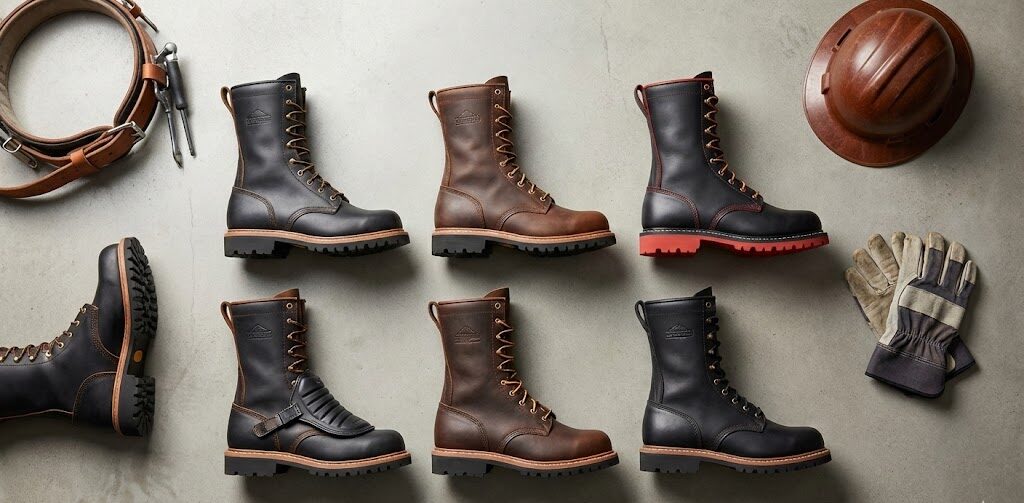
best lineman boots 2
The lineman boot market continues to evolve with innovative brands entering the premium segment. Here are models worth considering:
Meindl Eureka Lineman Boot (Mountaineering-Inspired)
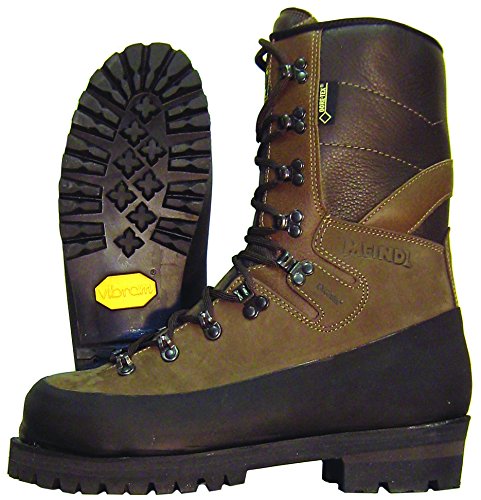
- Meindl / Hoffman Technology for an outstanding lineman boot
- Hoffman's Dual steel shanks for outstanding climbing support
- Steel Toe meets 2413-11 safety toe standard and EH rated
- Water resiatant liner added
- M/W Width
A 2025 release from the premium Austrian/German brand Meindl, sold through Hoffman Boots. Features a mountaineering heritage with extreme durability, dual steel shank system, and European precision. Praised for exceptional ankle support and precision fit. Price: $500–$650.
Red Wing 81116 Lineman Boot (American Classic)
A trusted option from the 120-year-old Red Wing Shoes company. Thick leather upper with Vibram sole, cork midsole, and Goodyear Welt construction. Solid mid-range alternative to Carolina. Price: $300–$400.
Zamberlan Mountain Lite GTX RR S3 (ISO-Certified, New 2025)
Italian-made boots engineered for linemen and mountain operations workers. Features Gore-Tex waterproofing, anti-static construction, and ISO 20345:2022 S3 certification. Premium quality with European craftsmanship. Price: $550–$750.
Wesco Highliner (Custom American-Made)
Legendary Pacific Northwest brand offering fully custom lineman boots. Hand-crafted in Portland with customer-specific modifications. Comparable to Nicks in quality with slightly different last design. Price: $550–$800.
How to Care for Your Lineman Boots (Updated 2026 Best Practices)
Proper care is crucial for extending the life of your expensive, resolable boots and maintaining EH protection:
Regular Cleaning
Use a boot brush to remove dirt and debris, especially from the welt stitching and heel. Clean weekly, especially after working in mud or wet conditions. For stubborn stains, use a damp cloth with mild soap—never pressure washers or aggressive chemicals.
Condition the Leather
Apply a quality leather conditioner or boot oil (Obenauf’s, mink oil, or brand-specific products) every 3–6 months. This keeps the thick leather from drying out, cracking, and splitting. More frequent conditioning (monthly) is recommended if exposed to rain, heat, mud, or salt.
Dry Properly
Never use direct heat (radiators, fires) to dry wet boots. This destroys the leather. Stuff them with newspaper or, ideally, use a low-heat boot dryer overnight in a well-ventilated area.
Inspect Your Heels & Soles
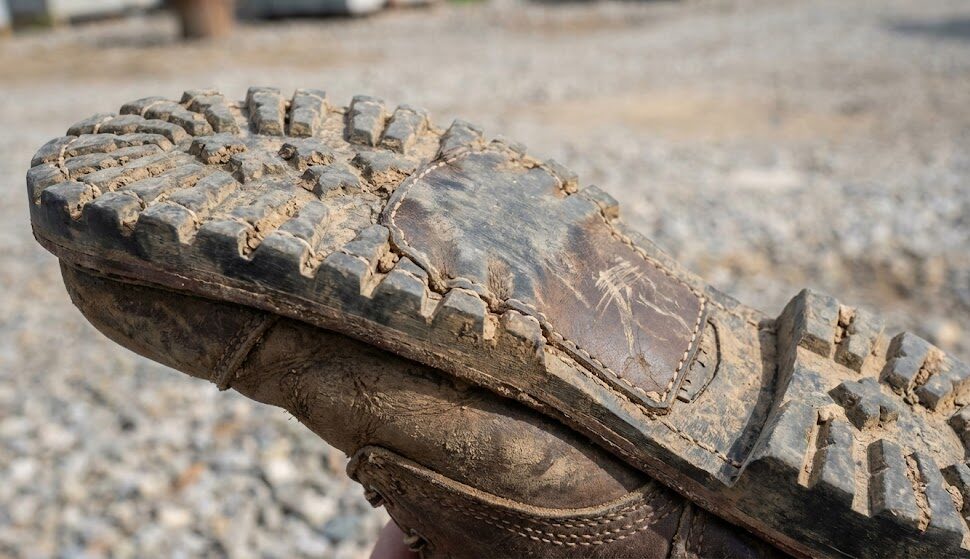
The 90-degree heel edge is a safety feature. If it gets worn down and rounded, it’s time for a resole. A cobbler can replace the sole while preserving the upper. Also inspect the sole for penetrations; worn or damaged soles can compromise EH protection.
Storage
Store boots in a cool, dry place. Use boot trees or stuff with newspaper to maintain shape. Avoid plastic bags or airtight containers—leather needs to breathe.
Frequently Asked Questions (FAQ)
best lineman boots33
Here are the common questions linemen ask:
Can I use lineman boots for other types of work?
Yes, but be aware they are heavy and stiff. They are excellent for any job requiring a defined heel for ladders (like roofing or framing) or extreme ankle support. They are not comfortable for walking long distances on flat concrete (a wedge sole is better). Composite-toe lineman boots are ideal for electricians and other electrical hazard environments.
How do I choose the right size for lineman boots?
Most high-end logger and lineman boots (like Nicks or JK Boots) are built on a specific “last” (foot mold). It’s highly recommended to check the manufacturer’s sizing guide. Many people size down a half-size. Always try them on with your thickest work socks. Premium brands like Nicks and JK Boots provide detailed sizing guidance and custom fitting.
What is the average lifespan of lineman boots?
This depends on the abuse. With heavy climbing, you may wear out the sole in 1-3 years. However, because these boots are built with resolable Goodyear Welt or Stitchdown construction, the leather uppers (if properly cleaned and conditioned) can last for 5, 10, or even 15 years with multiple resoles.
Are lineman boots suitable for hot weather?
They can be very hot, especially 8-inch or 10-inch insulated, waterproof models. If you work in a hot climate, look for non-insulated and non-waterproof versions. A non-waterproof boot will breathe much better, and you can pair it with quality merino wool socks to manage sweat.
What’s the difference between composite-toe and steel-toe lineman boots?
Steel toe is more durable under extreme abuse and generally cheaper. Composite toe (now offered by Carolina and JK Boots) is 30–40% lighter, non-conductive (safer around electricity), doesn’t transfer temperature extremes, and provides more toe-box space. Both meet identical ASTM impact protection standards (75 foot-pounds). Composite is gaining market share in 2025–2026 for electrical workers.
How do I maintain EH protection in my boots?
EH rating is only guaranteed when boots are new. After leaving the factory, boots are not retested. To ensure continued protection:
- Inspect soles regularly for penetrations, cracks, or wear
- Avoid wet conditions or standing water (water reduces EH effectiveness)
- Replace boots if soles show signs of damage
- Keep boots clean and dry
Conclusion
When it comes to lineman boots, “good enough” is a dangerous compromise. Your boot is a critical piece of safety equipment. Prioritize the non-negotiable features: a heavy-duty shank (steel or dual-shank) for support, a defined 90-degree heel for climbing safety, a tall 8–10-inch shaft for ankle support, and a certified EH rating.
For linemen who spend most of their time climbing, the Carolina 10″ Linesman Boot remains the best value-for-money option delivering maximum safety and support. For those who demand “buy-it-for-life” quality and are willing to invest premium capital, the Nicks Lineman Boots and JK Boots Climber (with composite-toe innovation) are in a class of their own, offering lifetime durability and personalized fit.
For groundwork and all-day comfort on concrete, the Thorogood American Heritage 8″ is unbeatable. For cold, wet climates, the Ariat Powerline 400g offers all-weather reliability.
Invest in high-quality boots that are built to last and can be resoled—your feet and your safety depend on it. In 2026, the convergence of traditional craftsmanship (Nicks, JK, Wesco) and modern innovation (composite toes, advanced waterproofing, asymmetrical shanks) offers linemen more informed choices than ever before.