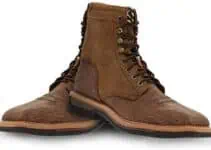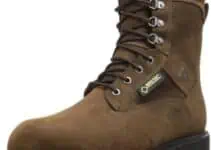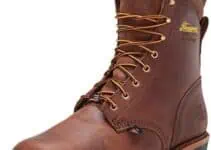
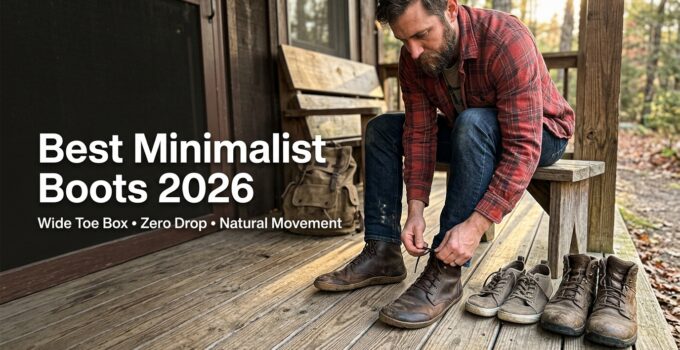
Most people approach minimalist boots the wrong way. They either dive into full barefoot footwear overnight and injure themselves, or they dismiss the concept entirely after one bad experience with a thin-soled shoe. The truth sits somewhere in the middle — and this guide shows you where to start based on where you are right now.
We’ve updated this list for 2026 with 10 boots that cover the full spectrum: true zero-drop barefoot boots (Vivobarefoot, Xero), solid transitional options (Altra, Merrell), and lightweight work-site choices for people whose job demands a little more underfoot protection. Every product below is currently available on Amazon with verified pricing.
Quick Overview: Best Minimalist Boots 2026
| # | Boot | Category | Best For | Check Price |
|---|---|---|---|---|
| 1 | Vivobarefoot Tracker Forest ESC | True Barefoot | Barefoot converts who want a real work-capable boot | View on Amazon |
| 2 | Vivobarefoot Tracker Leather | True Barefoot | Everyday wear, commuting, light trails | View on Amazon |
| 3 | Vivobarefoot Tracker Textile AT | True Barefoot | Barefoot hiking and backpacking | View on Amazon |
| 4 | Xero Scrambler Trail Mid WP | Barefoot / Transitional | Wet weather zero-drop hiking | View on Amazon |
| 5 | Altra Lone Peak 9 WP Mid | Transitional | Zero-drop with cushion for long-distance comfort | View on Amazon |
| 6 | Merrell Work Moab 3 Mid WP | Transitional Work | On-site workers needing low-drop protection | View on Amazon |
| 7 | Merrell Moab 3 Mid GTX | Transitional Hiking | Hiking in wet conditions with natural foot feel | View on Amazon |
| 8 | Merrell Moab 2 Vent | Budget Transitional | Minimalist feel on a tight budget | View on Amazon |
| 9 | Danner Vicious 4.5″ NMT | Low-Drop Safety | Work sites requiring safety toe with low heel drop | View on Amazon |
| 10 | CAT Excavator Superlite WP | Lightweight Work | Workers transitioning away from heavy traditional boots | View on Amazon |
What Makes a Boot “Minimalist”? A Plain-English Buying Guide
minimalist boots explained by en… 202606050743
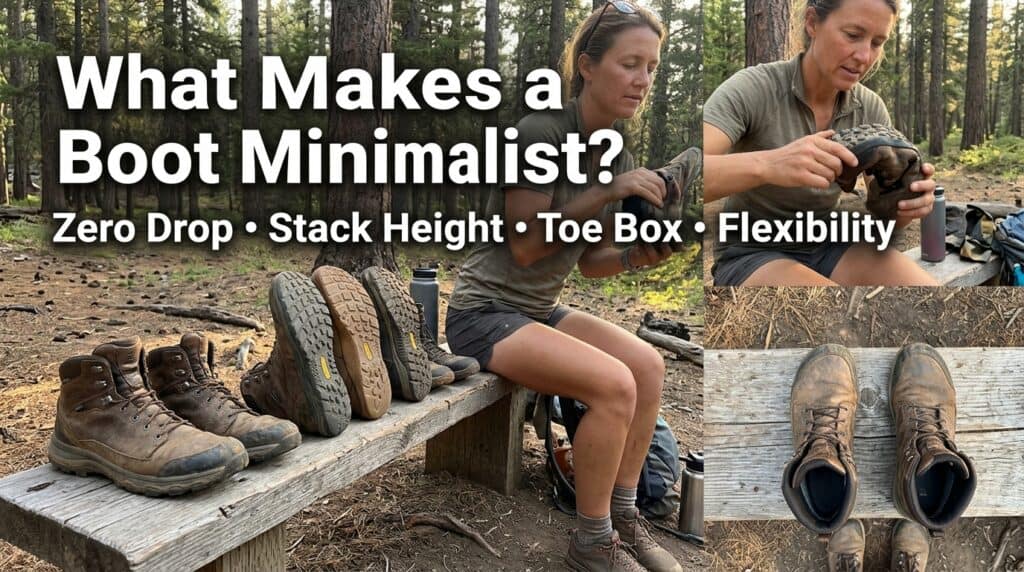
Before diving into the reviews, it’s worth understanding what you’re actually shopping for. “Minimalist” means different things to different brands, and buying the wrong level can set back your foot health rather than improve it.
Zero Drop vs Low Drop
Drop refers to the height difference between the heel and the toe of a boot. A traditional work boot typically has 10–14mm of heel drop — the heel sits significantly higher than the toe. Zero drop means both sit at exactly the same height, which puts your foot in a more natural, flat position. Low drop sits in between, usually 4–8mm. If you’ve worn elevated heels your whole life, your Achilles tendon and calves have shortened to that position. Switching to zero drop overnight stresses those tendons — which is why the transition section below matters.
Stack Height
Stack height is how thick the midsole + outsole is beneath your foot. A true barefoot boot might have 5–8mm of sole total. A transitional boot typically sits between 18–26mm. The thinner the stack, the more ground feel you get — but also the less shock absorption. This isn’t inherently bad; research shows that sensory feedback from the ground actually improves balance and posture, but your feet need time to adapt.
Toe Box Shape
This is the most overlooked spec. A foot-shaped toe box — wide at the widest point of the foot, not tapered — allows your toes to splay naturally when you walk and stand. Most conventional boots taper toward a narrow point, compressing the toes over time. Vivobarefoot and Xero are the most aggressive about foot-shaped toe boxes. Altra uses their “FootShape” design. Merrell’s boxes are moderate — better than average, but not truly foot-shaped.
The Flexibility Test
Pick up the boot and try to roll the sole in your hand. A genuinely minimalist boot should flex easily end-to-end. If it resists or only bends slightly at the ball of the foot, it’s a stiff-soled boot regardless of what the marketing says. Vivobarefoot and Xero pass this test with no effort. Altra passes reasonably well. The Merrells require a bit more force but still flex far more than a traditional work boot.
The Transition Rule — Read This Before You Buy
If you’re currently wearing boots with 10mm+ of heel drop, don’t jump straight to zero-drop barefoot boots. Your calf muscles, Achilles tendons, and plantar fascia need 8–12 weeks of gradual adaptation. Start by wearing your new minimalist boots for 1–2 hours per day in low-intensity situations, then increase by 15–20 minutes each week. Skipping this step is how people end up with Achilles tendinopathy or plantar fasciitis and blame barefoot footwear.
If you’re brand new to minimalist footwear: Start with the Altra Lone Peak 9 WP Mid or Merrell Moab 3 Mid GTX — zero drop but more cushion. Move to Xero after 8 weeks. Move to Vivobarefoot after another 8 weeks if you want to go further. There’s no prize for going barefoot the fastest.
The Minimalist Spectrum
| Boot | Drop | Stack Height | Toe Box | Good Starting Point? |
|---|---|---|---|---|
| Vivobarefoot Tracker Forest ESC | 0mm | ~5mm | Wide / Foot-shaped | No — for experienced barefoot users |
| Vivobarefoot Tracker Leather | 0mm | ~5mm | Wide / Foot-shaped | No — experienced users only |
| Vivobarefoot Tracker Textile AT | 0mm | ~5mm | Wide / Foot-shaped | No — experienced users only |
| Xero Scrambler Trail Mid WP | 0mm | ~14mm | Wide | Intermediate — some prior adaptation needed |
| Altra Lone Peak 9 WP Mid | 0mm | ~25mm | Foot-shaped | Yes — best first zero-drop boot |
| Merrell Work Moab 3 Mid WP | ~6mm | ~20mm | Moderate | Yes — comfortable entry point |
| Merrell Moab 3 Mid GTX | ~6mm | ~20mm | Moderate | Yes — comfortable entry point |
| Merrell Moab 2 Vent | ~6mm | ~20mm | Moderate | Yes — budget entry option |
| Danner Vicious 4.5″ | ~4mm | ~15mm | Moderate | Yes — for safety-toe workers |
| CAT Excavator Superlite | ~8mm | ~20mm | Standard | Yes — lightweight work entry |
man putting on minimalist boots 202606050743
10 Best Minimalist Boots: Detailed Reviews
1. Vivobarefoot Tracker Forest ESC — Best True Barefoot Work Boot

The Tracker Forest ESC is the gold standard for anyone who has fully transitioned to barefoot footwear and needs a boot that can handle real outdoor terrain. It has a 3mm puncture-resistant sole — thin enough to feel every contour underfoot, tough enough to handle rocky trails, gravel paths, and light construction work. The upper is made from recycled PET fabric with a natural rubber sole that grips confidently on wet rock. Nothing about this boot compromises on the barefoot principles: zero drop, no arch support, no raised heel, and a toe box wide enough that your toes can splay and grip actively as you walk.
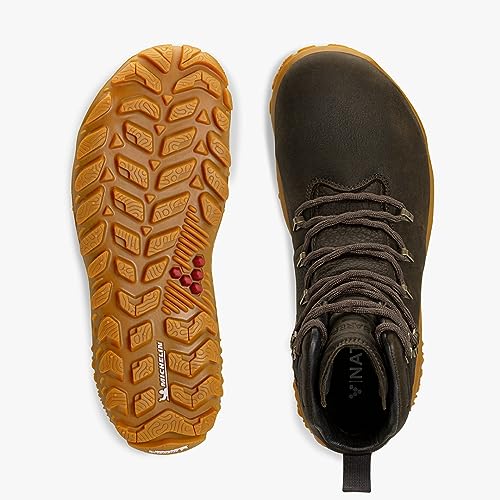
Where most work-adjacent barefoot boots fail is durability — they use materials that look solid but fall apart within a season. Vivobarefoot uses full-grain leather and robust stitching throughout, and the ESC (Enhanced Sensory Cushioning) outsole layer has more tread depth than their earlier models without sacrificing ground feel. The boot is also completely repairable through Vivobarefoot’s own repair program, which matters when you’re spending this much money on footwear.

Who it’s for: People who have already been wearing barefoot footwear for 3+ months and want to move into a more rugged, work-capable option. Trail hikers, outdoor workers on non-hazardous sites, and anyone doing serious off-road walking.
Who it’s NOT for: Anyone still transitioning from conventional boots. Wearing these before your tendons and feet have adapted will cause pain. Also not suitable for workplace environments requiring safety toe protection.
Main flaw: The price is steep, and sizing runs slightly narrow in the midfoot despite the wide toe box — order a half size up if you’re between sizes.
→ Check Price on Amazon: Vivobarefoot Tracker Forest ESC
2. Vivobarefoot Tracker Leather — Best Minimalist Everyday Boot
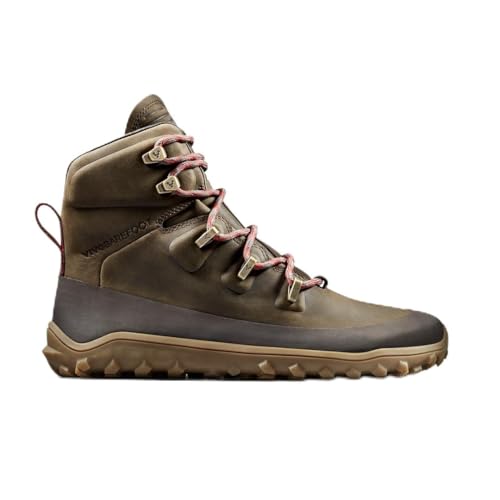
If the Forest ESC is a field boot, the Tracker Leather is what you wear when you need barefoot principles in a boot that doesn’t look out of place in town. Full-grain leather upper, clean lines, and a Chelsea-adjacent aesthetic make this one of the few genuinely attractive barefoot boots on the market. The sole construction is identical to the Forest ESC — 3mm puncture-resistant natural rubber — so you’re not sacrificing anything in terms of foot mechanics. The ankle height gives you some stability on uneven terrain without the bulk of a traditional hiking boot.
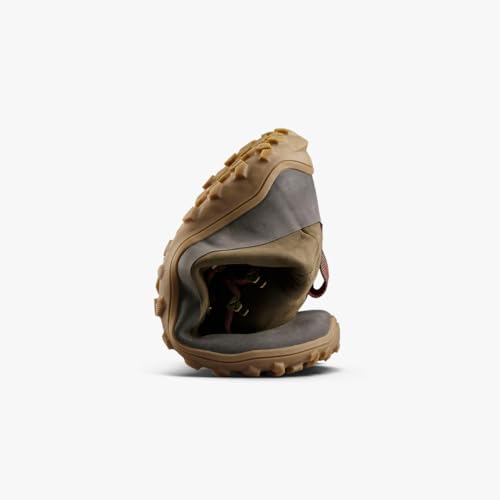
Vivobarefoot designed the Tracker Leather to age well: the full-grain leather develops a patina with use and responds well to conditioning. The lacing system is straightforward and secure. The insole is minimal and removable — Vivobarefoot actually sells custom insoles separately for barefoot beginners who need a staged transition, which is one of the more practical things a barefoot brand has ever done.

Who it’s for: Experienced barefoot walkers who want something polished enough for work or casual settings. Also excellent for travellers who need one boot that does multiple jobs.
Who it’s NOT for: People who stand on concrete all day in one position — the lack of cushion will fatigue feet that haven’t adapted. Also not a hiking-specific boot; the leather upper doesn’t breathe as well as mesh on hot days.
Main flaw: Leather requires conditioning and care — if you’re looking for a low-maintenance boot, the Textile AT below is a better fit. Also runs about $20–30 more than similarly spec’d competition.
→ Check Price on Amazon: Vivobarefoot Tracker Leather
3. Vivobarefoot Tracker Textile AT — Best Barefoot Hiking Boot

The Textile AT is Vivobarefoot’s dedicated hiking option — lighter than the leather versions, more breathable, and built for sustained trail use. The upper combines recycled textile with reinforced overlays at the toe and heel for abrasion resistance. The sole is the same 3mm puncture-resistant construction with a slightly more aggressive tread pattern designed for trail grip. On rocky terrain, scrambling descents, and rooted forest paths, this boot performs exceptionally well for its weight and stack height. Your feet actually work — balancing, gripping, and adapting to the ground beneath them — rather than being passive passengers inside a stiff shell.
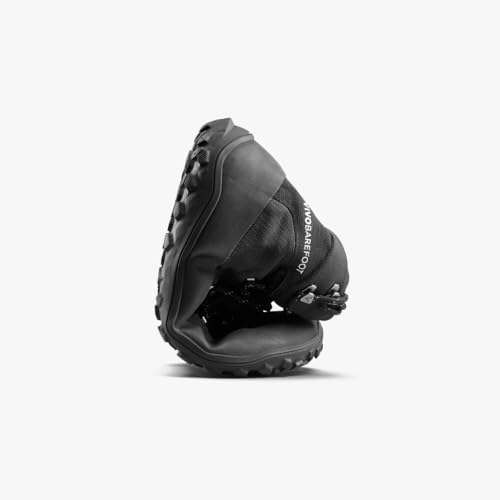
The ankle collar is padded but not bulky, and the lacing reaches high enough to give real ankle support through lace tension rather than rigid structure. Weight is noticeably less than the leather versions — you’ll feel the difference on long ascents. The boot is available in both standard and wide versions, which is rare in barefoot footwear and appreciated.

Who it’s for: Experienced barefoot hikers, trail runners transitioning to boots, and anyone doing multi-day trips who wants their feet to arrive in better shape than when they left.
Who it’s NOT for: Casual walkers or beginners. Also not ideal for very cold conditions — the textile upper doesn’t insulate as well as leather in sub-zero temperatures. Not waterproof (water-resistant at best in sustained rain).
Main flaw: Not waterproof — in heavy rain or stream crossings, the textile will wet through. For wet weather, the Xero Scrambler WP below is a better choice in the zero-drop category.
→ Check Price on Amazon: Vivobarefoot Tracker Textile AT
4. Xero Scrambler Trail Mid WP — Best Waterproof Minimalist Boot
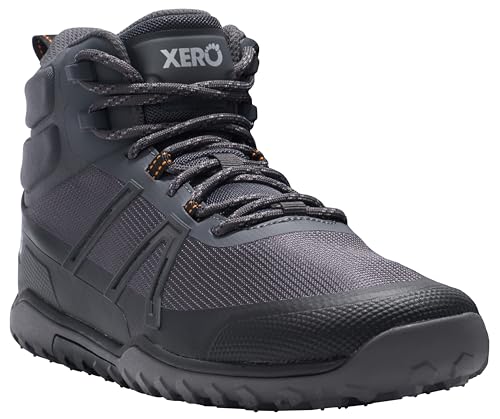
Xero Shoes has carved out a real niche in the minimalist market by building zero-drop footwear with more stack height than Vivobarefoot — which makes them the better starting point for intermediate converters. The Scrambler Trail Mid WP sits at around 14mm of stack (versus Vivo’s 5mm), which gives noticeably more cushioning while keeping the zero-drop geometry and the wide, foot-shaped toe box. The waterproofing is provided by a Xero-branded membrane that’s held up well in testing — not quite the confidence of Gore-Tex, but adequate for trail use in rainy conditions and river crossings up to a few inches deep.
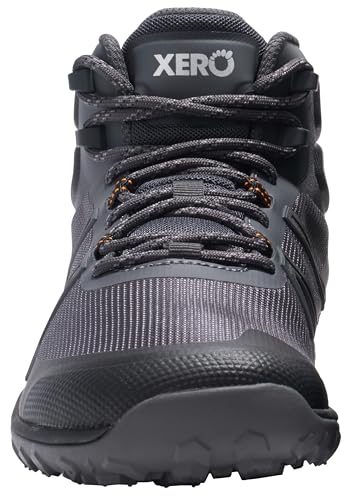
The mid-cut ankle provides meaningful lateral support without the stiffness of a traditional hiking boot. The outsole is a Vibram-like compound with multidirectional lugs that handle mud, wet rock, and gravel confidently. Compared to the Vivobarefoot options above, the Scrambler feels noticeably more cushioned underfoot — which is a feature, not a compromise, if you’re still in the transition phase.

Who it’s for: Barefoot enthusiasts who hike in wet climates and need a zero-drop option that won’t soak through. Also the best stepping stone between the Altra/Merrell transitional options and full barefoot Vivo-style boots.
Who it’s NOT for: People at the very beginning of their transition — jump to the Altra or Merrell first. Also not a work site boot; no safety toe options available in this model.
Main flaw: The waterproofing membrane reduces breathability noticeably — on hot summer days your feet will run warmer than in the non-WP version. If you mostly hike in dry conditions, the non-WP Scrambler saves money and keeps feet cooler.
→ Check Price on Amazon: Xero Scrambler Trail Mid WP
5. Altra Lone Peak 9 WP Mid — Best Transitional Zero-Drop Boot

If you’re coming from traditional footwear and you want to start the minimalist journey properly, this is the boot we recommend first. The Altra Lone Peak 9 WP Mid is zero drop — heel and toe sit at exactly the same height — but it has a 25mm stack height and meaningful cushioning in the midsole. That combination means you get the foot mechanics of zero-drop walking (flat stance, natural heel-to-toe transition, less knee stress) without the abrupt sensory shock of a 5mm barefoot sole. Altra’s FootShape toe box is genuinely wider than almost anything else at this price point and allows real toe splay without going all the way to a barefoot-shaped last.
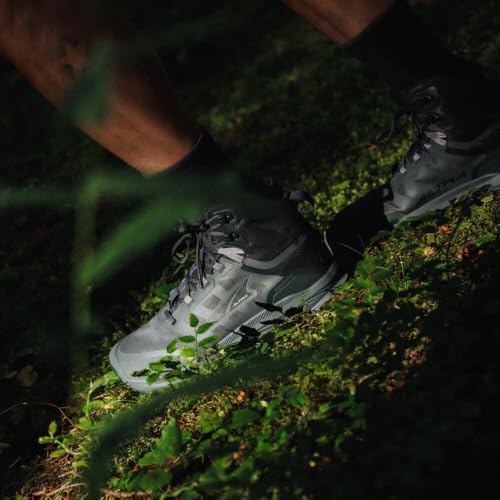
The waterproofing is handled by a Gore-Tex membrane on the WP Mid version — and it’s one of the more reliable waterproof setups in the Altra lineup. The Maxitrac outsole grips well on wet trail surfaces and loose gravel. At under 14oz per boot, it’s light for a waterproof mid-cut hiking boot. The Lone Peak 9 also improved the heel counter stiffness over the 8 — there’s better ankle retention without reducing flexibility through the forefoot.

Who it’s for: Anyone making their first move toward zero-drop footwear. Hikers who want a foot-shaped toe box and zero drop without sacrificing comfort on day-long trips. Trail runners who want a waterproof mid-cut option.
Who it’s NOT for: Work site use — no safety toe options and the midsole isn’t designed for sustained concrete or hard surface standing. Also runs slightly long; size down a half size from your usual Altra sizing.
Main flaw: The Lone Peak 9 midsole compresses noticeably under heavy backpacking loads — if you’re carrying 40+ lbs regularly, the cushioning degrades faster than expected. The non-WP version is lighter and breathes better for dry-condition hiking.
→ Check Price on Amazon: Altra Lone Peak 9 WP Mid
6. Merrell Work Moab 3 Mid WP — Best Minimalist Work Boot

The Work Moab 3 Mid WP is the version of Merrell’s iconic Moab built specifically for workplace environments — it meets ASTM F2413 safety standards and has a slip-resistant outsole rated for oily surfaces, while keeping the relatively low 6mm heel drop that makes Merrell feel more natural underfoot than most work boots. If you’re on a work site or industrial setting but want to start transitioning away from the heavy, stiff traditional work boot, this is where you start. The waterproof membrane keeps feet dry in mud, water, and wet concrete. The midsole uses Merrell’s air cushion system in the heel which absorbs shock without adding bulk.
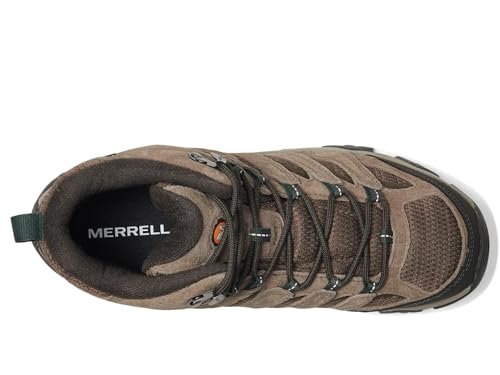
Compared to the hiking Moab versions, the Work variant has a reinforced toe cap, a more aggressive slip-resistant lug pattern, and a stiffer upper structure — all necessary for work site compliance. Despite this, it still bends through the forefoot far more freely than a Timberland PRO or Wolverine work boot. Workers who spend 10 hours a day on their feet regularly report less knee and lower back fatigue after switching to this boot. It’s not magic — it’s geometry: less heel elevation means less anterior pelvic tilt over long standing periods.
Who it’s for: Construction workers, landscapers, warehouse staff, and anyone on their feet all day in environments that require work boot certification. Especially useful for people experiencing knee or lower back pain with conventional high-drop work boots.
Who it’s NOT for: Job sites requiring steel or composite toe — this version is soft toe only. Check our guide to barefoot work boots with safety toes if you need impact protection.
Main flaw: Sizing is inconsistent across colorways — read current Amazon reviews for the specific color you’re buying before committing. The heel counter is also stiffer than the standard hiking version, which some users find uncomfortable until broken in.
→ Check Price on Amazon: Merrell Work Moab 3 Mid WP
7. Merrell Moab 3 Mid GTX — Best Transitional Hiking Boot
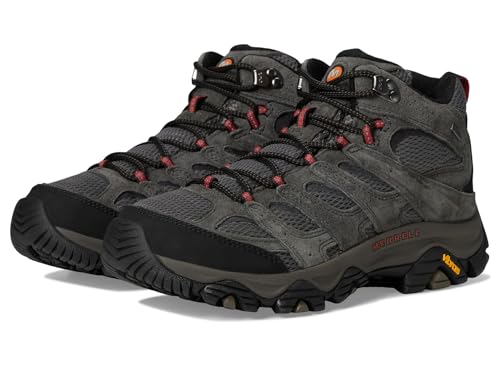
The Moab 3 Mid GTX is the current version of one of the best-selling hiking boots in the world — and it earns that status by being genuinely good rather than just widely distributed. The Gore-Tex waterproofing is among the most reliable in hiking footwear at this price point. The 6mm drop sits in the low-to-moderate range, and the midsole uses an air cushion system that provides solid shock absorption on descents without the artificial, disconnected-from-the-ground feeling of a maximalist midsole. The lugged Vibram outsole handles mud, gravel, wet rock, and packed dirt with equal confidence.

The Moab 3 update over the Moab 2 brought a revised last that’s slightly wider through the toe box and a more durable upper material that resists abrasion noticeably better. The Gore-Tex version breathes adequately for a waterproof boot — not as well as the non-GTX vent version, but better than many alternatives at the same price. Break-in is minimal; most hikers are comfortable within 2–3 hours of use, which is unusually fast for a hiking mid.

Who it’s for: Day hikers and weekend backpackers in wet climates. Anyone stepping down from a traditional high-drop hiking boot who wants a proven, reliable option. An excellent first step for flat-footed hikers who need moderate arch support alongside a lower drop. Also see our minimalist trail boot guide for lighter options.
Who it’s NOT for: True barefoot enthusiasts — the 6mm drop and cushioned midsole won’t satisfy anyone looking for genuine ground feel. Also not ideal for extended ridge walking or routes with significant lateral terrain stress; the upper flexes somewhat in very aggressive sidehilling.
Main flaw: The Moab 3 outsole wears faster than Salomon’s offerings at a similar price. If you’re putting in 600+ miles per year, you may be replacing the outsole or the boot within 18 months of heavy use.
→ Check Price on Amazon: Merrell Moab 3 Mid GTX
8. Merrell Moab 2 Vent — Best Budget Minimalist Boot

The Moab 2 Vent is the previous-generation non-waterproof Merrell hiking boot — and it’s still worth buying in 2026 because it regularly sells for $30–50 less than the Moab 3 GTX while sharing the same fundamental geometry: 6mm drop, moderate toe box, and the same air cushion midsole technology. For hikers in drier climates or anyone using this as a casual walking and transitional wear option, paying for the Gore-Tex waterproofing of the Moab 3 GTX is unnecessary. The Vent version is meaningfully more breathable on hot days, which matters for people on their feet all day in summer conditions.
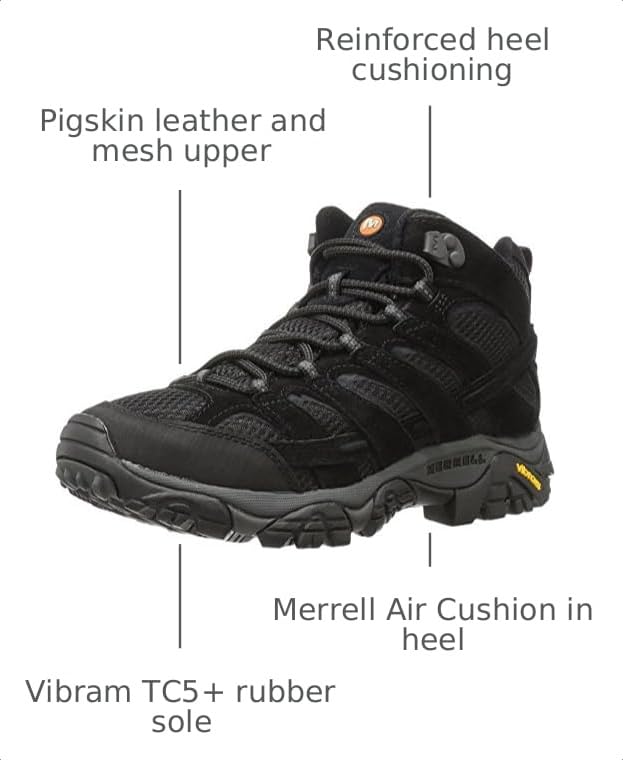
The Moab 2 Vent has a proven track record across hundreds of thousands of pairs — it’s been in continuous production for years because it works. The mesh upper breathes well, the Vibram outsole delivers reliable grip, and the fit is consistent. It’s not the lightest boot in its category and the upper material isn’t as durable as the Moab 3’s update, but as a budget entry point into lower-drop footwear, it’s hard to beat. We specifically recommend it for people who want to test whether the lower-drop geometry agrees with their body before committing to a more expensive option.

Who it’s for: Budget-conscious buyers testing low-drop boots for the first time. Hikers in dry climates. Casual walkers and light trail users who don’t need waterproofing. Also a solid choice as a second pair if you already have a waterproof option for wet conditions.
Who it’s NOT for: Wet weather hiking — the mesh upper wets through quickly and takes time to dry. Not suitable for work site environments. Not for anyone wanting to move toward true barefoot; start with this but plan to progress.
Main flaw: The previous-generation outsole compound wears faster than the Moab 3’s updated rubber. If you’re a high-mileage hiker, spend the extra money on the Moab 3. Also the mesh upper snags on thorns and brush more than leather or synthetic options.
→ Check Price on Amazon: Merrell Moab 2 Vent
9. Danner Vicious 4.5″ NMT — Best Low-Drop Safety Toe Boot
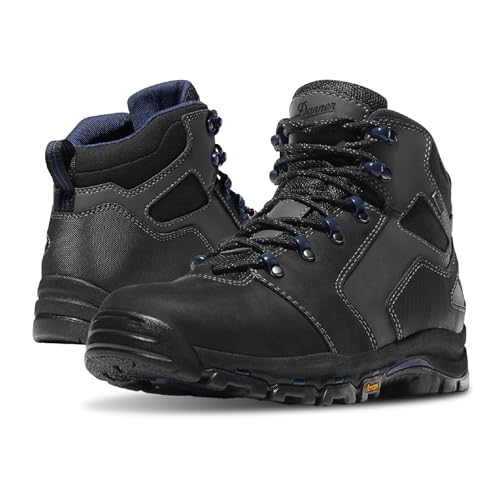
Finding a genuine minimalist boot with safety toe protection is harder than it sounds. Most safety toe work boots sit at 10–14mm of heel drop with rigid, non-flexible midsoles — the opposite of minimalist design. The Danner Vicious 4.5″ NMT (Non-Metallic Toe) manages approximately 4mm of drop and a relatively thin, flexible sole by work boot standards. The composite toe box meets ASTM F2413 impact and compression ratings. The Danner Terraforce outsole provides aggressive grip for construction, roofing, and other physically demanding trades. The upper is full-grain leather with waterproof construction throughout.
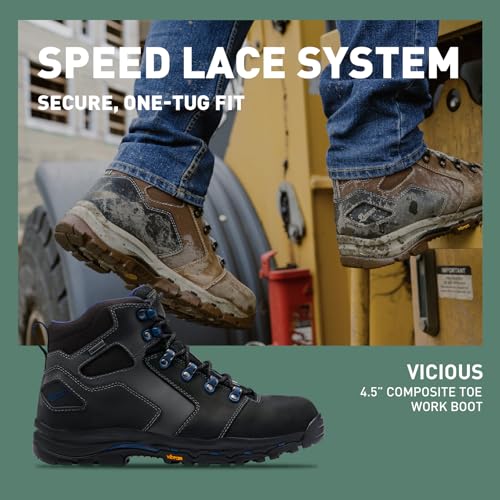
At 4.5 inches of ankle height, this boot sits lower than a traditional 6-inch work boot, which reduces weight and increases ankle mobility while still providing meaningful lateral protection. Danner’s reputation for durability is well-earned — the Vicious is resoleable, which matters when you’re spending premium money on footwear. For electricians and others needing EH-rated non-metallic toe protection with reduced heel elevation, this is currently the best option on the market. See our broader composite toe vs steel toe breakdown for more on toe protection types.

Who it’s for: Tradespeople on job sites requiring ASTM-rated toe protection who want to move away from high-drop, heavy traditional work boots. Electricians, carpenters, roofers, and general construction workers who prioritize foot health alongside safety compliance.
Who it’s NOT for: Barefoot enthusiasts — at 4mm drop it’s closer to a traditional work boot than a minimalist boot. It’s the most minimalist compliant safety toe option available, but it’s not a barefoot boot. Also expensive; expect to pay a premium for Danner quality.
Main flaw: Break-in period is real — the full-grain leather upper needs 2–3 weeks of regular wear before it fully conforms to your foot. Don’t wear these to a long job day on their first outing.
→ Check Price on Amazon: Danner Vicious 4.5″ NMT
10. CAT Excavator Superlite WP — Best Lightweight Work Boot
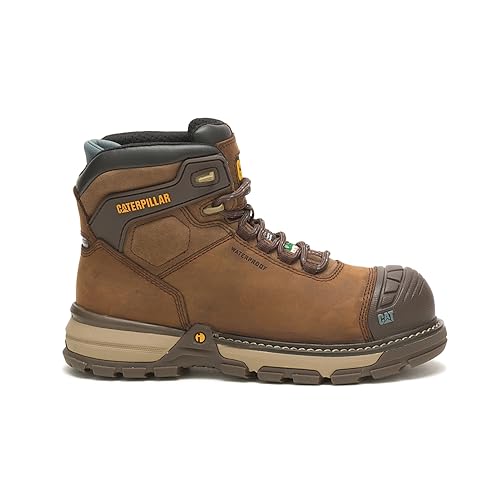
The CAT Excavator Superlite WP isn’t a minimalist boot in the strict zero-drop sense, but it’s the right boot for one specific group: workers currently wearing heavy, stiff traditional work boots who want to start moving toward something lighter and more natural before committing to a full minimalist transition. At around 8mm of heel drop and a dramatically lighter construction than most safety-rated work boots, it splits the difference between conventional work footwear and minimalist design. The waterproof membrane handles job site conditions well, and the slip-resistant outsole meets most worksite safety requirements.
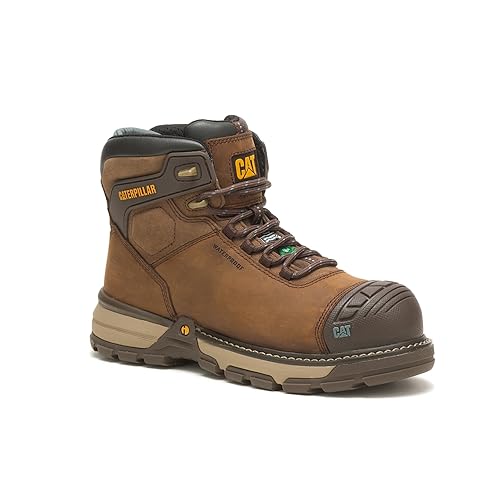
The “Superlite” name is earned — these are noticeably lighter than a CAT Second Shift or comparable Timberland PRO boot at the same approximate protection level. Many workers switching from 2+ lb boots to the Superlite report immediate reduction in end-of-day leg fatigue. The midsole is also softer and more responsive than typical work boot foam, which improves comfort on concrete and hard surfaces. For those currently experiencing foot or knee pain with heavy traditional work boots, this is the easiest first step to take before moving further along the minimalist spectrum.

Who it’s for: Workers making their first move away from heavy traditional work boots. Warehouse staff, construction workers on mixed surfaces, and anyone whose primary complaint about current footwear is weight and rigidity rather than protection level.
Who it’s NOT for: Barefoot enthusiasts — this is a starting point, not a destination. Also not suitable for heavy industrial environments where maximum protection is required; the lighter construction means reduced impact resistance versus heavier work boots.
Main flaw: The upper material wears faster than leather alternatives, particularly at the toe. In high-abrasion environments, the mesh and synthetic construction can show wear within 6 months of heavy use.
→ Check Price on Amazon: CAT Excavator Superlite WP
Frequently Asked Questions
What are the best minimalist boots in 2026?
The best true barefoot option is the Vivobarefoot Tracker Forest ESC — zero drop, 3mm sole, foot-shaped toe box. For beginners, the Altra Lone Peak 9 WP Mid is the best first zero-drop boot because it pairs zero drop with real cushioning. For work sites, the Danner Vicious 4.5″ NMT offers the lowest heel drop available in a safety-rated work boot. The Merrell Moab 3 Mid GTX is the best all-around transitional hiking boot.
What is zero drop and is it better than a raised heel?
Zero drop means the heel and toe sit at exactly the same height — like standing barefoot. A raised heel (common in most boots at 8–14mm) places your body weight slightly forward, which can contribute to shortened calf muscles, pelvic tilt, and knee stress over years of use. Zero drop is not automatically better — it depends on whether you’ve adapted to it. Transitioning too quickly from high-drop to zero-drop footwear can cause Achilles tendinopathy, plantar fasciitis, and calf strain. The benefits of zero drop only materialize after proper adaptation.
How do I transition to minimalist boots safely?
Don’t go cold turkey. Start with a transitional option (Altra Lone Peak or Merrell Moab — both are zero or low-drop with real cushioning). Wear them for 1–2 hours per day for the first two weeks, increasing by 15–20 minutes each week. After 8–10 weeks, you can start wearing them as your primary footwear. After 3–4 months, you’ll be ready to step down to a thinner sole like the Xero Scrambler. Progress to Vivobarefoot-level barefoot boots after 6+ months of zero-drop wear.
Are minimalist boots good for work sites?
With the right choice, yes. The Merrell Work Moab 3 Mid WP meets ASTM workplace safety standards with a low-drop construction. The Danner Vicious 4.5″ NMT provides ASTM-rated non-metallic toe protection with approximately 4mm of heel drop. Neither is a true barefoot boot, but both are far more minimalist in geometry than standard work boots. Jobs requiring metatarsal guards, electrical hazard protection above EH Class 00, or heavy falling object environments are not suitable for any of the boots on this list — see our work boots for flat feet guide for more protected options.
What’s the difference between barefoot and minimalist?
Barefoot footwear (Vivobarefoot, Xero Shoes) uses the thinnest possible sole — typically 3–8mm — with zero drop, no arch support, and a foot-shaped last. Minimalist footwear is a broader category that includes zero or low-drop boots with moderate cushioning (like Altra and Merrell) that move in the direction of natural foot mechanics without going fully barefoot. Most people are better served starting with minimalist and working toward barefoot gradually rather than jumping straight to the thinnest possible option.
Can minimalist boots cause injury?
Yes, if you transition too quickly. The most common injuries from rapid barefoot transitions are Achilles tendinopathy, plantar fasciitis, and stress fractures in the metatarsals. These occur because the calves, tendons, and small foot muscles that have been supported by cushioned footwear for years aren’t conditioned for full barefoot loading. Follow the gradual transition approach above — 8–12 weeks minimum — and increase mileage no faster than 10% per week. If you experience heel pain, sharp arch pain, or calf tightness that doesn’t resolve within a week, back off and slow the transition.
Check Current Prices
- Vivobarefoot Tracker Forest ESC → Amazon
- Vivobarefoot Tracker Leather → Amazon
- Vivobarefoot Tracker Textile AT → Amazon
- Xero Scrambler Trail Mid WP → Amazon
- Altra Lone Peak 9 WP Mid → Amazon
- Merrell Work Moab 3 Mid WP → Amazon
- Merrell Moab 3 Mid GTX → Amazon
- Merrell Moab 2 Vent → Amazon
- Danner Vicious 4.5″ NMT → Amazon
- CAT Excavator Superlite WP → Amazon