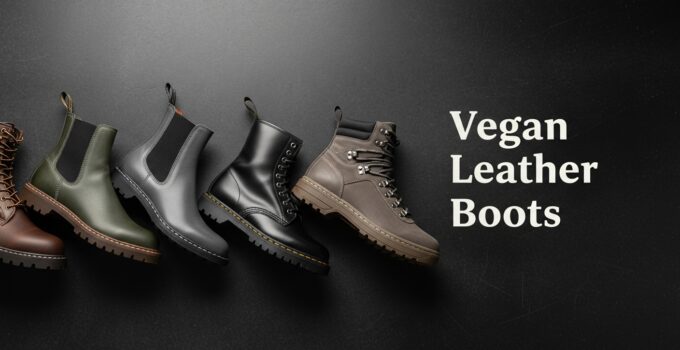
Let’s be honest: for years, “vegan leather” basically meant cheap plastic boots that turned into a sweaty oven and cracked by month three. We’ve all been there.
But 2025 is a different world. The vegan footwear market is exploding, and we’re no longer stuck with brittle PVC. Now we have Oeko-Tex microfibers, pineapple leather, and even materials made from recycled apple cores. Sounds cool — but does any of it actually last?
Here at BootsGuru, we don’t care about hype. We care about boots that survive rain, winter, commutes, and life. To cut through the greenwashed noise, we evaluate every pair using three simple pillars:
- Material Quality – breathable microfiber or sweaty plastic?
- Construction Integrity – Goodyear welted or glued throwaways?
- Ethical Manufacturing – sustainability or marketing fluff?
vegan leather boots
1. Materials Guide: What Are Vegan Boots Actually Made Of?
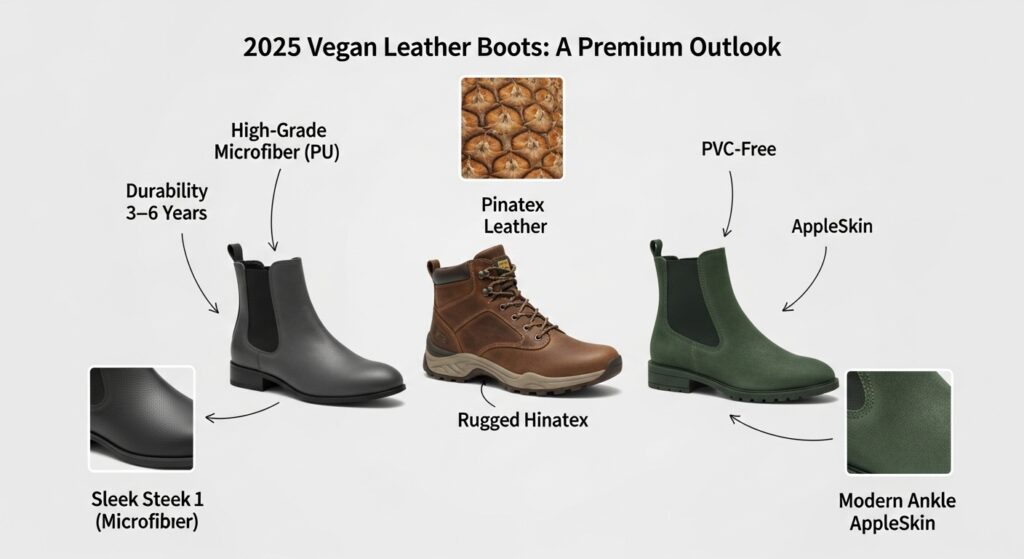
Not all “vegan leather” is created equal. Here’s your quick-glance chart to know if you’re getting quality or landfill material:
| Material | Verdict | Why |
|---|---|---|
| High-Grade Microfiber (PU) | ✅ The Gold Standard | Breathable, waterproof, Oeko-Tex certified, and surprisingly durable. |
| Piñatex (Pineapple) | 🌱 Eco Innovation | Rugged texture, highly sustainable, but needs waxing for waterproofing. |
| AppleSkin / Corn Leather | ⭐ Solid Mid-Range | Good for sneakers & smooth uppers. Check the % of plastic coating. |
| PVC | ❌ AVOID | Toxic to produce, non-breathable, cracks fast in cold weather. |
2. Red Flags to Avoid (Before You Add to Cart) 🚩
- The Plastic Shine – If the boot looks “wet” shiny, it’s PVC.
- “100% Biodegradable” Claims – No durable vegan leather is 100% natural yet.
- No Factory Listed – Usually means fast-fashion dropshipping.
- Price Under $60 – Quality microfiber is expensive to make. Cheap = trash.
3. Durability & Cost: The Reality Check
Can vegan boots last as long as a pair of Red Wings? Honestly — no. Real leather can be conditioned for decades. Vegan materials can’t.
But here’s the real math that matters:
- Premium Leather Boot: $350 ÷ 15 years ≈ $23/year
- Quality Vegan Boot: $180 ÷ 5 years ≈ $36/year
The premium is small, and you get:
- zero animal products
- lower environmental impact
- no oiling, no conditioning routine, no maintenance drama
How Vegan Boots Age
- No Patina – They stay “new” longer but don’t develop leather character.
- Flex Point Cracking – The #1 cause of death. It happens at the toe bend if neglected.
4. Top Vegan Boot Brands Reviewed (2026)
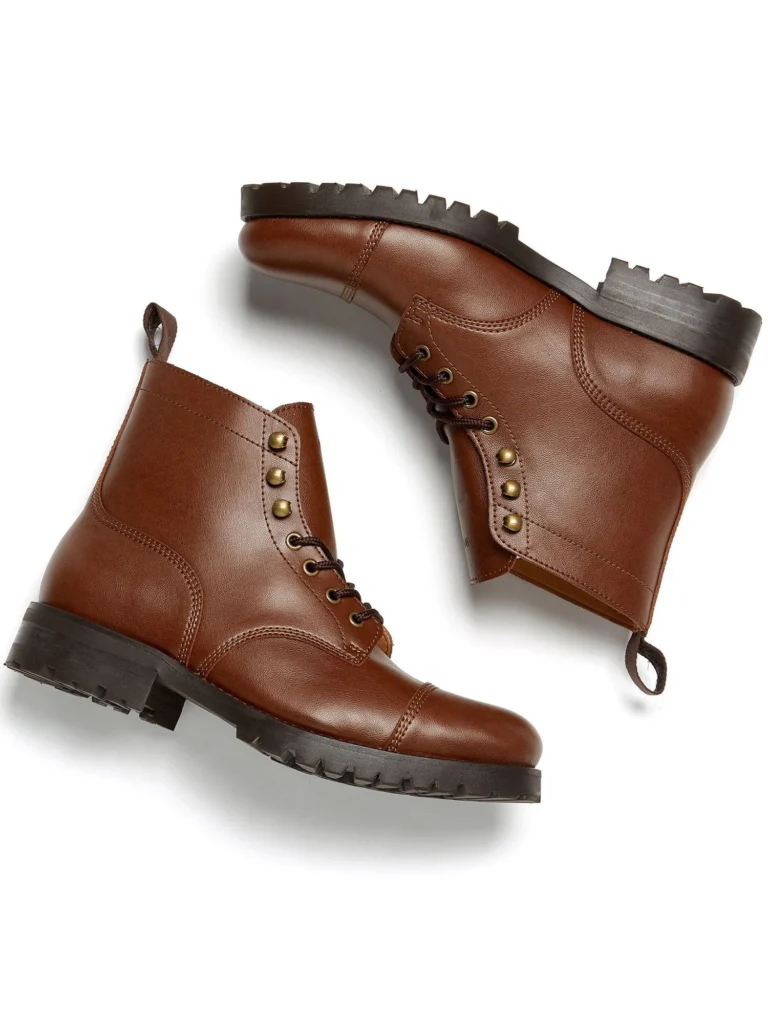
A. Will’s Vegan Store — Best Overall
will’s vegan store
Style: Chelsea, Work Boots, Dress Boots
Durability: 9/10
Price: $110–$140
Why They’re Good: Ecolabel microfiber, breathable, thick uppers, quality soles.
Failure Point: Sole wear — not the easiest to resole.
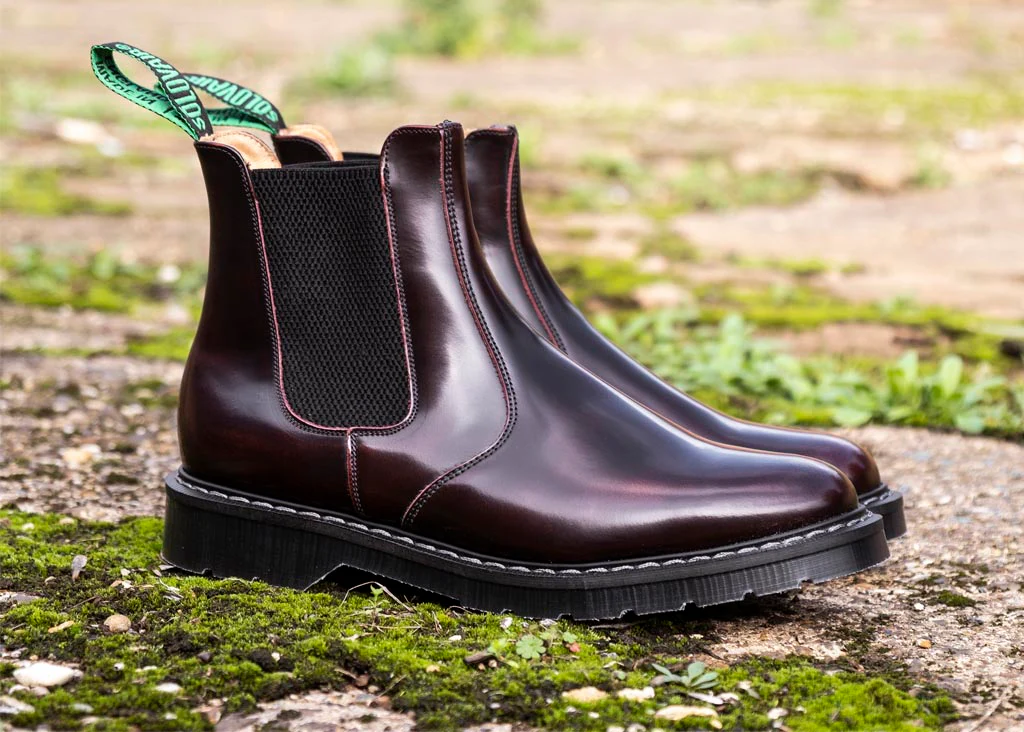
B. Solovair Vegan — The “Real Docs”
solovair vegan
Style: 8-Eye Classic
Durability: 9/10
Price: $200+
Why They’re Good: Hand-made in England, Goodyear welted, fully resoleable.
Failure Point: Hi-Shine coating can peel in extreme cold.
C. Vegetarian Shoes — The Tank
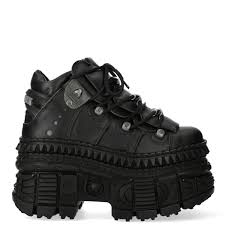
vegetarian shoes — the tank
Style: Rugged, chunky, utility boots
Durability: 9.5/10 (Airseal line)
Price: Mid-upper
Why They’re Good: Since 1990. Thick material, built to outlive trends.
Failure Point: The “Vegetan” finish can look a bit synthetic.
D. Blundstone Vegan — Comfort King
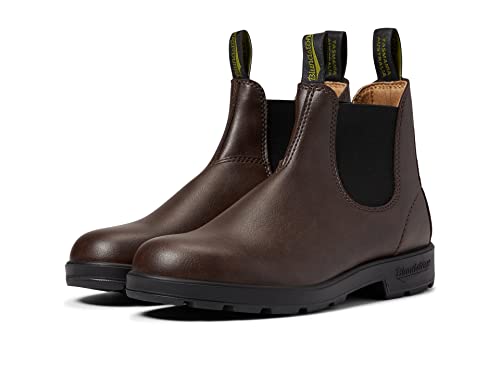
- Keep your feet comfy and in sleek classic style with the Blundstone Original Vegan Chelsea Boot, perfect for cold weather wear.
- Pull-on, mid-top boot with side goring, pull tab at heel, and round toe.
- Synthetic upper and lining.
- Removable synthetic insole.
- Durable synthetic outsole.
Style: Chelsea
Durability: 8/10
Price: ~$180
Why They’re Good: Super comfortable, weather-resistant, lightweight.
Failure Point: Elastic panels stretch out around year 3.
E. Dr. Martens Vegan — Style Icon
Style: 1460, Jadon
Durability: 7/10
Price: Mid-range
Why They’re Good: Trendy, stylish, recognizable.
Failure Point: Breathability. The Felix material can crack faster.
5. Sustainability: Is Vegan Leather Actually Better?
The short answer: yes — if you avoid the cheap stuff.
- Carbon Footprint: 30–50% lower than cow leather.
- Water Usage: One leather boot = ~12,370L of water.
- Land Use: 1 m² leather = ~988 m² cattle land vs 16 m² for Piñatex.
The catch? Vegan materials don’t biodegrade much — but neither does chrome-tanned cow leather. And the environmental cost of raising cattle is enormous.
The key is this: Buy high-quality vegan boots that last 3–6 years. Not $45 fast fashion trash.
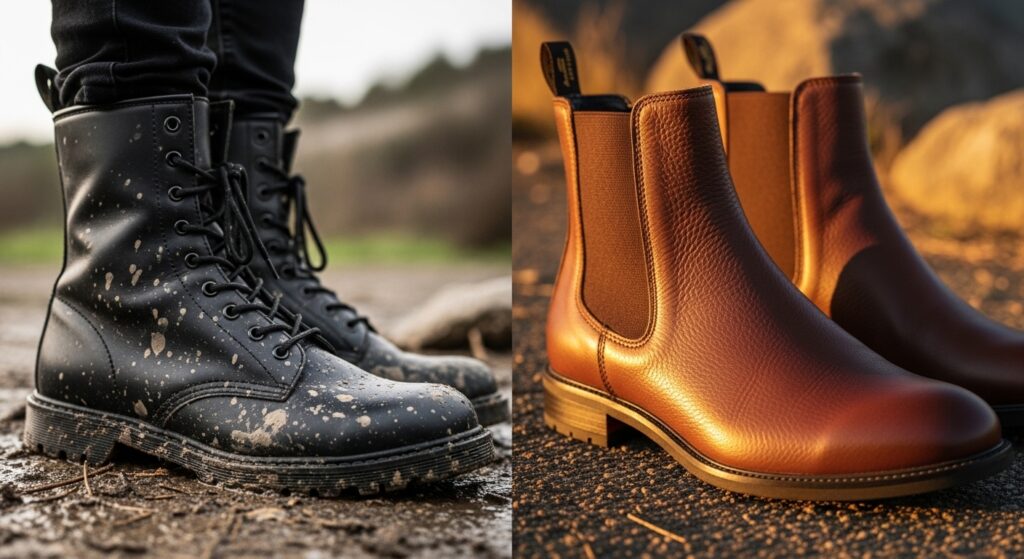
vegan boots
6. Care Guide: Prevent the “White Line Crack”
This is the #1 failure point in vegan boots. It shows up as tiny white lines at the toe bend. Prevent it with a 60-second weekly routine:
- Wipe – Remove grit (grit = sandpaper).
- Condition – Use synthetic-safe cream or wax to keep the coating flexible.
⚠️ CRITICAL WARNING: Never dry vegan boots near a radiator or heater. Heat kills the plasticizers and causes instant cracking.
7. Final Verdict: Which Boot Should You Buy?
Here’s your quick persona-based cheat sheet:
- The Skeptic: Think vegan leather is trash? → Vegetarian Shoes Airseal.
- The Quality Purist: Want classic build + resoleability? → Solovair Vegan.
- The Commuter: Need comfort + weather protection? → Will’s Vegan Store or Blundstone Vegan.
- The Style Lover: Prioritize looks over breathability? → Dr. Martens Vegan or Viron.
FAQ
Can you polish vegan leather?
Not with traditional polish. Use a cream meant for synthetics.
Do vegan boots smell?
Cheap ones do. Quality microfibers breathe well. Wear merino socks for moisture control.
Do vegan boots crack?
Low-quality ones crack fast. Good microfiber eventually cracks after years, but care delays it.
Do vegan boots stretch?
Not much. If they’re tight in-store, don’t buy them.