HVAC and maintenance technicians face unique challenges every single day. You’re crawling through dusty attics in 120°F heat, squeezing into cramped crawl spaces, climbing ladders to reach rooftop units, and navigating slippery boiler rooms. Your work boots need to handle all of it—hot, cold, wet, tight, high, and low—without slowing you down or leaving your feet destroyed by the end of a 10-hour shift.
The best boots for HVAC technicians strike a careful balance between flexibility (for crawling and kneeling), protection (safety toes and electrical hazard rating), and breathability (because attics in July are brutal). In this guide, we’ll break down exactly what to look for and review the top work boots that real HVAC and maintenance techs trust on the job.
Jump to: Top Picks | Buying Guide | Care Tips
What HVAC & Maintenance Techs Really Need in Work Boots
flexible work boots for hvac technician
Not all work boots are created equal, and the heavy, stiff logger-style boots that work great for construction framers are often terrible for HVAC work. Here’s what matters most when you’re spending your days in attics, mechanical rooms, and on ladders.
Flexible and Lightweight for Crawl Spaces and Attics
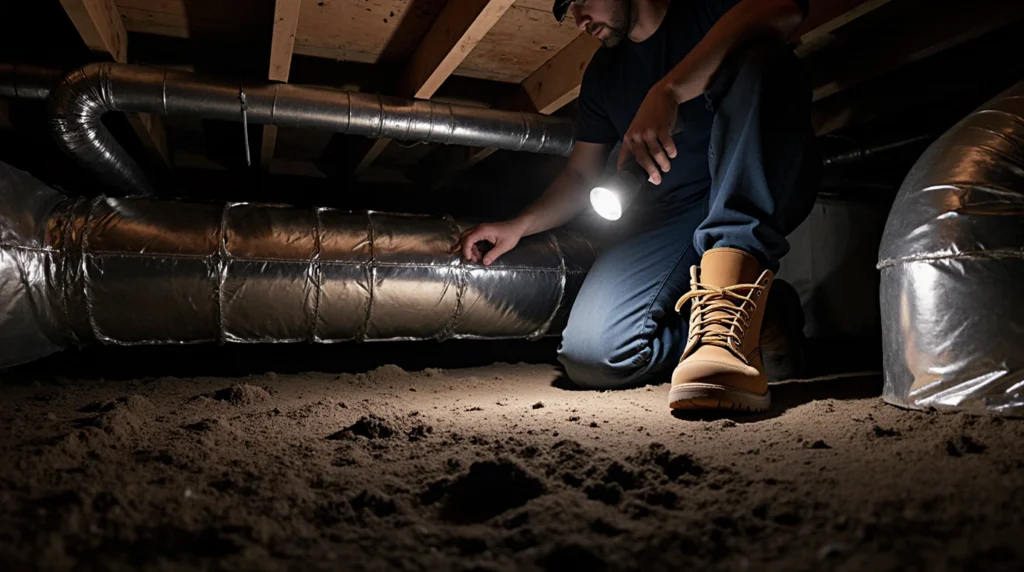
When you’re on your hands and knees in a cramped crawl space or crouching in a low attic, the last thing you need is a stiff, heavy boot fighting every movement. HVAC techs need boots with:
- Flexible outsoles that bend naturally with your foot
- Lightweight construction (composite or alloy toes instead of steel)
- 6-inch height (tall enough for ankle support, short enough to avoid bulk)
- Cement or direct-attach construction (more flexible than Goodyear welt, minimal break-in)
The difference between a 4-pound steel-toe logger boot and a 2.5-pound composite-toe flexible boot is massive when you’re climbing in and out of attics six times a day.
Safe on Ladders and Rooftops
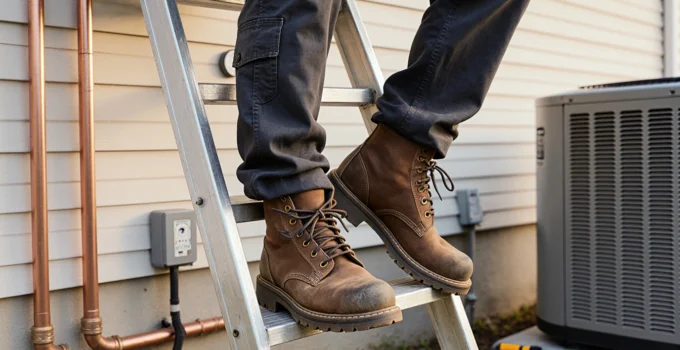
Ladder work is a daily reality for HVAC technicians, and your boots need to support that. Look for:
- Defined heel (not a wedge sole) for better purchase on ladder rungs
- Slip-resistant outsole rated for oil and wet surfaces
- Good shank support to keep your arch stable when standing on a rung
- 90-degree heel design (some brands like Ariat specifically design for ladder work)
Wedge soles are comfortable for walking, but many techs find a defined heel feels more secure when working on ladders and rooftops.
Protection Around Electrical Components and Heavy Equipment
hvac technician wearing safety work boots
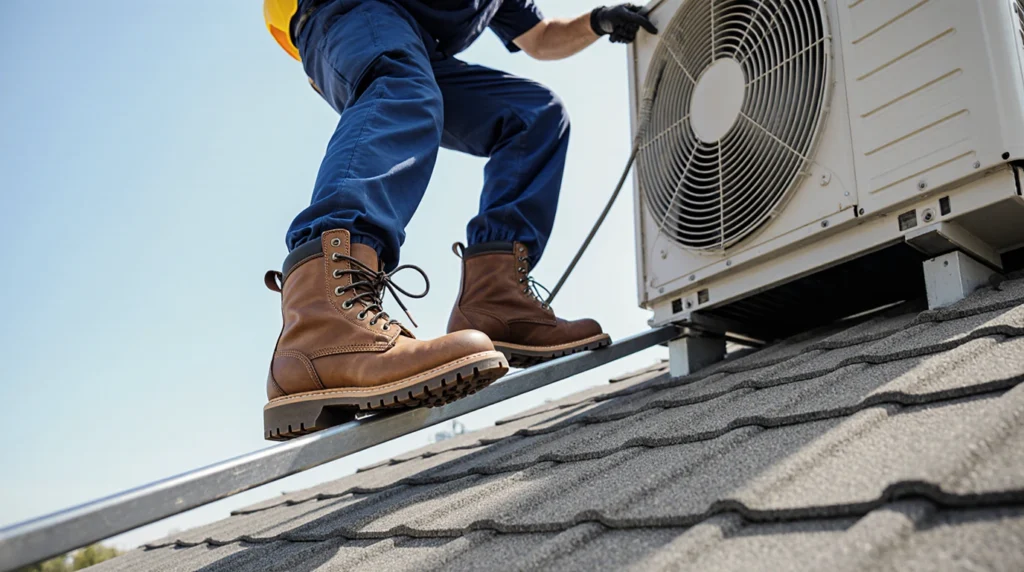
Even if your employer doesn’t mandate safety toes, HVAC and maintenance environments have real hazards:
- Electrical Hazard (EH) rating to protect against open circuits up to 600 volts (essential when working near electrical panels, wiring, and control systems)
- Composite or alloy safety toe (lighter than steel, no cold/hot transfer, non-conductive)
- Puncture-resistant midsole (optional but valuable in industrial maintenance environments with sharp debris)
- ASTM F2413-18 certification for impact and compression protection
Most HVAC techs prefer composite or alloy toes because they’re significantly lighter than steel and don’t conduct temperature extremes—important when you’re in freezing equipment yards or 130°F attics.
Breathable, Yet Waterproof Enough for Mixed Environments
HVAC work is incredibly varied. You might start your morning in a steaming mechanical room, spend midday on a wet rooftop working on a condensing unit in the rain, and finish in a freezing basement. That means you need:
- Waterproof membrane (for outdoor units, rooftops, condensate leaks, and wet basements)
- Breathable lining (moisture-wicking mesh to prevent sweat buildup in hot attics)
- Balance over extremes (fully insulated boots are too hot for most HVAC work; unlined breathable boots can’t handle wet conditions)
Many HVAC techs keep two pairs: a waterproof pair for wet weather and outdoor service calls, and a more breathable pair for summer residential work.
All-Day Comfort and Support
Long shifts, lots of walking, constant up-and-down movement, and time on your feet on concrete floors all demand serious comfort:
- Cushioned midsole (EVA, PU, or proprietary anti-fatigue systems)
- Shock-absorbing insole (memory foam, gel, or high-quality removable insoles for custom orthotics)
- Arch support (critical for flat feet or high arches, reduces plantar fasciitis risk)
- Padded collar and tongue for reduced pressure points
Techs often report that the right boots make a noticeable difference in end-of-day fatigue and foot/back pain.
Key Features Summary:
- ✅ Lightweight composite or alloy toe
- ✅ Flexible sole, cement or direct-attach construction
- ✅ Electrical Hazard (EH) rated
- ✅ Waterproof with breathable lining
- ✅ Defined heel for ladder work
- ✅ Slip-resistant outsole
- ✅ 6-inch height (ideal for most HVAC work)
- ✅ Cushioned, anti-fatigue midsole
Quick Comparison: Best Boots for HVAC Technicians
| Boot Model | Type | Toe | Waterproof | EH Rated | Best For |
|---|---|---|---|---|---|
| Keen Utility San Jose 6″ | Lace-up | Aluminum | Yes | Yes | Lightweight residential service, hot attics |
| Timberland PRO Boondock 6″ | Lace-up | Composite | Yes | Yes | All-around workhorse, cold weather |
| Wolverine I-90 EPX 6″ | Lace-up | Composite | Yes | Yes | Ultra-lightweight crawl space work |
| Irish Setter Kasota 83642 | Lace-up | Composite | Yes | Yes | Flexible, great for kneeling/crouching |
| Carhartt Rugged Flex 6″ | Lace-up | Composite | Yes | Yes | Budget-friendly, comfortable out of box |
| Ariat WorkHog H2O | Pull-on | Composite | Yes | Yes | Easy on/off for residential service calls |
| Timberland PRO Gridworks 6″ | Lace-up | Alloy | No (water-resistant) | Yes | Breathable for hot climates, summer work |
| Keen Utility Atlanta Cool II | Low-cut | Aluminum | No | Yes | Shoe alternative for residential techs |
| Reebok Sublite Cushion Work | Low-cut | Composite | No | Yes | Lightweight athletic work shoe |
The Best Work Boots for HVAC & Maintenance Technicians (Top Picks)
Keen Utility San Jose 6″ Waterproof (Aluminum Toe) – Lightweight HVAC Boot with Minimal Break-In
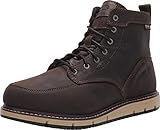
🏆 Best overall for residential HVAC techs and hot attic work
The Keen San Jose has earned a cult following among HVAC technicians for good reason. It’s one of the lightest safety-toe boots on the market thanks to its asymmetrical aluminum toe, and the flexible cement construction means you can wear them comfortably right out of the box with almost no break-in period.
✅ Pros:
- Extremely lightweight aluminum toe (you barely feel it)
- KEEN.DRY waterproof breathable membrane keeps feet dry without overheating
- Electrical Hazard (EH) rated for protection around wiring and panels
- Oil and slip-resistant rubber outsole with defined heel for ladder work
- Flexible and comfortable for crawling, kneeling, and crouching
- Moisture-wicking lining handles sweat in hot attics
❌ Cons:
- Not insulated, so not ideal for extremely cold outdoor winter work
- Some users report narrow fit (consider sizing up or trying wide if available)
- Durability is good but not as bombproof as heavier leather boots
Key Features for HVAC & Maintenance:
- Asymmetrical aluminum safety toe (ASTM F2412 and F2413-11 I/75 and C/75)
- KEEN.DRY waterproof breathable membrane
- Electrical Hazard (EH) rated (ASTM F2412-11 and F2413-11)
- Oil and slip-resistant non-marking rubber outsole
- Moisture-wicking textile lining
- Removable metatomical PU footbed with excellent arch support
- Weight: Approximately 18.36 oz per boot
Best For: HVAC techs doing mostly residential service calls, who spend lots of time in attics and crawl spaces, and want a boot that’s light and flexible enough to not slow them down.
Timberland PRO Boondock 6″ Composite Toe – Rugged All-Around HVAC Workhorse

🏆 Best for commercial/industrial maintenance and cold weather
The Timberland PRO Boondock is a legend in the trades, and HVAC technicians on Reddit consistently recommend it as their go-to boot. It’s tougher and more protective than ultra-lightweight options, but still flexible enough for attic and crawl space work.
✅ Pros:
- Extremely durable full-grain waterproof leather holds up to years of abuse
- Anti-Fatigue Technology footbed provides all-day comfort and shock absorption
- Composite safety toe is lighter than steel and warmer in cold weather
- Ever-Guard leather heel and toe for abrasion resistance in high-wear areas
- Solid performance on ladders with defined heel and aggressive tread
- Good in cold weather (available with 400g or 200g insulation options)
❌ Cons:
- Heavier than ultra-lightweight options like Keen or Wolverine I-90
- Slightly stiffer sole requires a bit more break-in time
- Can run warm in very hot climates due to thicker leather
Key Features for HVAC & Maintenance:
- Composite safety toe (ASTM F2413-11 I/75 C/75 EH)
- Waterproof full-grain leather upper
- Timberland PRO Anti-Fatigue Technology polyurethane footbed
- Slip, oil, and abrasion-resistant rubber outsole
- Ever-Guard leather heel and toe protection
- Available with insulation options for winter work
- Weight: Approximately 4.5 lbs per pair
Best For: Commercial and industrial HVAC and maintenance techs who need a rugged boot that can handle heavy daily use, wet conditions, and cold weather.
Wolverine I-90 EPX 6″ Composite Toe – Ultra-Lightweight for Crawl Spaces and Attics

🏆 Best for techs who prioritize lightweight comfort
Multiple HVAC technicians on forums rave about the Wolverine I-90 EPX, specifically calling out how light it feels when crawling through hot attics. This boot is engineered to be as light as possible without sacrificing protection.
✅ Pros:
- Exceptionally lightweight composite toe (one of the lightest work boots available)
- CarbonMax composite toe is 30% lighter than steel
- EPX anti-fatigue footbed with memory foam for superior cushioning
- Waterproof membrane keeps feet dry
- Electrical Hazard protection
- Flexible cement construction, comfortable immediately
- Mesh lining enhances breathability in hot environments
❌ Cons:
- Lighter construction means slightly less durability than heavier boots
- Not ideal for extremely rugged industrial environments
- Outsole can wear faster under very heavy use
Key Features for HVAC & Maintenance:
- CarbonMax composite safety toe (ASTM F2413-11 I/75 C/75 EH)
- Waterproof membrane construction
- EPX anti-fatigue comfort footbed with memory foam
- Lightweight cement construction
- Slip, oil, and abrasion-resistant rubber outsole
- Mesh lining for breathability
- Weight: Approximately 3.2 lbs per pair
Best For: Residential HVAC techs who spend a lot of time crawling in attics and tight spaces and want the absolute lightest boot possible without going to a work shoe.
Irish Setter Kasota 83642 (6″) Composite Toe – Flexible Boot for Kneeling and Crouching
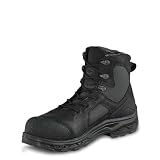
🏆 Best for maximum flexibility and mobility
The Irish Setter Kasota is specifically designed for trades that require a lot of kneeling, crouching, and crawling. It’s a Red Wing-owned brand, so you’re getting solid quality at a more accessible price point than flagship Red Wings.
✅ Pros:
- Extremely flexible cement construction, perfect for constant movement
- Composite toe is lightweight and non-conductive
- RPM technology outsole is highly flexible and slip-resistant
- King Toe design adds extra room and protection
- Waterproof UltraDry membrane
- Electrical Hazard rated
- Comfortable memory foam insole
❌ Cons:
- Not as durable as heavier leather boots for extreme abuse
- Some users report narrow heel fit
- Outsole may wear faster than more aggressive tread patterns
Key Features for HVAC & Maintenance:
- Non-metallic composite safety toe (ASTM F2413-11 I/75 C/75 EH)
- UltraDry waterproof breathable membrane
- Electrical Hazard protection
- RPM (Rebound, Performance, Memory) flexible outsole
- King Toe design for extra toe room
- Memory foam footbed
- Weight: Approximately 3.8 lbs per pair
Best For: HVAC techs who spend a lot of time kneeling and crouching in mechanical rooms, under units, and in crawl spaces, and need a boot that won’t fight their movements.
Carhartt Rugged Flex 6″ Composite Toe – Budget-Friendly Comfort

💰 Best value for the money
Carhartt Rugged Flex boots offer impressive comfort and features at a more accessible price point than premium brands. These boots are a favorite among workers who need solid protection and comfort but don’t want to spend $200+.
✅ Pros:
- Excellent value for the price
- Storm Defender waterproof breathable membrane
- FastDry technology lining wicks sweat effectively
- 5 layers of cushion and flexibility (EVA midsole, PU foam insole)
- Composite toe is lightweight and non-conductive
- Electrical Hazard rated
- Cement construction is flexible out of the box
- Slip-resistant Rugged Flex outsole
❌ Cons:
- Durability is good but not as long-lasting as premium brands
- May need replacement after 12-18 months of heavy daily use
- Less arch support than premium options (consider aftermarket insoles)
Key Features for HVAC & Maintenance:
- Composite safety toe (ASTM F2413-18 EH)
- Storm Defender waterproof breathable membrane
- FastDry moisture-wicking lining
- 5 layers of cushioning (PU insole, EVA midsole)
- Slip-resistant Rugged Flex rubber outsole
- Cement construction
- Weight: Approximately 4.2 lbs per pair
Best For: HVAC and maintenance techs on a budget, apprentices, or those who want a solid backup pair without breaking the bank.
Ariat WorkHog H2O Pull-On (Composite Toe) – Easy On/Off for Residential Service

👢 Best pull-on boot for frequent entry and exit
If you’re doing residential HVAC service calls where you’re in and out of homes all day, the easy on/off of a pull-on boot is a game-changer. The Ariat WorkHog H2O combines slip-on convenience with serious protection and comfort.
✅ Pros:
- U-Turn Entry System makes pulling on and off incredibly easy
- No laces to tie or untie (saves time on residential calls)
- Waterproof PRO construction keeps feet dry
- ATS Max technology provides excellent stability and cushioning
- Composite toe is lightweight and protective
- 90-degree heel design is specifically engineered for ladder work
- Duratread™ outsole is extremely slip-resistant and durable
❌ Cons:
- Heavier than lace-up lightweight options
- Less customizable fit than laced boots
- Pull-on style can be harder to get proper ankle support for some foot shapes
- Premium price point
Key Features for HVAC & Maintenance:
- Composite safety toe (ASTM F2413-17 M I/75 C/75 EH)
- Waterproof PRO construction with waterproof bootie
- ATS Max technology for stability and comfort
- U-Turn Entry System for easy on/off
- 90-degree heel for ladder stability
- Duratread™ slip, oil, and abrasion-resistant outsole
- EVA midsole for lightweight cushioning
- Weight: Approximately 5 lbs per pair
Best For: Residential HVAC techs who make multiple service calls per day and want the convenience of slip-on boots without sacrificing safety and performance.
Timberland PRO Gridworks 6″ Alloy Toe – Breathable for Hot Climates

☀️ Best for hot weather and summer HVAC work
When you’re working in unconditioned attics that hit 130°F in the summer, breathability becomes the #1 priority. The Timberland PRO Gridworks sacrifices full waterproofing for maximum airflow.
✅ Pros:
- Extremely breathable mesh panels keep feet cooler than leather boots
- Alloy safety toe is lighter than steel, heavier than aluminum (good middle ground)
- Anti-Fatigue Technology footbed for all-day comfort
- Electrical Hazard rated
- Antimicrobial treatment reduces odor
- Fast break-in due to soft, flexible materials
- Water-resistant (not waterproof) handles light moisture
❌ Cons:
- Not fully waterproof (fine for dry climates, not great for wet rooftops)
- Less durable than full leather boots
- Mesh can be damaged by sharp edges in crawl spaces
Key Features for HVAC & Maintenance:
- Alloy safety toe (ASTM F2412-11 and F2413-11 I/75 C/75 EH)
- Breathable mesh and synthetic upper
- Water-resistant (not waterproof)
- Anti-Fatigue Technology polyurethane footbed
- Electrical Hazard protection
- Antimicrobial treatment for odor control
- Slip and oil-resistant rubber outsole
- Weight: Approximately 3.6 lbs per pair
Best For: HVAC techs in hot, dry climates (Southwest, Southern states in summer) who prioritize breathability over full waterproofing.
Keen Utility Atlanta Cool II (Low-Cut Shoe) – Lightweight Shoe Alternative

👟 Best work shoe option for residential techs who hate boots
Not everyone wants to wear boots. If you’re doing mostly residential HVAC service in climate-controlled environments, a low-cut work shoe can offer excellent protection with even more flexibility and breathability.
✅ Pros:
- Extremely lightweight and flexible (feels like a sneaker)
- Aluminum safety toe provides protection without weight
- ESD (electrostatic dissipative) for sensitive electronics work
- Excellent breathability for hot attics
- Slip-resistant outsole
- Electrical Hazard rated
- Low-cut design gives maximum ankle mobility
❌ Cons:
- No ankle support
- Not waterproof (water-resistant only)
- Less protection for debris and impacts above the ankle
- Not suitable for muddy job sites or outdoor winter work
Key Features for HVAC & Maintenance:
- Asymmetrical aluminum safety toe (ASTM F2412 and F2413 I/75 C/75)
- Electrical Hazard rated
- ESD (electrostatic dissipative)
- Moisture-wicking lining
- Oil and slip-resistant non-marking rubber outsole
- Low-profile design
- Weight: Approximately 14 oz per shoe
Best For: Residential HVAC service techs working mostly indoors in finished spaces who want maximum mobility and don’t need ankle support or full waterproofing.
Reebok Sublite Cushion Work (Low-Cut Shoe) – Athletic Work Shoe

⚡ Best for techs who want athletic shoe comfort with safety features
The Reebok Sublite brings athletic shoe technology to work footwear. It’s extremely popular among HVAC techs who prioritize lightweight comfort over traditional boot features.
✅ Pros:
- Feels like a running shoe with safety toe protection
- Incredibly lightweight (one of the lightest safety shoes available)
- MemoryTech memory foam footbed for exceptional cushioning
- Mesh upper is highly breathable for hot environments
- Composite toe doesn’t conduct heat or cold
- Electrical Hazard rated
- Slip-resistant outsole
❌ Cons:
- Not waterproof at all (ventilated mesh lets water in)
- Minimal ankle support
- Not very durable compared to leather boots
- Best as a secondary pair for specific conditions
Key Features for HVAC & Maintenance:
- Composite safety toe (ASTM F2413)
- Electrical Hazard protection
- MemoryTech memory foam footbed
- Lightweight EVA cushion midsole
- Breathable mesh upper
- Slip-resistant rubber outsole
- Low-cut athletic shoe design
- Weight: Approximately 12 oz per shoe
Best For: HVAC techs in hot, dry climates doing mostly indoor residential work who want the absolute lightest, most athletic-feeling footwear possible.
How to Choose the Right HVAC Work Boots for Your Job
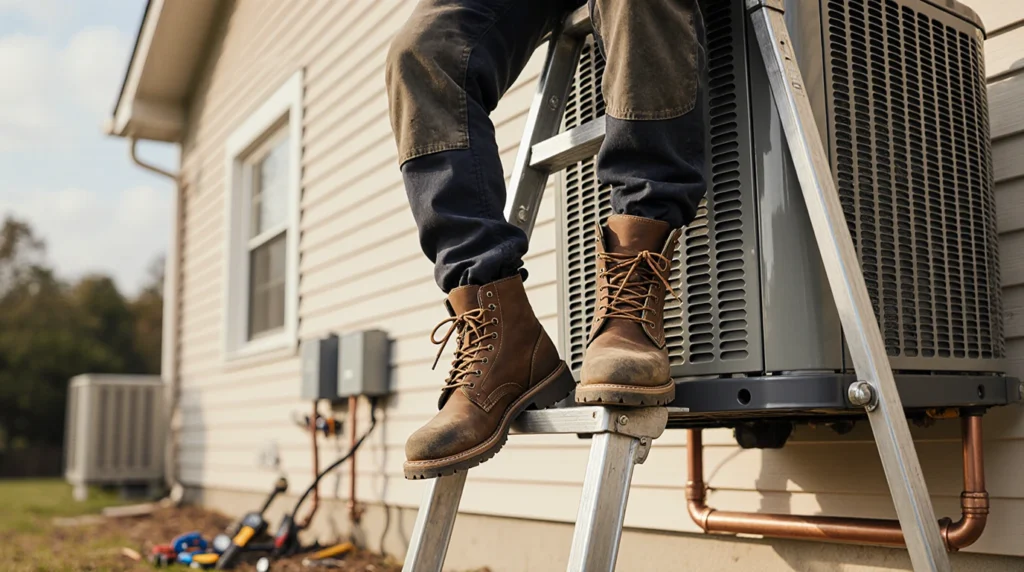
right hvac work boots
Not all HVAC and maintenance work is the same. A residential service tech making house calls has very different needs than a plant maintenance tech in a chemical factory. Here’s how to match your boots to your specific work environment.
Residential vs Commercial vs Industrial Maintenance
Residential HVAC Service:
- Lots of driving, in and out of homes multiple times per day
- Crawling in attics, basements, and crawl spaces
- Working in finished spaces (may need to remove boots frequently)
- Mixed indoor/outdoor, but mostly climate-controlled environments
Best boot characteristics: Lightweight, flexible, easy on/off (pull-on or low-cut shoes), breathable, clean-looking, composite toe
Top picks: Keen San Jose, Wolverine I-90, Ariat WorkHog H2O (pull-on), Keen Atlanta Cool or Reebok Sublite (shoes)
Commercial HVAC & Building Maintenance:
- Rooftop unit work, ladder climbing
- Mechanical rooms, boiler rooms
- More exposure to weather
- Occasional heavy equipment and tools
Best boot characteristics: Waterproof, defined heel for ladders, good ankle support, composite or alloy toe, EH rated, slip-resistant
Top picks: Timberland PRO Boondock, Irish Setter Kasota, Keen San Jose, Carhartt Rugged Flex
Industrial Plant Maintenance:
- Heavy equipment, catwalks, confined spaces
- Chemical exposure, oil, grease
- Strict safety requirements (often steel or composite toe mandatory)
- Harsher environments, more abrasion
Best boot characteristics: Maximum protection (composite or steel toe), puncture-resistant midsole, chemical/oil-resistant outsole, very durable leather, EH rated, waterproof
Top picks: Timberland PRO Boondock, Ariat WorkHog (with extra durability features), Red Wing (if budget allows)
Do HVAC Techs Really Need Safety Toe Boots?
The short answer: It depends on your employer and job sites, but safety toes are almost always a smart choice.
When safety toe is required:
- Most commercial and industrial sites mandate ASTM-rated safety toes
- Many HVAC companies require safety toes as company policy
- Insurance and liability reasons
- When working around heavy equipment (compressors, air handlers, condensers)
When soft toe might be acceptable:
- Residential service work for smaller companies
- Working mostly in finished spaces with minimal hazards
- If your employer doesn’t require them
Pros of safety toe for HVAC:
- Protection from dropped tools, equipment, and parts
- Protection from kicking into sharp objects in crawl spaces
- Many sites won’t allow entry without them
- Better resale value if you change companies
Cons:
- Slightly heavier (though composite/alloy minimize this)
- Can cost $20-50 more
Recommendation: Even if not required, composite or alloy toe boots are light enough that the protection is worth it. You only need to save your toes once to justify the investment.
Ladder Use: Defined Heel vs Wedge Sole
This is a surprisingly important decision for HVAC techs.
Defined Heel:
- Traditional work boot heel with distinct heel and forefoot
- Better “bite” and stability on ladder rungs
- More secure feeling when standing on narrow edges
- Preferred by most HVAC techs who climb frequently
- Examples: Timberland PRO Boondock, Keen San Jose, Ariat WorkHog
Wedge Sole:
- Heel and forefoot are one continuous flat sole
- More comfortable for walking on flat surfaces
- Less secure on ladder rungs (some techs report foot slipping or discomfort)
- Better for maintenance techs who rarely use ladders
- Examples: Red Wing 2412, Irish Setter 83605
Verdict for HVAC: If you climb ladders regularly (rooftop units, high wall-mounted equipment), choose a defined heel. If you’re mostly on flat ground, wedge soles are more comfortable for walking.
Waterproof vs Breathable: Striking the Right Balance
This is one of the trickiest trade-offs in work boot selection.
Waterproof Membrane Boots:
- Keep feet dry in rain, snow, wet rooftops, flooded basements, condensate leaks
- Also trap sweat inside, can feel hot in summer attics
- Best for: Wet climates, outdoor work, winter, unpredictable conditions
Non-Waterproof Breathable Boots:
- Much better airflow, feet stay cooler in hot environments
- Sweat evaporates more easily
- Feet get wet if you encounter rain, puddles, or wet surfaces
- Best for: Hot climates, mostly indoor work, summer, dry conditions
💡 The smart solution many HVAC techs use:
- One waterproof pair for wet weather, winter, and outdoor calls
- One breathable pair for hot weather, attics, and indoor-only days
- Rotate based on weather forecast and job type
If you can only have one pair: Choose waterproof with good breathability (waterproof membrane + moisture-wicking lining) like Keen San Jose, Timberland PRO Boondock, or Wolverine I-90.
Fit, Sizing and Break-In Tips
Getting the right fit is critical for comfort during long shifts.
Sizing tips:
- Most work boots run large compared to athletic shoes (you may wear a half or full size smaller)
- Try boots on late in the day when your feet are slightly swollen from standing
- Wear the same thickness socks you’ll wear on the job
- You should have about a thumb’s width of space in the toe box when standing
- Heel should fit snugly without slipping
- Consider wide sizes if you have wide feet (EE, EEE available from most brands)
Break-in expectations:
- Cement-construction boots (Keen, Wolverine I-90, Irish Setter Kasota): Minimal break-in, comfortable within a few days
- Direct-attach construction (Timberland PRO): Moderate break-in, 1-2 weeks
- Goodyear welt construction (Red Wing, Thorogood): Longer break-in, 2-4 weeks
For faster break-in:
- Wear boots around the house for a few hours before work
- Use leather conditioner on full-grain leather to soften
- Wear thick socks initially to cushion pressure points
- Don’t wear brand-new boots for a 12-hour shift on day one
Where to buy:
- Order from retailers with free returns (Amazon, Zappos, WorkBoots.com)
- Consider ordering two sizes and returning one
- Local work boot stores often have knowledgeable staff for fitting
Insole upgrades:
- Most work boots come with basic insoles
- Consider upgrading to Superfeet, Dr. Scholl’s Work, or custom orthotics
- This can dramatically improve comfort and reduce foot fatigue
Care Tips: Make Your HVAC Boots Last Longer
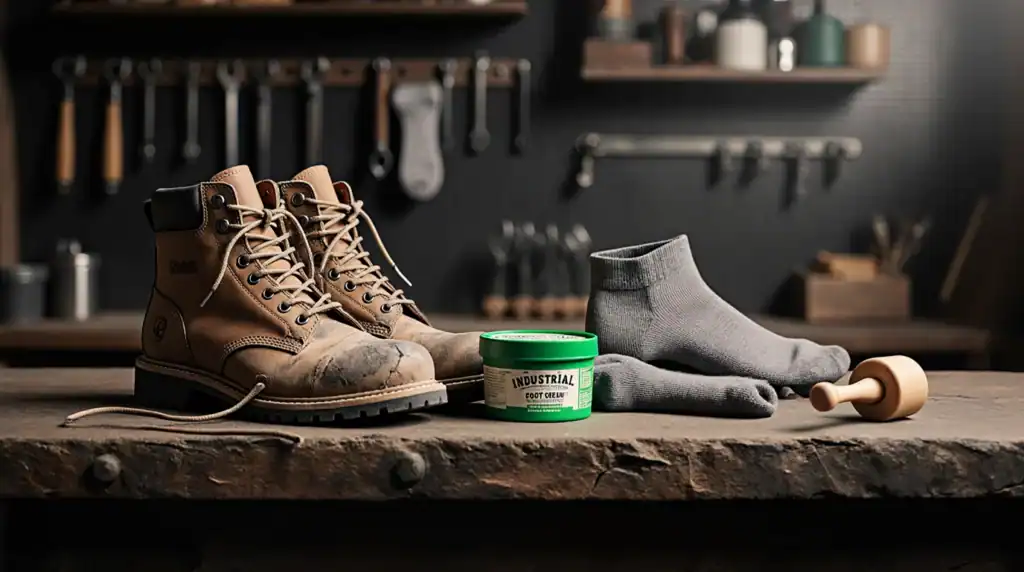
Essential work boot maintenance supplies ready for shoe care, highlighting durability and quality shoe protection for optimal performance.
HVAC work is hard on boots. Dust, insulation fibers, roofing materials, oil, grease, and constant flexing all take their toll. Proper care can extend your boots’ life by months or even years.
Cleaning After Crawl Spaces, Attics and Rooftops
After crawl spaces and attics:
- Brush off dust, dirt, and insulation fibers while still outside (don’t bring it into your truck or home)
- Use a soft brush or old toothbrush to clean out tread grooves
- Wipe leather with a damp cloth to remove surface grime
- Let boots air dry completely before storing (don’t leave in hot truck)
After rooftops with tar/asphalt:
- Wipe off tar and roofing materials as soon as possible (hardens if left)
- Use mineral spirits or Goo Gone on stubborn tar (test on small area first)
- Avoid getting solvents on stitching or glued seams
After oily/greasy environments:
- Wipe oil and grease off immediately (degrades leather and rubber over time)
- Use mild dish soap and water for cleaning
- Dry thoroughly
General rule: Clean your boots at least once a week if you work in dirty environments daily. Monthly if mostly working in clean indoor spaces.
Conditioning Leather and Maintaining Waterproofing

Stylish and durable lace-up winter boots in beige and pink for women and men.
Leather conditioning (every 4-8 weeks):
- Use leather conditioner like Bickmore Bick 4, Obenauf’s, or mink oil
- Apply to clean, dry leather
- Work into leather with cloth or fingers
- Let absorb overnight
- Wipe off excess in the morning
Benefits: Keeps leather supple, prevents cracking, extends boot life, maintains waterproofing
Waterproofing treatment (every 2-3 months or when water stops beading):
- Clean boots thoroughly first
- Apply waterproofing spray (Nikwax, Kiwi, Scotchgard) or wax (Obenauf’s, Sno-Seal)
- For spray: Apply multiple light coats, let dry between coats
- For wax: Warm leather slightly with hair dryer, rub in wax, heat again to help absorb
⚠️ Warning: Don’t over-oil leather around cement-construction seams or it may delaminate. Don’t use oils on mesh or synthetic materials.
Replacing Insoles and Monitoring Wear
Insole replacement (every 6-12 months for daily wear):
- Insoles compress and lose cushioning faster than outer soles wear out
- Signs you need new insoles: Foot fatigue increases, heel pain, arch pain, insole feels flat
- Pull out old insole, replace with same size/shape
- Quality aftermarket insoles (Superfeet, Dr. Scholl’s Work) often better than stock
Outsole wear monitoring:
- Check tread depth regularly (worn tread = reduced slip resistance)
- Look for uneven wear (indicates gait issues or boot fit problems)
- If you can see midsole through outsole, it’s time for new boots
- Heel wear is normal but excessive wear on one side suggests alignment issues
When to replace boots (typical HVAC wear):
- Lightweight boots (Keen, Wolverine I-90): 12-18 months of daily use
- Medium-duty boots (Timberland PRO, Carhartt): 18-24 months
- Heavy-duty boots (Red Wing, Thorogood with resole capability): 2-4 years
Signs it’s time for new boots:
- Sole separation at seams
- Significant loss of waterproofing that can’t be restored
- Worn-through toe or heel areas
- Midsole compression (no cushioning left)
- Increased foot, knee, or back pain
💡 Pro tip: Track boot purchase dates and rotate two pairs. This extends both pairs’ lives and gives your feet variety to reduce repetitive stress.
Frequently Asked Questions About HVAC Work Boots
What kind of boots do HVAC technicians wear?
Most HVAC technicians wear 6-inch lace-up work boots with composite or alloy safety toes, waterproof membranes, and Electrical Hazard (EH) ratings. Popular choices include Timberland PRO Boondock, Keen San Jose, Wolverine I-90, and Irish Setter Kasota. The key features are lightweight flexibility (for crawling in attics and crawl spaces), defined heels (for ladder work), and breathability balanced with waterproofing for mixed indoor/outdoor environments.
Do HVAC techs need steel toe boots or is composite better?
Composite or alloy toes are generally better for HVAC work than steel. They’re significantly lighter (reducing fatigue during long shifts and attic crawling), don’t conduct temperature extremes (important in hot attics and cold outdoor work), and are non-conductive (safer around electrical components). Steel toes offer slightly more protection, but for HVAC work the weight and temperature transfer disadvantages outweigh the benefits. Most HVAC techs prefer composite or aluminum/alloy toes.
Are wedge sole boots good for HVAC work?
Wedge sole boots are comfortable for walking but most HVAC technicians prefer defined heel boots for ladder work. A defined heel provides better purchase and stability on ladder rungs, which is critical when you’re climbing to rooftop units or high wall-mounted equipment multiple times per day. If you rarely use ladders (mostly facility maintenance on flat surfaces), wedge soles offer excellent comfort. But for typical HVAC work with frequent ladder climbing, choose defined heel boots.
How long should HVAC work boots last?
HVAC work boots typically last 12-24 months with daily use, depending on boot quality and work conditions. Lightweight boots (Keen, Wolverine I-90) usually last 12-18 months. Medium-duty boots (Timberland PRO, Carhartt) last 18-24 months. Heavy-duty resoleable boots (Red Wing, Thorogood) can last 2-4 years with proper care and resoling. Factors affecting lifespan include: frequency of crawling in abrasive spaces, exposure to chemicals and oil, amount of ladder climbing, and maintenance (cleaning and conditioning).
What is the ideal boot height for HVAC and maintenance techs?
6-inch boots are ideal for most HVAC and maintenance work. This height provides good ankle support and protection from debris without the bulk and restricted movement of 8-inch boots. The lower height is especially important when crawling in attics and crawl spaces where taller boots catch on joists and framing. Some residential service techs prefer low-cut work shoes for maximum mobility, but 6-inch boots offer the best balance of protection, support, and flexibility for mixed HVAC work.
Can I wear work shoes instead of boots as an HVAC technician?
Yes, low-cut work shoes are acceptable for many HVAC applications, especially residential service work in finished spaces. Safety toe work shoes like Keen Atlanta Cool II, Reebok Sublite, or Timberland PRO Powertrain offer aluminum or composite toe protection, EH ratings, and slip resistance in a lightweight, flexible package. However, work shoes provide no ankle support, less protection from debris, and typically aren’t waterproof. They’re best for techs working mostly indoors in climate-controlled environments who prioritize maximum mobility and breathability.
Do HVAC boots need to be waterproof?
Most HVAC technicians benefit from waterproof boots because the work involves exposure to condensate, wet rooftops, rain, snow, flooded basements, and outdoor condensing units. However, waterproof membranes reduce breathability, which can be uncomfortable in hot attics. Many HVAC techs keep two pairs: waterproof boots for wet weather and outdoor work, and more breathable boots for hot weather and indoor-only days. If you can only have one pair, choose waterproof boots with good breathability features like moisture-wicking linings.
Final Thoughts
The best work boots for HVAC and maintenance technicians balance three critical factors: flexibility for crawling and kneeling, protection from electrical hazards and impacts, and breathability to handle the temperature extremes from freezing rooftops to 130°F attics.
If you’re doing mostly residential service work, prioritize lightweight flexible boots like the Keen San Jose or Wolverine I-90 EPX. For commercial and industrial maintenance in harsher conditions, the Timberland PRO Boondock or Irish Setter Kasota offer more rugged protection. And if you’re on a budget, the Carhartt Rugged Flex delivers impressive value.
Remember that the right boots are a critical investment in your comfort, safety, and long-term foot health. Worn-out or poorly fitting boots contribute to foot, knee, and back problems that can affect you long after you leave the job site. Take the time to find boots that fit well, match your specific work environment, and provide the support you need for long shifts on your feet.
Consider ordering two sizes from a retailer with free returns, try them on with your work socks, and walk around your house for an evening before committing. And if budget allows, having two pairs to rotate can significantly extend the life of both pairs while giving your feet variety to reduce repetitive stress.
Stay safe, stay comfortable, and keep those feet protected out there.