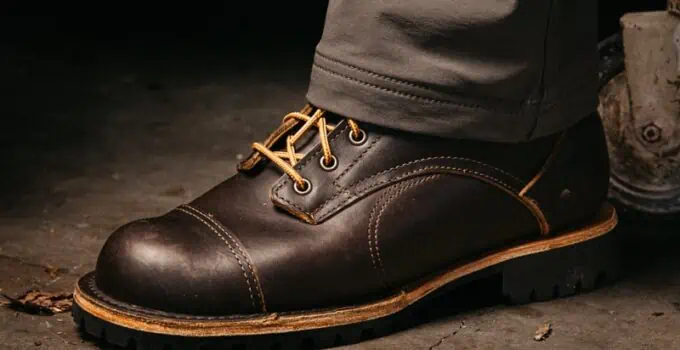
In the world of work boots, “Made in USA” gets thrown around a lot. Some brands play games — assembling foreign parts on US soil and slapping on the label. Then there’s Origin Maine. This is a brand built on a radical commitment to American sourcing, from the leather hides down to the threads. But does that patriotic commitment translate into a great boot?
We’re doing a deep dive on their flagship model, the Origin Lincoln 1861 Big Lug Boot, currently retailing at around $290–$299 direct from Origin. We’ll break down the leather, the sole, the fit, and the honest downsides to help you decide if this is the right boot for your money.
The Quick Verdict: Origin Lincoln Boot at a Glance
| Category | Our Rating | The Bottom Line |
|---|---|---|
| “Made in USA” Factor | 4.5 / 5 | As close to 100% American-sourced as you can get. A new benchmark for transparency. |
| Leather & Materials | 4 / 5 | Durable, low-maintenance Seidel pull-up leather is a fantastic choice for a work boot. |
| Construction & Durability | 3.5 / 5 | Bombproof in the toe and heel, but the cemented waist and lack of a shank are real trade-offs. |
| Comfort & Break-in | 4.5 / 5 | Surprisingly easy break-in and comfortable from day one thanks to modern materials. |
| Value & Recraftability | 4 / 5 | Fair price for the quality and sourcing. Fully recraftable for a decades-long lifespan. |
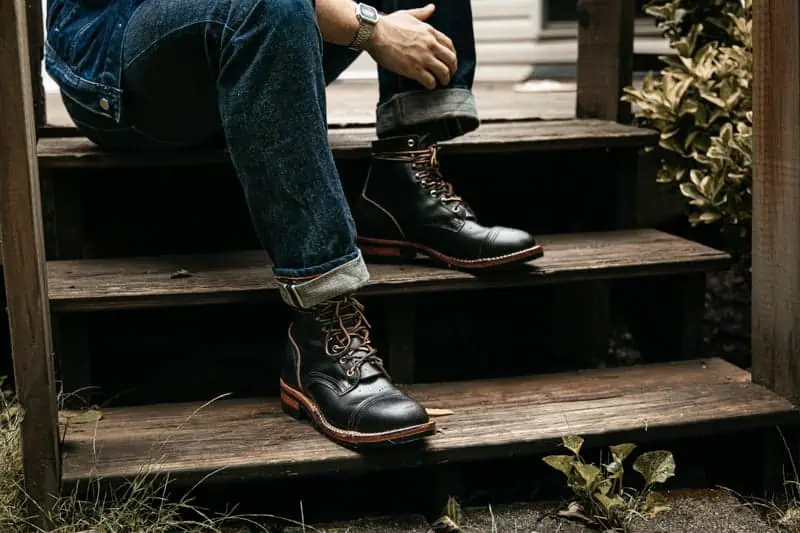
💰 Current Price: ~$290–$299
📍 Where to Buy: Direct from originmaine.com
⏱️ Lead Time: Expect approximately 3–4 weeks for handcrafted production and delivery
📏 Sizing: True to size — order your normal shoe size
First Impression: A No-Nonsense Heritage Boot
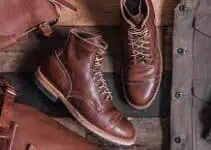
Let’s be blunt: the Origin Lincoln boot isn’t trying to win a beauty contest. It’s a rugged, no-nonsense American work boot that looks like it was pulled straight from a 1950s workshop. It shares a lot of DNA with the iconic Red Wing Iron Ranger but has its own unique character — most notably the decorative stitching at the waist, which isn’t just cosmetic. Origin actually uses it to sew in an extra layer of roughout leather on the inside of the boot at that point, reinforcing an area that typically sees a lot of stress.
The construction choices tell the real story. The cap-toe is genuine dual-layer leather — not decorative — creating real armor at the toe. The heel gets the same double-layer treatment. This boot is built to take a beating at the points that matter most.
Deconstructing the Boot: Materials & Construction
The Leather: Tough, Oiled, and Low-Maintenance
Origin uses leather from Seidel Tanning, one of the great American tanneries. It’s a thick, 2.5mm pull-up leather — meaning it’s heavily infused with oils and waxes from the start. This gives it a “self-healing” quality where minor scuffs and scratches can often be rubbed out with your thumb. More importantly, it makes the leather highly weather-resistant right out of the box and genuinely easy to maintain. A periodic conditioning with mink oil or beeswax is all this leather really needs.
The Sole: A Tale of Two Halves
The sole construction is where things get nuanced — and where you need to know exactly what you’re buying. The sole is made up of four components: a high-density PU insert, a foam footbed, a vegetable-tanned leather midsole, and the Vibram rubber lug outsole.
The front half of the boot uses stitchdown construction, where the upper leather is stitched directly to the midsole. This is bombproof — the front of this sole is essentially never going to split, and it’s easy for any competent cobbler to resole. However, starting at the waist and running through the heel, the construction switches to cemented (glued) assembly, with only a structural stitch running through the insole and midsole for additional support.
What this means in practice: For most everyday use — work, walking, general job site duty — the hybrid construction is a non-issue. But for prolonged wet conditions or job sites with standing water, the cemented waist is a genuine weak point where moisture can find its way in. If waterproofing is a top priority, this boot requires waterproofing treatment and isn’t a substitute for a purpose-built waterproof boot.
The Vibram rubber outsole is top-notch and, in keeping with Origin’s ethos, made in the USA.
The Missing Piece: No Shank
One notable omission worth flagging clearly: there is no steel or fiberglass shank in the midsole. As the vegetable-tanned leather midsole breaks in and flexes over time, some wearers report a pinching sensation at the front of the heel. For most light-to-medium duty use, the leather midsole provides adequate support. But if you spend significant time on ladders, uneven terrain, or need substantial arch support, you’ll notice its absence as the boot ages. Adding a quality aftermarket insole with arch support (like a Superfeet Green) goes a long way toward addressing this.
Fit, Sizing, and a Surprisingly Easy Break-In
Sizing is refreshingly straightforward. Origin builds on a Brannock device last, which means these boots run true to size. If you wear a size 11 in sneakers, order a size 11 here — no confusing half-size-down math like you’d do with Red Wing. They also offer EE wide sizes, which is a meaningful plus for wider feet that often get left behind by heritage boot brands.
The break-in period is genuinely one of the Lincoln’s strongest selling points. Unlike the brutal multi-week ordeal required by many heritage boots — where you’re essentially sacrificing your feet to form the leather — the Origin Lincoln is comfortable almost immediately. The soft, flexible pull-up leather and the modern foam footbed and PU insert absorb the initial stiffness that plagues stiffer-lasted boots. Most wearers report full comfort within a few days of regular use.
One fit note: some owners report the heel fit can be slightly wide initially, causing a small amount of heel slip before the sole breaks in and conforms. This typically resolves itself within the first few weeks of regular wear.
The Honest Pros and Cons
✅ Pros
- Unmatched American Sourcing: The commitment to USA-made components at every level of the supply chain is the best in the business — a genuine benchmark for transparency.
- True-to-Size Fit: No confusing guesswork. Order your normal size and you’re done.
- Easy Break-In: Comfortable within days, not weeks — rare for a boot of this construction style.
- Durable Materials: 2.5mm Seidel pull-up leather and a Vibram outsole are built to last well over a decade with basic care.
- Fully Recraftable: The stitchdown front construction means any skilled cobbler can resole these. With proper maintenance, this boot can outlast several pairs of lesser boots.
- Wide Sizing Available: EE width options make these accessible to a wider range of foot shapes than most heritage brands offer.
- Strong Customer Service: Origin stands behind their product — multiple owner accounts confirm fast warranty resolution when issues arise.
❌ Cons
- No Shank: The absence of a steel or fiberglass shank can lead to insufficient arch support for some users as the boot ages. Addressable with a quality aftermarket insole.
- Initial Heel Slip: The heel fit can be slightly wide at first, causing minor slip until the sole breaks in and conforms — typically resolves within a few weeks.
- Not Fully Waterproof: The cemented waist is a weak point for water ingress in heavy or sustained wet conditions. Apply a quality waterproofing treatment and manage expectations accordingly.
- 3–4 Week Lead Time: These are handcrafted in Maine. Don’t order expecting next-day delivery — plan ahead.
- Price Point: At ~$290–$299, this is a considered purchase. That said, a fully recraftable boot that lasts 15+ years justifies the investment over multiple pairs of cheaper alternatives.
Who Is the Origin Lincoln Boot ACTUALLY For?
- The “Made in USA” Purist: If your number one priority is supporting American manufacturing at every level of the supply chain, this is your boot. Full stop. No other brand at this price point comes close to Origin’s sourcing transparency.
- The Heritage Boot Enthusiast: If you love the classic cap-toe look of an Iron Ranger but dread the painful weeks-long break-in period, the Lincoln is an excellent, comfortable alternative from day one.
- The Light-to-Medium Duty Worker: For workshop, carpentry, landscaping, or general job site use, the Lincoln’s durability and comfort are a strong match.
This is not the best choice for a heavy-duty tradesman who needs a safety toe. For that use case, look at Origin’s Built Boot, which includes a composite toe and fiberglass shank — addressing the two main structural limitations of the Lincoln in a single upgrade.
Head-to-Head: Origin Lincoln vs. Red Wing Iron Ranger
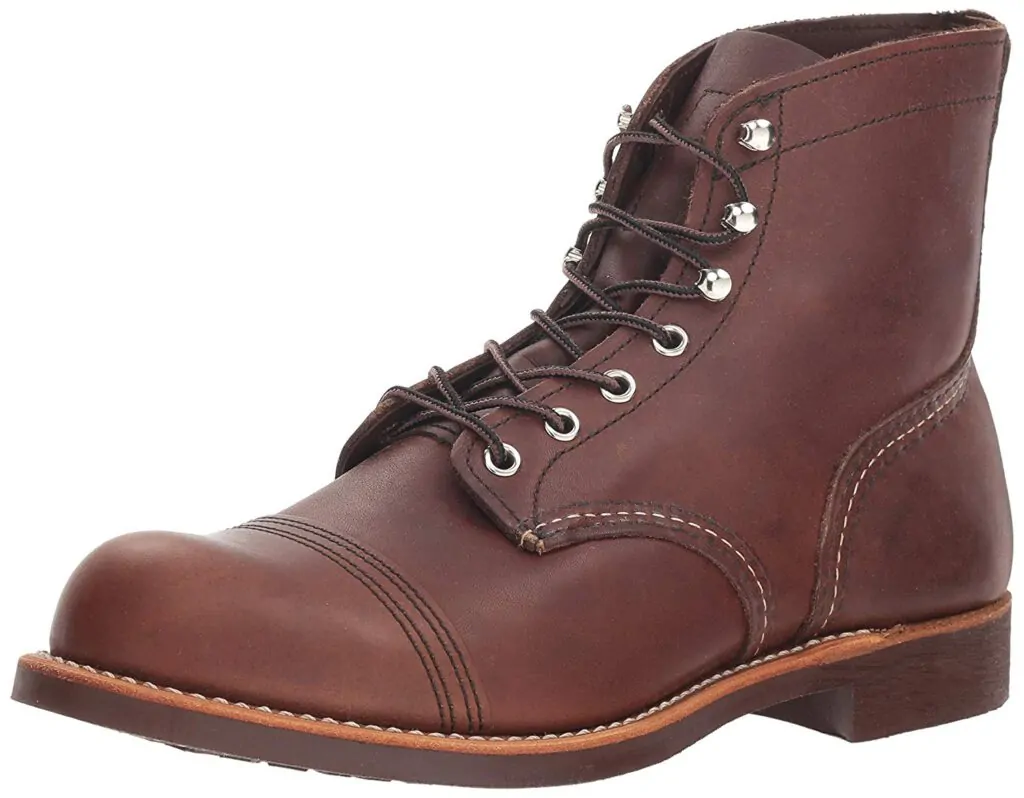
The Red Wing Iron Ranger is the Lincoln’s closest spiritual competitor — both are American-made cap-toe heritage boots in a similar price bracket. Here’s how they actually stack up:
| Feature | Origin Lincoln 1861 | Red Wing Iron Ranger |
|---|---|---|
| Price | ~$290–$299 | ~$340–$370 |
| Sourcing | Almost 100% USA | Made in USA with US & Global Materials |
| Insole / Footbed | Foam + PU Insert | Leather & Cork |
| Shank | None | Steel Shank |
| Construction | Hybrid Stitchdown / Cemented | Goodyear Welt |
| Break-In | Easy (Days) | Difficult (Weeks to Months) |
| Sizing | True to Size (Brannock) | Size Down ½ to 1 Full Size |
| Wide Sizing | Yes (EE available) | Yes (EE available) |
| Lead Time | 3–4 weeks (handcrafted) | In stock / ships immediately |
The Bottom Line: Choose the Origin Lincoln if out-of-the-box comfort, unparalleled American sourcing, and a lower price are your priorities. Choose the Red Wing Iron Ranger if you want a full Goodyear welt construction, a steel shank for arch support, and a traditional leather footbed that molds deeply to your foot over time. (Check Iron Ranger Price on Amazon)
How to Care for Your Origin Lincoln Boots
The Seidel pull-up leather is one of the most forgiving leathers on the market — it’s pre-loaded with oils and waxes, so it doesn’t demand constant attention. Here’s a simple care routine that will keep these boots in excellent shape for years:
- Clean: Wipe off dirt and mud with a damp cloth. For dried mud, use a soft brush.
- Condition: Every 2–3 months (or when the leather looks dry), apply a thin coat of mink oil, neatsfoot oil, or a quality boot conditioner like Leather Honey. The pull-up leather will darken slightly with each application, which is normal and attractive.
- Waterproof: Apply a beeswax-based waterproofing product like Sno-Seal 2–3 times per year if you’re regularly in wet conditions. Pay extra attention to the waist seam.
- Dry properly: Never dry near direct heat. Stuff with newspaper and let air-dry at room temperature if they get soaked.
- Resole when ready: When the Vibram outsole wears down, any skilled cobbler can resole the front stitchdown portion. Budget approximately $80–$120 for a quality resole — and you’ve got a fresh boot.
Frequently Asked Questions
How much do Origin Lincoln boots cost?
The Origin Lincoln 1861 Big Lug Boot retails for approximately $290–$299 direct from originmaine.com. Prices may vary slightly by leather color and configuration.
How long does Origin take to ship?
Origin boots are handcrafted to order in Maine. Expect a lead time of approximately 3–4 weeks from order to delivery — standard for handmade USA boots, but worth planning ahead for if you have a deadline.
Does Jocko Willink own Origin?
Yes. Jocko Willink is a co-owner and prominent face of Origin Maine. The brand was founded on the premise of rebuilding American manufacturing from the ground up.
Can Origin boots be resoled?
Yes. The stitchdown front construction makes the Lincoln easy for any skilled cobbler to resole. With periodic resoling and basic leather care, these boots can realistically last 15–20 years.
Are Origin Lincoln boots waterproof?
No — not fully. The pull-up leather handles rain and splashes well, but the cemented waist construction is a weak point for sustained water exposure. Regular treatment with a beeswax waterproofing product significantly improves resistance, but these are not a replacement for purpose-built waterproof boots.
Are Origin boots worth the money?
For the right buyer — yes, emphatically. The combination of top-tier American materials, transparent sourcing, genuine resoleability, and out-of-the-box comfort makes the ~$299 price tag a fair deal when viewed as a long-term investment rather than a one-time purchase. Amortized over 15 years, that’s less than $20 a year for a boot that keeps improving with age.
What’s the difference between the Origin Lincoln and the Origin Built Boot?
The Built Boot adds a composite safety toe and fiberglass shank — addressing the Lincoln’s two main limitations for heavy-duty use. If you need a safety toe or work in demanding conditions requiring serious arch support, the Built Boot is the better choice. The Lincoln is the lifestyle and light-duty option.
Final Verdict
The Origin Lincoln 1861 Big Lug Boot is an impressive achievement. At around $295, it delivers on its promise of American craftsmanship with a transparency that is genuinely rare in the industry. It’s a tough, handsome boot that masterfully blends heritage style with modern, out-of-the-box comfort — and a boot that only gets better with age and care.
The lack of a shank and the hybrid sole construction are real trade-offs worth understanding before you buy. But for the right person — the heritage boot enthusiast who doesn’t want to endure weeks of painful break-in, or the Made-in-USA purist who wants the most transparent supply chain in the boot market — these are minor concessions for what is otherwise a top-tier work and lifestyle boot.
If you value American manufacturing, want a boot that will outlast most of its competitors, and appreciate a clean, classic aesthetic, the Origin Lincoln is one of the best you can buy at this price point. Just order early — good things take time, and these are handmade.