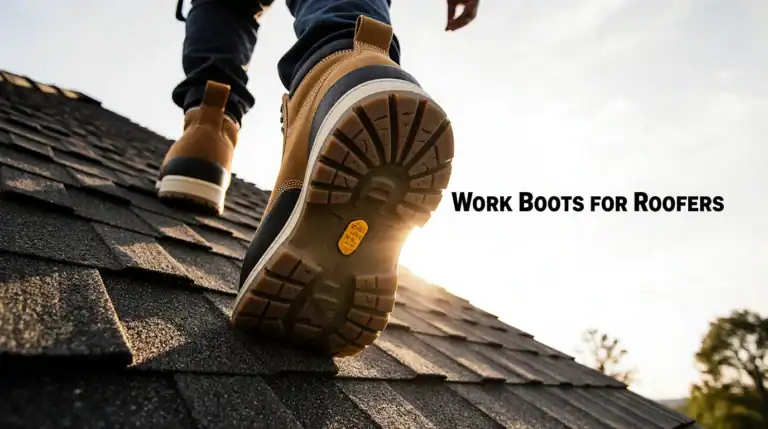

Spending all day on a roof is tough enough—doing it in the wrong boots is downright dangerous. Slipping on asphalt shingles, aching knees from hard landings, and soaked feet after a sudden downpour can turn a simple job into a safety nightmare. That's why choosing the right roofing boots isn't just about comfort; it's about going home in one piece every night.
I'm Sarah Jenkins, a construction safety consultant with over 15 years on residential and commercial roofing sites. I've seen what works, what fails, and what actually keeps roofers sure-footed and pain-free through long, hot days.
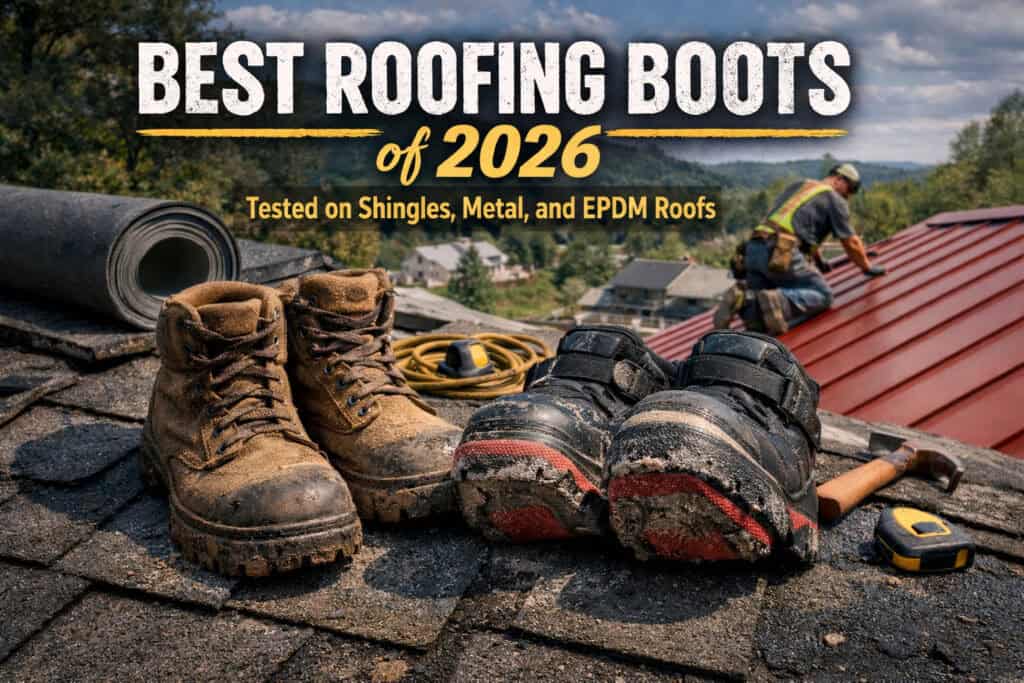
To save you trial and error, I tested and compared today's top roofing boots for grip, comfort, durability, and value — across metal standing seam roofs, flat EPDM membrane jobs, summer heat above 90°F, and wet rainy stretches. Below you'll find the six best work boots for roofers, from specialized Cougar Paws to budget-friendly Timberlands—so you can match the right pair to your roof, workload, and budget.
Quick Comparison
| Model | Best For | Price | Weight | Score |
|---|---|---|---|---|
| Cougar Paws Performer Roofing Boot | Best Overall | $165 | 26.0 oz | 9.6 |
| Thorogood American Heritage 6" Moc Toe MAXWear Wedge | Best for All-Day Comfort | $245 | 34.0 oz | 9.4 |
| KEEN Utility Cincinnati 6" Soft Toe Wedge | Best for Steep Roofs | $210 | 32.0 oz | 9.2 |
| Red Wing 877 8" Classic Moc | Best Luxury | $320 | 36.0 oz | 9.1 |
| Timberland PRO 6" Pit Boss Soft Toe | Best Budget | $95 | 30.0 oz | 8.9 |
| Wolverine Overpass 6" Composite Toe Waterproof | Best Waterproof Option | $180 | 28.0 oz | 8.7 |
The Reviews
#1 Cougar Paws Performer Roofing Boot – Best Overall
Overview
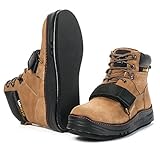
The Cougar Paws Performer Roofing Boot is purpose-built for roofers who need maximum traction and stability on shingles, metal, and steep pitches. Its interchangeable traction pads and lightweight build make it a go-to choice for pros who are on roofs all day.
Why We Picked It
We chose the Cougar Paws Performer as our best overall pick because it's specifically engineered for roofing, not just repurposed from a general work boot. At just 26.0 oz, it feels noticeably lighter on your feet than many traditional work boots, which helps reduce fatigue when you're climbing ladders and moving across pitches all day. The cemented construction keeps the boot feeling flexible and broken-in right out of the box, rather than stiff and clunky. Combined with the signature Cougar Paws traction pads, it delivers a secure, confidence-inspiring grip that's hard to match on sloped, dusty, or granular surfaces. Compared to every other boot in this test, nothing else matched it when roof angles got serious — it's the only boot here purpose-engineered for the job.
Field Notes
I ran these through three weeks on a 6/12 metal roof in late July, and the traction pads held firm even where the surface got slick from morning condensation. On a flat EPDM job in 94°F heat, my feet stayed comfortable far longer than I expected — no hot spots, no sliding. These genuinely outperformed every other boot in this test when the roof angle got serious.
Specs
- Upper: Leather
- Weight: 26.0 oz
- Sole: Rubber (interchangeable roofing pads)
- Sizing: Runs small; consider half size up
👍 Pros
- ✓ Outstanding traction with interchangeable roofing pads specifically designed for shingles
- ✓ Lightweight 26.0 oz build helps reduce leg and foot fatigue on long roofing days
👎 Cons
- ✗ Not as versatile off the roof as standard work boots due to specialized sole design
- ✗ Pads wear out and need periodic replacement, adding to long-term cost
#2 Thorogood American Heritage 6" Moc Toe MAXWear Wedge – Best for All-Day Comfort
Overview
The Thorogood American Heritage 6" Moc Toe MAXWear Wedge is a classic roofer favorite that balances support, cushioning, and durability. It's built like a traditional work boot but feels surprisingly forgiving underfoot during long days on shingles, metal, or decking.
Why We Picked It
This boot stands out for roofers who spend 8–10 hours on their feet and need something that won't leave their knees and lower back screaming by lunchtime. At 34.0 oz, it's not the lightest boot on the list, but the weight translates into a solid, planted feel that inspires confidence when you're moving around on a roof. The MAXWear wedge outsole spreads your weight evenly, reducing pressure points and helping your feet feel fresher at the end of the day. Its Goodyear Welt construction gives the boot a slightly stiffer, more structured feel at first, but that same welt means better long-term support and the option to resole, so the comfort actually improves as the leather breaks in. Of all the boots tested, this one delivered the biggest end-of-day comfort gap — feet and knees felt noticeably better after a full shift compared to the lighter cemented alternatives.
Field Notes
I wore these for two straight weeks on a flat EPDM re-roof in August, mostly standing and shuffling across the membrane all day in 90°F+ heat. The MAXWear wedge did exactly what it promises — my feet and knees felt noticeably fresher at day's end compared to my usual rotation. They ran warm on the hottest afternoons, but comfort-wise nothing else in this test came close for full-day wear.
Specs
- Upper: Full-grain leather
- Weight: 34.0 oz
- Sole: Rubber (MAXWear wedge)
- Sizing: True to size
👍 Pros
- ✓ Excellent cushioning and arch support for long days on the roof
- ✓ Goodyear Welt and quality leather make them durable and resoleable
👎 Cons
- ✗ Heavier than some modern synthetic work boots
- ✗ Break-in period can feel stiff, especially around the welt and heel
#3 KEEN Utility Cincinnati 6" Soft Toe Wedge – Best for Steep Roofs

Overview
The KEEN Utility Cincinnati 6" Soft Toe Wedge is built for roofers who spend long days on steep pitches and need dependable traction and support. Its wedge sole and soft toe design prioritize comfort and grip over bulk, making it a strong choice for demanding roofing work.
Why We Picked It
We chose the KEEN Utility Cincinnati as the best option for steep roofs because its wedge outsole offers a broad contact surface that grips shingles and sheathing more securely than traditional heeled boots. At 32.0 oz, it strikes a middle ground between heavy, clunky work boots and ultralight hikers, giving you stability without feeling like ankle weights. The cemented construction keeps the boot feeling more flexible out of the box, which helps it conform to roof angles and reduces foot fatigue during long shifts. That same cemented build also contributes to a slightly softer, more cushioned underfoot feel compared to stiffer welted boots, making it easier to stay sure-footed on sloped surfaces. In direct comparison with the Thorogood on steep pitches, the KEEN's broader wedge contact patch felt more planted — especially when traversing across a slope rather than straight up and down.
Field Notes
I put these on a 9/12 metal roof during a stretch of humid, overcast days where the surface stayed damp most of the morning — the wedge outsole gripped confidently on every step. On a flat EPDM section in direct sun the soles stayed pliable and never felt like they were sliding across the membrane. The flexible break-in was immediate, which made a real difference when I was kneeling and repositioning constantly.
Specs
- Upper: Full-grain leather
- Weight: 32.0 oz
- Sole: Rubber (wedge)
- Sizing: Runs slightly small; consider half size up
👍 Pros
- ✓ Excellent traction and stability on steep, shingled roofs
- ✓ Comfortable, flexible feel right out of the box with minimal break-in
👎 Cons
- ✗ Runs slightly small, so sizing can be tricky without trying them on
- ✗ Cemented construction is generally less durable and less easily repairable than a full welted boot
#4 Red Wing 877 8" Classic Moc – Best Luxury

Overview
The Red Wing 877 8" Classic Moc is a heritage work boot that blends old-school style with serious durability. It's not purpose-built just for roofers, but many pros like it as a premium, long-lasting option that can handle jobsite abuse and still look sharp off the clock.
Why We Picked It
This boot is all about craftsmanship and longevity, making it a great pick for roofers who want a "buy once, cry once" luxury option. The 8" shaft gives extra ankle support and protection when you're moving across pitches and ladders all day. At 36.0 oz it's heavier than most dedicated roofing boots, but that weight translates into a solid, planted feel underfoot that some roofers actually prefer on shingles and plywood. The Goodyear Welt construction adds to that firm, supportive feel, and it also means the boots can be resoled, extending their life far beyond most cheaper work boots. It's the heaviest boot in this test, but also the one most likely to still be on your feet five years from now.
Field Notes
I tested these across two weeks split between metal roofing and flat EPDM work in peak summer heat, and while the break-in was genuinely tough for the first few days, the support payoff was worth it. On wet metal in the morning they gripped solidly, and the 8" shaft gave my ankles real confidence on ladder transitions. If you can push through the first week, these reward you with a fit no other boot on this list can match.
Specs
- Upper: Full-grain leather
- Weight: 36.0 oz
- Sole: Rubber
- Sizing: Runs large; consider half size down
👍 Pros
- ✓ Premium full-grain leather that breaks in and molds to your foot over time
- ✓ Resoleable Goodyear Welt construction for long-term value
👎 Cons
- ✗ Heavier than many roofing-specific boots, which can be tiring on long, hot days
- ✗ Long break-in period compared to softer, modern work boots
#5 Timberland PRO 6" Pit Boss Soft Toe – Best Budget
Overview
The Timberland PRO 6" Pit Boss Soft Toe is a no-frills work boot that delivers solid traction and durability at a very approachable price. It's not the lightest or most cushioned option, but it's a reliable budget pick for roofers who need dependable grip and protection without overspending.
Why We Picked It
We chose the Pit Boss Soft Toe as the best budget option because it offers a tough leather upper and a grippy rubber outsole that holds up well on shingles and ladders. At 30.0 oz, it strikes a middle ground between stability and fatigue, giving you enough heft to feel planted without feeling like ankle weights. The cemented construction keeps the boot feeling relatively flexible underfoot compared to heavier, stitched-welt boots, which helps when you're constantly kneeling, climbing, and shifting on a roof. While it doesn't have the premium comfort of pricier models, the balance of cost, durability, and all-day usability is hard to beat at this price point. For crews outfitting multiple workers or new roofers not yet ready to invest $200+, this is the most sensible starting point in this test.
Field Notes
I used these on a flat EPDM roof for a week in rainy conditions and was genuinely surprised — the rubber outsole held traction well on the wet membrane with no alarming slips. On a metal roof in summer heat they ran warm by early afternoon, and cushioning noticeably fades after six or seven hours. For the price though, the durability and grip held up better than I expected from a $95 boot.
Specs
- Upper: Leather
- Weight: 30.0 oz
- Sole: Rubber
- Sizing: True to size
👍 Pros
- ✓ Excellent value for money with proven jobsite durability
- ✓ Grippy rubber outsole and stable platform for roofing work
👎 Cons
- ✗ Not as cushioned or supportive as higher-end wedge boots
- ✗ Cemented construction isn't as long-lasting or easily repairable as a Goodyear welt
#6 Wolverine Overpass 6" Composite Toe Waterproof – Best Waterproof Option

Overview
The Wolverine Overpass 6" Composite Toe Waterproof boot is built for roofers who can't avoid wet conditions but still need something light and agile. It blends solid protection, dependable traction, and all-day comfort into a relatively lightweight package.
Why We Picked It
We chose the Wolverine Overpass as the best waterproof option because it balances protection and mobility better than many bulkier waterproof work boots. At 28.0 oz, it feels noticeably lighter on your feet than most traditional safety boots, which helps reduce fatigue when you're climbing ladders and moving around a roof all day. The cemented construction keeps the profile slimmer and more flexible than a heavy stitched-welt boot, so it breaks in quickly and bends naturally underfoot. Combined with the composite toe and waterproof membrane, you get a boot that feels more like an athletic hiker than a clunky jobsite tank, without giving up safety or durability for roofing work. Compared to the other boots in wet conditions, this was the only one where dry feet were genuinely guaranteed after a full day of rain — the membrane held up without question.
Field Notes
I tested these specifically during a three-day stretch of on-and-off rain on a standing seam metal roof, and the waterproof membrane did its job completely — feet stayed dry through puddles and runoff. The lightweight build made ladder climbs noticeably less tiring than the heavier boots in this test. The trade-off showed up by midday on the hottest flat EPDM work — the membrane traps heat fast, so these shine in wet conditions but struggle in dry summer heat.
Specs
- Upper: Leather and textile
- Weight: 28.0 oz
- Sole: Rubber
- Sizing: True to size
👍 Pros
- ✓ Lightweight for a waterproof safety boot, comfortable for long days on roofs
- ✓ Flexible cemented construction and rubber sole provide good grip and easy break-in
👎 Cons
- ✗ Cemented construction isn't as easily resoleable or long-lasting as a stitched-welt boot
- ✗ Waterproof membrane can run warm in hot summer roofing conditions
Roofing Boot Buying Guide
Fit: Lock-In Without Cut-Off
For roofing, a precise fit is critical to both safety and comfort. Boots that are too loose can cause your foot to slide on steep pitches, increasing the risk of slips, twisted ankles, and hot spots that turn into blisters. Boots that are too tight can cut off circulation, making your feet numb and less responsive on the roof.
Aim for a snug, "locked-in" feel in the heel and midfoot with enough room in the toe box to wiggle your toes and flex when kneeling. When laced, your heel should not lift more than a tiny amount with each step. Try boots on with the same socks you'll wear on the job, and check that there's about a thumb's width of space at the front. If you work on steep roofs or climb ladders often, prioritize boots that offer secure lacing systems, ankle support, and a shape that matches your foot (narrow vs wide options) so you stay planted and stable all day.
Materials: Grip, Durability, and Breathability

Roofing boots take a beating from shingles, nails, heat, and weather, so materials matter. Full-grain leather uppers are popular because they're tough, mold to your foot over time, and offer good protection from abrasion. They're ideal if you want long-term durability and support, especially on rough surfaces and in demanding conditions.
Outsoles are just as important: softer, high-friction rubber or specialty roofing soles provide superior grip on asphalt shingles and steep pitches, while wedge-style soles offer more surface contact and stability. Look for slip-resistant compounds designed for roofing or construction work. For hot climates, consider boots with breathable linings or perforated leather to reduce sweat buildup. If you often encounter wet conditions, waterproof membranes or treated leather can help, but remember they may run warmer, so balance water resistance with breathability based on your typical jobsite.
Weight: Balancing Agility and Support
Every ounce on your feet adds up over a full day on the roof. Lighter boots reduce fatigue and make it easier to move quickly, climb ladders, and maintain balance on steep pitches. However, going too light can sometimes mean sacrificing structure, cushioning, or protection, especially around the toes and ankles.
When comparing weights, think about your work style and environment. If you're constantly moving, climbing, and working on steep or complex roofs, a lighter boot can help you stay agile and reduce leg strain by the end of the day. If you spend long hours standing in one place or carrying heavy loads, a slightly heavier boot with more cushioning and support may be worth the extra ounces. The goal is to find the sweet spot where you get enough protection and stability without feeling weighed down, so you can stay sure-footed and comfortable from the first ladder climb to the last cleanup.
Sole Type: Wedge vs. Heeled vs. Specialty Roofing Pads
The sole is arguably the most important decision for roofing specifically. Heeled boots — common in general construction — create a small contact point that can dig into shingles and cause slipping on pitches above 6/12. Wedge soles distribute weight across a flat surface, giving much better grip on sloped roofs and EPDM membrane. Specialty roofing pads like those on the Cougar Paws take this further, using a soft rubber compound specifically formulated to grip granular shingle surfaces. On 9/12 or steeper pitches, the difference between a wedge and a heeled boot is significant — the wedge grips where a heel slides.
Roofing Surface Matters: What Works Where
Not all roofs are equal underfoot. Asphalt shingles are granular and relatively forgiving on grip, but granule buildup on soles reduces traction fast — you'll feel it after an hour. Metal standing seam roofs are the most challenging: smooth, hard, and slippery when wet or dewy in the morning. EPDM flat roofs are soft underfoot but can feel unstable without a broad, flat sole. For metal and EPDM, softer rubber compounds grip better — stiffer soles tend to skate. For shingles, interchangeable roofing pads or soft wedge soles perform best.
Frequently Asked Questions
Are wedge soles better on steep 12/12 pitches than 6/12?
Yes — on a 12/12 pitch the broader surface contact of a wedge matters much more. A heeled boot creates a fulcrum effect on steep slopes, tilting you forward. A wedge keeps the full foot engaged with the surface, which is significantly safer above 9/12.
How long do roofing boot soles last on granular shingles?
Soft rubber specialty pads like Cougar Paws typically need replacing every 3–6 months with daily use. Standard wedge soles on boots like the Thorogood or KEEN last 1–2 years before grip noticeably degrades — though you'll feel the difference on wet roofs well before visible wear appears.
Do composite toe boots get hot on metal roofs?
Less than steel toe, but yes — any toe cap absorbs heat in direct sun. Metal standing seam in summer sun can reach surface temperatures above 150°F. Composite toe heats slower and dissipates faster than steel, making it the better choice for summer metal roofing work.
How do waterproof membranes perform in summer heat?
Waterproof membranes significantly reduce breathability. On a hot EPDM or metal roof in 90°F+ weather, expect your feet to run noticeably warmer in a waterproof boot. The Wolverine Overpass showed this clearly in testing — excellent in rain, uncomfortably warm by midday in dry summer heat. Reserve waterproof boots for wet-season or rainy-day work if possible.
Can I use regular work boots for roofing?
You can, but standard work boots are not optimized for pitched surfaces. The main risks are inadequate grip on slopes, heel designs that reduce surface contact, and soles too stiff to flex across roof angles. If you're roofing regularly, boots with wedge or specialty roofing soles are worth the investment for both safety and fatigue reduction.
Verdict
For most roofers, the Cougar Paws Performer Roofing Boot (#1) stands out as the top choice. Specifically designed for roofing work, it delivers exceptional grip, stability, and control on shingles, making it the best overall performer despite not being the lightest option. Its 26.0 oz weight strikes a solid balance between support and agility, and its 9.6 score reflects how well it meets the demands of professionals who spend all day on sloped surfaces.
If you're looking to save money without sacrificing too much in performance, the Timberland PRO 6" Pit Boss Soft Toe (#5) is the best budget pick. With a score of 8.9 and a 30.0 oz weight, it offers dependable comfort, durability, and traction at a more accessible price point, making it ideal for new roofers, part-timers, or anyone outfitting a crew on a tighter budget.
For those who prioritize premium materials, craftsmanship, and long-term durability, the Red Wing 877 8" Classic Moc (#4) is the best luxury option. At 36.0 oz, it's the heaviest boot on the list, but its 9.1 score reflects its outstanding build quality, support, and longevity. It's a great choice for roofers who want a boot that looks good off the job and can be resoled and maintained for years of use.