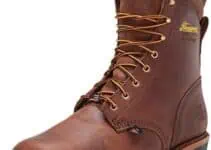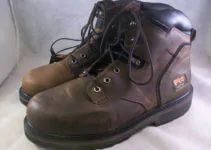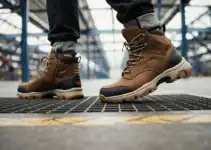
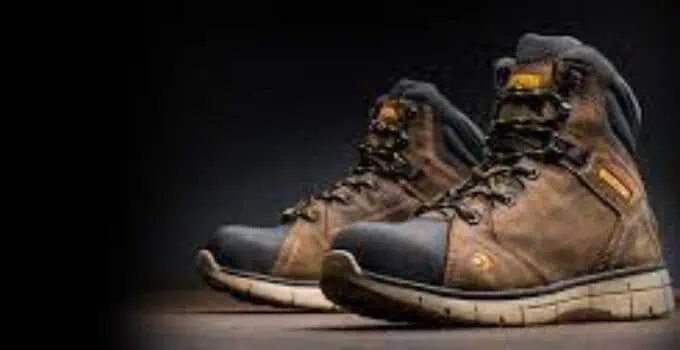

Finding a work boot that feels like a sneaker but protects like a shield is the holy grail for construction workers. The Wolverine Rigger series claims to be exactly that—combining the stability of a wedge sole with Wolverine’s advanced EPX anti-fatigue technology.
But with so many options in the Wolverine lineup (like the Overpass and Drillbit), which one is actually right for your job site?
In this guide, we break down the Wolverine Rigger Work Boots, analyze their waterproofing and durability, and compare them to the top alternatives to help you spend your money wisely.
🏆 Quick Verdict: Top Picks at a Glance
| Best For... | Model | Key Feature |
|---|---|---|
| Overall Comfort | Wolverine Rigger EPX | EPX Anti-Fatigue Footbed |
| Flexibility | Wolverine Overpass | Contour Welt Technology |
| Heavy Duty | Wolverine Drillbit | ArmorTek Guard & Vibram Sole |
| Budget | Skechers Burgin | Memory Foam Value Pick |
Deep Dive: Wolverine Rigger Series
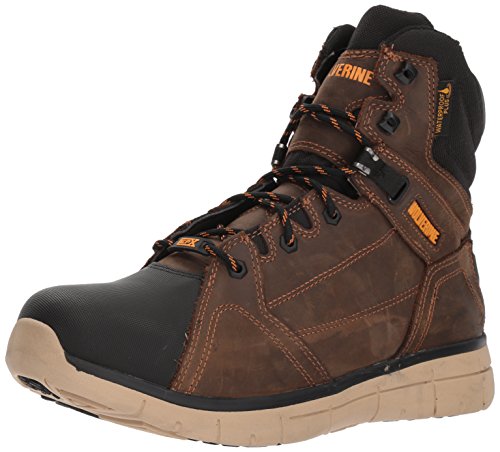
The Rigger is designed for workers who stand on concrete or flat surfaces for 10+ hours a day. The key selling point here is the Wedge Sole, which distributes your weight evenly across the entire foot, unlike a heeled boot that focuses pressure on the heel and ball.

1. Wolverine Men's Rigger EPX CarbonMAX (Composite Toe)
Best For: Framers, Carpenters, and Warehouse Workers.
This is the flagship of the line. It features the CarbonMAX safety toe, which is significantly lighter and thinner than a traditional composite toe, giving your toes more room to breathe while still meeting ASTM safety standards.
✅ The Good
- EPX Footbed: Returns energy with every step to fight fatigue.
- CarbonMAX Toe: Lighter/thinner than standard composite.
- Waterproof: Breathable membrane keeps feet dry.
❌ The Bad
- Narrow Fit: Users report the toe box runs slightly snug.
- Wedge Sole: Not ideal for climbing ladders (no heel lock).
2. Wolverine Men's Rigger Soft-Toe Wedge
Best For: Landscapers and Finish Carpenters.
If your job site doesn't require a safety toe, save the weight. The Soft-Toe version offers all the comfort of the EPX system in a much lighter package. Ideal for residential work where agility matters more than impact protection.
Top Alternatives: When to Upgrade?
While the Rigger is great for flat surfaces, it isn't perfect for everyone. If you work in mud, climb ladders, or need extreme durability, consider these "big brother" models.
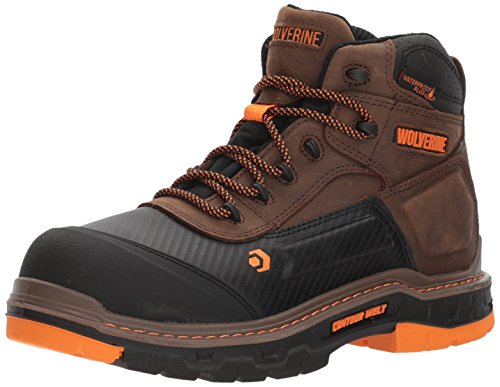
3. Wolverine Overpass 6" Composite Toe (The Flexible Choice)
The Upgrade: The Overpass uses Contour Welt® technology, which allows the boot to bend and flex like a sneaker instantly. Unlike the flat Rigger, the Overpass has a defined heel and deeper lugs, making it better for uneven terrain and ladders.
- Durability: Features an abrasion-resistant toe cap (scuff guard) which the Rigger lacks.
- Comfort: Ortholite cushioned footbed.
- Fit: Generally runs True to Size (unlike the narrow Rigger).

4. Wolverine Drillbit Oil Rigger (Heavy Duty)
The Upgrade: As the name implies, this is for the roughest environments. It features an ArmorTek guard—a reinforced coating on high-wear areas—and a Vibram rubber lug outsole for maximum traction in oil, mud, and sludge.
- Construction: Goodyear Welt (very durable/resoleable).
- Sole: Vibram Lug (aggressive traction).
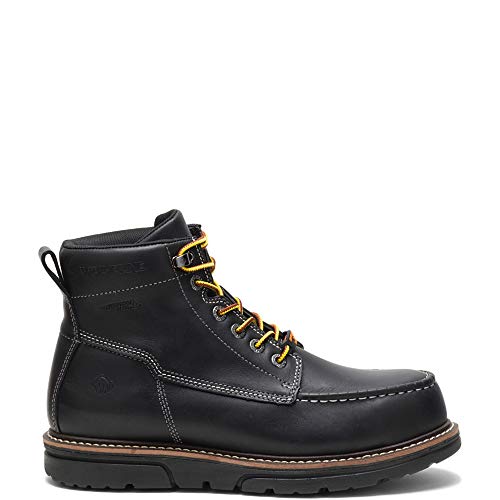
5. Wolverine I-90 DuraShocks Moc-Toe
The Upgrade: If you have knee or back pain, look at the I-90. It replaces the EPX foam with DuraShocks technology—rugged compression pads in the heel and forefoot that mechanically absorb shock.
Best Budget Picks (Under $100)
6. Skechers Work Burgin-Tarlac & Floorhand
If you are an apprentice or on a budget, you don't always need $180 boots.
- Skechers Burgin-Tarlac: A solid steel-toe beater boot with Memory Foam. Great for indoor factory work.
- Wolverine Floorhand: The basic entry-level Wolverine. It lacks the fancy EPX or DuraShocks comfort tech, but it offers genuine full-grain leather and waterproofing for a fantastic price.
Buying Guide: Key Technologies Explained
1. EPX vs. DuraShocks
- EPX (Rigger): A dual-density foam footbed designed for energy return. It feels bouncy and fights fatigue. Best for active walkers.
- DuraShocks (I-90): Mechanical compression pads in the outsole that absorb impact. Best for standing in one spot on concrete or heavy heel-strikers.
2. Wedge Sole vs. Defined Heel
- Wedge Sole (Rigger): Flat bottom. Pros: Doesn't track mud, huge contact area for grip on smooth surfaces, very comfortable. Cons: Can slip on grass/hills, dangerous on ladders.
- Defined Heel (Overpass/Drillbit): Pros: Locks onto ladder rungs, digs into mud/gravel. Cons: Heavier, tracks dirt.
3. CarbonMAX Safety Toe
Both the Rigger and Overpass use CarbonMAX. This is a nanotube technology that makes the safety toe stronger and thinner. The result? A safety toe boot that doesn't look bulbous or feel heavy.