


That "thwack-stick" sound when you’re walking? You already know what’s happened. Gum. It’s annoying, unpleasant, and somehow always chooses your newest pair of shoes. Luckily, learning how to remove gum from shoes safely doesn’t have to be a nightmare.
We've tested all the simple hacks and methods out there, so we can give you clear, honest advice on how to get that sticky mess off the sole of your shoe without ruining your favorite pair.
Before You Start: The 3 Golden Rules
Before you grab the peanut butter, following these three rules will save you a ton of hassle and prevent accidental damage.
- Scrape First: Before you try any cleaning method, gently remove as much loose gum as possible using a dull edge, like a putty knife or a spoon. Victor Adrian, a footwear expert, suggests this is the first thing you should do.
- Test First: If you plan on using any liquids, oils, or chemical solutions (like WD-40 or vinegar), always test them on a small, hidden area of the shoe first. This ensures they won't damage the material or cause discoloration.
- Be Patient: Slow and steady avoids spreading the sticky residue around. Especially with the cold method, if the gum isn’t completely hardened, it will just smear when you try to scrape it.
Quick Navigation: Find Your Fix Fast
| Shoe Type | Best First Try | For Stubborn Gum |
|---|---|---|
| Rubber Soles / Sneakers | Cold Method | Oil or WD-40 |
| Finished Leather Boots | Cold Method | Heat (low) |
| Suede / Fabric | Cold Method Only | Vinegar or Alcohol (Test First!) |
| Sticky Residue Only | Remove Sticky Residue | — |
Method 1: The Cold Method (Freeze It or Ice It)
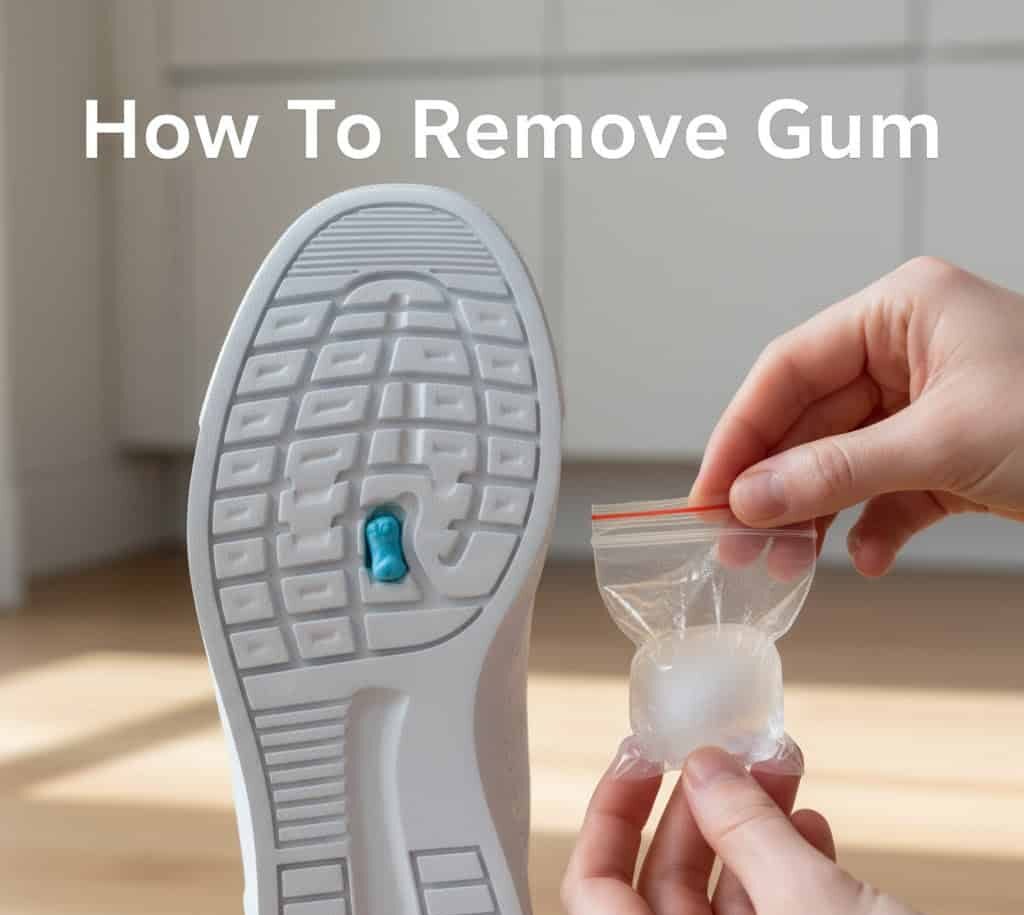
how to remove gum from shoes with ice
This is hands-down the safest first approach for any shoe material. It works because cold temperatures make the soft, sticky gum turn brittle and hard. Once it freezes, it loses its grip on the shoe material, and you can chip it right off.
Option A: Freezer Method
If you aren't keen on putting your dirty shoe right next to your frozen peas (a common concern!), just slip it into a plastic bag first.
- Bag It Up: Take your shoe and put it into a plastic bag, like a large food storage bag or a grocery bag. It's crucial that you press the part with the gum firmly against the plastic bag for several seconds—the gum needs to stick to the plastic before freezing.
- Freeze: Place the plastic-covered shoe in the freezer for about 1 to 2 hours. You want to give the gum a chance to freeze onto the plastic bag. Leaving it longer makes it easier to remove.
- Peel and Scrape: Once frozen solid, remove the shoe. The gum should stick to the plastic bag and peel right away with it. If any bits remain, use a dull scraper or putty knife.
Option B: Ice Cubes
If you only have a small piece of gum or don't want to chill the whole shoe (especially if you worry about damaging leather), use ice cubes.
- Prep the Ice: Put a few ice cubes in a zip-closed plastic bag.
- Chill the Gum: Press the ice bag firmly onto the gum until the gum freezes solid. You'll have to be patient, as this may take a little while. Avoid letting the ice cubes touch materials like leather, as the moisture and cold can damage the material.
- Scrape: Carefully use a dull butter knife or putty knife to scrape the hard, frozen gum off the shoe.
BootsGuru Tip: If you have gum stuck on rubber sole treads (which happens all the time), the freezing method is still the best start. After you peel off the bulk of the gum, use a small tool like an old toothbrush, a plastic pick, or a pointy-ended tool to gently scrub or scrape out the remaining pieces that are deep in the grooves.
Method 2: The Oil Method (Peanut Butter or Olive Oil)

remove gum from a shoe
This method is fantastic for breaking down sticky, stubborn gum, especially on rubber soles and finished leather. The reason it works is that the fats and oils break down the gum, making it soft and significantly less sticky.
Peanut Butter
- Apply: Take a generous layer of creamy peanut butter and apply it directly to the gum.
- Wait: Let it sit for 10 to 15 minutes.
- Scrub: Use an old toothbrush or a firm-bristled scrub brush to scrub away the peanut butter and the gum, making sure to scrub with the grooves of the sole, not against them.
- Clean Up: Rinse the sole under cold running water to remove any peanut butter residue. Be thorough, as residue can leave a temporary smell.
Olive Oil
Olive oil is similar to peanut butter—the added oil loosens the chewing gum's plastic/rubbery components, making it less adhesive.
- Rub: Rub olive oil onto the gum.
- Sit: Let the oil sit for a minute or two.
- Wipe: Use a paper towel or cloth to rub the oil and gum off. You can use a pointy-ended tool dipped in olive oil to remove any remaining excess gum.
Important Warning for Oils:
You must avoid getting oils directly on leather or suede, as they can cause significant, hard-to-remove stains. This is why the cold method is always safer for these materials.
Method 3: The Solvent Method (Vinegar, Alcohol, or WD-40)
If cold and oil don't cut it, it's time to bring in the big guns. Solvents help dissolve or break the adhesive bond.
A: Vinegar or Rubbing Alcohol (The Safer Solvents)
Both rubbing alcohol and vinegar are acidic enough to break down the sticky properties of the gum.
- Prep: Slightly heat up some white vinegar (don't boil it). Alternatively, use 70% isopropyl alcohol.
- Apply: Soak a clean cloth in the chosen liquid and press it onto the gum. Let it sit for about a minute.
- Rub: Gently rub the gum. It should soften and start lifting.
Caution: Acetone-based nail polish remover can also dissolve gum. However, be extremely careful, as acetone may damage the finish on patent or suede shoes.
B: WD-40 (Powerful but Risky)
WD-40 is an excellent product for dissolving the gum's adhesive bond, and it works particularly well when the gum stuck on rubber sole treads. In fact, one reader found that WD-40 did the job perfectly when their shoe had little nooks and crannies.
- Spray: Spray the gum with WD-40. Cover the gum well, but try not to soak the entire shoe.
- Wait: Let the spray sit for at least a minute.
- Wipe: Wipe away the gum and the spray using a paper towel or rag. If the gum is stubborn, give it a second spray and try again.
- Clean Up: Immediately wipe the sole again with a clean rag to remove any oily residue left from the spray. Residue could lead to slipping.
Warning: Will WD-40 damage leather shoes?
Yes, WD-40 can leave an oily residue. If you use it on absorbent materials like suede or light-colored leather, it can leave a stain or dark spot. Always test it on a hidden spot first.
Method 4: The Heat Method (Hair Dryer)
If you don't want to freeze the gum, you can go the opposite direction and soften it up with heat. This method is best for finished leather and rubber soles, but avoid using high heat, which can melt the gum, spread the mess, or damage internal glue.
- Heat: Plug in a hair dryer and set it to low or medium heat. Aim the heat directly at the gum, holding it a few inches away.
- Soften: Keep the heat moving for 1–2 minutes until the gum softens and becomes pliable.
- Lift: Once soft, scrape the gum away with a dull butter knife or use a plastic bag to lift it off.
Pro Tip: If you used this method on suede, use a suede brush afterward to restore the nap.
How To Remove Sticky Residue
Even after removing the main wad of gum, you often have a nasty, sticky spot left behind that picks up dirt. This is where you address the actual sticky residue from shoes.
You can use one of the solvents we've already mentioned. A clean cloth dampened with rubbing alcohol or white vinegar is the safest bet. Rub the tacky spot in small circles until the residue balls up and lifts off. For tough spots on rubber soles, nail polish remover (acetone) or Goo Gone work fast, but test them first.
If your leather shoes look dull after cleaning, finish by using a leather conditioner to restore the shine and protect the material — see our full guide on using leather conditioner on boots. And if you're worried the cleaning process left any cracking behind, check whether cracked leather shoes can be restored.
Summary: Best Method by Material
| Shoe Type | Best First Try | For Stubborn Gum | Avoid |
|---|---|---|---|
| Rubber Soles | Cold Method | Oil or WD-40 | — |
| Finished Leather | Cold Method | Heat (low) | Peanut Butter/Oil (may stain) |
| Suede / Nubuck | Cold Method | Heat (very low) + Brush | All Liquids/Oils |
| Fabric / Canvas | Cold Method | Vinegar or Alcohol | All Oils (may stain) |
FAQ: Your Gum Questions Answered
Q: Does peanut butter remove gum from shoes?
A: Yes, peanut butter is a tried-and-true method for removal. The high content of fats and oils in creamy peanut butter breaks down the stickiness of the gum, making it softer and easier to scrub away. Just remember to clean the area well with soapy water afterward to remove the residue and smell.
Q: Will WD-40 damage leather shoes?
A: WD-40 can potentially damage or stain light-colored or absorbent leather and suede because it leaves an oily residue. While it works quickly to dissolve gum on rubber soles, you should always test it in an inconspicuous spot on the leather material first. For delicate materials, stick to the cold method.
Q: How do I get gum out of shoe treads?
A: The best method for gum stuck deep in treads (how to get gum out of shoe treads) is usually freezing the gum until it is hard and brittle. Once the main piece is scraped off, use a small tool like a toothbrush, a flat-head screwdriver, or a dull scraper to gently pick the hardened pieces out of the grooves. WD-40 is also exceptionally effective on deep treads.
Q: Can I use nail polish remover on white soles?
A: Acetone-based nail polish remover can dissolve chewing gum. However, you must be careful, as acetone is strong and may damage the finish on patent or suede shoes. Rubbing alcohol or Goo Gone are often less aggressive alternatives that can be used effectively on rubber soles.
Conclusion
Stepping in gum might ruin your walk, but it isn't the end for your favorite boots or sneakers. Once you follow the basic sequence of methods—starting with Cold, then moving to Oil, Solvent, or Heat—you now know exactly how to remove gum from shoes safely. This sticky situation is just another small win for a knowledgeable shoe owner. Now go get back out there—maybe just watch where you step next time!