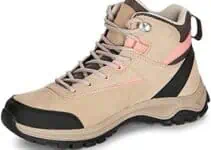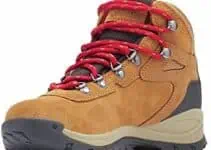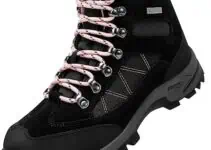
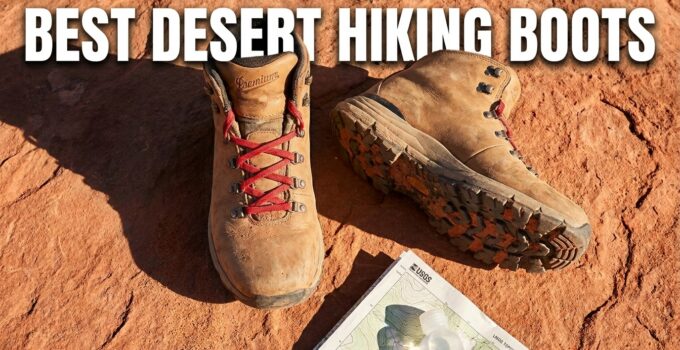
The desert is the harshest boot-testing environment on earth — and it is not harsh in the way most hikers expect. The challenge is not mud, not cold, not sustained vertical gain. The challenge is a specific combination of extreme surface heat, sand infiltration, abrasive rock, potential flash flooding, cactus hazards, and the physiological reality that your footwear is actively contributing to or reducing your risk of heat illness. A boot that excels in the Pacific Northwest will fail you in Moab in July.
The other problem is that “the desert” is not one place. The Sonoran Desert of Arizona – deep sand washes, cholla cactus, 115°F summer heat – demands completely different footwear than Utah’s Canyonlands sandstone slickrock, the compacted hardpan of Death Valley, or the technical canyon routes of the Grand Canyon’s inner gorge. Every other desert hiking boot guide recommends the same boots for all of these. This one doesn’t.
This guide covers ten Amazon-available desert hiking boots selected for specific desert types, heat management, outsole performance on hot rock, sand exclusion, and weight — with full reviews organized by terrain and use case. It also covers nine content areas that no other desert boot guide addresses: the waterproof trap, sand entry science, rubber heat degradation, cactus protection by region, the low-cut vs. mid-cut heat trade-off, heat illness and footwear, cryptobiotic soil and tread, gaiters, and the desert sock system.
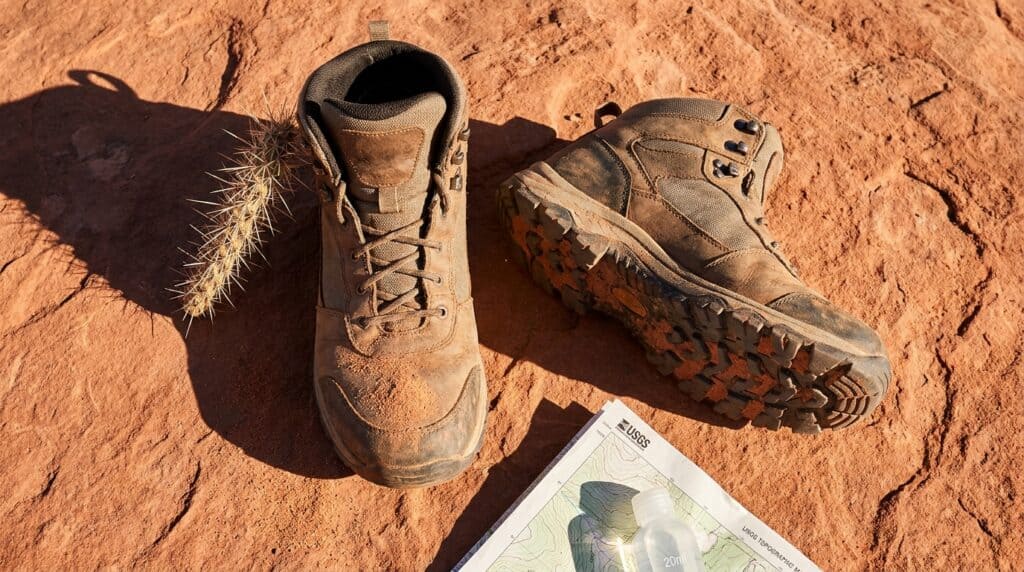
Stomp through the wilderness with these rugged boots!
Table of Contents
- Desert Terrain Type Picker
- The Waterproof Trap: Gore-Tex in Desert Heat
- Quick Comparison Table — All 10 Boots
- Best Overall / Utah Slickrock: Altra Lone Peak 9 WP Mid
- Best Sonoran / Cactus Terrain: KEEN Targhee IV Wide
- Best Max Breathability / Dry Heat: Altra Lone Peak Mid (non-WP)
- Best Technical Canyon: Salomon X Ultra 4 GTX Wide
- Best Desert Backpacking: Oboz Bridger Mid Wide WP
- Best Value / General Desert: Merrell Moab 3 Mid Wide WP
- Best Wide Feet / Heat Swelling: KEEN Circadia Mid WP Wide
- Best Cushion / Rocky Desert: HOKA Anacapa Mid GTX Wide
- Best Budget Desert: Columbia Newton Ridge Plus WP Wide
- Best Trail-Runner Feel: New Balance Hierro v8 Wide
- Sand Entry Science: Three Pathways, Three Solutions
- Outsole Rubber in Extreme Heat
- Low-Cut vs. Mid-Cut vs. High-Cut for Desert Heat
- Cactus and Plant Hazard Protection by Region
- Heat Illness and Footwear
- Cryptobiotic Soil and Tread Pattern
- Gaiters for Desert Hiking
- The Desert Sock System
- FAQ — 8 Desert Boot Questions
- Final Verdict by Desert Type
🗺️ Desert Terrain Type Picker: Which Desert Are You Hiking?
No single boot is optimal for every desert. The six major desert hiking environments in the American Southwest each present distinct combinations of terrain, vegetation, temperature, and sand exposure that determine the correct boot choice. Match your destination to the profile below before reading the reviews.
Sonoran Desert — Arizona, Mexico
The Sonoran is the most biologically complex desert in North America: deep sand washes, cholla cactus fields, prickly pear, saguaro, and rock gardens. Sand infiltration is constant in wash terrain. Cholla cactus segments adhere to boots on contact and can penetrate most synthetic mesh uppers — requiring a tighter-weave or leather hybrid upper for protection. Heat is extreme but generally accompanied by some shade vegetation. Priority needs: sand exclusion, cactus-resistant upper, moderate lug, breathable. Best pick: KEEN Targhee IV Wide.
Mojave Desert / Death Valley
Compacted hardpan, minimal vegetation, extreme thermal radiation from pale rock and dark basalt. Death Valley holds the world record for hottest air temperature, and ground surface temperatures routinely exceed 160°F in summer. Maximum breathability is the only priority — non-waterproof mesh is the correct upper for this environment. Any waterproof membrane adds dangerous interior heat in conditions where heat illness is a real and documented risk. Priority needs: maximum breathability, non-waterproof, heat-resistant outsole, lightest possible weight. Best pick: Altra Lone Peak Mid (non-WP).
Utah Canyon Country / Moab
Sandstone friction slabs, sand pockets in joint cracks, technical ledges, and the unique slickrock surfaces that reward sticky-rubber soles. Gusseted tongue is essential — sand pockets at the base of sandstone walls release fine particles directly into non-gusseted boots. The priority outsole compound here is Vibram Megagrip or Contagrip TA for sandstone friction performance. Water crossings are present on some routes (Escalante, Coyote Gulch) but intermittent. Priority needs: sticky rubber outsole, edgeable platform, gusseted tongue, moderate weight. Best picks: Altra Lone Peak 9 WP Mid or Salomon X Ultra 4 GTX Wide.
Chihuahuan Desert — Big Bend, New Mexico, West Texas
Loose limestone, sharp quartzite gravel, thorny scrub, rattlesnake habitat, and summer monsoon flash flood potential. The Chihuahuan runs hotter in summer than its reputation suggests and is characterized by ankle-rolling loose rock. Ankle protection and abrasion-resistant upper are genuine requirements, not optional. Priority needs: ankle protection, abrasion-resistant upper (leather or hybrid), moderate lug on loose rock, EH or ankle height. Best picks: KEEN Targhee IV or Oboz Bridger Mid Wide WP.
High Desert — Colorado Plateau, New Mexico Highlands
A wider temperature range than low Sonoran or Mojave terrain — cold nights, warm days rather than extreme sustained heat. Rockier trails with more alpine character. Standard hiking boot logic applies here more than in extreme heat environments. Priority needs: standard stability, moderate lug, waterproof option for afternoon thunderstorms. Best picks: Merrell Moab 3 Mid Wide WP or Oboz Bridger Mid Wide WP.
Grand Canyon Inner Gorge
The most dangerous desert hiking environment in the United States — extreme radiant heat from Vishnu schist walls (115°F+ air temperature, 150°F+ surface temperature), the rocky Tonto Platform, water crossings at the Colorado and side streams, and sustained exposure with no shade on Corridor trails. Grand Canyon NPS explicitly warns against heavy, enclosed footwear for inner canyon summer hikes. Maximum breathability and minimum weight are heat illness prevention, not just comfort preferences. Priority needs: maximum breathability, lightest adequate boot, quick-dry capability, ankle support for rocky terrain, water crossing management. Best picks: Altra Lone Peak 9 WP Mid (wet routes) or Altra Lone Peak Mid non-WP (dry season).
🌡️ The Waterproof Trap: Why Gore-Tex Makes Your Feet Hotter in Desert Heat
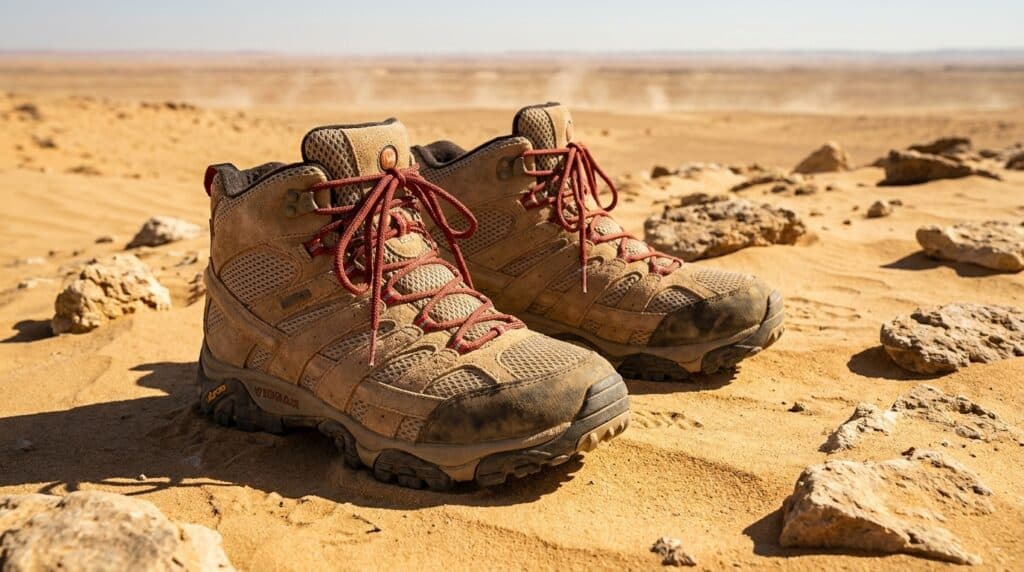
Ready for adventure: durable boots on desert sand.
Most hikers buy Gore-Tex by default — it has become a default feature assumption in hiking boots rather than a deliberate decision. In desert heat above 85–90°F, this is a mistake with real physiological consequences.
A Gore-Tex boot’s interior temperature runs 20–30°F warmer than a comparable non-waterproof mesh boot in hot conditions. The mechanism: sweat vapour production at elevated ambient temperature exceeds the membrane’s vapour transfer capacity. The boot becomes a sealed humid chamber. Heat cannot escape through the impermeable membrane, and trapped moisture further insulates the foot from heat dissipation. At 100°F+ ambient temperature with full solar radiation, this is not a comfort issue — it is a heat illness risk factor.
When Waterproofing IS Worth the Heat Cost
Waterproofing is justified in desert hiking in two specific scenarios: canyon routes with sustained water crossings (Zion Narrows, slot canyons, Escalante river routes), where wet feet for hours are more dangerous than hot dry feet; and cold canyon or high-desert conditions where wet feet from crossings create hypothermia risk. Outside these scenarios, a non-waterproof boot is the correct desert choice.
Waterproof Membranes Ranked for Desert Performance
- Non-waterproof mesh (best): Zero membrane heat penalty. Maximum breathability. Dries fast after crossings. Best for any dry desert above 85°F.
- Altra eVent (most breathable WP): eVent uses a direct-laminate construction that allows vapour to pass more freely than the bootie-style Gore-Tex construction. Best breathable WP option for routes requiring waterproofing.
- KEEN.DRY / Oboz B-DRY: Proprietary laminates with slightly better breathability than standard Gore-Tex booties. Acceptable for desert routes requiring WP.
- Standard Gore-Tex (most heat-restrictive): Accept the interior heat cost only for genuinely wet routes. Correct choice for Zion Narrows, slot canyons, and sustained water crossing routes.
🌵 The Decision Framework
Persistent wet crossings planned → accept the heat cost of waterproofing. Dry canyon day hiking above 85°F → non-WP or KEEN.DRY/B-DRY. Hot open desert with no water crossings → non-waterproof only. If in doubt about a specific route: check trip reports on AllTrails for water conditions in the week before your hike.
Quick Comparison Table — All 10 Desert Hiking Boots
| Boot | WP | Membrane | Upper | Gusseted Tongue | Outsole | Best Desert | Price |
|---|---|---|---|---|---|---|---|
| Altra Lone Peak 9 WP Mid | ✅ | eVent | Mesh/hybrid | ✅ | MaxTrac | Utah / Moab / GC | $170–$200 |
| KEEN Targhee IV Wide | ✅ | KEEN.DRY | Leather/mesh | ✅ | KEEN.All-Terrain | Sonoran / Chihuahuan | $160–$195 |
| Altra Lone Peak Mid (non-WP) | — | None | Mesh | ✅ | MaxTrac | Mojave / DV / GC dry | $140–$165 |
| Salomon X Ultra 4 GTX Wide | ✅ | Gore-Tex | Synthetic | ✅ | Contagrip TA | Zion / slot canyons | $155–$185 |
| Oboz Bridger Mid Wide WP | ✅ | B-DRY | Leather/nubuck | ✅ | Rubber lug | Backpacking / R2R | $150–$175 |
| Merrell Moab 3 Mid Wide WP | ✅ | Merrell DRY | Mesh/suede | ✅ | Vibram TC5+ | High desert / NP trails | $130–$155 |
| KEEN Circadia Mid WP Wide | ✅ | KEEN.DRY | Mesh/suede | ✅ | KEEN.All-Terrain | Wide feet / heat swelling | $145–$170 |
| HOKA Anacapa Mid GTX Wide | ✅ | Gore-Tex | Mesh/synthetic | ✅ | Vibram Megagrip | Rocky Chihuahuan / pain mgmt | $185–$220 |
| Columbia Newton Ridge Plus WP Wide | ✅ | Omni-Tech | Leather/suede | — | Omni-Grip | Budget / NP established trails | $110–$135 |
| New Balance Hierro v8 Wide | ⚠️ Verify | Verify listing | Mesh | — | Vibram Megagrip | Fast hiking / 4E wide | $130–$160 |
Best Overall / Utah Slickrock: Altra Lone Peak 9 WP Mid

For Utah canyon country — Moab slickrock, Canyonlands, Capitol Reef, the Escalante — the Altra Lone Peak 9 WP Mid is the most desert-specific performance boot on this list. The combination of a FootShape wide toe box, eVent waterproof membrane, MaxTrac rubber outsole, StoneGuard rock plate, and zero-drop geometry addresses the specific demands of sandstone friction hiking with remarkable precision. The FootShape design is not just a comfort feature in desert hiking — feet swell significantly in sustained heat, and a boot that allows natural toe splay accommodates afternoon swelling that would cause cramping in a standard toe box. This is a boot designed by people who actually hike desert terrain.

The eVent membrane is the critical waterproofing decision here. Unlike Gore-Tex bootie construction, eVent uses a direct-laminate process that allows vapour molecules to pass more freely — interior temperatures run measurably cooler than comparable Gore-Tex boots at the same ambient heat. On canyon routes with water crossings (Coyote Gulch, the Escalante river corridor, some Zion side canyons) where waterproofing is justified, the eVent is the least punishing option for your feet’s heat management. MaxTrac rubber delivers excellent friction on sandstone — the specific surface challenge of Utah canyon country where other outsoles feel comparatively slippery. The StoneGuard rock plate beneath the midsole prevents the bruising that sharp sandstone edges inflict on high-cushion boots without rock protection.

The gusseted tongue is confirmed — a critical spec for sandy canyon terrain where fine desert sand enters non-gusseted boots through the tongue gap with every heel-lift stride. Zero-drop geometry distributes weight more naturally across the forefoot, reducing plantar fatigue on long slickrock routes. Sizing note: Altra typically runs true to length; if your feet swell significantly in heat, consider sizing up half a size for afternoon desert comfort. Wide sizing accommodates the natural forefoot expansion that hot conditions accelerate.

Desert Specs
Waterproof: ✅ eVent (most breathable WP) | Upper: Mesh/hybrid
Gusseted tongue: ✅ Yes | Outsole: MaxTrac rubber + StoneGuard rock plate
Drop: Zero-drop | Toe box: FootShape wide
✅ Best for: Utah Canyon Country · Moab · Escalante · Grand Canyon (wet routes) · Desert Backpacking
Pros: eVent membrane — most breathable waterproof option in the guide; FootShape wide toe box accommodates desert heat swelling; MaxTrac outsole optimised for sandstone friction; Zero-drop for natural forefoot loading on slickrock.
Cons: Zero-drop requires adjustment period if transitioning from conventional-heel boots — not for first-day desert hikes; Premium price point.
Best Sonoran / Cactus Terrain: KEEN Targhee IV Wide

In the Sonoran Desert — Saguaro National Park, the Tucson Mountains, Big Bend’s cactus-dense terrain — cholla is not a minor inconvenience. Cholla cactus segments are barbed, adhere to fabric on contact, and require a multitool or two sticks to remove without driving spines deeper into your hand. Most synthetic mesh uppers cannot resist initial cholla attachment, and the barbs will penetrate through thin open-weave fabric to reach the upper foot. The KEEN Targhee IV’s leather and mesh hybrid upper provides meaningful resistance to cactus spine penetration in dense vegetation — the leather panels deflect initial attachment where mesh would allow penetration. This is a genuine equipment decision in serious Sonoran terrain, not an aesthetic preference.

KEEN.DRY waterproofing uses a laminate construction that breathes slightly better than standard Gore-Tex bootie designs — an important distinction for desert use where the membrane’s heat penalty directly affects comfort and safety. On Sonoran desert routes with desert wash crossings and seasonal creek beds, KEEN.DRY provides appropriate water protection while minimising the interior heat penalty. The wide asymmetric toe box is the KEEN signature feature: it follows the natural shape of the foot, providing more forefoot room where the foot is widest, which accommodates afternoon heat swelling more naturally than symmetrical toe box designs. KEEN.All-Terrain multi-directional lug outsole handles the mixed surfaces of Sonoran terrain: sand wash, rock garden, compacted trail, and loose decomposed granite.

The gusseted tongue is confirmed — essential for sand wash terrain where loose fine sand is constantly present. The mid-cut height provides ankle support on the uneven rock garden sections common throughout Sonoran hiking, while the leather panels at the toe and lower shaft protect against the thorny vegetation that shreds thin synthetic uppers over a season. The KEEN heel-capture system holds the heel firmly during the technical footwork required on Sonoran rock gardens. Sizing note: KEEN fits wide in the forefoot — if you have a narrow heel with a wide forefoot, the standard lacing may not provide adequate heel lockdown on descents.

Desert Specs
Waterproof: ✅ KEEN.DRY (better breathability than Gore-Tex) | Upper: Leather/mesh hybrid
Gusseted tongue: ✅ Yes | Outsole: KEEN.All-Terrain multi-directional lug
Toe box: Asymmetric wide | Cactus resistance: ✅ Leather hybrid panels
✅ Best for: Sonoran Desert · Big Bend · Chihuahuan cactus terrain · Dense vegetation zones
Pros: Leather/hybrid upper resists cholla spine penetration; KEEN.DRY better breathability than Gore-Tex for desert heat; Asymmetric wide toe box for natural foot shape and heat swelling; Gusseted tongue blocks sand wash infiltration.
Cons: Heavier than mesh-only options — heat penalty in open desert without cactus terrain; KEEN wide toe box not ideal for narrow-footed hikers.
Best Max Breathability / Dry Heat: Altra Lone Peak Mid (non-WP)
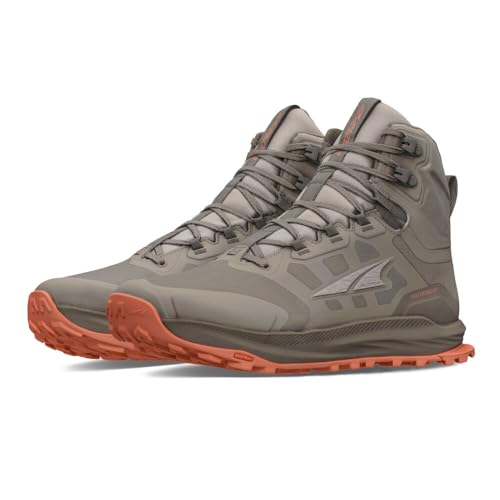
For Death Valley, the Mojave, open desert hardpan, and Grand Canyon Corridor hikes in dry season, the correct boot is the one that does the least to trap heat — and no membrane is the best membrane for this environment. The Altra Lone Peak Mid non-WP is the maximum-breathability option in this guide: the open mesh upper functions as little more than a protective layer over the foot, allowing air to circulate freely and sweat to evaporate rather than accumulate. At temperatures above 95°F with full solar radiation, the difference between this boot and a Gore-Tex equivalent is not a minor comfort variation — it is a meaningful factor in your body’s ability to shed core heat through the extremities.

The non-waterproof construction dries extremely fast after water crossings — an important property for desert routes with intermittent seasonal water sources. A waterproof boot in which water has entered over the collar retains that moisture for hours; a non-WP mesh boot dries within minutes of exiting a crossing in arid desert air. The MaxTrac outsole delivers the same sandstone friction performance as the WP version, with a slightly lighter overall package due to the absent membrane. FootShape wide toe box accommodates heat swelling naturally throughout the day. StoneGuard rock plate prevents bruising on sharp desert rock surfaces — a significant comfort factor on the rocky Tonto Platform of the Grand Canyon and on Utah’s angular sandstone debris fields.

The gusseted tongue is present — the one sand exclusion feature that matters most regardless of waterproofing status. On Death Valley’s compacted hardpan trails, sand infiltration is less of a concern than on wash terrain; on Mojave routes with sandy sections, the gusseted tongue provides meaningful protection. Ankle gaiters (Dirty Girl or Outdoor Research Flex-Tek) paired with this boot provide the collar sand exclusion that no boot can fully address through upper design alone. Sizing note: same Altra guidance applies — true to length, consider half up for significant afternoon swelling.

Desert Specs
Waterproof: — (none — maximum breathability) | Upper: Open mesh
Gusseted tongue: ✅ Yes | Outsole: MaxTrac + StoneGuard
Drop: Zero-drop | Toe box: FootShape wide
✅ Best for: Death Valley · Mojave · Grand Canyon dry season · Open dry desert above 90°F
Pros: Maximum breathability — no membrane heat penalty; Fastest drying after crossings; MaxTrac outsole same as WP version; Lighter than waterproof equivalent; FootShape wide toe box.
Cons: Not waterproof — not for sustained crossing routes or wet canyon conditions; Open mesh provides less cactus protection than leather/hybrid uppers.
Best Technical Canyon / Slickrock Friction: Salomon X Ultra 4 GTX Wide
No products found.For the specific combination of water crossing and technical rock movement that defines canyon hiking in Zion, the Paria, and southern Utah’s slot canyon systems, the Salomon X Ultra 4 GTX Wide is the right tool. Its Contagrip TA outsole compound is specifically formulated for wet sandstone friction — the scenario that other outsoles handle poorly, where the same stone that provides excellent dry friction becomes treacherous when wet. In Zion Narrows, where every step alternates between dry canyon walls and the Virgin River, this outsole distinction is not subtle. The Gore-Tex membrane is justified here: sustained immersion in canyon water makes waterproofing the correct priority, and the heat penalty is manageable given the water temperature keeps feet cool regardless.
No products found.The Salomon Quicklace system allows single-pull lacing adjustment — practically useful when managing wet boot entry and exit at canyon water crossings where stopping to retie laces in cold running water is genuinely inconvenient. The wide chassis provides lateral stability on slickrock ledges and the uneven footing of canyon floor boulders. Salomon’s Contragrip TA tread pattern is relatively fine compared to deep-lug hiking outsoles — a benefit for sandstone friction and for minimising ecological impact on any cryptobiotic soil crossings between technical sections. The gusseted tongue confirms sand exclusion is addressed even in this wet-route specialist.
No products found.The principal limitation in desert use is the Gore-Tex membrane’s heat penalty: the Salomon X Ultra 4 GTX runs noticeably warmer than non-WP or KEEN.DRY alternatives. This is the correct trade-off for wet canyon routes where the membrane is earning its cost, but it means this boot is not the right choice for dry desert day hiking above 85°F where waterproofing is never triggered. Use the X Ultra 4 GTX specifically for the routes it was built for: Zion Narrows, Buckskin Gulch, Paria slot canyons, and any other technical canyon with sustained water presence. Sizing note: Salomon runs slightly narrow in standard width — the wide version is worth seeking for desert conditions where foot swelling occurs.
No products found.Desert Specs
Waterproof: ✅ Gore-Tex (accept heat cost for wet routes) | Upper: Synthetic
Gusseted tongue: ✅ Yes | Outsole: Contagrip TA (excellent wet sandstone)
Lacing: Quicklace (single pull) | Width: Wide available
✅ Best for: Zion Narrows · Slot Canyons · Paria · Technical canyon with sustained water crossings
Pros: Contagrip TA excels on wet sandstone — the specific terrain challenge of canyon routes; Quicklace for fast adjustment at water crossings; Lateral stability on technical canyon footing; Wide option available.
Cons: Gore-Tex runs warm — significant heat penalty for dry desert use; Not the right choice for dry desert hiking above 85°F.
Best Desert Backpacking / Heavy Loads: Oboz Bridger Mid Wide WP
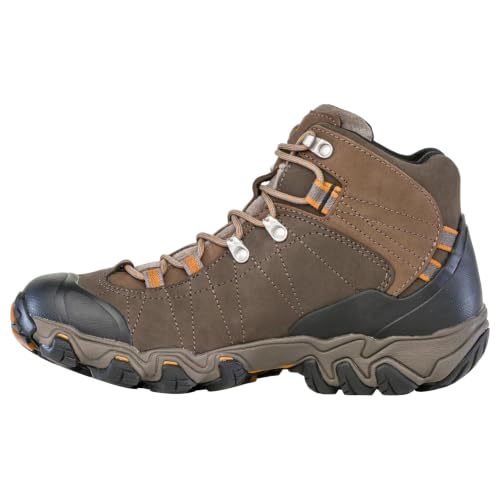
Desert backpacking — Grand Canyon Rim-to-Rim, Coyote Gulch, the Escalante canyons, Big Bend’s Outer Mountain Loop — requires a different boot calculation than day hiking. Under 35–50 lb pack loads on multi-day routes, the ankle support, structural stability, and leather abrasion resistance that become weight penalties on day hikes become genuine protective requirements. The Oboz Bridger Mid Wide WP is built for this application: a full-grain leather nubuck upper that resists plant abrasion and deflects canyon scrub, B-DRY waterproofing that breathes better than standard Gore-Tex for the long days that desert backpacking requires, and a D-width fit that accommodates the foot swelling that accumulates over consecutive desert hiking days.

B-DRY (Oboz’s proprietary membrane) is meaningfully more breathable than standard Gore-Tex bootie construction — a significant advantage for desert backpackers spending 8–12 hours per day on the trail. The BFit arch insole is pre-shaped with anatomical arch support specifically suited for heavy-pack hiking, where foot fatigue compounds significantly over multi-day routes. The leather upper resists the thorny scrub, catclaw acacia, and canyon scrub oak that shred synthetic uppers over a season of desert backpacking on off-trail routes. Gusseted tongue confirmed — essential for multi-day desert travel where sand accumulation in a non-gusseted boot creates blisters within hours.

The Bridger’s outsole provides multi-directional grip on the varied surfaces of desert backpacking terrain: hard sandstone, loose sand, canyon creek crossings, and the decomposed granite of high-desert passes. Sizing note: Oboz runs true to length in most widths — the D-width version provides meaningful forefoot room compared to standard B-width, which is important for desert backpacking where feet swell progressively over consecutive days. The Bridger is heavier than day-hiking alternatives in this guide; on a multi-day route where pack weight is already significant, this is the appropriate trade-off for the structural support it provides.

Desert Specs
Waterproof: ✅ B-DRY (better breathability than Gore-Tex) | Upper: Full-grain leather/nubuck
Gusseted tongue: ✅ Yes | Outsole: Multi-directional lug rubber
Insole: BFit anatomical arch | Width: D-width
✅ Best for: Grand Canyon R2R · Coyote Gulch · Escalante Backpacking · Chihuahuan Desert multi-day
Pros: B-DRY membrane — better breathability than Gore-Tex for long desert days; Full leather upper resists plant abrasion on off-trail desert; BFit insole for heavy pack comfort; D-width accommodates multi-day foot swelling.
Cons: Heavier than day-hiking options — correct for backpacking but overkill for single-day desert hikes; Leather upper heavier than mesh for extreme dry heat.
Best Value / General Desert Day Hiking: Merrell Moab 3 Mid Wide WP

The Merrell Moab 3 is the most popular hiking boot sold on Amazon for reasons that are easy to explain: it delivers a reliable, well-understood performance package at a price that does not require justification to a hiking partner. For general desert day hiking on established national park trails — Bryce Canyon, Arches, Capitol Reef maintained trails, moderate Grand Canyon rim hikes — it provides everything most hikers need without the technical premium of specialist boots. The Vibram TC5+ outsole handles sand, moderate slickrock, and the packed dirt of desert trail surfaces equally competently. Merrell DRY membrane provides waterproofing with less interior volume reduction than Gore-Tex bootie constructions, leaving slightly more forefoot room for heat swelling.

The air cushion heel provides trail fatigue management on the rocky canyon trails where desert hiking routinely punishes heels across long distances. The Moab 3’s suede and mesh upper provides a reasonable balance between breathability and durability for desert conditions — the suede panels provide some resistance to minor vegetation contact while the mesh zones allow heat to escape. The D-width version is meaningfully wider than the standard B-width and accommodates afternoon heat swelling without resorting to loosening laces and sacrificing ankle lockdown. Gusseted tongue confirmed — one of the Moab’s consistently well-executed features across model generations.

At under $155, the Moab 3 is the correct choice for hikers who want one desert boot for occasional national park hiking rather than a specialist multi-purpose system. It is not the right choice for technical slickrock scrambling (where Vibram Megagrip or Contagrip TA are materially better), sustained canyon water crossings (where eVent or B-DRY perform better than Merrell DRY over a full day), or cactus-dense terrain (where a leather hybrid is more protective). For established trail hiking in the Colorado Plateau and high desert, it performs its role reliably. Sizing note: Moab 3 runs true to length in most widths.

Desert Specs
Waterproof: ✅ Merrell DRY | Upper: Mesh/suede hybrid
Gusseted tongue: ✅ Yes | Outsole: Vibram TC5+
Heel: Air cushion | Width: D-width available
✅ Best for: High Desert · National Park established trails · Bryce · Arches · Colorado Plateau day hiking
Pros: Vibram TC5+ handles mixed desert terrain reliably; Best price-to-performance ratio in the guide; Air cushion heel for trail fatigue; Gusseted tongue; Wide option available.
Cons: TC5+ not the best compound for technical wet sandstone; Merrell DRY less breathable than eVent or B-DRY for sustained hot desert use.
Best Wide Feet / Heat Swelling: KEEN Circadia Mid WP Wide

Desert heat causes feet to swell more aggressively than almost any other hiking condition. The mechanism is physiological: elevated core temperature triggers peripheral vasodilation — blood flow to the extremities increases as the body attempts to shed heat — causing measurable foot volume increase throughout a hot day. For hikers whose feet swell significantly in heat, a boot that fits correctly at 7 a.m. can become painfully tight by early afternoon on a desert trail. The KEEN Circadia Mid Wide is specifically suited to this problem: the wide asymmetric KEEN toe box provides maximum forefoot room where the foot is widest, accommodating progressive swelling throughout the day without requiring lace loosening that would sacrifice ankle support.

KEEN.DRY membrane provides waterproofing that breathes better than standard Gore-Tex bootie construction — a relevant advantage for a boot that will be worn through significant heat. The Circadia runs lighter than the Targhee IV despite the wide construction, which reduces the boot’s contribution to overall heat load and fatigue. KEEN.All-Terrain outsole provides adequate grip on established desert trail surfaces. The mid-cut height gives ankle support for the uneven trail surfaces common in desert canyon terrain without the additional insulating height of a high boot. Gusseted tongue confirmed for sand exclusion.

The Circadia is positioned as a lighter-duty desert companion compared to the Targhee IV — appropriate for day hiking on established trails and moderate terrain, but not the first choice for cactus-dense Sonoran terrain (where the Targhee IV’s leather panels provide more protection), technical slickrock (where sticky rubber outsoles are needed), or heavy-load backpacking. Its primary strength is providing maximum interior space for hikers dealing with significant heat swelling, which is a real comfort and safety consideration on long desert days. Sizing note: order in wide as a default for any desert use where heat swelling is expected; KEEN’s standard width runs narrower than the asymmetric toe box suggests.

Desert Specs
Waterproof: ✅ KEEN.DRY | Upper: Mesh/suede hybrid
Gusseted tongue: ✅ Yes | Outsole: KEEN.All-Terrain
Toe box: Asymmetric wide (maximum forefoot room) | Weight: Lighter than Targhee IV
✅ Best for: Hikers with significant heat swelling · Wide feet · Moderate desert day hiking
Pros: Maximum forefoot room for heat swelling; KEEN.DRY better breathability than Gore-Tex; Lighter than Targhee IV; Gusseted tongue; Asymmetric toe box follows natural foot shape.
Cons: Less cactus protection than Targhee IV leather panels; All-Terrain outsole less technical than sticky-rubber alternatives for slickrock.
Best Cushion / Rocky Desert Floor: HOKA Anacapa Mid GTX Wide
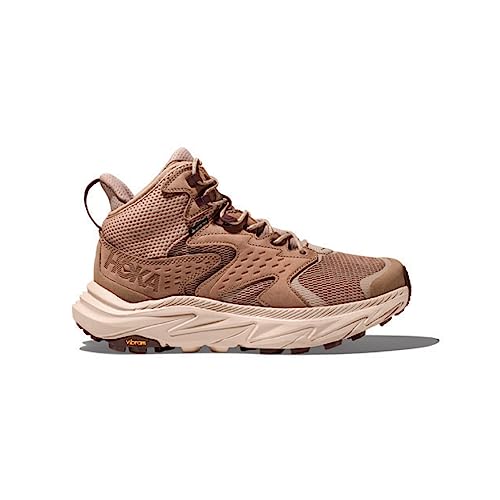
Rocky desert floors — the angular limestone of Big Bend, the boulder-strewn canyon bottoms of the Chihuahuan, the sharp chert gravel of high-desert routes in New Mexico — impose sustained compressive stress on the plantar surface that accumulates painfully over a desert day for hikers who lack sufficient midsole cushioning. HOKA’s maximum EVA stack height addresses this directly: the Anacapa Mid GTX provides a dramatically thicker midsole platform than any other boot in this guide, distributing impact across a larger area and reducing the pain of sharp desert rock underfoot. For hikers managing plantar fasciitis, metatarsalgia, or general foot pain on rocky terrain, the HOKA stack height is a meaningful difference over a full desert day.
Vibram Megagrip outsole provides excellent technical rock grip — the same compound used on many dedicated climbing approach shoes — performing well on both dry and damp desert rock surfaces. On the technical volcanic rock and limestone of the Chihuahuan Desert, where the combination of loose footing and sharp edges creates both ankle-rolling and bruising risks, the Megagrip compound and high midsole stack work together effectively. Gore-Tex membrane provides waterproofing at the usual desert heat cost — the Anacapa GTX runs warm, and the high midsole stack reduces airflow around the foot. This combination means the Anacapa is not the right choice for extreme dry-heat desert (Death Valley, peak summer Mojave), but is well-suited for moderate-temperature rocky desert terrain where cushioning is the primary requirement.
The wide option accommodates heat swelling, and HOKA’s rocker sole geometry reduces forefoot loading on long descents — a practical advantage on the steep rocky trails common in canyon desert terrain. Sizing note: HOKA recommends sizing up a half size from your normal shoe size due to the thick midsole altering foot position within the boot — this is especially relevant for desert use where afternoon swelling occurs. The gusseted tongue provides sand exclusion for desert trail conditions.
Desert Specs
Waterproof: ✅ Gore-Tex (runs warm — plan accordingly) | Upper: Mesh/synthetic
Gusseted tongue: ✅ Yes | Outsole: Vibram Megagrip
Midsole: Max EVA stack — highest cushion in guide | Width: Wide available
✅ Best for: Rocky Chihuahuan Desert · Big Bend · Foot pain management · Technical rock surfaces at moderate temp
Pros: Maximum cushioning for rocky desert floors; Vibram Megagrip excellent on technical desert rock; Rocker sole reduces forefoot fatigue on descents; Wide option for heat swelling.
Cons: Gore-Tex runs warm — not for extreme dry-heat desert above 95°F; High midsole stack reduces ground feel on slickrock friction surfaces; Size up half a size.
Best Budget Desert Boot: Columbia Newton Ridge Plus WP Wide

For budget-conscious desert hikers planning occasional national park visits on established trails — Bryce Canyon’s main loop, Arches Windows section, Capitol Reef Fruita trails — the Columbia Newton Ridge Plus WP Wide delivers ASTM-adequate waterproofing, acceptable desert trail performance, and meaningful cactus protection at under $130. The leather and suede upper resists cactus spine contact significantly better than pure mesh alternatives, which is a genuine equipment advantage in Sonoran and Chihuahuan terrain where thin synthetic uppers can be shredded by catclaw acacia over a season. Omni-Tech waterproofing provides functional water protection for the occasional creek crossing found on desert national park trails.
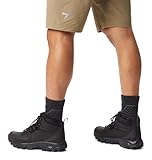
Omni-Grip outsole provides adequate traction on established desert trail surfaces — packed dirt, moderate rock, and sandy sections. It does not match the technical performance of Vibram Megagrip or Contagrip TA on slickrock friction surfaces, and the Newton Ridge is not suited to technical canyon scrambling. For the maintained trail hiking it is designed for, the traction is appropriate. The D-width version provides forefoot room for heat swelling, which is important even on casual desert hikes where the ambient temperature causes foot expansion regardless of exertion level. At under $130, the Newton Ridge offers the best cactus-resistant upper in its price tier.

The primary limitations of the Newton Ridge in a desert context are the absence of a gusseted tongue on most versions (a significant sand infiltration weakness for wash terrain) and the Omni-Tech membrane’s lower breathability compared to eVent, B-DRY, or KEEN.DRY. For established national park trails with minimal sand wash travel and moderate temperatures, these limitations are manageable. For technical desert terrain, sandy wash hiking, or extreme heat above 95°F, the investment in a higher-tier boot is justified by the performance difference. Sizing note: Columbia runs slightly large — consider ordering half a size down from your standard hiking boot size.

Desert Specs
Waterproof: ✅ Omni-Tech | Upper: Leather/suede (cactus resistant)
Gusseted tongue: — (check current listing) | Outsole: Omni-Grip
Width: D-width | Cactus resistance: ✅ Leather/suede panels
✅ Best for: Budget desert hikers · Established NP trails · Occasional desert visits
Pros: Best budget price in the guide; Leather/suede upper resists cactus better than mesh; D-width for heat swelling; Adequate for established national park trail hiking.
Cons: No gusseted tongue on most versions — sand infiltration weakness; Omni-Grip not suited to technical slickrock; Lower breathability than premium membranes; Size down half a size.
Best Trail-Runner Feel / Fast Desert Hiking: New Balance Hierro v8 Wide
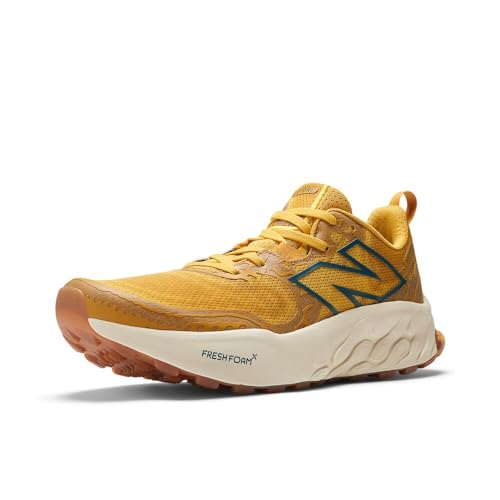
For fast desert hikers — trail runners converting to hiking, peak-bagger desert athletes, and fit desert hikers who cover 15+ miles per day — the New Balance Hierro v8 Wide is the only boot in this guide available in both D-width and 4E extra-wide. The 4E designation is significant: no other desert boot reviewed here accommodates the extremely wide forefoot that some hikers carry, and desert heat swelling makes width accommodation even more critical than at ambient temperatures. Fresh Foam midsole provides cushioning with a noticeably more athletic, ground-sensing feel than the maximum EVA stacks of HOKA or the structured midsoles of traditional hiking boots — correct for the fast-packing style this boot is designed for.

Vibram Megagrip outsole delivers the same excellent technical rock performance found in the HOKA Anacapa at a lower price point — one of the genuine performance bargains in the desert hiking category. On slickrock, granite, and volcanic rock surfaces, Megagrip maintains grip in both dry and damp conditions that other outsole compounds cannot match. The athletic low-profile silhouette moves naturally on desert terrain and produces less fatigue on long-distance desert hiking days than the more structured, heavier builds of traditional hiking boots. Confirm the waterproof variant on the current Amazon listing before ordering — the Hierro v8 is available in both waterproof and non-waterproof configurations, and the non-WP version is the better choice for extreme dry-heat desert use.

The Hierro v8’s primary limitations for desert use are the absence of a confirmed gusseted tongue (sand exclusion relies on ankle gaiters for sandy terrain) and the athletic construction’s reduced ankle support compared to traditional mid-cut hiking boots. For fast hikers with established trail experience and strong ankles, the reduced support is an acceptable trade-off for the weight and feel advantage. For hikers who rely on ankle support structures for stability on technical terrain, a more traditional mid-cut offers greater protection. Sizing note: New Balance trail sizing typically runs true to length — the 4E option is genuinely wider than D-width, not just labelled wider.

Desert Specs
Waterproof: ⚠️ Verify WP variant on listing | Upper: Mesh
Gusseted tongue: — (use ankle gaiters for sandy terrain) | Outsole: Vibram Megagrip
Midsole: Fresh Foam (athletic feel) | Width: D-width AND 4E extra-wide available
✅ Best for: Fast desert hiking · Trail-runner hikers · 4E wide feet · Vibram Megagrip at mid-price
Pros: Only 4E extra-wide desert boot in the guide — essential for significantly wide feet; Vibram Megagrip on technical rock; Athletic fast-hiking feel; Fresh Foam cushioning with ground sensitivity.
Cons: Confirm WP variant before ordering; No confirmed gusseted tongue — pair with gaiters for sandy terrain; Less ankle support than traditional mid-cut for technical terrain.
🏜️ Sand Entry Science: Three Pathways, Three Solutions
Sand in hiking boots is the most consistent complaint from desert hikers across every skill level and every price tier of footwear. It is not random — sand enters through specific pathways that have specific solutions. Understanding the mechanism allows you to address the problem systematically rather than tolerating it as inevitable.
Pathway 1 — Open Mesh Weave Penetration
Fine desert sand particles — particularly the talc-fine silt of desert wash floors — pass directly through open-weave synthetic mesh fabric. This is the upper material’s inherent characteristic rather than a manufacturing defect. The solution is a tighter-weave fabric, a leather panel, or a leather/hybrid upper that physically blocks particle passage. However, tighter weave reduces breathability — which is why the trade-off between sand exclusion and heat management in the upper material choice is genuine and not easily resolved by any single boot.
Pathway 2 — Non-Gusseted Tongue Gap
With every heel-lift stride, a non-gusseted boot tongue flexes away from the upper, creating a gap through which fine particles are pumped in. On sandy terrain, this occurs thousands of times per mile. A fully gusseted tongue — where the tongue is sewn to the upper along its full length rather than only at the base — eliminates this pathway entirely. This is the single highest-value sand exclusion feature in any desert boot. It is listed explicitly in boot specifications and worth verifying before purchase. Expert desert guide Andrew Skurka identifies tongue gap entry as the primary sand infiltration failure on his Utah desert routes.
Pathway 3 — Collar Opening
Fine dust and very small particles are pumped above the boot collar by the bellows action of each stride — air compression between the boot shaft and the lower leg forces particles upward and in through the collar gap. This pathway cannot be fully addressed by boot design alone. The solution is ankle gaiters: low-cut desert gaiters (Dirty Girl, Outdoor Research Flex-Tek) that cover the collar opening and prevent both upward dust infiltration and collar-height sand entry. Even with a fully gusseted tongue, expert desert hikers in sandy terrain routinely add gaiters to address this third pathway.
🧦 The Complete Sand Exclusion System
Gusseted tongue (addresses pathway 2) + tighter/leather upper (reduces pathway 1) + ankle gaiters (addresses pathway 3) = the complete solution. In practice: gusseted tongue is the minimum requirement for any boot used in sandy desert terrain. Gaiters are the addition that addresses what no boot design can fully solve.
🌡️ Outsole Rubber in Extreme Desert Heat: What Fails on Hot Rock Surfaces
Desert rock surfaces reach 150–185°F in direct summer sun — temperatures high enough to cause specific failures in hiking boot outsoles and midsoles that most hikers are not aware of until they happen.
EVA Midsole Deformation
Standard EVA (ethylene-vinyl acetate) foam midsoles begin to permanently deform at approximately 140°F. On desert rock surfaces that regularly exceed this temperature in direct sun, sustained midsole contact can cause compression set — the midsole does not fully recover after the heat source is removed. This manifests as accelerated midsole wear, reduced cushioning, and asymmetric compression that alters gait mechanics. PU (polyurethane) foam midsoles are more heat-resistant than EVA and are found in some premium hiking boots; they are the better choice for sustained high-heat desert use.
Outsole Delamination
Some budget outsole rubber compounds and the adhesives bonding outsoles to midsoles can soften and delaminate at sustained contact temperatures above 160°F. This is not a theoretical risk — it has been documented by desert hikers who have returned to their boots after leaving them midsole-down on dark desert rock in direct sun during a lunch break. The dark color of some midsoles absorbs solar radiation and reaches surface temperatures significantly above the ambient air temperature.
Vibram Compound Rankings for Desert
Vibram TC5+ performs acceptably on desert surfaces at elevated temperatures — it maintains adequate hardness for grip while resisting significant softening. Vibram Megagrip is a softer, stickier compound that delivers excellent technical rock grip but softens more at elevated temperatures — meaningfully better grip, slightly more vulnerable to heat deformation under sustained exposure. La Sportiva FriXion is specifically formulated for warm-rock friction approach shoes and performs excellently on heated desert rock.
⚠️ Critical Warning
Never leave hiking boots lying midsole-down on dark desert rock in direct sun during rest breaks. The contact temperature can cause midsole compression or midsole-to-outsole delamination within minutes on surfaces exceeding 160°F. Either keep them on your feet or place them in shade. This applies to all boots at all price points.
👟 Low-Cut vs. Mid-Cut vs. High-Cut for Desert Heat
The universal advice to “wear mid-cut for ankle support” is applied as a blanket rule in most hiking guides. For desert hiking, this requires a more nuanced framework that accounts for the heat cost of shaft height, which is a genuine physiological factor on extreme-heat desert days.
Low-Cut + Gaiters
Maximum heat management: the shortest shaft minimises insulating material around the lower leg, which is a meaningful ventilation advantage on 110°F desert days. Best ankle mobility for slickrock scrambling, where precise foot placement requires natural ankle movement. The ankle support deficit is addressed by paired ankle gaiters, which also resolve the sand exclusion limitation. Best for experienced desert hikers with light day packs on established trails or moderate terrain in extreme heat environments. Correct choice: Mojave/Death Valley in summer, Grand Canyon Corridor in peak heat, fast desert hikers prioritising temperature management.
Mid-Cut
The best balance for most desert hiking: meaningful ankle support for canyon terrain, rocky surfaces, and moderate to heavy day packs, with acceptable heat management. The extra shaft height provides genuine lateral stability on the uneven terrain of canyon country. Best for the majority of desert day hikers on mixed terrain. All ten boots in this guide are mid-cut — this is the correct default for desert hiking.
High-Cut
Appropriate only for very heavy loads (50+ lb backpacking), extremely technical canyon terrain with significant ankle-rolling risk, and maximum ankle protection in rattlesnake habitat. The heat cost is measurable: each additional inch of shaft represents approximately 4–6 square inches of insulating material per leg — on a 110°F desert day with direct solar radiation, this insulating effect is not trivial. Reserve high boots for conditions where the protection specifically justifies the heat cost.
🌵 Cactus and Plant Hazard Protection by Desert Region
Upper material choice in desert hiking is a vegetation decision as much as a breathability decision. The correct choice depends on which desert you are hiking and how dense the vegetation is on your specific route.
Cholla Cactus (Sonoran Desert)
Teddy bear cholla segments are the most hazardous desert plant hazard for hikers: the backward-curving barbs cause segments to adhere to fabric on the lightest contact, and the barbs penetrate most synthetic mesh uppers, reaching the foot and lower sock. Removal requires a multitool or two sticks — using bare hands drives barbs deeper. Leather panels and reinforced hybrid uppers resist initial cholla attachment significantly better than open-weave mesh. For hiking in cholla-dense terrain — Saguaro National Park, Ironwood Forest National Monument, Organ Pipe Cactus — a leather or reinforced hybrid upper is a genuine protection decision.
Prickly Pear
Shorter, thicker spines than cholla. Can penetrate thin mesh on close contact but are less adhesive and do not travel on the boot the way cholla segments do. Leather toe caps provide adequate protection for most prickly pear encounters.
Catclaw Acacia
Backward-curving thorns that snag fabric rather than penetrate it. Over a season of desert hiking on off-trail routes in the Sonoran and Chihuahuan, catclaw acacia systematically shreds thin synthetic uppers along the lower panels. Leather lower panels extend upper service life significantly in catclaw-dense terrain.
The Upper Material Decision by Region
Utah canyon country, Mojave, Death Valley (minimal vegetation): Breathable mesh is fine — prioritise heat management over cactus protection. Sonoran Desert (cholla, prickly pear, catclaw): Leather or reinforced hybrid upper is the correct choice — KEEN Targhee IV or Columbia Newton Ridge. Chihuahuan Desert (Big Bend): Leather hybrid recommended for off-trail use; mesh acceptable on maintained trails.
🌡️ Heat Illness and Footwear: What Heavy Boots Do to Core Body Temperature
Boot selection is a heat illness risk factor in extreme desert conditions — not merely a comfort consideration. This is the section that no other desert hiking boot guide writes, and it is based on documented physiological principles and explicit NPS guidance.
Feet are primary heat dissipation surfaces. The human foot has a high surface-area-to-volume ratio and significant peripheral vasculature — characteristics that enable the lower extremities to function as effective radiators for core body heat. This heat dissipation function depends on the foot being able to shed heat to the surrounding environment through conduction, convection, and evaporation. Impermeable, heavy boots interfere with this function: they trap heat against the foot, block evaporative cooling through sweat evaporation, and reduce convective airflow around the lower leg.
The practical consequence: a 28-oz waterproof leather boot significantly impairs the foot’s heat dissipation compared to a 14-oz breathable mesh boot at the same ambient temperature. On a Grand Canyon Corridor hike at 110°F, this is not a minor comfort variable — it is a measurable factor in the body’s ability to maintain safe core temperature. Grand Canyon NPS specifically warns against heavy, enclosed footwear for inner canyon summer hikes in their pre-trip guidance, alongside water intake and timing recommendations.
Above 95°F in exposed desert terrain with direct solar radiation: choose the lightest, most breathable boot adequate for the terrain hazards of your specific route. The correct framework is not “lighter is always better” — it is “light enough for the hazards, not heavier than required.” A technical canyon route with ankle-rolling risk requires the ankle support that a heavier boot provides. A compacted hardpan trail in Death Valley does not.
🌱 Cryptobiotic Soil and Tread Pattern: The Conservation Consideration
The dark, bumpy biological crust that covers desert Southwest soil between rock surfaces is not dirt. It is a living community of cyanobacteria, algae, microfungi, and mosses — cryptobiotic soil crust — that takes between 50 and 250 years to form in desert conditions and is destroyed by a single footstep. NPS signage throughout Arches National Park, Canyonlands, and Capitol Reef explicitly warns hikers not to step on cryptobiotic crust, and the trail-staying requirement in these parks is based specifically on this biological fragility.
Boot tread pattern has a measurable ecological consequence in desert Southwest environments. Aggressive 4–5mm deep-lug outsoles — construction boot style, maximum grip — break up more cryptobiotic crust area per footprint than fine-tread or flat-profile soles. The raised lugs penetrate deeper into the crust, disrupting the biological matrix over a larger area and to a greater depth than a fine-tread hiking sole.
For unavoidable off-trail desert soil travel between rock sections, a harder-compound, fine-tread outsole (Vibram TC5+ style) does less ecological damage than a deep-lug construction outsole. This is not an argument against grip — it is an argument for choosing the appropriate grip level for your terrain. On slickrock and compacted desert trail surfaces, the fine-tread Vibram TC5+ provides adequate grip; the deep-lug outsole provides no additional performance benefit and significant additional ecological cost on crust crossings.
The primary conservation rule remains: stay on established rock or trail surface wherever possible. Tread pattern is the secondary consideration for the inevitable soil crossings that any desert route involves.
🧦 Gaiters for Desert Hiking: Types, Fit, and Which Boots They Work With
Ankle gaiters address the sand entry pathway that no boot design can fully solve — the collar infiltration that occurs with every stride on sandy terrain. For any desert hiking on sandy wash floors, dune approaches, or loose desert soils, gaiters are the completion of the sand exclusion system that begins with a gusseted tongue.
Low-Cut Desert Gaiters (Recommended)
Dirty Girl Gaiters and Outdoor Research Flex-Tek are the standard choices for desert hiking. Low-cut ankle gaiters cover from just above the boot collar to mid-shin, using an elastic attachment that fits over the boot without laces or clips. They are lightweight (under 2 oz per pair), dry instantly, and do not add meaningful heat compared to the loose fabric of a pant leg. They work with virtually all mid-cut hiking boots and are the standard desert hiking setup for experienced desert guides and trail runners.
Full Gaiters
Full gaiters covering the lower leg to the knee provide maximum sand and debris exclusion but add meaningful heat and weight. Appropriate for technical scrambling in debris-filled slot canyons, off-trail desert travel in very dense vegetation, or cold desert conditions where wind-driven sand is a factor. Not the standard choice for most desert day hiking.
Boot Compatibility
Low-cut desert gaiters fit any mid-cut hiking boot with a standard collar. Boots with a gusseted tongue + low-cut gaiters = the most effective sand exclusion system for any desert terrain type. The combination addresses all three entry pathways: mesh weave (reduced by tighter upper materials), tongue gap (gusseted tongue), and collar entry (gaiters).
🧦 The Desert Sock System: Why Merino Wool Outperforms Synthetic in Extreme Heat
The counterintuitive truth about desert hiking socks: merino wool outperforms synthetic in extreme heat. This contradicts the instinct to reach for the lightest synthetic option for summer hiking, and the mechanism behind it is specific to high-sweat-rate conditions.
Why Merino Beats Synthetic in Heat
Merino wool fiber has a unique moisture management characteristic: as ambient temperature and sweat production rate increase, merino wicks and releases moisture more evenly than synthetic fibers. The crimped fiber structure creates air spaces that continue to transport moisture vapour toward the outer surface even as the fiber absorbs moisture from the skin. Synthetic fibers — polyester, nylon — saturate at high sweat rates, creating a wet layer of moisture-conducting material against the skin. In desert heat above 90°F where sweating is continuous and high-volume, this difference between sustained moisture management (merino) and saturation-then-retention (synthetic) is experienced as comfort, reduced blister risk, and reduced heat buildup against the foot.
The Correct Weight Class
Lightweight 150-weight merino is the correct specification — not 250-weight cushioned hiking socks. Heavy cushioned socks add insulation in a context where insulation is the enemy. The goal is a thin, well-wicking layer that manages moisture without adding thermal mass. Darn Tough Hiker Micro Crew Lightweight, Smartwool PhD Outdoor Light, and Icebreaker Hike Lightweight are the standard recommendations from desert hiking specialists. Never cotton — cotton saturates completely, provides zero wicking, and is the leading cause of desert hiking blisters.
Multi-Day Desert and the Odor Advantage
For multi-day desert backpacking, merino’s natural odor resistance allows wearing the same pair for 2–3 days without significant odor development. For desert backpackers where every ounce of pack weight matters, carrying two pairs of lightweight merino socks rather than four pairs of synthetics is a meaningful weight reduction.
Sandy Terrain Addition
A thin synthetic liner sock worn beneath a lightweight merino outer sock provides a sand buffer layer that reduces fine particle abrasion against the skin. The liner sock takes the friction and sand contact while the merino manages moisture above it. This system adds minimal heat but reduces blister development on sandy desert trail surfaces significantly.
FAQ — 8 Desert Hiking Boot Questions Answered
Should I wear waterproof boots for desert hiking?
Generally, no — unless your route includes sustained water crossings. Above 85–90°F, a Gore-Tex boot’s interior runs 20–30°F warmer than a comparable non-waterproof mesh boot because sweat production exceeds the membrane’s transfer capacity. The exception: routes with sustained water crossings (Zion Narrows, slot canyons, Escalante river sections) where wet feet for hours justify the heat cost of waterproofing. For dry desert day hiking above 85°F, non-waterproof mesh or KEEN.DRY/B-DRY is the correct choice.
How do I keep sand out of my hiking boots in the desert?
Address all three entry pathways: a fully gusseted tongue eliminates the tongue-gap pumping entry with every stride (the most effective in-boot feature); a tighter-weave or leather/hybrid upper reduces direct mesh penetration; and low-cut ankle gaiters (Dirty Girl, OR Flex-Tek) address collar infiltration that no boot can solve through design alone. Gusseted tongue is the minimum for any sandy desert terrain. Add gaiters for sandy wash hiking and dune terrain.
What outsole rubber is best for slickrock hiking in Utah?
Vibram Megagrip and Salomon Contagrip TA are the top performers on Utah sandstone. Both provide the combination of surface conformability and compound stickiness that sandstone friction slabs require. Vibram TC5+ is adequate for moderate slickrock and established rocky trails. Avoid hard-compound outsoles with minimal flexibility — they do not generate adequate friction on polished sandstone. For wet sandstone specifically, Contagrip TA has a measurable performance advantage.
Can rubber hiking boot outsoles melt or delaminate on hot desert rock?
Yes. Desert rock surfaces reach 150–185°F in direct summer sun. Standard EVA midsoles begin to deform at approximately 140°F. Some outsole adhesives soften and delaminate under sustained hot-rock contact. The specific risk: leaving boots midsole-down on dark desert rock in direct sun between hike segments. Always place boots in shade or keep them on your feet. Never leave them on exposed hot rock surfaces for more than a few minutes.
What are the best boots for hiking in 100°F+ desert heat?
Maximum breathability is the priority: non-waterproof mesh upper, lightest weight adequate for your terrain, mid-cut for most hikers. The Altra Lone Peak Mid non-WP is the most breathable option in this guide. Above 95°F, boot choice is a heat illness risk factor — Grand Canyon NPS explicitly warns against heavy, enclosed footwear for inner canyon summer hikes. Use the lightest boot that provides adequate terrain protection, not the heaviest you can tolerate.
Do I need ankle support for desert hiking?
It depends on terrain, pack weight, and personal ankle strength. For established national park trails with light day packs: low-cut or mid-cut are both fine. For canyon country with rocky, uneven terrain and moderate-heavy packs: mid-cut is the correct default. For technical off-trail canyon scrambling with heavy packs: mid to high-cut provides meaningful protection. The heat cost of each additional shaft inch should factor into the decision on extreme-heat days — low-cut + gaiters provides better heat management than mid-cut for experienced hikers on moderate terrain.
Are leather or mesh boots better for desert hiking?
Terrain-dependent. Open Utah slickrock and Death Valley hardpan: breathable mesh is correct — prioritise heat management. Sonoran and Chihuahuan cactus terrain: leather or reinforced hybrid upper is the correct choice for cholla and catclaw protection. Multi-day backpacking on off-trail desert: leather upper resists plant abrasion and extends upper life. The answer is not universal — it is determined by the vegetation density of your specific route.
What socks should I wear for desert hiking in summer?
Lightweight 150-weight merino wool — not heavy cushioned hiking socks and never cotton. Merino manages moisture more evenly than synthetic at high sweat rates, reduces blister risk, and does not retain the heat of saturated synthetic fiber. Best options: Darn Tough Hiker Micro Crew Light, Smartwool PhD Outdoor Light, Icebreaker Hike Lightweight. For sandy terrain: add a thin synthetic liner sock beneath the merino for a sand buffer layer.
Final Verdict: Best Desert Boot by Desert Type and Hiking Style
Desert Type → Best Boot Reference
Utah Canyon Country / Moab / Slickrock: Altra Lone Peak 9 WP Mid — eVent membrane, MaxTrac outsole, FootShape wide, gusseted tongue, StoneGuard rock plate
Sonoran Desert / Cactus Terrain (AZ, Mexico): KEEN Targhee IV Wide — leather/hybrid upper resists cholla, KEEN.DRY, gusseted tongue, wide toe box
Death Valley / Mojave / Max Dry Heat: Altra Lone Peak Mid (non-WP) — no membrane heat penalty, maximum breathability, fast-drying
Zion Narrows / Slot Canyons / Wet Technical Canyon: Salomon X Ultra 4 GTX Wide — Contagrip TA on wet sandstone, Quicklace, Gore-Tex justified by sustained water
Desert Backpacking (R2R / Escalante / Coyote Gulch): Oboz Bridger Mid Wide WP — B-DRY, full leather upper, BFit insole, D-width for multi-day swelling
High Desert / National Park Established Trails / Best Value: Merrell Moab 3 Mid Wide WP — Vibram TC5+, reliable all-rounder, best price-to-performance
Wide Feet / Significant Heat Swelling: KEEN Circadia Mid WP Wide — maximum forefoot room, KEEN.DRY, lighter than Targhee
Rocky Desert / Foot Pain / Cushioning Priority: HOKA Anacapa Mid GTX Wide — max EVA stack, Vibram Megagrip, rocker sole for descents
Budget / Occasional National Park Desert Visitor: Columbia Newton Ridge Plus WP Wide — leather/suede for cactus resistance, under $130
Fast Hiking / Trail-Runner Feel / 4E Extra-Wide: New Balance Hierro v8 Wide — only 4E in guide, Vibram Megagrip, Fresh Foam athletic feel
The desert rewards preparation and punishes generic advice. Match your boot to your desert type, verify the waterproof decision against your specific route conditions, pair with lightweight merino socks and ankle gaiters on sandy terrain, and keep your boots off dark rock in direct sun. Everything else is comfortable mileage.