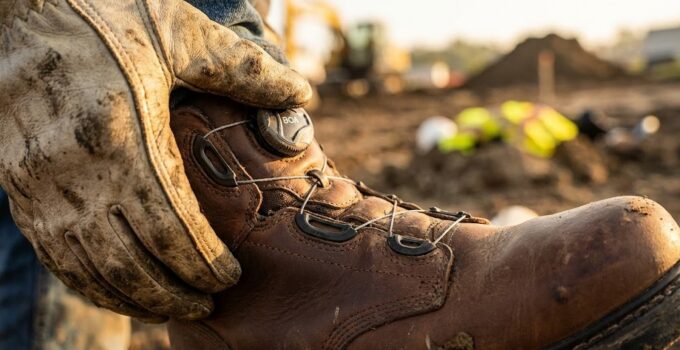
BOA dial closures are trending in 2026 because they solve daily friction points that frustrate workers: speed when you need to get boots on and off quickly, micro-adjustments as your feet swell during long shifts, and easy operation with gloves in wet or dirty conditions.
But are BOA work boots genuinely better than traditional laces, or is this just clever marketing? The honest answer: BOA excels at convenience and daily usability, but traditional laces still win for universal field-repairability and independent zonal control.
In this guide, we’ll cover:
- 3 fully reviewed BOA work boot models with honest pros and cons
- Real-world BOA vs laces comparison (not just the manufacturer’s talking points)
- BOA warranty, repairs, and how to manage downtime risk
- A clear buyer framework to decide if BOA is right for your work
Jump to Section:
Quick Picks Table | Red Wing Review | Ariat Review | Timberland Review | BOA vs Laces | FAQs
Quick Picks: Best BOA Work Boots at a Glance
best boa work boots at a glance
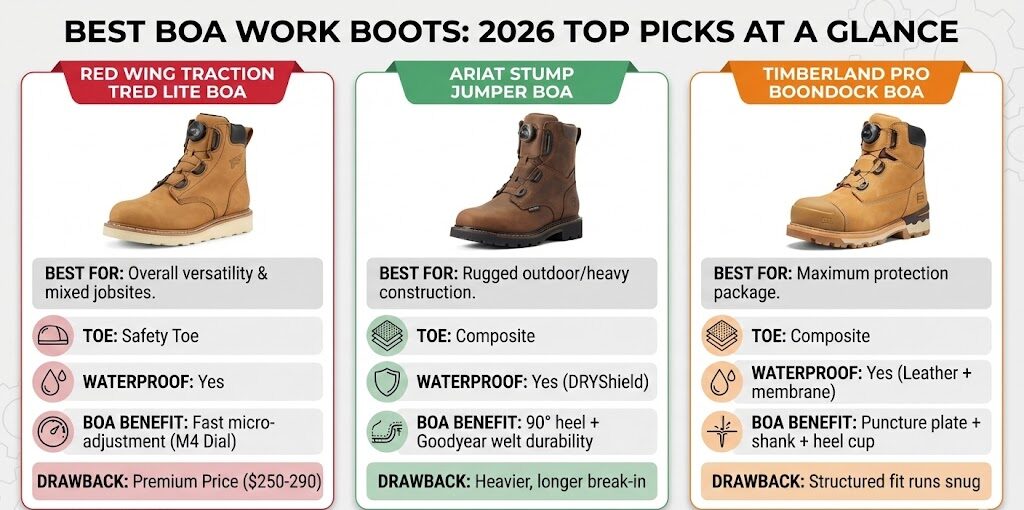
Here are our top three BOA work boots for 2026, each optimized for different work scenarios. All three boots offer the core BOA benefits—fast micro-adjustability and glove-friendly operation—but excel in different environments.
| Boot Model | Best For | Toe Type | Waterproof | Standout BOA Benefit | Main Drawback |
|---|---|---|---|---|---|
| Red Wing Traction Tred Lite BOA | Overall versatility & mixed jobsites | Safety toe | Yes | Fast micro-adjustment with M4 dial | Premium price ($250-290) |
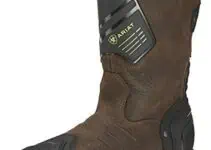
| Ariat Stump Jumper BOA | Rugged outdoor/heavy construction | Composite | Yes (DRYShield) | 90° heel + Goodyear welt durability | Heavier, longer break-in |
| Timberland PRO Boondock BOA | Maximum protection package | Composite | Yes (leather + membrane) | Puncture plate + shank + heel cup | Structured fit runs snug |
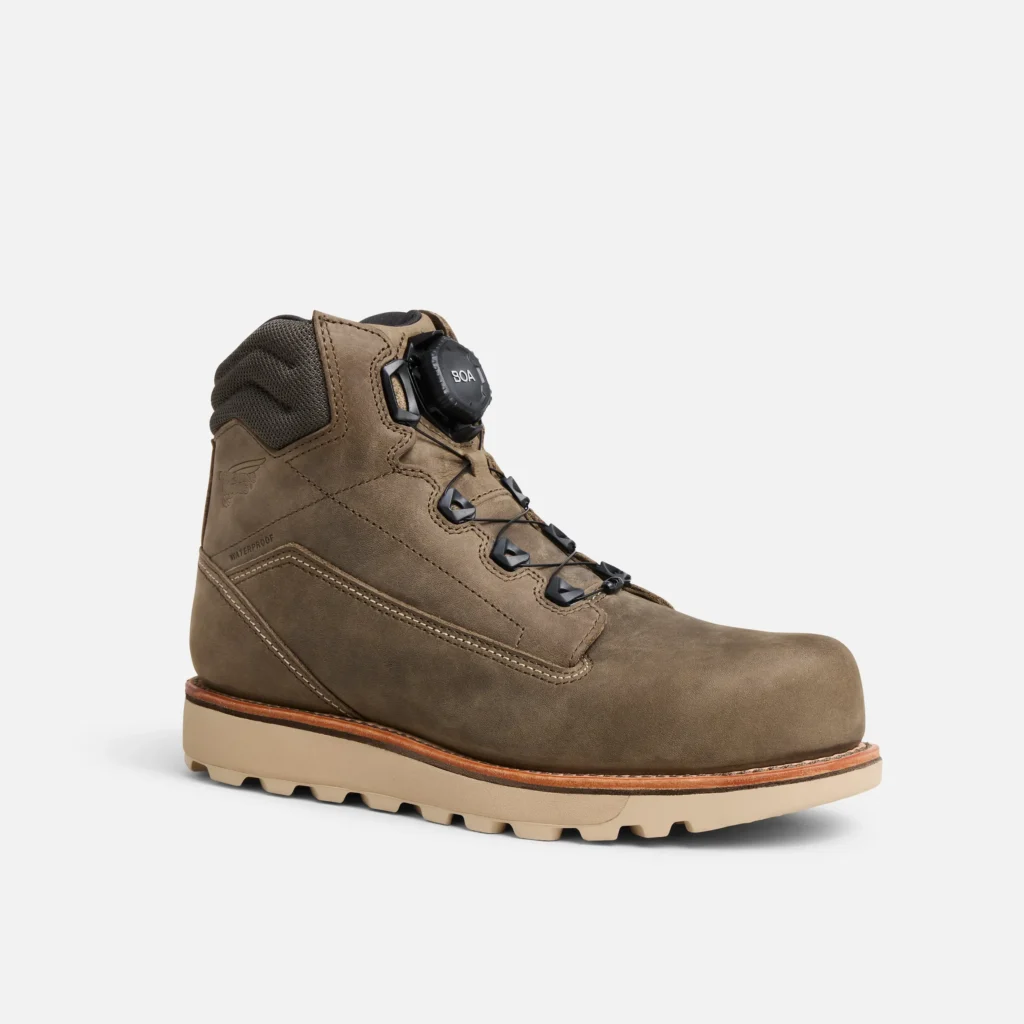
Red Wing Traction Tred Lite BOA is our top pick for workers needing versatile, all-around performance across mixed jobsites—the 6-inch height and wedge-with-tread outsole handle both indoor and outdoor work, while the BOA M4 system provides exceptional speed and micro-adjustability.
Ariat Stump Jumper BOA targets outdoor workers in rugged conditions—the 8-inch height, aggressive Duratread lug outsole, and Goodyear welt construction deliver traditional logger boot protection with modern BOA convenience.
Timberland PRO Boondock BOA offers the most comprehensive protection package with its puncture-resistant plate, fiberglass shank, and external heel cup—ideal for industrial and heavy construction workers facing multiple hazards.
What Is the BOA Fit System (And Why It Feels Different)
red wing full boot
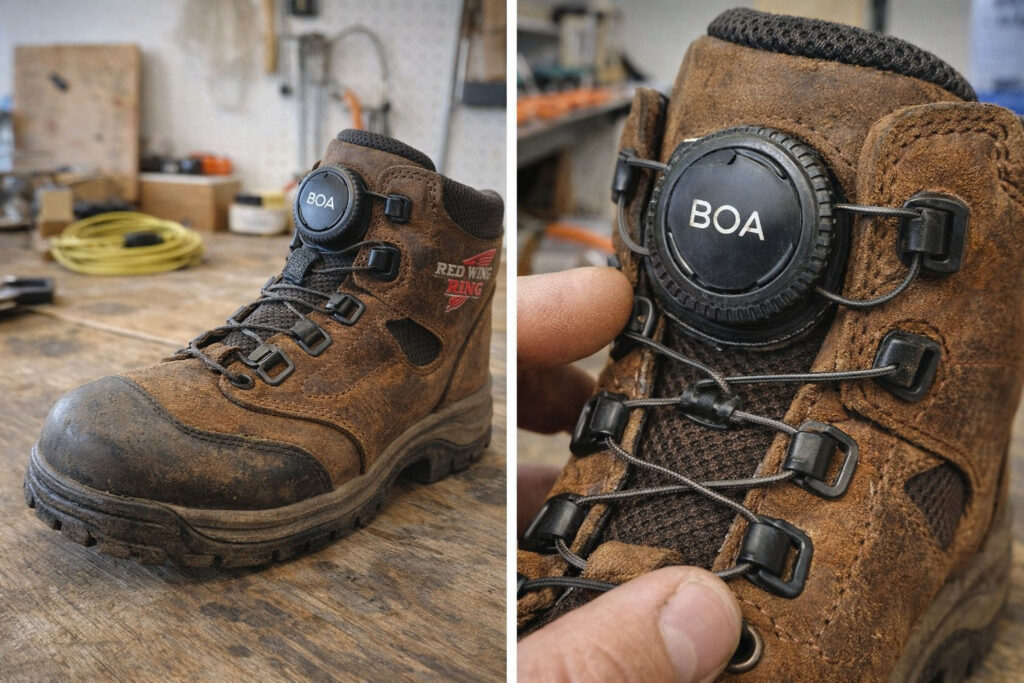
The BOA Fit System replaces traditional laces with a mechanical closure system built around three core components working together:
The 3 Core Components
- Micro-adjustable dial – Turn clockwise to tighten in incremental clicks, pull outward to release instantly
- Steel lace cables – Replace traditional fabric laces, routed through strategically placed guides
- Low-friction lace guides – Eyelet-style guides that distribute tension evenly across the boot upper
Different BOA Configurations for Different Applications
BOA offers different system designs optimized for specific performance goals. Work boots typically use:
- H-series (Performance Fit) – Emphasizes heel lock and support for active work environments
- M-series – Mid-level performance systems (Example: Red Wing Traction Tred Lite uses BOA M4)
- L-series (Lifestyle) – Designed for casual use, less common in safety-rated work footwear
What “Micro-Adjustable Precision Fit” Means in Practice
Unlike traditional lacing that requires complete re-tying for fit changes, BOA allows incremental adjustments with each click of the dial (typically ~1mm per click). This matters in real work situations:
- Morning to afternoon foot swelling: Quick tighten with 2-3 clicks without stopping work
- Temperature changes: Loosen when moving from cold outdoor work to heated indoor spaces
- Activity level shifts: Adjust tension when transitioning from standing to climbing or kneeling
The Key Difference: Traditional laces create U-shaped tension patterns that loosen throughout the day and cause pressure points. BOA maintains consistent, even pressure distribution across the entire upper—eliminating hot spots and the need for mid-shift re-tying breaks.
BOA vs Speed Hooks (Quick Note)
Some work boots use speed hooks for faster lacing than traditional eyelets. BOA is faster than speed hooks and eliminates the “laces still get loose” problem, but speed hooks cost less and any replacement laces work for field repairs. BOA requires specific replacement parts.
BOA vs Traditional Laces: The Real Comparison
boa vs laces
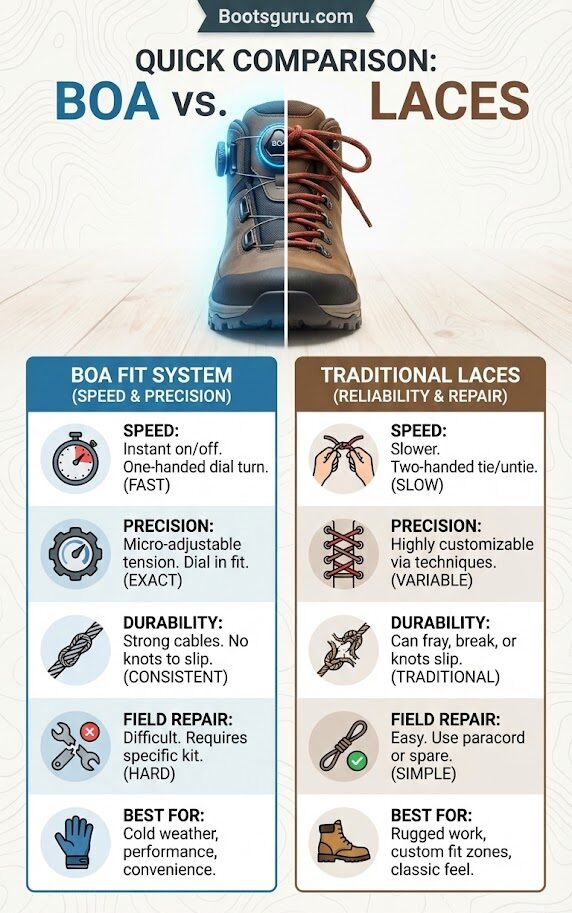
Let’s compare BOA and traditional laces across the factors that actually matter for work boot performance. This isn’t manufacturer marketing—it’s an honest assessment of where each system wins and loses.
| Factor | BOA Dial System | Traditional Laces | Winner |
|---|---|---|---|
| On/Off Speed | Very fast (pull to release) | Slower (requires untying) | BOA |
| Mid-Day Adjustments | Quick clicks without removal | Full re-tying required | BOA |
| Fit Precision | Micro-adjustable increments | Limited by eyelet spacing | BOA |
| Glove Compatibility | Excellent – works with thick gloves | Poor – requires fine motor control | BOA |
| Pressure Distribution | Even across entire upper | U-pattern, potential hot spots | BOA |
| Coming Untied Risk | Zero (mechanical dial) | Moderate (safety hazard) | BOA |
| Zonal Tension Control | Limited (single-zone typical) | Excellent (independent eyelets) | Laces |
| Field Repairability | Requires specific BOA parts | Any replacement laces work | Laces |
| Universal Availability | Specialty item, order online | Available everywhere | Laces |
| Durability Mode | Single-point failure possible | Multiple potential break points | Tie |
| Initial Cost | Premium pricing | Standard pricing | Laces |
| Weight | Slightly heavier (dial + cables) | Lighter | Laces |
The Biggest Trade-Off (Be Realistic)
BOA wins decisively on convenience and daily usability. Traditional laces win on universal field-repairability—you can fix them anywhere with any replacement laces from a hardware store.
This matters most for:
- Remote work locations (offshore, wilderness construction, mining)
- Situations where boot downtime = lost money or safety risk
- Workers who can’t keep spare parts on hand
Quick Decision Framework
✅ Choose BOA If You:
- Need frequent on/off throughout the day (security checks, clean room entries)
- Work in cold/wet conditions requiring gloved adjustments
- Have arthritis or hand mobility challenges
- Want consistent fit over 10-12 hour shifts without re-tying
- Are tired of stopping mid-work to re-tie loose laces
❌ Stick with Traditional Laces If You:
- Need maximum independent zonal control for unusual foot shapes
- Work in extremely remote locations where parts logistics = problem
- Have very tight budget constraints
- Prefer “proven technology” over convenience features
- Can’t keep spare parts on hand and downtime is unacceptable
See Which BOA Boot Fits Your Work
BOA Warranty + Repairs: Managing Downtime Risk
Why this section comes early: Understanding BOA’s warranty and repair options reduces purchase anxiety and helps you make an informed decision. Here’s what you need to know about keeping your BOA system working.
BOA’s Lifetime Guarantee Explained
BOA offers a lifetime guarantee on their closure systems for the life of the product they’re integrated into.
What’s Covered:
- Dial mechanism failures under normal use
- Cable breaks or fraying from regular wear
- Guide damage during standard work conditions
What’s NOT Covered:
- Obvious misuse or abuse
- Chemical exposure (strong acids, solvents)
- Extreme heat damage (welding contact, open flames)
- Normal wear on the boot itself (leather, sole degradation)
Pro Tip for Remote Workers
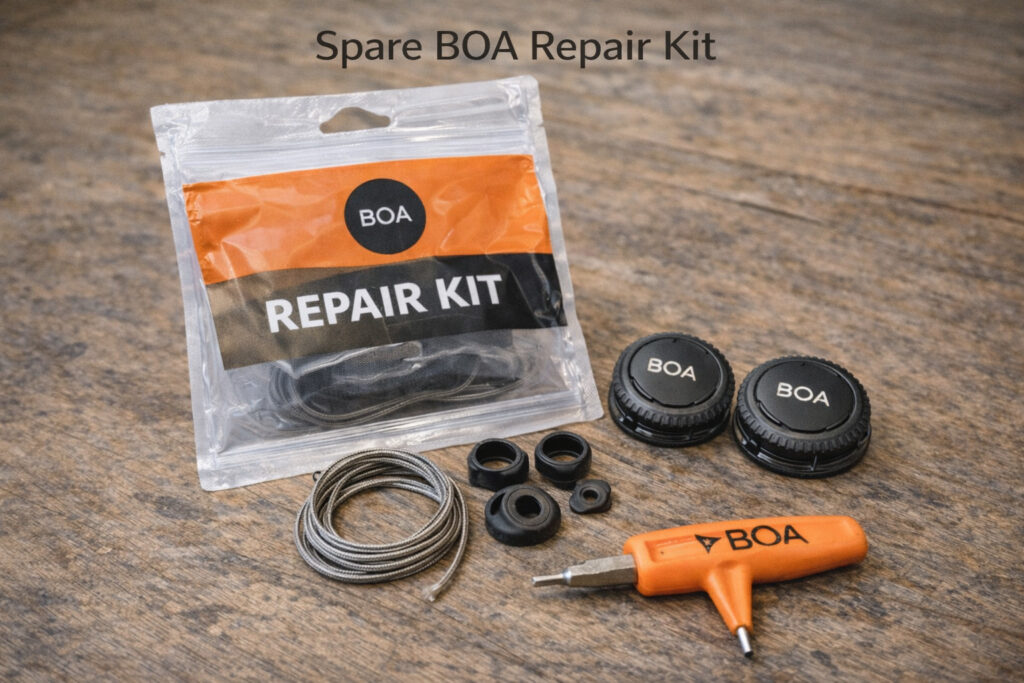
Keep a spare BOA repair kit in your work truck or tool bag. Kits typically cost $15-25 and eliminate downtime risk entirely. Most kits are universal within dial families (e.g., all M4 dials use compatible parts).
Key Point: BOA failures are rare, but if you work in remote locations (offshore, wilderness construction, mining), having a spare kit is cheap insurance against losing work time.
Red Wing Traction Tred Lite BOA — Best Overall Versatility
red wing traction tred lite boa3
Specs Snapshot
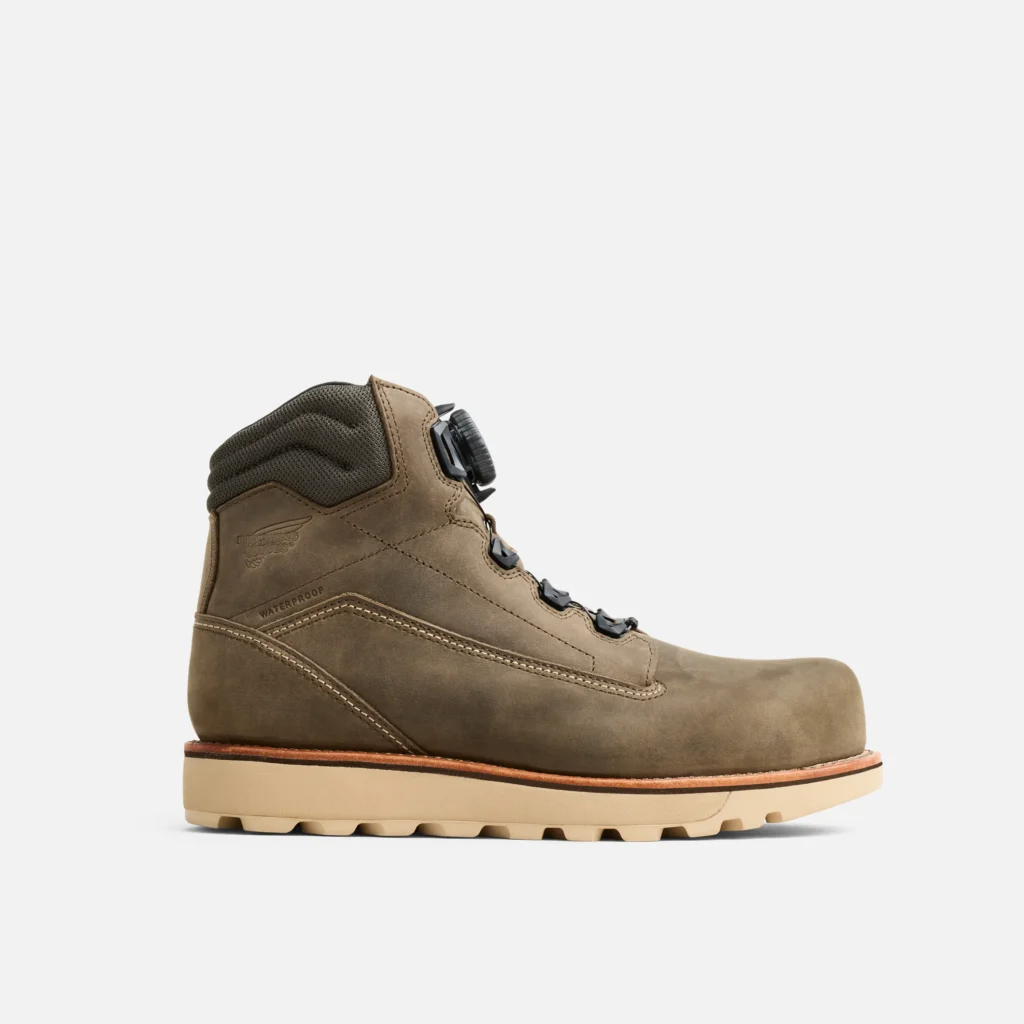
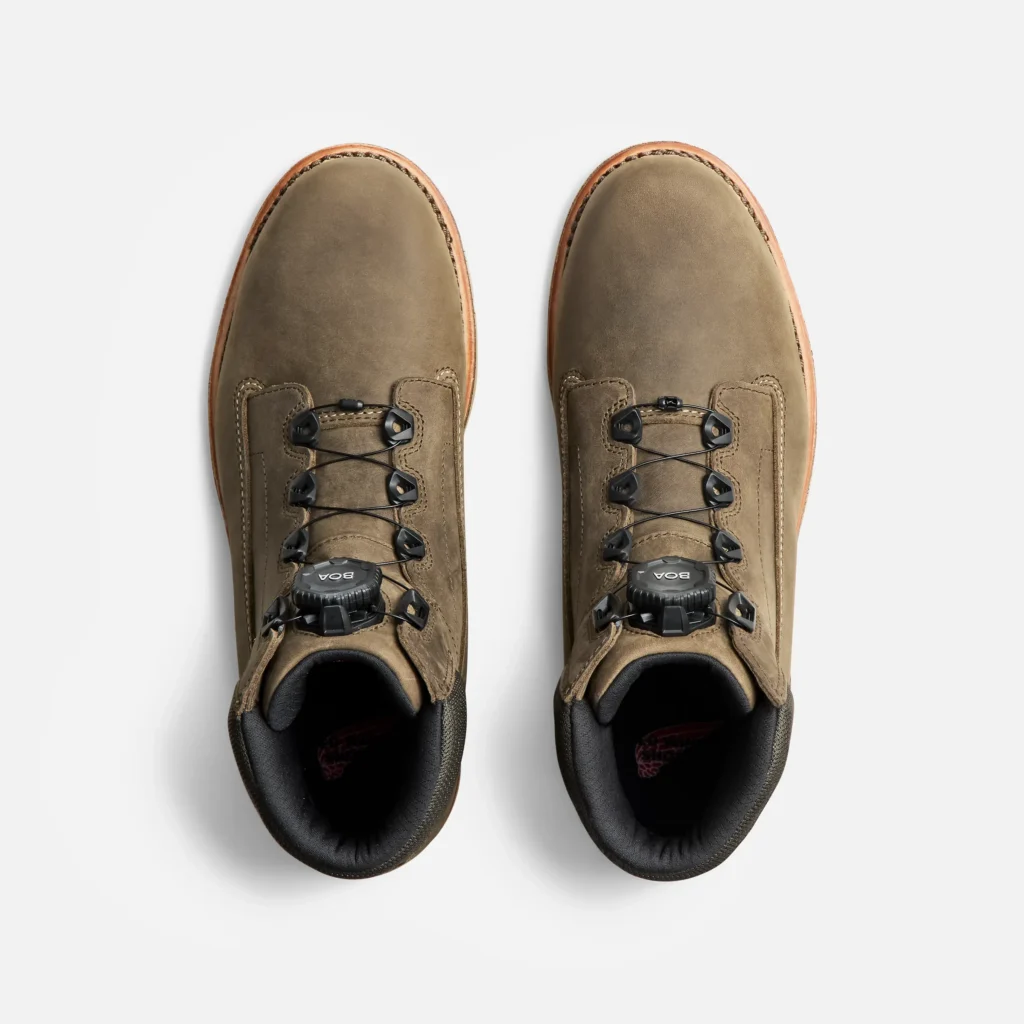
- Official Model: Men’s 6-inch Waterproof BOA Safety Toe Boot (Style #2462)
- BOA System: BOA M4 dial system
- Toe Protection: Safety toe (meets ASTM standards)
- Waterproofing: Full waterproof construction
- Outsole: Wedge-style platform with aggressive tread pattern
- Upper Material: Premium leather with abrasion-resistant areas
- Height: 6-inch (mid-height for ankle support without bulk)
- Construction: Red Wing proprietary methods
- Electrical Hazard: Check manufacturer listing for current EH rating
Fit & Comfort Notes
Sizing: True to Red Wing sizing (if you know your Red Wing size, order that). First-time buyers should try in-store if possible, as Red Wing sizing varies between models.
Width: Medium (D) width standard; wide (EE) sizes available in most sizes.
Heel Lock: Good heel retention once properly adjusted with BOA. The M4 dial provides enough fine-tuning to eliminate slippage.
Toe Box: Roomy enough for standard work socks or thicker winter socks. Safety toe doesn’t feel restrictive.
Break-In Period: 1-2 weeks typical—faster than traditional Red Wing heritage models due to wedge sole flexibility. Expect some initial stiffness in the leather upper.
Arch Support: Moderate. The wedge sole provides good ground feel and fatigue resistance on flat surfaces but isn’t as cushioned as boots with dedicated anti-fatigue systems.
BOA Implementation
Dial Placement: Located centrally on the tongue, easy to access without bending down significantly.
Tightening Performance: The M4 dial distributes tension evenly across the upper. Users report no loose areas at the ankle even with quick adjustments.
Micro-Adjustment Range: Fine increments—a few clicks make noticeable difference. Good for accommodating foot swelling throughout the day.
Glove Compatibility: Confirmed—dial works well with mechanics gloves, winter gloves, and leather work gloves. Raised profile makes it easy to locate by feel.
Cable Routing: Follows the boot’s natural curves well. No pinch points or areas where cable rubs uncomfortably.
Traction & Stability
red wing traction tred lite boa
Concrete Performance: Excellent. The wedge sole provides stable platform for scissor lifts, rooftops, and flat jobsites.
Gravel/Uneven Terrain: Good. The aggressive tread pattern handles loose surfaces better than smooth-soled wedge boots, though not as aggressive as lug-pattern logger boots.
Mud Conditions: Adequate. Tread clears reasonably well but not designed for heavy mud work.
Oily Floors: Solid performance. The rubber compound and tread pattern provide good grip on typical jobsite contaminants.
Design Logic: The wedge-with-tread hybrid balances flat-surface stability with enough grip for varied terrain—true “versatility” outsole.
Waterproofing & Climate Use
Technology: Red Wing waterproof construction (specific membrane details vary; check current product page).
Wet Conditions: Built for all-weather jobsite use. Expected to handle rain, puddles, and wet concrete well based on construction.
Breathability: Moderate. Waterproof membranes reduce breathability; expect warmer feel in hot weather compared to non-waterproof boots.
Cold Weather: Works well with insulated socks. The 6-inch height provides ankle protection without excessive bulk for winter layering.
Best Climate: All-season work in temperate to cool climates. May feel warm in extreme heat (90°F+).
Safety & Job Match
Toe Protection: Safety toe rated to ASTM standards (confirm current F2413 compliance on Red Wing product page).
Electrical Hazard: Check manufacturer listing for current EH rating status.
Other Safety Features: None specified beyond toe protection and potential EH rating.
Ideal Trades:
- Electrical work (if EH rated)
- HVAC installation
- General construction
- Light industrial maintenance
- Mixed indoor/outdoor applications
Job Match Logic: Versatile protection without extreme specialization—fits workers who need one boot for multiple jobsite types.
red wing traction tred lite boa2
Pros
- ✅ BOA M4 system provides excellent micro-adjustability throughout the day
- ✅ Wedge-with-tread outsole balances flat-surface stability with varied-terrain grip
- ✅ 6-inch height offers ankle support without logger-boot bulk
- ✅ Red Wing build quality and durability reputation
- ✅ Fast on/off at end of long shifts
- ✅ Glove-friendly dial for cold weather or dirty hands
Cons
- ❌ Premium price point ($250-290)—significant investment
- ❌ Not for extreme abuse—positioned as versatile, not maximum-duty
- ❌ Moderate arch support—workers needing maximum cushioning may want aftermarket insoles
- ❌ Red Wing sizing variation—trying on recommended if first Red Wing purchase
Best For / Avoid If
✅ Best For:
Workers who need a versatile, all-around boot for mixed jobsites (construction, electrical, HVAC) and value the BOA speed/adjustability over extreme ruggedness. Ideal for trades requiring frequent security checkpoints or clean-room transitions where fast on/off matters.
❌ Avoid If:
You work in highly abrasive environments (heavy grinding, demolition) that need maximum-duty logger boots, or if the premium price doesn’t fit your budget and you won’t use the BOA features enough to justify the cost.
🏆 Winner: Best Overall Versatility
Ariat Stump Jumper BOA — Best for Rugged Outdoor/Heavy-Duty Work
Specs Snapshot
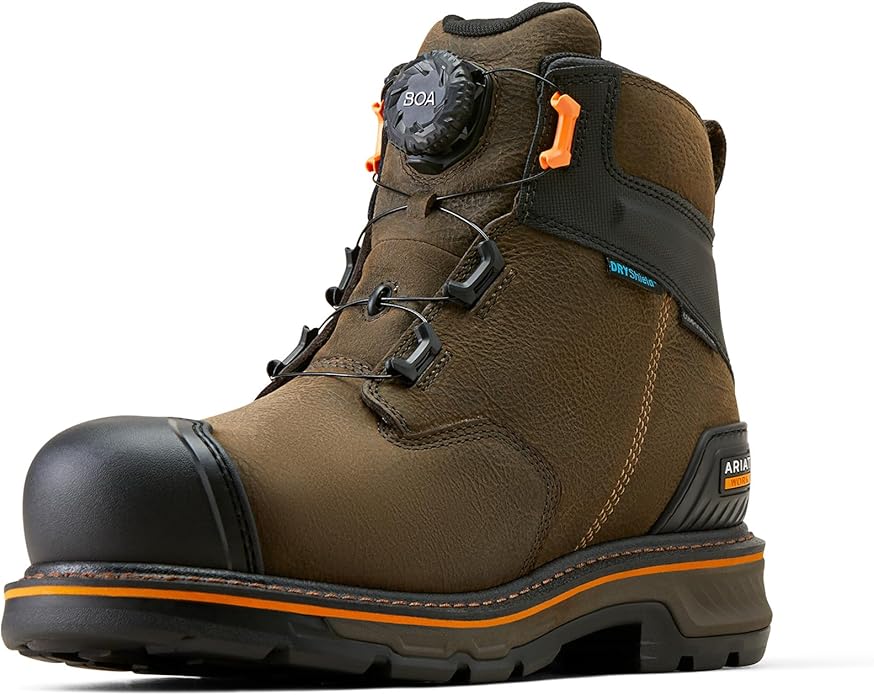
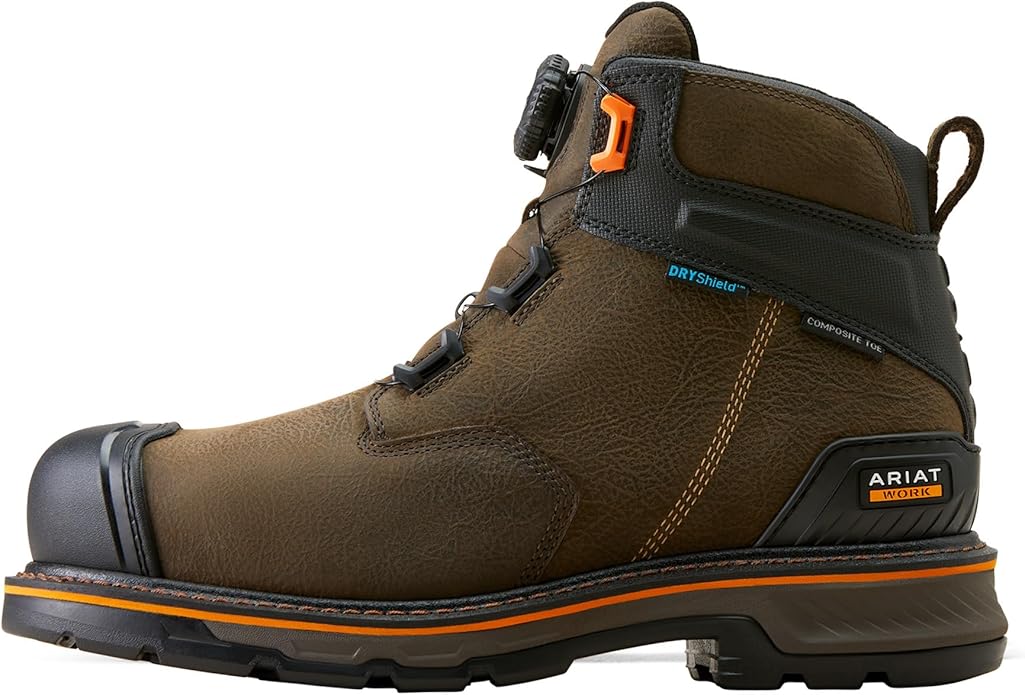
- Official Model: Stump Jumper 8″ Waterproof Composite Toe BOA Work Boot
- BOA System: Single BOA dial (specific series not always disclosed by Ariat)
- Toe Protection: Composite safety toe (lighter than steel, non-conductive)
- Waterproofing: DRYShield waterproof/breathable membrane
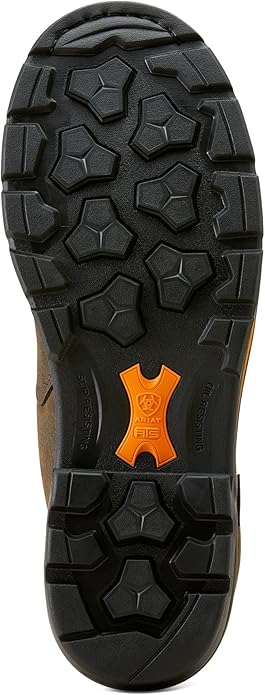
- Outsole: Duratread oil and slip-resisting rubber with aggressive lug pattern
- Midsole: FLX Foam lightweight cushioning
- Insole: Energy Max anti-fatigue removable footbed
- Construction: Goodyear welt (rebuildable/resolable for extended life)
- Safety Ratings: ASTM F2413 M/I/C EH rated
- Special Features: 90-degree heel for ladder stability, ExGuard reinforcements on high-wear zones
- Heat Resistance: Hot contact tested to 300°C / 572°F
- Height: 8-inch (full ankle coverage and debris protection)
ariat stump jumper boa4
Fit & Comfort Notes
Sizing: True to Ariat sizing. Note that Ariat sizing differs from Red Wing or Timberland—if you haven’t worn Ariat before, check their size chart or try in-store.
Width: Medium (D) width standard; wide sizes available in select sizes.
Heel Lock: Excellent. The 8-inch height + BOA tension creates strong heel retention. Minimal slippage once dialed in.
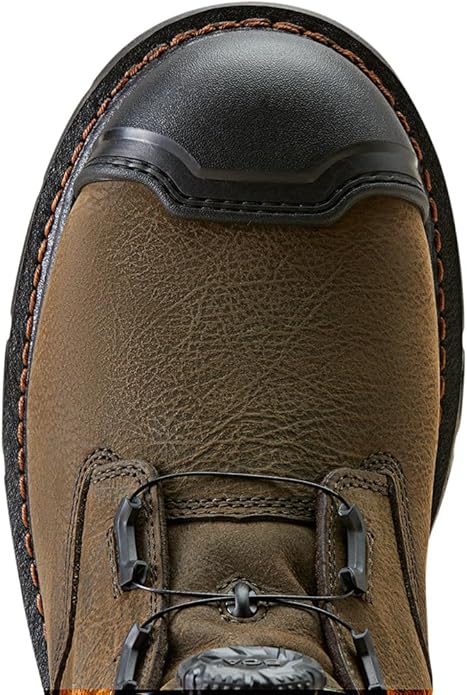
Toe Box: Composite toe provides spacious room compared to steel toe equivalents. Good for wider feet or thick work socks.
Break-In Period: 2-3 weeks. This is a traditional leather work boot with modern closure—expect initial stiffness. Use leather conditioner to speed break-in.
Arch Support: Good. Energy Max insole + FLX Foam midsole provide solid support for all-day wear once broken in.
Instep: Higher instep accommodation than low-profile work boots—works well for high-arched feet.
ariat stump jumper boa
BOA Implementation
Dial Placement: Positioned on tongue, slightly higher than some competitors to keep clear of mud/debris during kneeling work.
Tightening Performance: Single-dial system handles the 8-inch height well. Even tension distribution from toe to upper ankle with no loose spots.
Micro-Adjustment Range: Good click-by-click precision. Enough range to accommodate foot swelling during long outdoor shifts.
Glove Compatibility: Confirmed—large textured dial works with heavy leather work gloves and insulated winter gloves. Critical feature for outdoor work in cold conditions.
Cable Routing: Follows the taller boot structure effectively. No cable bunching or uncomfortable pressure points.
ariat stump jumper boa3
Traction & Stability
Concrete Performance: Good but not optimized for flat surfaces—the aggressive lug pattern is designed for varied terrain.
Gravel/Uneven Terrain: Excellent. The Duratread lug pattern excels on rocks, gravel, and rough ground.
Mud Conditions: Very good. Deep lugs clear mud effectively and provide grip in wet, slippery conditions.
Outdoor Applications: Designed for this—forestry, landscaping, utility work, outdoor construction.
90-Degree Heel: Provides stable platform for ladder rungs and climbing applications.
Design Logic: This is a logger-style boot optimized for outdoor, rugged work rather than smooth indoor surfaces.
Waterproofing & Climate Use
Technology: DRYShield waterproof/breathable membrane.
Wet Conditions: Built for outdoor wet work—rain, puddles, wet grass, mud. Expected to perform well based on DRYShield reputation.
Breathability: Better than non-breathable membranes, but still reduced compared to non-waterproof boots. Moisture management in hot weather is moderate.
Cold Weather: Excellent. The 8-inch height protects against cold and debris, and BOA dial works with insulated gloves.
Best Climate: All-season outdoor work, particularly strong in wet and cold conditions. May feel warm in extreme summer heat.
Safety & Job Match
Toe Protection: Composite safety toe, ASTM F2413 M/I/C rated per manufacturer listing.
Electrical Hazard: EH rated per manufacturer (composite toe is non-conductive, safer than steel for electrical work).
Heat Resistance: Hot contact tested to 300°C/572°F—good for some industrial applications, though not designed for full-time welding.
Other Features: ExGuard reinforcements protect high-wear areas from abrasion.
Ideal Trades:
- Forestry and logging
- Landscaping and groundskeeping
- Outdoor construction (framing, roofing, concrete)
- Utility work (power lines, pipelines)
- Any trade requiring ladder work (90° heel benefit)
Job Match Logic: Traditional logger boot protection with modern BOA convenience—built for workers who need serious outdoor durability.
ariat stump jumper boa2
Pros
- ✅ Goodyear welt construction—resolable for extended lifespan
- ✅ 90-degree heel excellent for ladder stability
- ✅ Aggressive Duratread lug outsole handles rugged terrain and mud
- ✅ DRYShield waterproofing + 8-inch height for outdoor wet work
- ✅ Composite toe—lighter than steel, non-conductive for EH work
- ✅ Energy Max anti-fatigue insole provides good cushioning
- ✅ Heat-resistant to 300°C for some industrial applications
Cons
- ❌ Heavier than 6-inch models—8-inch height + Goodyear welt adds weight
- ❌ 2-3 week break-in period—traditional leather needs conditioning and wear time
- ❌ More “boot” than “shoe” feel—substantial construction may feel bulky
- ❌ Aggressive outsole not optimized for smooth concrete or indoor work
- ❌ Ariat sizing differs from Red Wing/Timberland—check size chart
Best For / Avoid If
✅ Best For:
Outdoor workers (forestry, landscaping, outdoor construction, utilities) who need traditional logger boot protection with BOA speed and glove-friendly adjustability. Ideal for workers doing ladder climbs (90° heel) and facing mud, wet conditions, and rugged terrain daily.
❌ Avoid If:
You work primarily on smooth indoor surfaces (concrete floors, warehouses) where the aggressive lug outsole is overkill, or if you want a lightweight, sneaker-like feel. Also avoid if you can’t tolerate a 2-3 week break-in period for thick leather.
🏔️ Winner: Best for Rugged Outdoor Work
Timberland PRO Boondock BOA — Best Heavy-Duty Protection Package
Specs Snapshot
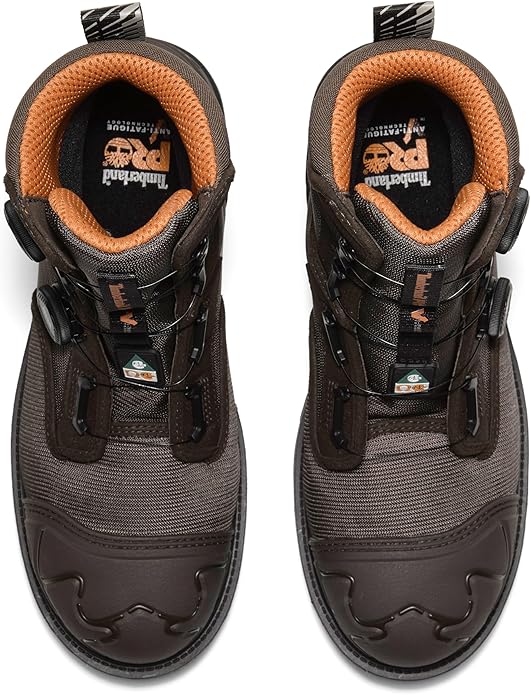
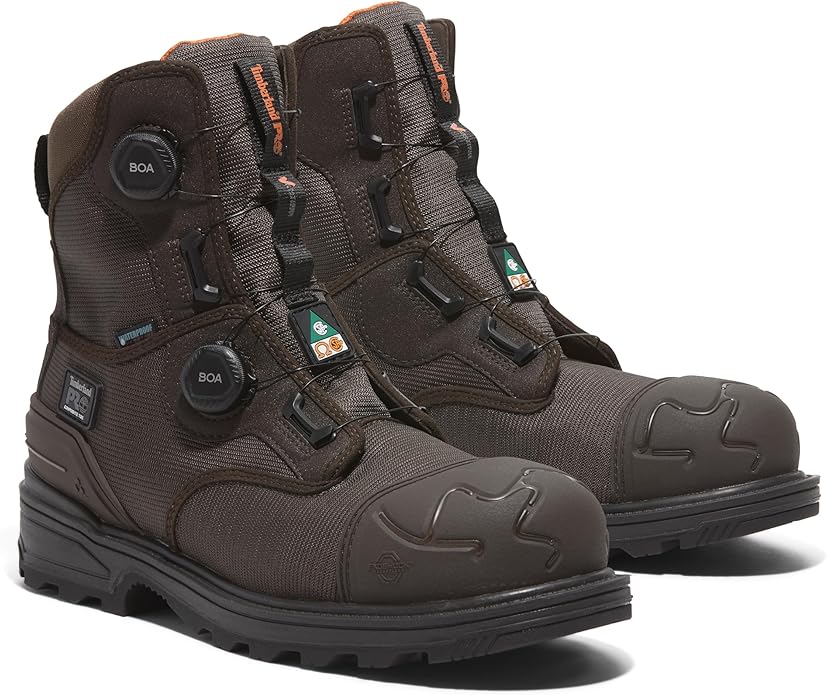
- Official Model: Boondock 8″ Composite Safety Toe Waterproof BOA Work Boot
- BOA System: Single BOA dial
- Toe Protection: Composite safety toe (non-metallic, lighter than steel)
- Waterproofing: Premium waterproof leather + internal waterproof membrane
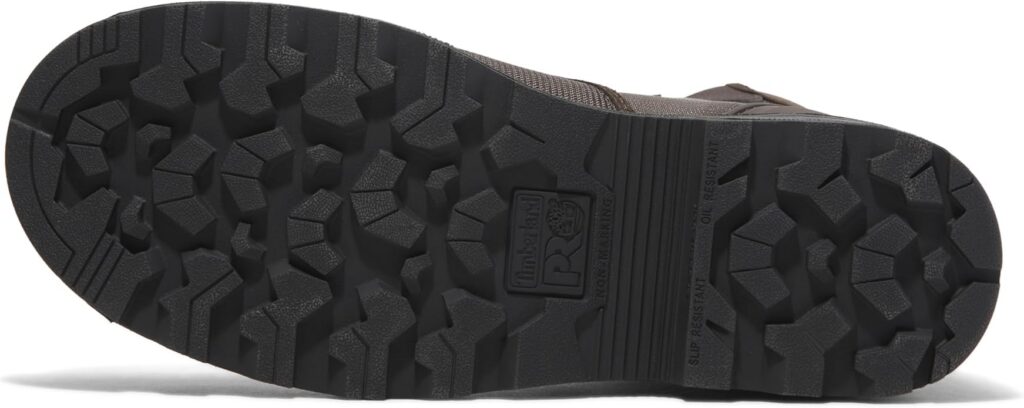
- Outsole: TPU (thermoplastic polyurethane) with oil, slip, and abrasion resistance
- Underfoot Protection: Puncture-resistant plate (meets ASTM standards)
- Structural Support: Fiberglass shank for torsional rigidity + external heel cup
- Insole: Anti-Fatigue Technology footbed (Timberland’s signature geometric cone cushioning)
- Electrical Protection: EH rated
- Optional: Some variants include 400g Thinsulate insulation (check specific model)
- Height: 8-inch (full ankle coverage)
timberland pro boondock boa3
Fit & Comfort Notes
Sizing: Runs slightly narrow and structured. Important: Consider ordering a half-size up if you have wide feet or wear thick work socks.
Width: Medium (D) width standard. The structured design can feel snug on wider feet.
Heel Lock: Excellent. External heel cup + BOA tension creates very secure heel retention.
Toe Box: Composite toe provides good room—more spacious than steel toe equivalents in the same size.
Break-In Period: 1-2 weeks. Faster than logger boots due to more pliable leather and built-in cushioning. The Anti-Fatigue footbed helps during break-in phase.
Arch Support: Very good. The combination of fiberglass shank + Anti-Fatigue footbed provides structured support.
The “Structured” Feel: This boot feels engineered when you put it on—the fiberglass shank, heel cup, and puncture plate create a firm, supportive platform. Some workers love this tank-like feel; others find it restrictive. Try before buying if possible.
BOA Implementation
timberland pro boondock boa4
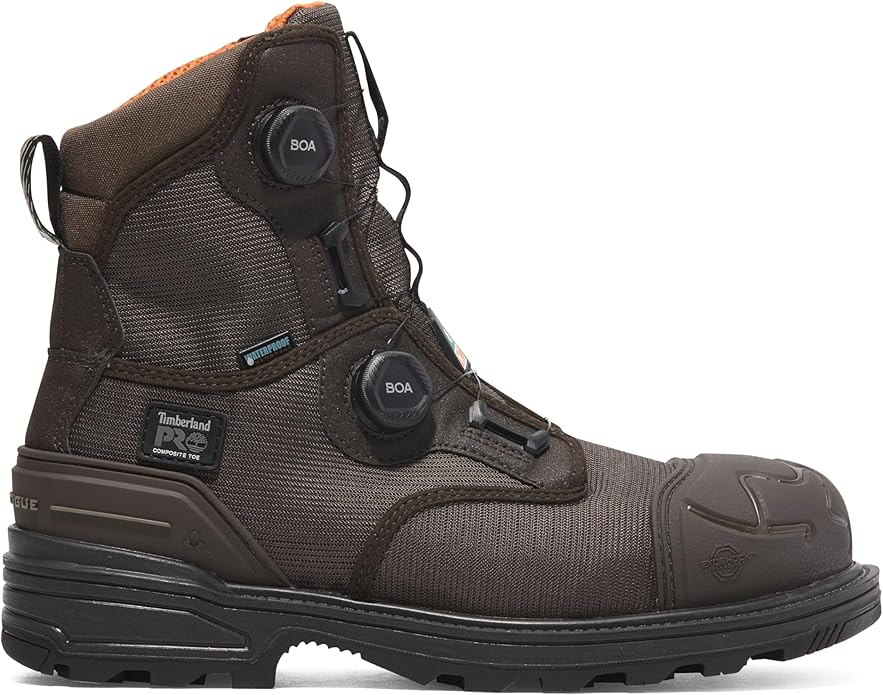
Dial Placement: Centrally located on tongue with secure positioning.
Tightening Performance: BOA dial distributes tension evenly across the 8-inch height. Works well with the boot’s structured design—no loose areas at the top.
Micro-Adjustment Range: Good fine-tuning capability. The structured boot benefits from precise adjustments more than flexible boots.
Glove Compatibility: Confirmed—dial accessible and usable with work gloves and winter gloves.
Structure Synergy: The BOA system complements this boot’s built-in support structure. Because the boot has significant internal support (shank, heel cup), the BOA focuses on securing your foot rather than providing all the structure.
Traction & Stability
timberland pro boondock boa2
Concrete Performance: Very good. TPU outsole provides stable platform for flat surfaces common in industrial/manufacturing settings.
Gravel/Uneven Terrain: Good. Not as aggressive as logger boot lugs, but handles uneven surfaces adequately.
Mud Conditions: Moderate. Tread clears reasonably but not optimized for heavy mud work.
Oily/Slippery Floors: Excellent. TPU compound and tread pattern specifically designed for oil and slip resistance in industrial environments.
Stability on Hard Surfaces: The fiberglass shank + external heel cup create exceptional stability on concrete, metal grating, and hard surfaces.
Design Logic: Optimized for industrial/construction sites with flat, hard surfaces and potential contamination hazards (oil, grease).
Waterproofing & Climate Use
Technology: Premium waterproof leather + internal waterproof membrane (specific membrane often not disclosed; check product listing).
Insulation Option: Some variants include 400g Thinsulate insulation—check specific model number.
Wet Conditions: Built for harsh weather. Expected to handle rain, puddles, and wet jobsites well based on construction.
Breathability: Reduced compared to non-waterproof boots (typical of waterproof membranes). Insulated versions will feel warmer.
Cold Weather: Excellent, especially insulated variants. The 8-inch height + waterproofing + optional insulation handle winter well.
Best Climate: All-season industrial work. Insulated versions best for cold climates; non-insulated for temperate to warm climates.
Safety & Job Match
Toe Protection: Composite safety toe (confirm current ASTM F2413 compliance on product listing).
Electrical Hazard: EH rated per manufacturer.
Puncture Resistance: Puncture-resistant plate meets ASTM standards (protects against nails, rebar, sharp debris).
Structural Protection: Fiberglass shank prevents mid-foot injuries from stepping on edges or uneven surfaces.
External Heel Cup: Adds ankle stability and protects heel area from impacts.
Ideal Trades:
- Heavy construction (sites with puncture hazards)
- Industrial manufacturing
- Warehousing and logistics
- Demolition work
- Steel erection and structural work
- Any trade with underfoot hazard risks
Job Match Logic: Maximum protection package for workers facing multiple hazards—impacts, punctures, electrical risks, slippery surfaces.
timberland pro boondock boa
Pros
- ✅ Comprehensive protection package—composite toe, puncture plate, shank, heel cup, EH rating
- ✅ Anti-Fatigue Technology footbed reduces fatigue on concrete/hard surfaces
- ✅ TPU outsole excellent for oil and slip resistance in industrial settings
- ✅ Structured design provides tank-like stability and support
- ✅ Premium waterproofing for harsh weather conditions
- ✅ External heel cup adds stability and protection
- ✅ Composite toe lighter and non-conductive for EH work
Cons
- ❌ Structured fit feels snug—runs slightly narrow, may need half-size up
- ❌ Heavier than some competitors—puncture plate, shank, heel cup add weight
- ❌ “Engineered” feel not for everyone—some workers prefer more flexible boots
- ❌ BOA can’t fix wrong sizing—the strong structure means proper size is critical
- ❌ May feel warm in hot weather—especially insulated variants
Best For / Avoid If
✅ Best For:
Industrial and heavy construction workers who face multiple hazards (puncture risks from nails/rebar, electrical dangers, slippery floors, impact risks) and need a “fortress” boot with maximum underfoot protection. Ideal for manufacturing, heavy construction, demolition, and structural work where comprehensive safety features matter more than lightweight flexibility.
❌ Avoid If:
You need lightweight, flexible boots for constant ladder climbing or mobile work. The structured feel and weight aren’t ideal for workers who prioritize agility over maximum protection. Also avoid if you have very wide feet and can’t size up (structured design is less forgiving).
🛡️ Winner: Best Heavy-Duty Protection
Head-to-Head Comparison: Which BOA Boot Wins?
best boa work boots at a glance
Here’s how our three BOA work boots stack up across key features. Use this to quickly identify which boot best matches your specific work requirements.
| Feature | Red Wing Traction Tred Lite BOA | Ariat Stump Jumper BOA | Timberland PRO Boondock BOA |
|---|---|---|---|
| Toe Type | Safety toe | Composite | Composite |
| Waterproofing | Yes (full waterproof) | Yes (DRYShield membrane) | Yes (leather + membrane) |
| Outsole | Wedge w/ aggressive tread | Duratread lug pattern | TPU slip/oil-resistant |
| Puncture Plate | No | No | Yes (ASTM rated) |
| Shank | Standard | Standard | Fiberglass shank |
| Construction | Red Wing proprietary | Goodyear welt (resolable) | Cement (with structure) |
| Height | 6-inch | 8-inch | 8-inch |
| Best Environment | Mixed jobsites, indoor/outdoor | Rugged outdoor, mud/terrain | Industrial, heavy construction |
| Break-In | 1-2 weeks | 2-3 weeks | 1-2 weeks |
| Price Range | $250-290 | $230-270 | $210-250 |
| BOA Usability | 9/10 (excellent M4 dial) | 8/10 (solid single-dial) | 8/10 (works well with structure) |
Note: BOA Usability Score is subjective assessment based on dial accessibility, glove use, and micro-adjustment performance.
Winners by Use Case
🏆 Best for Fast On/Off Speed
Red Wing Traction Tred Lite BOA
- 6-inch height = fastest overall on/off time
- M4 dial placement most accessible
- Best for security checkpoints, frequent transitions
🏆 Best for Mud & Rugged Terrain
Ariat Stump Jumper BOA
- Aggressive Duratread lug pattern clears mud best
- 8-inch height protects from debris
- 90° heel for ladder work on uneven sites
🏆 Best for Puncture Hazards
Timberland PRO Boondock BOA
- Only boot with puncture-resistant plate
- Fiberglass shank adds mid-foot protection
- Built for construction sites with sharp debris
🏆 Best for Long Shifts on Concrete
Timberland PRO Boondock BOA
- Anti-Fatigue Technology footbed specifically designed for hard surfaces
- Fiberglass shank reduces fatigue
- TPU outsole provides stable platform
🏆 Best for Outdoor All-Weather Work
Ariat Stump Jumper BOA
- DRYShield waterproofing + 8-inch height
- Goodyear welt handles wet/dry cycles better
- Best overall traction in outdoor conditions
🏆 Best Overall Versatility
Red Wing Traction Tred Lite BOA
- Handles widest variety of jobsite conditions
- 6-inch height balances support with mobility
- Wedge-with-tread outsole adapts to multiple surfaces
Who Benefits Most from BOA Work Boots?
✅ Choose BOA If You:
Work with Gloves Frequently
- Cold weather trades (outdoor construction, utilities, landscaping)
- Dirty/wet hand environments (plumbing, concrete work, muddy sites)
- Trades requiring protective gloves (welding, chemicals, manufacturing)
Need Frequent On/Off Access
- Security checkpoints and badge-access sites
- Clean room transitions (manufacturing, tech facilities)
- Jobs requiring boot changes between zones
- Workers who drive frequently between sites
Want Mid-Shift Micro-Adjustments
- Long shifts (10-12 hours) where feet swell
- Temperature fluctuations throughout the day
- Jobs alternating between activity levels (standing, kneeling, climbing)
- Workers who hate stopping to re-tie laces
Have Hand Mobility Challenges
- Arthritis or reduced finger dexterity
- Hand injuries requiring easier fastening systems
- Aging tradespeople who want to extend careers
- Anyone who finds traditional lacing frustrating
❌ Stick with Traditional Laces If You:
Need Maximum Zonal Tension Control
- Unusual foot shapes requiring custom tension at different eyelets
- Medical conditions needing very specific pressure distribution
- Significant foot asymmetry between left and right
- Workers who rely on independent toe-box vs ankle tightness
Work in Extremely Remote Locations
- Offshore oil rigs with limited supply access
- Remote mining or wilderness construction
- Locations without reliable shipping (3-5+ days for parts = unacceptable)
- Jobs where downtime from broken dial = significant lost revenue
Have Very Tight Budget Constraints
- Need to outfit entire crews where cost per boot matters most
- Occasional work boot use (not daily wear)
- Workers who won’t use BOA features enough to justify premium
Prefer “Proven Technology” Approach
- Never had issues with traditional laces
- Skeptical of new closure systems
- Value universal familiarity across all work boots
Keeping Your BOA System Working: Maintenance & Fixes
boa repair kit
Daily & Weekly Maintenance
Daily After-Work Care:
- Wipe the dial clean with a dry cloth to remove mud, dust, and grit
- Check cable routing to ensure cables haven’t shifted or bunched
- Clear debris from lace guides (use a small brush or compressed air)
- Quick visual inspection of dial and cables for obvious damage
Weekly Deep Check:
- Inspect cable wear points where cables pass through guides (look for fraying)
- Test dial function (turn to tighten, pull to release) to ensure smooth operation
- Check dial security (is it solidly attached to the boot?)
- Clean cable guides more thoroughly if working in very dirty/muddy conditions
Frequently Asked Questions About BOA Work Boots
Can BOA systems be repaired? How hard is it?
Yes, BOA systems are repairable and covered by a lifetime guarantee. Repairs are straightforward:
- Identify your dial model (stamped on the dial)
- Order replacement kit from BOAfit.com or boot retailer ($15-25)
- Follow BOA’s video guides (10-15 minute installation)
BOA guarantees the system for the lifetime of the product. If components fail under normal use, they’ll send free replacement parts.
Do BOA dials work with thick gloves?
Yes, glove compatibility is one of BOA’s primary advantages. The large dial design works with:
- Winter insulated gloves
- Mechanics gloves
- Leather work gloves
- Coated grip gloves
- Wet or muddy gloves (textured dial maintains grip)
This is a huge practical benefit in cold weather or dirty environments where traditional laces require fine motor control that’s nearly impossible with gloves on.
What happens if the BOA dial breaks while I’m at work?
If your BOA dial fails mid-shift, you have several options:
Immediate Workarounds:
- Thread paracord or zip ties through lower lace guides for temporary security
- Use duct tape (not ideal, but can hold boot snug enough to finish shift)
- Walk carefully—the boot won’t fall off; you just can’t adjust tension
Prevention: Keep a spare BOA repair kit in your work vehicle ($15-25). Most dial failures show warning signs (stiff mechanism, frayed cable) before catastrophic failure.
Reality Check: Dial failures are rare. Most BOA systems last the entire life of the boot without issues.
Are BOA work boots allowed on OSHA job sites?
Yes, BOA work boots are allowed on OSHA-regulated job sites as long as they meet the required safety standards (ASTM F2413 ratings, electrical hazard protection, etc.).
OSHA regulations focus on protection specifications, not closure mechanisms. All three boots reviewed in this guide carry ASTM safety ratings, which means they meet OSHA requirements for protective footwear.
Important: Always verify your specific employer’s PPE requirements—some sites have brand or model restrictions, but these are company policies, not OSHA mandates.
Bonus: The “won’t come untied” aspect of BOA actually improves safety around machinery where loose laces pose entanglement hazards.
Can BOA systems freeze in cold weather?
BOA dials can become slightly stiff in extreme cold (below 0°F / -18°C), but typically remain functional. The steel cables don’t freeze, but moisture in the dial mechanism can ice up temporarily.
Cold Weather Tips:
- Store boots indoors overnight in extreme cold
- If frozen, bring boots inside for 10-15 minutes to warm
- Work the dial with gloved hands (body heat transfers through gloves)
Comparison: Traditional laces also freeze when wet, becoming stiff and difficult to tie. BOA actually has an advantage—no knots to tie with frozen fingers.
BOA vs side-zip boots: which is faster?
Side-zip boots are slightly faster for pure on/off speed, but BOA offers better adjustability:
Side-Zip Advantages:
- Absolute fastest on/off
- No adjusting needed
- Great for frequent entry/exit (security, clean rooms)
BOA Advantages:
- Mid-day micro-adjustments without removal
- Better customized fit than fixed zipper path
- More secure feeling for active work
Bottom Line: If you need maximum speed and rarely adjust fit during the day, side-zips win. If you want adjustability + speed, BOA is better.
Can I use BOA work boots for hiking or outdoor activities?
Yes, with caveats. BOA work boots can double as hiking boots, but they’re optimized for different priorities:
Where They Work for Hiking:
- Day hikes on moderate terrain
- Trail maintenance or outdoor work
- Cold weather hiking (glove-friendly adjustments)
- Mixed use (work weekdays, hiking weekends)
Where Dedicated Hiking Boots Win:
- Serious backpacking (work boots are heavier)
- Technical terrain requiring precise ankle articulation
- Weight-conscious hiking
Best Crossover from This Guide:
- Red Wing Traction Tred Lite BOA (lightest, 6-inch)
- Ariat Stump Jumper BOA (rugged trails, forestry work)
How long do BOA systems last on work boots?
BOA systems are rated for 1+ million adjustment cycles. In practical terms:
Conservative Math:
- 5 adjustments/day × 250 work days = 1,250 cycles/year
- Result: 800+ years of theoretical use
Reality: The BOA system will almost certainly outlast the boot’s leather, sole, and structural integrity. Most work boots wear out after 1-3 years of daily use from sole wear and leather breakdown.
Real Failures: When they occur, failures are typically from external damage (impact, chemicals, extreme heat), not normal wear. Cable fraying can occur at guide points after extended use, but this is visible during inspection and covered under warranty.
Bottom Line: Don’t worry about BOA longevity—worry about whether you like the system’s functionality. It will last as long as you need.
Are BOA laces stronger than regular work boot laces?
BOA’s steel cable laces are significantly more durable than fabric laces in terms of tensile strength and resistance to fraying or breaking from abrasion. Cables are rated for 1+ million cycles.
However, “stronger” doesn’t mean “indestructible.” Cables can be damaged by:
- Extreme heat (welding sparks, hot surfaces)
- Strong chemicals (acids, solvents)
- Physical trauma (heavy impact on dial)
Practical Reliability: For normal work boot use (construction, electrical, manufacturing), BOA systems are extremely reliable. The lifetime guarantee backs this up.
Bottom Line: You’re far more likely to wear out the boot’s leather and sole before the BOA system fails.
Ready to Choose? Our Final Recommendations
🏆 Choose Red Wing Traction Tred Lite BOA if:
You need versatile all-around performance for mixed jobsites and value BOA speed + micro-adjustability above all else.
🏔️ Choose Ariat Stump Jumper BOA if:
You work outdoors in rugged conditions and need traditional logger boot protection with modern convenience and resolable construction.
🛡️ Choose Timberland PRO Boondock BOA if:
You face multiple hazards (puncture risks, electrical, impact) and need maximum underfoot protection in an engineered, fortress-like boot.