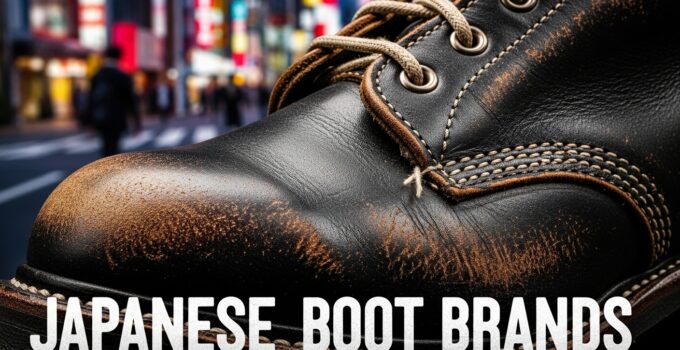
Hey there! If you’ve started looking into high-quality footwear, you’ve probably stumbled into the fascinating world of Japanese bootmaking. It’s truly a rabbit hole, but trust me, it’s worth the deep dive.
The weird thing is, much of this culture sprang from Amekaji—a subculture centered on American-influenced vintage workwear, particularly post-World War II. But here’s the kicker: Japanese artisans didn’t just copy the classics; they obsessed over them, refined them, and in many cases, made them objectively better.
I’m here to give you the honest lowdown on why these boots are so prized, what makes them unique, and the real talk on finding—and affording—a pair.
japanese boots
⚡ Quick Answer: Which Japanese Boot Brand Should You Buy?
Best Overall (Bespoke Grail): White Kloud – Hand-welted perfection, requires Tokyo visit, $1,000-$5,000
Best Engineer Boots: Clinch – Industry-leading craftsmanship, $1,950-$2,000
Best for Beginners: John Lofgren – Ethical, comfortable OTB, easier to source, $700-$1,050
Best Value: Moto – Excellent quality-to-price ratio, ~$650 (requires proxy service)
Most Accessible: Rolling Dub Trio – Tokyo street style, international stockists, $500-$900
Expect to measure your feet in centimeters and potentially use Japanese proxy buying services. These boots last decades and develop stunning patina.
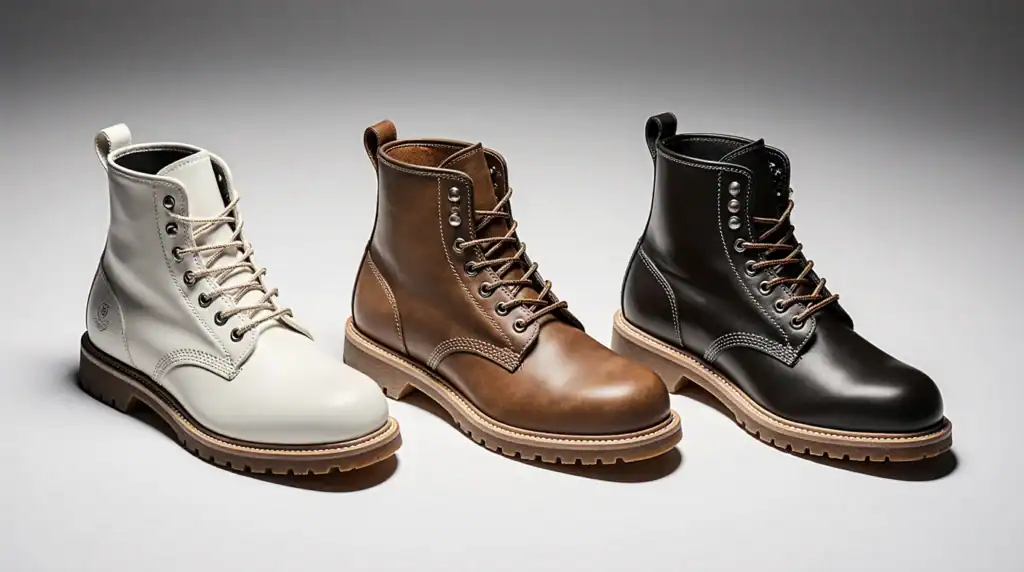
white kloud, clinch, and john lofgren boots showing craftsmanship details
The Core Difference: The “Shokunin” Spirit
If you’re wondering why Japanese boots are so expensive, the answer lies in a cultural concept: Shokunin. This isn’t just about being a good craftsman; it’s an artisan spirit where dedication is absolute, and “good enough is never enough”.
This commitment means every detail is scrutinized and perfected. For instance, a pair of Mizuno’s Made In Japan (MIJ) boots takes about 20 times longer to create than a typical elite boot, and they are meticulously checked twice by master bootmakers before they leave the factory.
Materials That Stand Out
Japanese bootmakers aren’t messing around with materials. They prioritize specialized leathers for durability and incredible aging potential (patina).
- Shinki Hikaku: This is a world-renowned Japanese tannery famous for its horsehide and shell cordovan. If you see this leather listed, you’re looking at top-tier quality known for its brilliant luster.
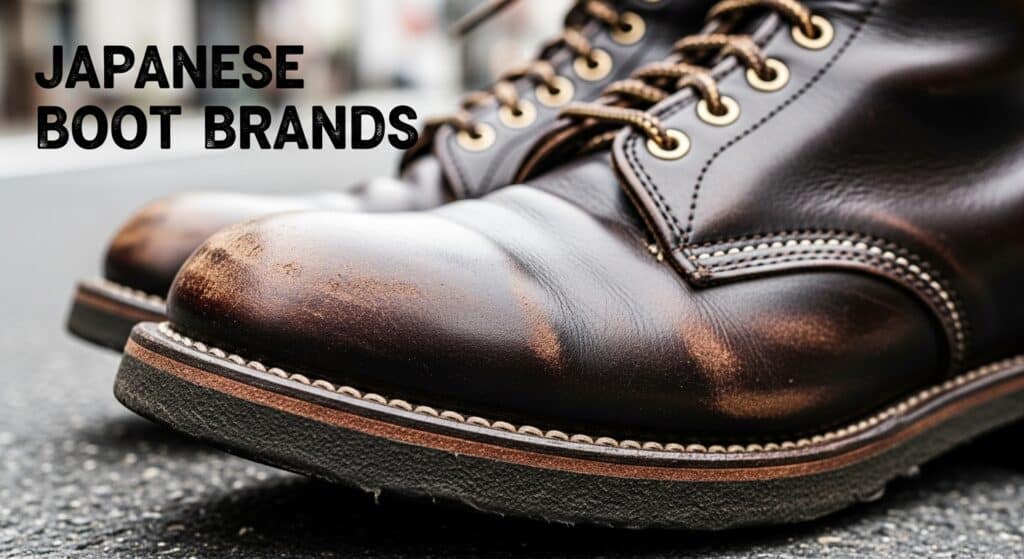
- Tea Core (Chasin’): This is a Japanese obsession, and you’ll see it everywhere. It involves taking brown vegetable-tanned leather and dyeing only the surface layer black. The intention is that as the boot wears, the black dye scrapes off, dramatically exposing the brown core underneath. This creates a highly coveted vintage look.
Construction: Why They Last
You’re paying for time-consuming construction methods that make the boots repairable and robust. Many high-end Japanese brands rely on methods like Stitchdown construction, Goodyear Welt, and, for the absolute pinnacle, Hand-welted construction. Hand-welting is a very laborious process that’s exceedingly rare in the modern boot world, adding huge value and longevity.
Japanese vs. Western Heritage Boots: What’s the Real Difference?
You’re probably wondering: “Are Japanese boots actually better than Wesco, Viberg, or Red Wing?”
Here’s the honest answer: They’re different, not necessarily “better.”
Japanese makers prioritize:
- Aesthetic aging (tea core leather, patina development)
- Meticulous hand-finishing and bespoke fitting
- Slimmer, more refined lasts (influenced by dress shoe traditions)
- Obsessive attention to stitching details
Western makers (Wesco, White’s, Viberg) prioritize:
- Extreme ruggedness for industrial/logging work
- Bulkier builds for outdoor durability
- Faster production with proven construction methods
- More forgiving break-in periods
The Verdict: Choose Japanese if you value aesthetic evolution, fine craftsmanship, and are willing to invest time in sourcing and break-in. Choose Western heritage if you need bombproof outdoor/work boots with less fuss.
Price Comparison: What You’ll Actually Pay
| Brand | Specialty | Price Range | Where to Buy | Hand-Welted? |
|---|---|---|---|---|
| White Kloud | Bespoke perfection | $1,000–$5,000 | Tokyo (in-person only) | Yes |
| Clinch | Engineer boots | $1,950–$2,000 | Select retailers (Brass Tokyo, Standard & Strange) | Yes |
| John Lofgren | Ethical, American-made in Japan | $700–$1,050 | International stockists | No (Goodyear welt) |
| Rolling Dub Trio | Tokyo street style | $500–$900 | Easier to find online | Varies by model |
| Moto | Best value | ~$650 shipped | Proxy services (Yahoo Auctions Japan) | No |
The Heavyweights: Top Japanese Boot Brands (Detailed Reviews)
1. White Kloud (The Grail)
The Honest Advice: If you want these, start saving for airfare.
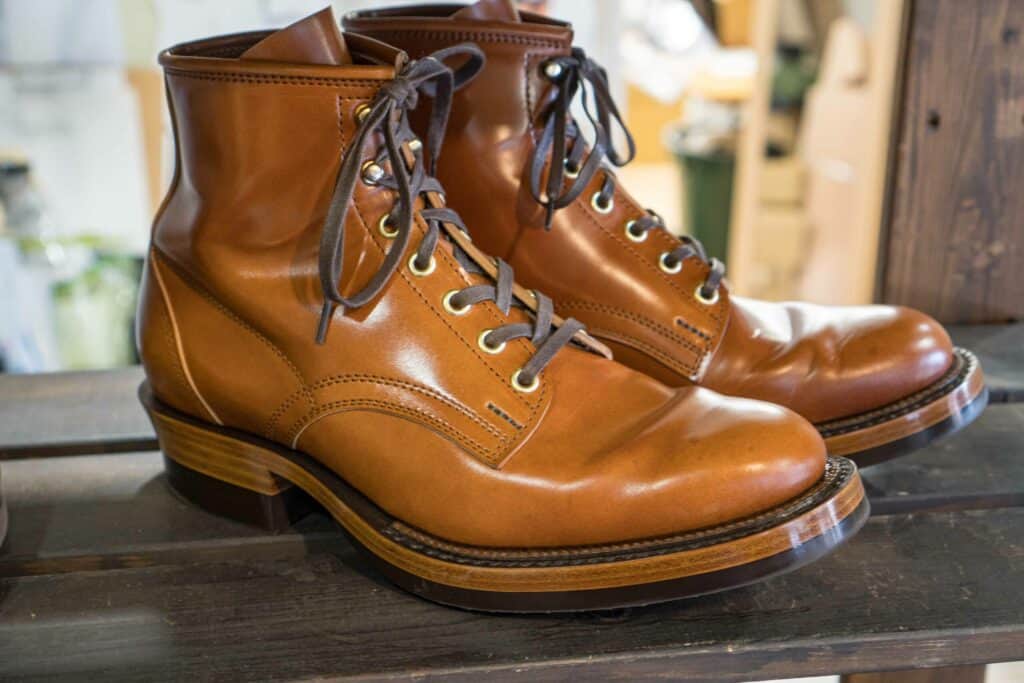
white kloud engineer boots
Made by one man named Goto, just outside of Tokyo, these are frequently called the best casual or heritage style boots in the world. Goto is fanatical about detail: he measures your feet in several ways over a lengthy, thorough 3.5 to 4-hour fitting process, ensuring a near-perfect fit. He even studied reflexology, which he uses to design his footbeds.
But here’s the wild part: he makes the actual thread he uses for the hand-stitched welting and midsole stitching himself, starting from scratch—weaving the yarns and mixing the oils. He offers the option of a fully bespoke last, which is virtually unheard of for heritage-style work boots.
- Pros: Objectively considered the peak of quality, construction (hand-stitched, hand-welted), and comfort. Bespoke last option. Unmatched attention to detail.
- Cons: You generally must fly to Tokyo to buy them. Prices start around $1,000–$1,200, but fully bespoke options can push them up to $4,000–$5,000. Wait times can be 6+ months.
Best For: Serious collectors, bespoke enthusiasts, those seeking the absolute pinnacle of bootmaking craftsmanship.
2. Clinch / Brass Tokyo (Engineer Perfection)
The Honest Advice: If the engineer boot silhouette is your jam, these are likely the best you’ll find globally.
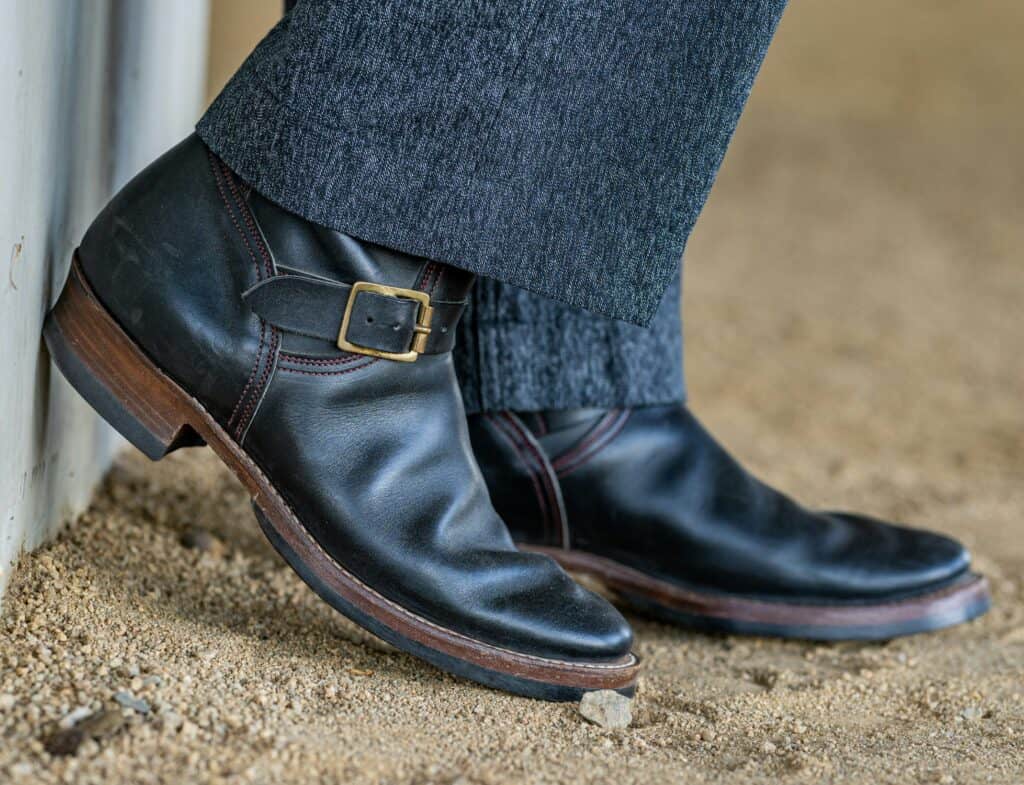
clinch brass tokyo
Brass is the repair shop, and Clinch is their line of boots. Designer Minoru Matsuura started the business after seeing flaws in mass production and decided to build the “perfect” boot. They are famous among collectors for making the best engineer boots, period.
- Features: Hand-lasted and hand-welted. Specifically designed so the leather on the vamp “rolls” rather than creasing sharply. They use a narrow last (CN Last) that is incredibly flat and beautiful.
- Sizing Note: The CN last has a notoriously tight instep. Many wearers need to size up or order custom measurements.
- Price/Cons: Very difficult to source outside of specific retailers. Their flagship horsehide engineer boots usually run around $1,950 to $2,000.
Best For: Engineer boot purists, collectors who want museum-quality craftsmanship, those who appreciate slim Japanese lasts.
3. John Lofgren Bootmaker (The Ethical American-in-Japan)
The Honest Advice: Great quality, classic designs, and peace of mind regarding ethics.
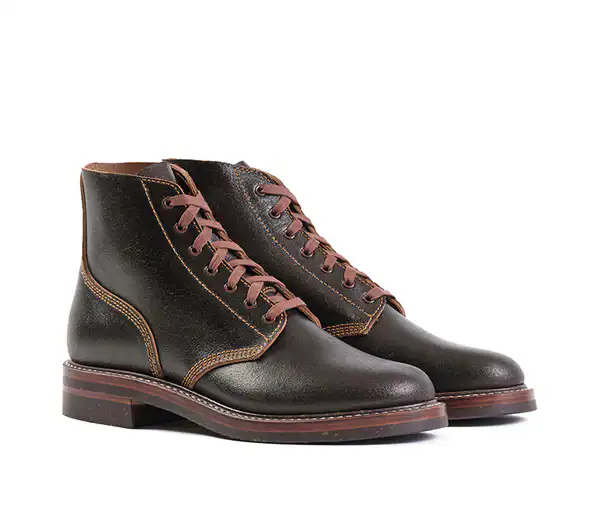
john lofgren bootmaker
The founder, John Lofgren, is an American who moved to Japan to immerse himself in the bootmaking world. He takes quality to the next level by being fanatical about ethical manufacturing and transparency. He ensures his steel shanks are ethically sourced and his Vibram soles are specifically the USA-made versions.
- Features: Famous for using top-tier leathers like Horween Chromexcel and Shinki Horsebutt. Noted for being comfortable right out of the box.
- Construction: Primarily Goodyear welt (not hand-welted), but with exceptional build quality.
- Price: Engineer boots start around $1,050; lace-ups fall in the $700–$800 range.
Best For: Beginners to Japanese boots, those who value ethical sourcing, buyers who want comfort without extensive break-in.
4. Rolling Dub Trio (Tokyo Style)
The Honest Advice: These are the “cool kid” boots—excellent quality and often available at international retailers.
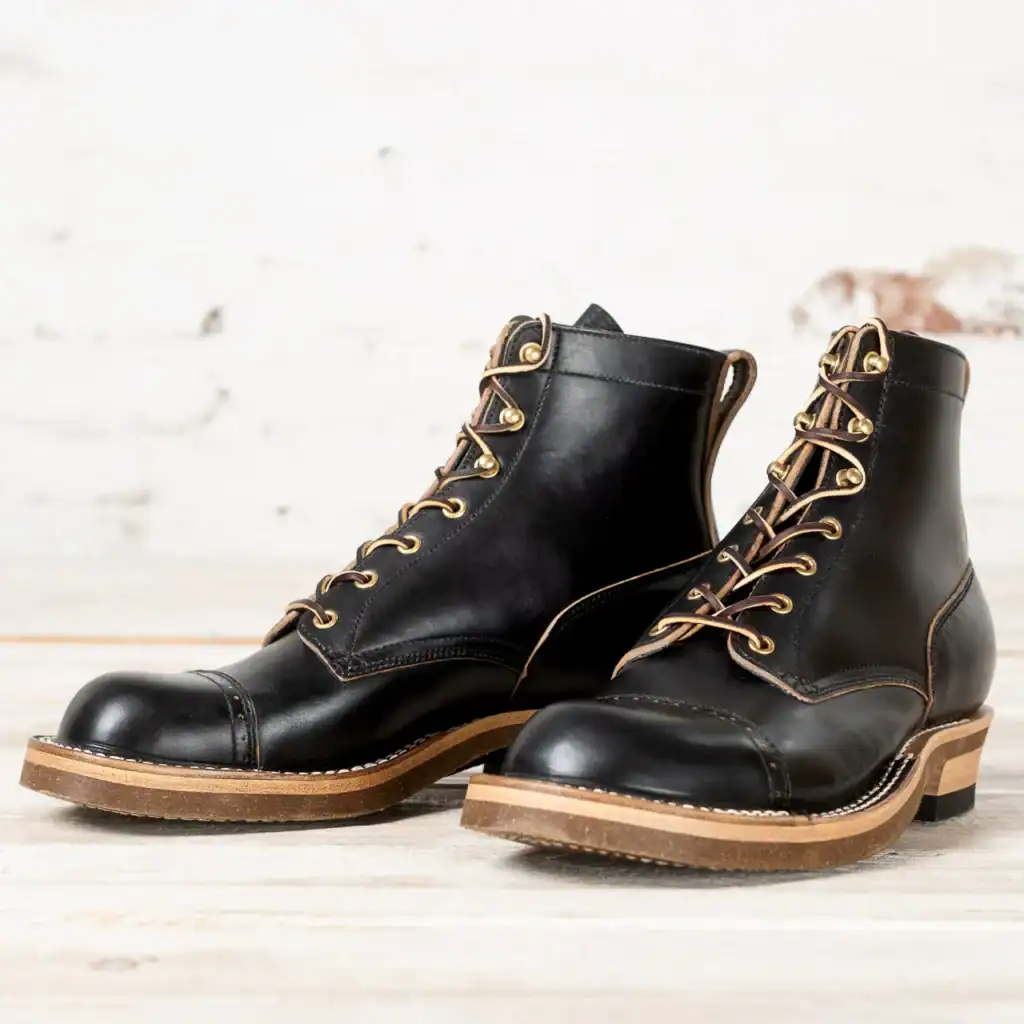
rolling dub trio
Rolling Dub Trio blends Tokyo street style with rugged workwear. They are known for unique designs, often featuring heavy stitchdown construction and their signature cork rubber soles. Flagship models include the Coupen (a low-cut work shoe) and the Casper (a seamless zip-up boot).
- Accessibility: Easier to find outside Japan than Clinch or White Kloud.
- Sizing Tip: They are notorious for running large. Generally size down a full size from your Brannock measurement.
Best For: Style-focused buyers, those who want Japanese quality without extreme sourcing hassles, urban wear.
5. Moto (Best Value for Quality)
The Honest Advice: High quality for the price, but requires effort to buy.
Moto sells so well within Japan that they don’t feel the need to expand internationally. Their value for money is considered very high. They are known for using hand-dyed vegetable-tanned cowhide with a very thin level of dye, causing it to scrape off quickly and develop a unique, mottled patina.
- Price: Around $650 shipped, making them relatively affordable compared to the brands above.
- How to Buy: Use proxy services like ZenMarket or Buyee to purchase from Yahoo Auctions Japan or Japanese retailers.
Best For: Budget-conscious buyers willing to navigate proxy services, those who prioritize patina development.
Where to Start: Choosing by Budget
Overwhelmed by $2,000 boots? Here’s a practical tier system:
Entry Point ($650–$800)
- Moto (best value, requires proxy)
- John Lofgren lace-ups (easiest to source internationally)
Mid-Tier Investment ($900–$1,500)
- Rolling Dub Trio (great style, easier availability)
- John Lofgren Engineer Boots (ethical, comfortable)
Grail-Level ($1,950+)
- Clinch (engineer boot perfection)
- White Kloud (bespoke, requires Tokyo trip)
Practical Tips for Buying Japanese Boots
Because many Japanese makers prioritize craftsmanship over global logistics, buying them can be tricky.
1. Sizing: Learn Your CM (Centimeters)
Japanese boots are notoriously hard to size because most makers use Japanese shoe sizes, which are simply the length of your foot in centimeters (Mondopoint).
The Best Method:
- Put a ruler against a wall
- Stand with your heel touching the wall
- Measure to the longest point of your toes
- That number in centimeters is your Japanese size
Important: Generally, heritage brands run large, but always check specific last advice:
- Clinch CN Last: Tight instep, may need to size up
- Rolling Dub Trio: Size down a full size
- John Lofgren: Generally true to size
- White Kloud: Bespoke fitted (no guesswork)
2. Finding Them: International Stockists vs. Proxy Services
International Stockists (Easiest):
- Standard & Strange (USA) – Carries Clinch, John Lofgren, others
- Clutch Cafe (UK) – Heritage footwear specialist
- Withered Fig (USA) – Japanese workwear focus
- Self Edge (USA) – Premium denim & footwear
Direct from Japan (Requires Proxy Services):
- ZenMarket – User-friendly interface
- Buyee – Official Yahoo Auctions partner
- FromJapan – Good for multiple purchases
How Proxy Services Work: You find an item on a Japanese site (Yahoo Auctions, Rakuten, etc.), give the URL to the proxy service, they purchase it for you, then ship it internationally. Expect 7-14 days and ~$30-60 in shipping.
3. Red Flags: What to Watch Out For
⚠️ Common Scams & Pitfalls
- Fake Shinki Hikaku Leather: eBay is flooded with “genuine Shinki” boots that use cheap substitutes. Always buy from authorized retailers.
- “Bespoke” Isn’t Always Bespoke: Some makers claim bespoke but only offer minor customization. True bespoke (like White Kloud) means a custom last is created for your feet.
- Proxy Service Scams: Stick to established services (ZenMarket, Buyee, FromJapan). Never wire money to individuals on forums.
- Unrealistic Prices: If someone is selling “Clinch boots” for $400, they’re fake. These brands don’t heavily discount.
Jikatabi and Japanese Work Footwear: A Brief Overview
Japanese work footwear isn’t all about heavy, premium leather. There’s a whole category built around flexibility and connection to the ground.
The Traditional Jikatabi (Split-Toe “Ninja Boots”)
Jika-tabi (literally “tabi that touch the ground”) are the traditional split-toe boots with rubber soles used by farmers and construction workers. The split-toe design offers superior grip and balance.

⚠️ The Reality Check: Safety First
Not all Tabi are safe. Cheap imported versions are often “costume footwear.” Testing on lower-end models has shown unreliable steel toes and poor puncture resistance. If you need safety-rated footwear, buy certified modern versions from brands like:
- Marugo (Rikio line) – JIS-certified safety tabi
- ASICS Winjob – Modern safety sneakers with glass fiber toe caps
- MIDORI ANZEN – Industrial footwear pioneer since 1952
Frequently Asked Questions
A: For bespoke enthusiasts, yes. The fit and “homemade thread” level of detail are unique globally. However, if you can’t justify the travel, John Lofgren offers excellent quality with much easier access.
A: Tea core is when black dye wears off to reveal brown leather underneath—a prized aesthetic in Japanese boot culture. It’s intentional aging that creates a unique, vintage look. The effect is most dramatic on high-wear areas like the toe box and vamp creases.
A: It depends on your priorities. Japanese boots offer superior aesthetic aging (tea core, patina), hand-finishing, and often slimmer lasts. Western brands like Red Wing and Viberg prioritize ruggedness and outdoor durability. If you value refined craftsmanship and aesthetic evolution, Japanese boots justify the premium. If you need bombproof work boots, stick with Western heritage brands.
A: John Lofgren or Moto. John Lofgren boots are comfortable out-of-the-box, ethically made, and easier to source through international retailers ($700-$1,050). Moto offers excellent value (~$650) but requires using a proxy service. Avoid Clinch or White Kloud as your first pair—they’re expensive and harder to source.
A: With proper care and resoling, decades. Hand-welted boots (White Kloud, Clinch) can be resoled indefinitely. The tea core leather actually improves with age as it develops patina. Many collectors report 10+ years of daily wear on Goodyear-welted Japanese boots.
A: Only if you buy certified modern safety versions like Marugo Rikio or switch to brands like ASICS Winjob. Cheap costume tabi offer zero protection and have failed safety tests. Never use traditional fabric tabi or imported costume versions for actual work.
A: Minimal intervention is key. Brush off dirt with a horsehair brush. Apply a light coat of neutral leather conditioner (like Bick 4 or Venetian Shoe Cream) every 3-6 months—but not too much, as heavy conditioning can slow the tea core reveal. Avoid edge dressing or black polish, which defeats the purpose of the aging effect.
A: RDT uses lasts designed for the Japanese market, where oversized fits are more common for streetwear. Most buyers report needing to size down a full size from their Brannock measurement. Always check retailer sizing guides or order from shops with free returns.
Wrapping Up: Your Path to Japanese Boot Ownership
Whether you are seeking the functional flexibility of a certified jikatabi or the obsessive perfection of a White Kloud engineer boot, Japanese footwear truly delivers a unique blend of utility and beauty. You’re investing in the labor, the premium leather, and a deep-rooted tradition of uncompromising quality.
The most important takeaways:
- Start by measuring your feet in centimeters (CM)
- Match your budget and sourcing comfort level (proxy services vs. international stockists)
- Understand that break-in can be intense, but the payoff is decades of wear
- Don’t chase trends—buy what speaks to you and fits your lifestyle
Ready to start? If you want accessible quality, explore John Lofgren through Standard & Strange. If you’re budget-conscious and adventurous, dive into Moto via Yahoo Auctions Japan. And if you’re ready for the grail, start planning that Tokyo trip for White Kloud.