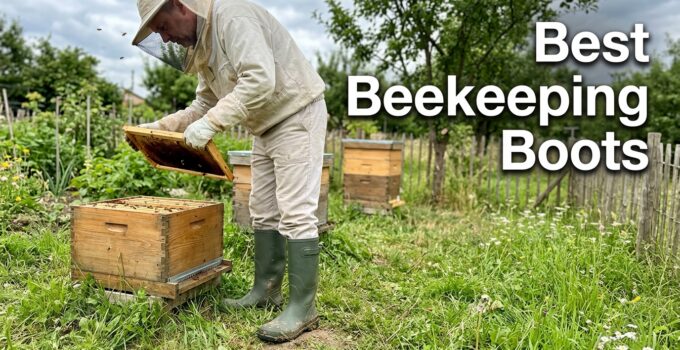
The boot itself isn’t really the thing that keeps you from getting stung. Bees crawl upward, not sideways, and the actual point of failure in most beekeeping footwear isn’t the material or the brand, it’s the gap between the top of your boot and the bottom of your pant leg. Get that seal right and a wide range of boots will work fine. Get it wrong and even the toughest boot on this list won’t help.
This guide covers the mechanism first, then the boots that actually make that seal easy to create, why rubber dominates this category for reasons that have nothing to do with sting resistance directly, and when a general work boot or steel toe makes more sense than a dedicated pair.
What Actually Makes a Boot Bee-Safe
Bees that land on your boot or pant leg instinctively climb upward looking for a way in. The standard defense, tucking your pant leg down over the top of your boot rather than leaving it loose, creates what beekeepers call a shingle effect: a climbing bee follows the fabric up and over the boot top instead of finding a gap to slip through toward your skin.
This means the height and snugness of the boot’s opening matter more than almost anything else on this list. A tall, loose-topped boot can still let bees in if the pant leg isn’t secured over it. A shorter boot with a genuinely snug top, properly sealed, can outperform a taller boot worn carelessly. Boot bands or simply tucking pant legs in tight are both real, practical parts of the system, not just the boot on its own.
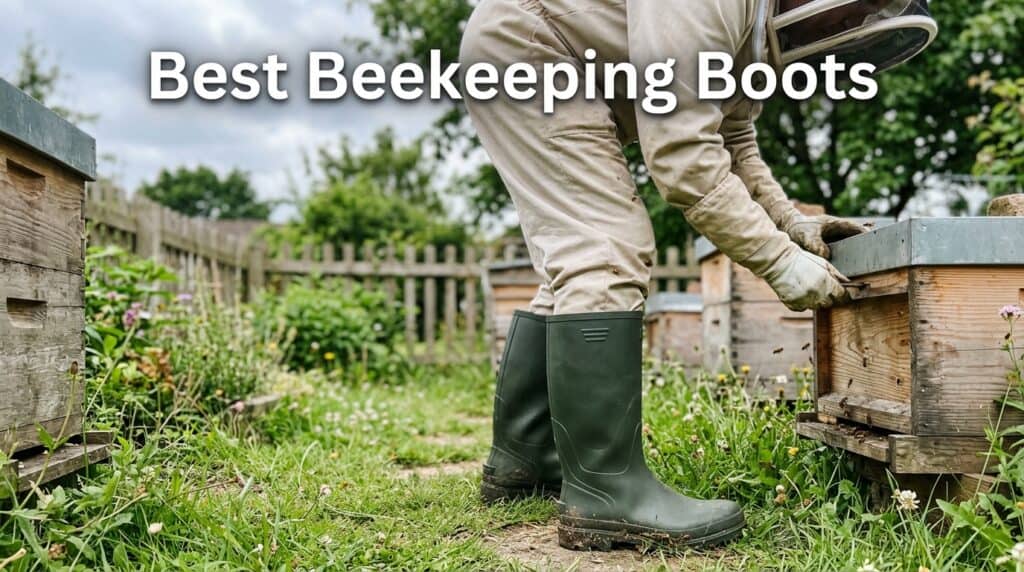
A beekeeper wearing sturdy rubber boots and protective clothing inspecting a hive in a vibrant garden, emphasizing the importance of proper footwear in beekeeping.
Best Rubber and Wellington Boots for Beekeeping
Rubber wins this category for reasons beyond sting protection. Hive inspections get messy, propolis, wax, mud, and rubber construction means you can hose the whole boot off in minutes rather than trying to clean and re-treat leather. Tall rubber boots also make the pant-leg seal easy to create since there’s no lacing or structure to work around at the top.
Best Overall: Muck Boot Chore Classic Tall
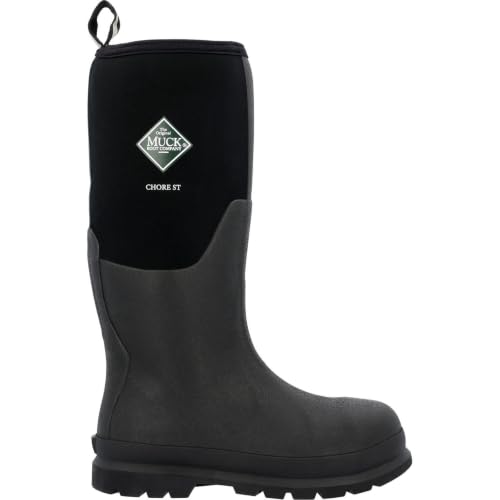
The Chore Classic Tall is the name that comes up most often in beekeeping circles, and it’s earned that reputation honestly: a tall shaft that seals well against a tucked pant leg, genuinely waterproof rubber construction, and a comfortable enough fit for a full day of hive inspections rather than just quick trips to the yard.

If you want a broader comparison of Muck against its closest competitor, our Muck Boots vs Bogs breakdown covers the fuller buying case beyond just the beekeeping use case.
Pros: Tall shaft seals well against a tucked pant leg, genuinely waterproof, comfortable for extended wear.
Cons: Rubber doesn’t breathe, budget for warm-weather discomfort in peak summer inspections.
Buy the Muck Boot Chore Classic Tall on Amazon today with FREE returns
Best Budget-Friendly Option: BOGS Men’s Classic High Boot
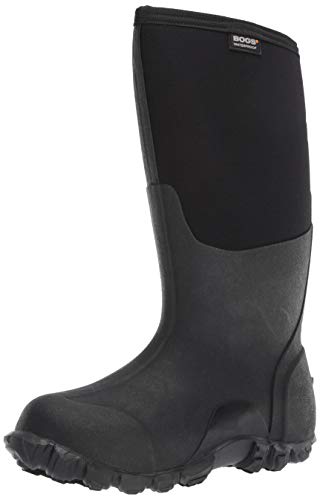
Bogs’ Classic High covers the same core requirements, tall shaft, easy-clean rubber, snug enough top for a proper seal, at a lower price point than the Muck Chore Classic. A solid choice if you’re just getting started and don’t want to commit to a premium price before knowing how often you’ll actually be in the bee yard.

Not the right fit if: you’re doing heavy daily hive work where the more premium Muck construction earns its price difference over a full season.
Pros: Lower price point than premium rubber boots, same core tall-shaft sealing design, easy to clean.
Cons: Less durable over heavy, daily use than premium options.
Buy the BOGS Classic High Boot on Amazon today with FREE returns
Best Seamless Construction: BOGS Classic Seamless Tall
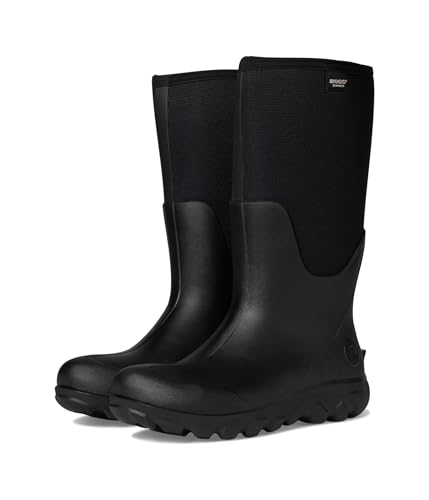
A seamless build means fewer potential weak points for water, or a determined bee, to work through over time. This is the pick if you want the Bogs Classic profile with a more streamlined, single-piece construction.

Not the right fit if: price is the primary factor, the standard Classic High above covers the same core use case for less.
Pros: Seamless construction reduces potential failure points, tall protective shaft.
Cons: Priced above the standard Classic High for a construction difference that matters most over years of hard use.
Buy the BOGS Classic Seamless Tall on Amazon today with FREE returns
Best Lightweight Rubber Option: LaCrosse Alpha Muddy 4.5″ Rubber Boots
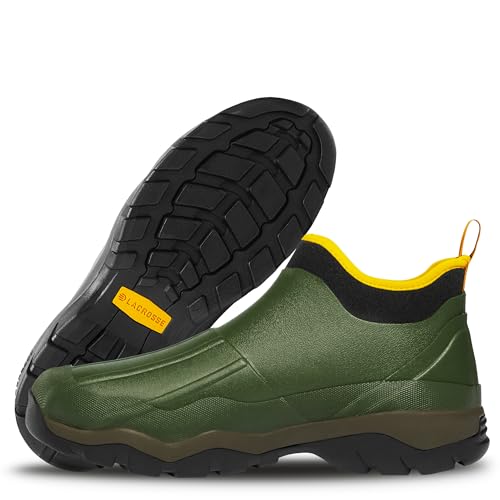
A shorter shaft than the tall boots above, built more for quick yard work and light chores than extended beekeeping sessions. Useful if you want a lighter, easier on-off rubber boot for fast hive checks rather than a full protective setup, provided you’re pairing it with pants that seal well at this lower height.

Not the right fit if: you’re doing extended hive inspections where the shorter shaft makes maintaining a good seal harder. Step up to the 16-inch LaCrosse option below for serious beekeeping use.
Pros: Lightweight, easy on-off, good for quick chore-style trips to the bee yard.
Cons: Shorter shaft height makes sealing against a pant leg less forgiving than a tall boot.
Buy the LaCrosse Alpha Muddy on Amazon today with FREE returns
Best Tall Shaft for Maximum Coverage: LaCrosse Men’s Alpha Lite II 16″ Boot
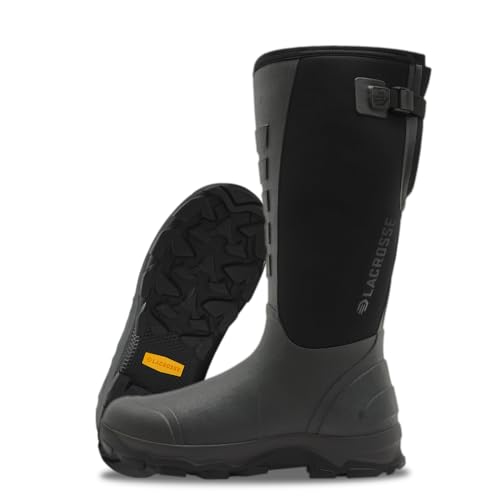
At 16 inches, this is the tallest rubber option on this list, genuinely useful if you want maximum shaft coverage and the most forgiving margin for error when sealing your pant leg over the top. The “Lite” in the name reflects a lighter-weight build than older LaCrosse rubber boots, a real comfort advantage over a long day.

Not the right fit if: you want the lightest, most casual boot for quick trips. The Alpha Muddy above is the better fit for that use case.
Pros: Tallest shaft on this list for maximum coverage, lighter build than traditional rubber boots.
Cons: More boot than needed for quick, casual hive checks.
Buy the LaCrosse Alpha Lite II 16″ on Amazon today with FREE returns
Best for All-Day Standing Comfort: Xtratuf Men’s Legacy Boot
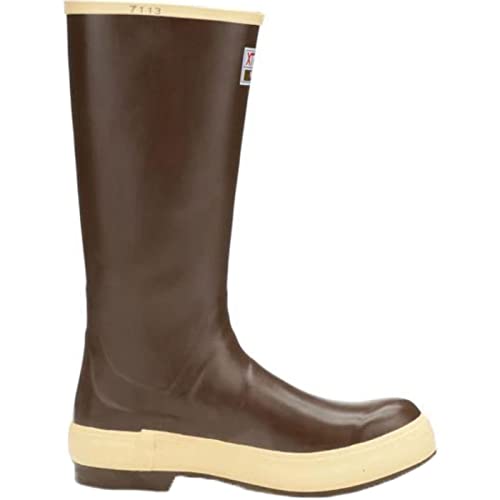
Xtratuf built its reputation on commercial fishing deck boots, which means genuine all-day standing comfort and a grippy, slip-resistant sole, useful if your bee yard involves uneven or wet ground. The tall shaft handles the sealing requirement just as well as the dedicated farm brands above.

Not the right fit if: you specifically want a boot marketed toward farm or beekeeping use. This is a commercial deck boot that happens to fit the requirements just as well.
Pros: Excellent slip resistance, built for genuine all-day standing comfort, tall protective shaft.
Cons: Styling leans toward commercial/marine use rather than farm aesthetics, if that matters to you.
Buy the Xtratuf Legacy Boot on Amazon today with FREE returns
Dunlop Chesapeake Rubber Boots for Men & Women
No products found.A lightweight, budget-friendly rubber boot that covers the core sealing and easy-clean requirements without a premium price tag. We’ve reviewed this boot in full detail separately, our complete Dunlop Chesapeake review covers the fit, comfort, and durability picture in more depth than fits here.
Pros: Lightweight, budget-friendly, unisex sizing available.
Cons: Less premium construction than the Muck or LaCrosse options above.
Buy the Dunlop Chesapeake on Amazon today with FREE returns
Best Budget Pick: Kamik Tundra
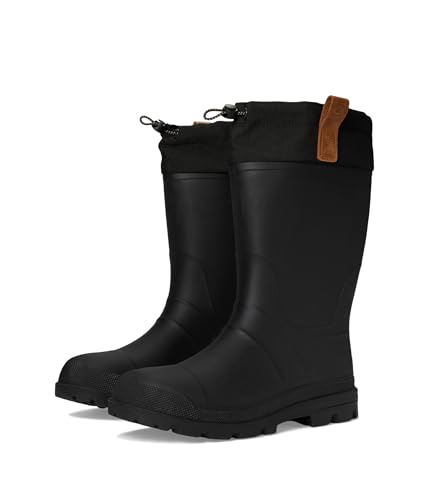
The most affordable tall rubber boot on this list, a reasonable entry point if you’re not yet sure how much beekeeping you’ll be doing and don’t want to commit to a premium boot before finding out.
Not the right fit if: you’re managing hives regularly and need a boot built for repeated, heavy use over a full season.
Pros: Most affordable tall rubber option here, covers the core height and sealing requirements.
Cons: Not built for the same heavy, repeated use as the premium options above.
Buy the Kamik Tundra on Amazon today with FREE returns
Work Boots as an Alternative
If you already do general farm or property work alongside beekeeping, a dedicated pair of rubber boots isn’t always necessary. A tall enough work boot, with no mesh panels and a snug enough top to seal against a tucked pant leg, can cover both jobs.
ARIAT Men’s Workhog XT Coil Wide Square Toe Carbon Toe Work Boot

A genuine work boot with a carbon toe, built for general farm and jobsite use rather than beekeeping specifically. It covers the height and no-mesh requirements well, making it a reasonable dual-purpose choice if you’re already on a farm doing broader work and don’t want a second dedicated pair just for hive days. We’ve covered this boot in full in our complete Ariat WorkHog XT review.
Not the right fit if: beekeeping is your primary use case. A dedicated rubber boot is easier to seal and far easier to clean after hive work specifically.
Pros: Genuine multi-purpose farm work boot, carbon toe protection, no mesh panels.
Cons: Harder to clean than rubber after messy hive inspections, not purpose-built for beekeeping.
Buy the Ariat WorkHog XT on Amazon today with FREE returns
When Steel Toe Makes Sense
Steel toe isn’t a default requirement for hobbyist beekeeping, and most beekeepers on a handful of backyard hives don’t need it. It becomes genuinely relevant for larger operations moving full hive boxes, supers, and heavier equipment, where the impact and crush hazards are real rather than theoretical.
BOGS Men’s Essential Insulated Tall Steel Toe
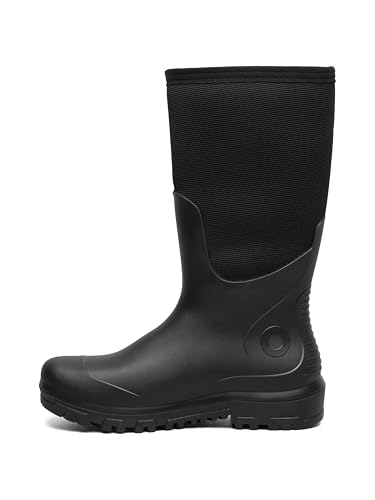
A steel-toe rubber boot for beekeepers who also handle heavier equipment or work in cold conditions where insulation matters. This keeps the same tall, sealable profile as the standard rubber options above while adding certified toe protection.

Not the right fit if: you’re a hobbyist beekeeper without a genuine impact hazard. The added weight and cost of a steel toe isn’t necessary for standard hive inspections.
Pros: Steel toe protection for heavier equipment handling, insulated for cold-weather work, same sealable tall profile as standard rubber boots.
Cons: Heavier than non-steel-toe options, unnecessary for most hobbyist beekeeping.
Buy the BOGS Essential Insulated Tall Steel Toe on Amazon today with FREE returns
MUCK Chore Classic Men’s Steel Toe XF (Wide Calf)
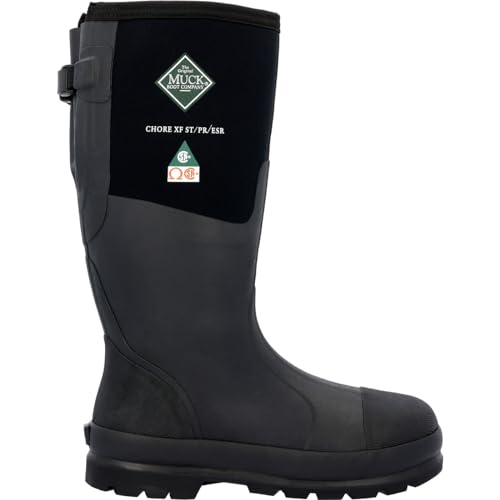
The steel-toe version of the Chore Classic featured as our top overall pick, in a wide-calf fit for buyers who found the standard version too snug at the shaft. Good option for larger-frame beekeepers doing heavier equipment work who still want the Muck Chore’s proven sealing profile.

Not the right fit if: you don’t need the wide-calf fit or steel toe. The standard Chore Classic Tall covers the core beekeeping use case at a lower weight and price.
Pros: Wide-calf fit for larger frames, steel toe protection, same trusted Chore Classic sealing profile.
Cons: Heavier and pricier than the non-steel-toe version, overkill for standard hobbyist hive work.
Buy the MUCK Chore Classic Steel Toe Wide Calf on Amazon today with FREE returns
What to Avoid
- Mesh-paneled hiking or work boots. Great for general outdoor use, genuinely risky in a bee yard, the open weave is a direct entry point regardless of boot height.
- Ventilated or perforated work boots. Same problem as mesh panels, breathability features that let air in let bees in too.
- Loose-topped tall boots worn without tucking. Height alone doesn’t protect you. A tall boot with a gap at the top is functionally the same as a short boot for sting protection purposes.
- Boots that don’t clean easily. Not a safety issue, but a real practical one, hive inspections are messy, and a boot that’s a hassle to clean is a boot you’ll be tempted to skip wearing properly.
Buying Guide
Fit Matters More Than Style
The single most important fit factor is a snug enough top to hold a tucked pant leg in place without gapping as you move and bend during hive work. For general guidance on getting rubber boot sizing right, our rubber boot fit guide covers the broader sizing question in more depth.
Easy-Clean Material Is a Real Feature, Not a Convenience
Propolis, wax, and mud build up fast during hive inspections. Rubber’s ability to be hosed clean in minutes isn’t just about tidiness, it’s about actually being willing to wear and maintain your protective gear properly rather than avoiding a boot that’s a hassle to clean.
The Breathability Trade-Off
Rubber doesn’t breathe, which is a genuine downside in hot climates and peak summer inspections. There’s no way around this trade-off without introducing mesh or ventilation, which defeats the sting-protection purpose. Moisture-wicking socks and scheduling inspections for cooler parts of the day are the practical workarounds, not a different boot material.
Frequently Asked Questions
Do you need special boots for beekeeping, or will any tall boot work?
Any sufficiently tall boot with a snug top can work, provided you tuck your pant leg over it to create a seal. What matters is the sealing setup, not a specific brand or beekeeping-marketed product. Rubber boots are simply the easiest to seal and clean, which is why they dominate this category.
Are rubber boots better than leather for beekeeping?
For beekeeping specifically, yes, mainly for practical reasons rather than sting protection alone. Rubber cleans easily after messy hive inspections and typically offers a more consistent seal at the top than a laced leather boot. A tall, non-mesh leather work boot can still work if it’s already what you own and it fits snugly enough to seal.
Do beekeepers need steel toe boots?
Not by default. Most hobbyist beekeepers working a handful of hives don’t face a genuine impact hazard. Steel toe becomes relevant for larger operations handling heavy equipment, full hive boxes, and supers regularly.
How do you keep bees from crawling into your boots?
Tuck your pant legs down over the top of your boots rather than leaving them loose, creating a shingle effect that directs climbing bees up and over the boot rather than into a gap. Boot bands can reinforce this seal further. The boot’s height and snugness support this, but the tucking itself is what actually prevents entry.
Bottom Line
The seal matters more than the specific boot. Tuck your pant legs, pick a tall enough boot with a snug top, and rubber will make your life easier for cleaning and comfort even though it’s not strictly required. For most beekeepers, the Muck Boot Chore Classic Tall is the safest starting point. If you’re managing hives alongside heavier farm work, the BOGS Steel Toe or MUCK Chore Classic Steel Toe cover both jobs at once. And if you already own a tall, non-mesh work boot like the Ariat WorkHog XT, you likely don’t need a dedicated pair at all.