Cold toes, slippery sidewalks, soaked socks, and blisters on snowy trails can turn winter into a miserable season. The right pair of women’s winter boots changes everything: warm feet, solid grip on ice, and all‑day comfort whether walking the dog, commuting, or hiking snowy trails.
This in‑depth guide focuses on performance winter boots available on Amazon. The picks below lean toward premium quality with one excellent budget choice, covering everything from extreme cold and deep snow to lightweight winter hiking and icy city sidewalks. Use the quick picks and comparison table to narrow things down, then dive into the detailed reviews and buyer’s guide to match a boot to your climate, activity level, and budget.
Whether winter means -30°C windchill and deep snowbanks or slushy streets and icy pavements, there is a boot here that will keep feet warmer, drier, and safer all season long.
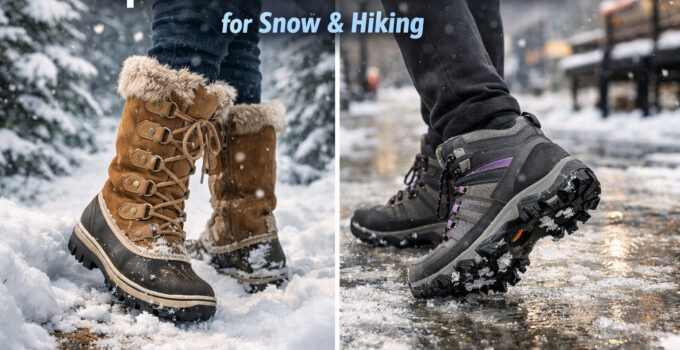
women’s winter boots for snow & hiking
Quick Picks – Best Women’s Winter Boots at a Glance
Need fast answers? These are the best women’s winter boots on Amazon right now, each with a clear role so it is easy to pick the right one for specific winter conditions.
- Sorel Joan of Arctic – Best Overall for Snow & Everyday Wear
Stylish tall boot with serious warmth and waterproofing for city streets, errands, and light winter hikes. - Sorel Caribou – Best for Extreme Cold & Deep Snow
Heavy-duty pac boot with a thick felt liner that shines in brutal temperatures, snowstorms, and deep drifts. - Oboz Bridger Insulated (7″/9″ B‑DRY) – Best Dedicated Winter Hiking Boot
Supportive, trail‑focused winter boot with excellent traction and comfort for full‑day hikes in snow. - Salomon Crosstrak Powder Waterproof – Best Lightweight & Agile Winter Hiker
Nimble, hiking‑shoe‑style winter boot that stays light on the feet while still protecting from snow and slush. - Keen Revel IV Polar – Best for Wide Feet & Icy Conditions
Roomy toe box and a grippy winter outsole make this a top pick for wide feet and slippery winter sidewalks. - Baffin Chloe – Warmest Boot for Extreme Climates
Ultra‑insulated boot with a multi‑layer liner designed for frigid climates and long hours in deep cold. - Columbia Ice Maiden II – Best Budget Pick Under $100
Lightweight, waterproof budget boot that delivers solid warmth and comfort for everyday winter wear without breaking the bank.
Comparison Table – Women’s Winter Boots Side by Side
Use this comparison table to quickly see how the top winter boots stack up in terms of warmth, price, traction, and fit. Always double‑check exact specs (weight, shaft height, insulation) on Amazon before buying, as they can vary slightly by size and model year.
| Model | Best For | Waterproofing | Amazon Link |
|---|---|---|---|
| Sorel Joan of Arctic | Snow & everyday wear | Waterproof suede + rubber shell | Check current price on Amazon |
| Sorel Caribou | Extreme cold & deep snow | Waterproof nubuck + rubber shell | Check current price on Amazon |
| Oboz Bridger Insulated (7″/9″) | Dedicated winter hiking | B‑DRY waterproof membrane | Check current price on Amazon |
| Salomon Crosstrak Powder WP | Lightweight winter hiking | Waterproof/breathable membrane | Check current price on Amazon |
| Keen Revel IV Polar | Wide feet & icy conditions | KEEN.DRY waterproof membrane | Check current price on Amazon |
| Baffin Chloe | Warmest for extreme climates | Waterproof base + weather‑resistant upper | Check current price on Amazon |
| Columbia Ice Maiden II | Budget everyday winter boot | Waterproof seam‑sealed construction | Check current price on Amazon |
How to Choose the Best Women’s Winter Boots for Snow & Hiking
how to choose the best women’s winter boots for snow & hiking
Before diving into the detailed boot reviews, it helps to understand which features actually matter in real winter conditions. Warmth, waterproofing, traction, and fit determine how comfortable and safe feet feel in snow, slush, and ice.
Warmth & Insulation in Women’s Winter Boots
Winter boots use a mix of insulation types to trap heat and keep feet warm. Many hiking‑style boots rely on synthetic insulation in the 200g–400g class, which is light, dries quickly, and works well for active use. Heavier pac boots use thick felt liners that can be removed to dry and are ideal for standing or walking slowly in very cold temperatures.
It is important to match insulation level to climate and activity. A thick liner that is perfect for -25°C and low activity can feel sweaty and uncomfortable on a fast-paced hike in milder temperatures. For daily walking and moderate cold, moderate synthetic insulation is often more comfortable than an ultra‑warm liner.
Waterproofing & Weather Protection in Winter Boots
Winter is often a mix of snow, slush, rain, and freeze–thaw cycles, so waterproofing is critical. Good winter boots combine waterproof uppers (leather or synthetic) with seam sealing and, in many cases, a breathable membrane that blocks water while allowing moisture from sweat to escape.
Look for clear language like “waterproof” and “seam‑sealed” rather than just “water‑resistant.” A waterproof rubber lower shell, as seen on classic pac boots, provides excellent protection when walking through slush and puddles. Taller shafts also help keep snow out when stepping through deeper drifts or snowbanks.
Grip & Traction on Snow and Ice
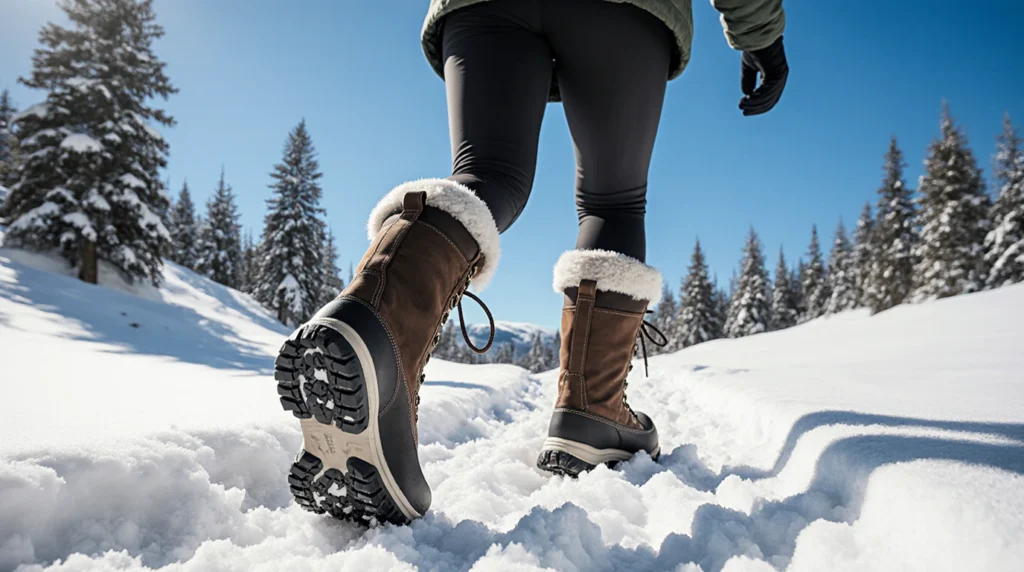
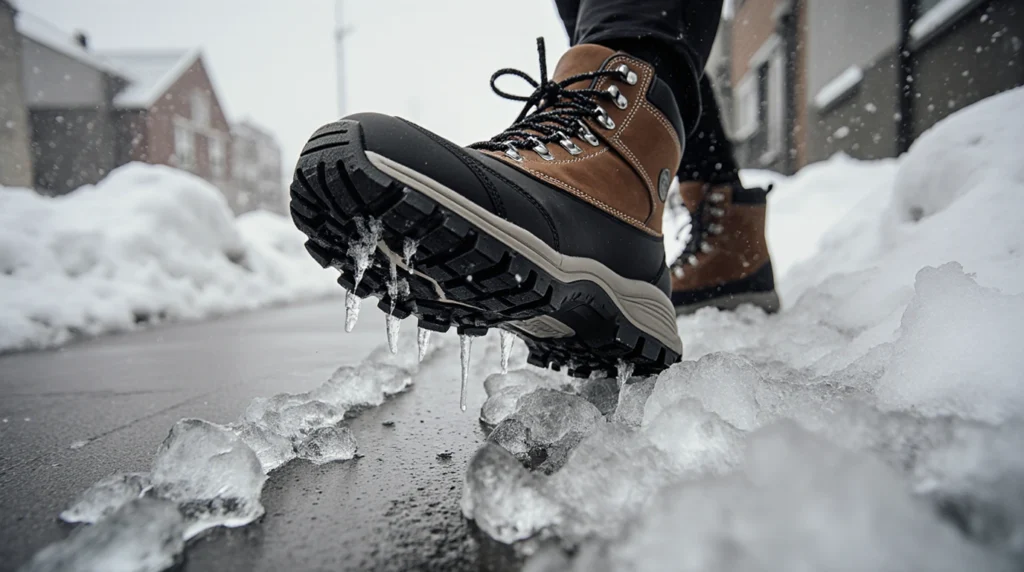
A warm boot with poor grip is still dangerous on icy sidewalks and packed snow. Outsole rubber compounds and lug patterns make a big difference. Winter‑specific rubbers stay softer in the cold and bite better on ice and snow, while aggressive lugs dig into soft snow and loose surfaces.
Some models, like the Keen Revel IV Polar, are known for their reliable traction on icy and hard‑packed winter surfaces, making them a strong option if sidewalks are often slick. On pure glare ice, even the best soles can benefit from added traction devices such as microspikes or ice cleats, especially on hills and inclines.
Fit, Comfort & Support in Women’s Winter Boots
The right fit keeps feet warm, supported, and blister‑free. Winter boots should leave a bit more room in the toe box than summer shoes to allow for thicker socks and normal foot swelling. Too little space restricts circulation and actually makes feet feel colder, even in well‑insulated boots.
For hiking, pay attention to ankle support and how the boot locks the heel in place. Technical winter hikers such as those from Oboz or Salomon feel closer to a hiking boot, with supportive midsoles and secure lacing, reducing fatigue on longer days. Casual, fashion‑forward boots may sacrifice some support in exchange for a softer, more relaxed feel.
Weight, Flexibility & Intended Use
Boot weight and flexibility should match how the boots are used. Heavy pac boots with thick liners excel at standing around in deep cold, shoveling, or short walks at very low temperatures. They trade agility and energy efficiency for maximum insulation and protection.
Lighter winter hikers prioritize movement and comfort over huge insulation levels. For active hiking, snowshoeing, or longer walks, a lighter boot with good support and moderate insulation is usually more comfortable than a heavy, super‑warm boot.
Style vs Performance in Women’s Winter Boots
For many women, winter boots must work with jeans or leggings in the city as well as perform in real snow. Some boots, like the Sorel Joan of Arctic, combine a stylish upper and faux‑fur collar with serious waterproofing and insulation, creating a good balance between looks and function.
If most time is spent walking city streets and commuting, a stylish winter boot with real performance features can cover both needs. If conditions are very harsh or winter hikes are frequent, performance should take priority over fashion details, especially in deep snow or extreme cold.
Budget & Longevity in Women’s Winter Boots
Premium winter boots often cost more upfront but can be worn comfortably for many seasons when properly maintained. High‑quality leathers, durable stitching, and replaceable liners can extend the usable life of a boot and improve long‑term value.
Budget models like the Columbia Ice Maiden II offer impressive performance for the price but usually use lighter materials and less insulation. They are excellent for milder climates, shorter winters, or buyers who do not want to invest heavily. Regular cleaning and waterproofing helps any boot last longer, premium or budget.
The 7 Best Women’s Winter Boots
The boots below cover a wide range of winter conditions and priorities. From extreme cold and deep snow to lightweight hiking and budget‑friendly everyday wear, there is a clear “best for” role for each model. Choose based on climate, how active winter days are, and how much support and style are needed.
Sorel Joan of Arctic – Best Overall for Snow & Everyday Wear

The Sorel Joan of Arctic is a classic women’s winter boot that blends real winter performance with a stylish, city‑friendly look. A tall shaft, removable felt liner, and waterproof suede and rubber construction make it a strong choice for snowy sidewalks, slushy commutes, and casual winter adventures.
Warmth is one of its biggest strengths. The removable felt liner traps heat effectively, while the tall shaft helps keep snow and cold air out. The rubber lower portion creates a barrier against slush and puddles, and the outsole provides dependable grip on typical winter surfaces. For walking on packed snow, errands, and moderate cold, it offers a reassuring level of protection.
Fit is slightly on the roomy side, which works well with thick winter socks. Many wearers appreciate the comfortable feel once broken in, although the boot is noticeably heavier than a hiking‑style winter boot. For long technical hikes it can feel overbuilt, but for a single do‑everything winter boot that looks good and performs well, it is hard to beat.
Best for: Women who want one stylish boot that can handle daily winter wear, snow, and slush while still being warm and protective.
Sorel Caribou – Best for Extreme Cold & Deep Snow

The Sorel Caribou is a heavy‑duty pac boot built for serious winter weather. It is designed around a thick, removable felt liner and a rugged waterproof shell, making it a go‑to choice for conditions where the temperature drops far below freezing and snow piles up quickly.
Warmth is where the Caribou truly stands out. The substantial liner, combined with a rubber lower and waterproof upper, helps keep feet warm even during long spells outside in frigid temperatures. This makes it an ideal boot for snow shoveling, working outdoors, standing at winter events, or walking through deep snowbanks.
The trade‑off is weight and bulk. The Caribou is not suited to fast‑paced, technical hiking, as it feels large and heavy compared with dedicated winter hikers. Fit is generally roomy, especially in the toe box, making it comfortable with thick socks. For users who prioritize maximum warmth and protection over agility, the Caribou is a winter workhorse.
Best for: Extreme cold, deep snow, and slower‑paced winter activities where maximum warmth and protection are more important than low weight.
Oboz Bridger Insulated (7″/9″ B‑DRY) – Best Dedicated Winter Hiking Boot

The Oboz Bridger Insulated is a purpose‑built winter hiking boot that feels much closer to a classic trail shoe than a pac boot. It combines a supportive midsole, a secure lacing system, and a waterproof B‑DRY membrane with a layer of synthetic insulation that keeps feet warm while moving in cold conditions.
On the trail, this boot stands out for its stability and traction. The outsole uses an aggressive lug pattern that grips well on packed snow, soft snow, and mixed winter terrain. The ankle support helps on uneven surfaces and reduces fatigue on longer hikes or snowshoe trips. Insulation is tuned for active use, offering warmth without feeling overwhelmingly hot when moving.
The fit leans toward a performance profile: secure around the midfoot and heel, with enough room for a winter sock but not as spacious as a wide‑fit boot. This locked‑in feel is excellent for hiking but may not appeal to those who prefer a loose, casual fit. For anyone who spends serious time on winter trails, the Bridger Insulated is a strong, well‑rounded choice.
Best for: Winter hikers and snowshoers who want support, traction, and all‑day comfort on snowy and mixed terrain.
Salomon Crosstrak Powder Waterproof – Best Lightweight & Agile Winter Hiker

The Salomon Crosstrak Powder Waterproof is built for those who want a winter boot that feels light and agile. It borrows heavily from the brand’s hiking shoe heritage, offering a snug, athletic fit with a flexible sole that moves naturally on the trail. A waterproof/breathable membrane and light insulation keep feet dry and reasonably warm in cold conditions.
The main advantage of this boot is how it feels underfoot. It is significantly lighter than big pac‑style boots, which makes a noticeable difference on longer hikes and faster outings. The outsole is designed to grip well on packed snow, dirt, and mixed winter terrain, putting it in a sweet spot for shoulder season hikes and moderate cold.
Because the insulation and shaft height are more modest, this boot is less suited to deep snow or standing still for long periods in very low temperatures. For active hiking or walking in cold but not extreme conditions, however, the combination of low weight and solid traction is very attractive.
Best for: Active hikers and walkers who prioritize light weight and agility over maximum insulation and height.
Keen Revel IV Polar – Best for Wide Feet & Icy Conditions

The Keen Revel IV Polar targets a common problem: finding a winter boot that fits wider feet comfortably while still performing well in slippery conditions. It uses Keen’s characteristic roomy toe box, a layer of KEEN.WARM synthetic insulation, and a KEEN.DRY waterproof membrane to create a warm, comfortable, and protective package.
Traction is a key selling point. The outsole uses a winter‑oriented rubber compound and a lug pattern that grips well on packed snow and icy patches, providing more confidence on slick sidewalks and trails. While no rubber sole completely replaces dedicated ice cleats, this boot does a better job than many standard winter models in tricky conditions.
The wider fit stands out for users whose toes feel cramped in typical hiking boots. The Revel IV Polar offers space without losing too much heel hold, and it works well with thicker winter socks. It may feel a bit bulky for those with narrow feet, but for wide‑footed users, the comfort and traction combination is hard to beat.
Best for: Wide‑footed wearers who frequently deal with icy sidewalks and want a comfortable, grippy winter boot for everyday use and hiking.
Baffin Chloe – Warmest Boot for Extreme Climates
The Baffin Chloe is designed for serious cold, where long winter nights and deep snow are the norm. Its multi‑layer inner boot system combines foam and felt to create a warm, cushioned environment that keeps feet comfortable in harsh conditions where lighter boots would struggle.
Warmth is exceptional. The thick inner boot traps heat effectively, while the rugged outer shell and mid‑tall shaft keep snow, slush, and wind at bay. This makes the Chloe a strong option for low‑intensity activities in extreme cold, such as standing at outdoor events, commuting in frigid climates, or walking through snow for extended periods.
The downside is weight and bulk. The Chloe is not a nimble hiker and will feel over the top for mild climates or shorter winters. Fit is generally true to size with room for a winter sock, and once broken in, the boot feels cozy and secure. For environments where winter is long, dark, and bitterly cold, it is a strong ally.
Best for: Extremely cold climates and users who need maximum warmth for long periods outdoors in deep winter conditions.
Columbia Ice Maiden II – Best Budget Pick Under $100
The Columbia Ice Maiden II delivers a lot of value for its price, making it an excellent budget winter boot for everyday use. It combines a waterproof, seam‑sealed construction with synthetic insulation and a soft lining to provide reliable warmth and dryness for typical winter conditions.
This boot is noticeably lighter than many premium options, which helps reduce fatigue during daily wear and commutes. It handles snow and slush well, and the traction is solid for most winter surfaces, though it is not as aggressive as some higher‑end models on ice. For many users in moderate climates, it offers all the protection needed for walking, errands, and occasional light hikes.
Because it is a budget‑oriented boot, materials and insulation levels are not as robust as premium models. That said, for the price, the performance is impressive, and it is a smart choice for anyone who wants a capable winter boot without spending too much.
Best for: Budget‑conscious buyers in mild to moderately cold climates who need a reliable, comfortable winter boot for everyday use.
How to Make Sure Your Women’s Winter Boots Fit Perfectly
women’s winter boots
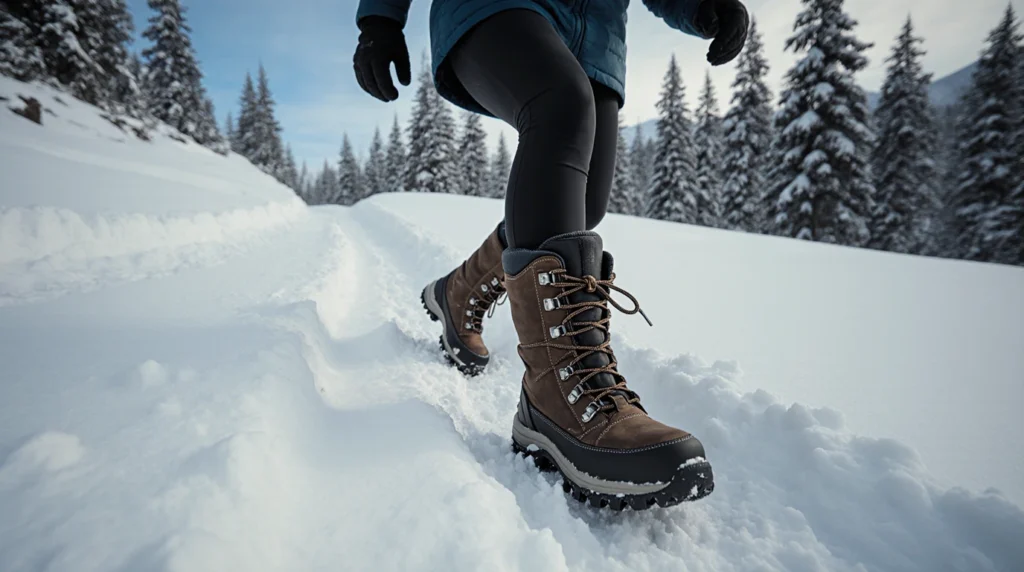
Even the warmest and most advanced winter boots will feel cold and uncomfortable if they do not fit properly. Paying attention to sizing, sock choice, and common trouble spots helps ensure that new boots feel comfortable from the first serious snowfall.
Sizing Winter Boots with Socks and Swelling in Mind
Winter boots should be tried on with the socks that will actually be worn in cold weather. Thicker socks take up extra space inside the boot, and toes need room to move freely. A bit of wiggle room is essential because it allows blood to circulate and prevents cold spots.
Feet naturally swell during the day and after long walks. Trying boots on later in the day or after a walk provides a more realistic sense of fit. If sizing falls between two options, many users prefer going up half a size in heavily insulated boots, especially in very cold climates.
Common Fit Problems & Simple Fixes
Heel slip is a frequent issue that can cause blisters on the back of the foot. Adjusting the lacing pattern, using thicker socks, or adding a small insole or heel grip can often solve this without changing sizes. Ensuring the ankle area is snug while leaving the forefoot relaxed helps lock the heel in place.
Pinched toes or pressure points at the sides of the forefoot are signs that the boot is too narrow or the size is too small. In these cases, wider‑fit models like those from Keen are often more comfortable. For arch pain or general foot fatigue, swapping the stock insole for a higher‑quality insert with better arch support can make a big difference.
Care, Maintenance & Longevity of Women’s Winter Boots
Proper care keeps winter boots performing well for more seasons. Simple habits around cleaning, waterproofing, and storage extend the life of both premium and budget models and help them stay warmer and more comfortable over time.
Cleaning Off Snow, Slush & Road Salt
Snow and road salt can damage materials over time if left on boots. After walks in slushy or salty conditions, it helps to gently brush off dried salt and dirt, then wipe the uppers with a damp cloth. Let boots dry at room temperature; placing them right next to a heater or stove can damage adhesives and leather.
Removable liners should be taken out occasionally to dry fully, especially in very cold climates where condensation and sweat can accumulate. Fully dried liners feel warmer and more comfortable on the next use.
Re‑Waterproofing & Conditioning
Over time, water can stop beading on the surface of boots, especially leather models. That is a sign that it is time to reapply a waterproofing spray or wax suitable for the material. Follow the manufacturer’s recommendations and always test products on a small area first.
Conditioning leather prevents it from drying out and cracking, which is especially important in very cold, dry climates. For textile uppers, a simple cleaning and reproofing spray is usually enough to maintain water resistance.
Off‑Season Storage
When winter ends, boots should be cleaned and fully dried before storage. Stuffing them lightly with paper or using boot shapers helps them keep their shape. Store them in a cool, dry place away from direct sunlight and extreme heat, and avoid compressing them under heavy objects.
Removing liners and insoles for storage allows any hidden moisture to evaporate and reduces the chance of odors or mildew forming over the warmer months.
Frequently Asked Questions About Women’s Winter Boots
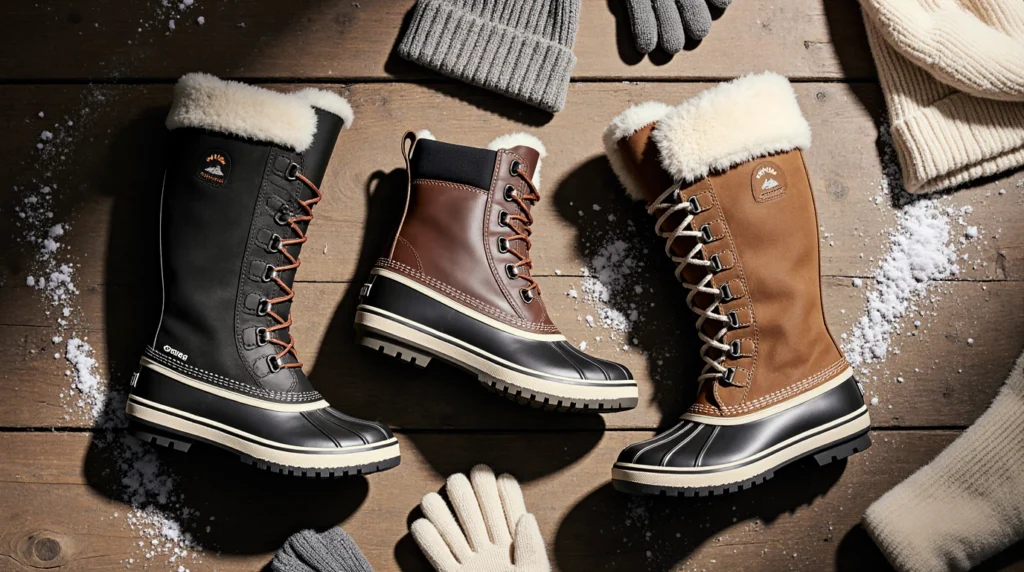
best women’s winter boots for snow & hiking
What temperature rating should I look for in women’s winter boots?
Temperature ratings are rough guidelines rather than guarantees because everyone’s circulation and activity level are different. For typical winter walking and errands, many people are comfortable in boots rated to around -15°C to -25°C when paired with good socks. For very harsh climates or long periods of standing still outdoors, a more heavily insulated boot or pac boot is recommended.
Are winter hiking boots different from regular hiking boots?
Yes. Winter hiking boots add insulation and winter‑specific features to the basic hiking boot design. They often have warmer linings, winter‑ready rubber that stays grippy in the cold, and uppers designed to keep out snow and slush. Regular hiking boots may not stay warm enough or provide adequate traction once temperatures drop and surfaces become icy.
What’s the difference between pac boots and winter hiking boots?
Pac boots prioritize warmth above all else, typically using thick removable felt liners and tall, protective shells. They are ideal for deep snow, standing in extreme cold, or slow‑paced activities but are heavy and less agile. Winter hiking boots use lighter insulation, more supportive midsoles, and aggressive outsoles, making them better for longer walks and hikes where comfort and efficiency matter.
Can I wear winter boots for snowshoeing?
Many winter hiking boots work very well with snowshoes as long as they have sufficient ankle support and a stable, compatible shape for the snowshoe bindings. Boots with moderate insulation, good traction, and a supportive fit are ideal. Very bulky pac boots can be used but may feel heavy and less efficient on longer snowshoe trips.
Can I wear winter hiking boots in wet city conditions?
Yes. Waterproof winter hiking boots handle wet city conditions, slush, and puddles very well. They tend to be lighter and more flexible than pac boots, so they are comfortable for running errands and commuting. Just keep in mind that some hiking styles look more technical, while others blend in better with everyday outfits.
How do I maintain traction on ice if my boots aren’t specialized?
Even boots with decent winter soles can struggle on glare ice. For the best grip, consider adding removable traction devices like microspikes, ice cleats, or studded attachments that fit over the boots. These accessories dramatically improve safety on icy sidewalks and steep, frozen paths and can be taken off when returning indoors.
How long should a good pair of women’s winter boots last?
With regular cleaning, occasional waterproofing, and proper storage, a quality pair of winter boots can last several seasons of regular use. The outsole and upper materials typically wear first; once soles are badly worn or the waterproofing has deteriorated beyond repair, it is time to replace them. Budget boots may wear out sooner, while premium models, especially those with replaceable liners, often last longer with good care.
Final Thoughts – Choosing the Right Women’s Winter Boots for Your Winter
Choosing the right winter boot starts with climate, then moves to activity level, fit, and budget. In extremely cold places with deep snow, heavily insulated pac boots such as the Sorel Caribou or Baffin Chloe provide the warmth and protection needed. For serious winter hiking and snowshoeing, a dedicated hiker like the Oboz Bridger or lightweight Salomon Crosstrak offers better support and efficiency.
Those with wide feet and icy sidewalks to navigate will appreciate the roomy fit and strong traction of the Keen Revel IV Polar. If style and everyday versatility are priorities, the Sorel Joan of Arctic balances looks and performance. For shoppers watching their budget, the Columbia Ice Maiden II delivers impressive value for typical winter use.
Once priorities are clear, the final step is simple: choose the boot that best matches winter conditions and usage, then check the current price on Amazon to find the right size and color combination. Warm, dry, and confident feet make every winter day more enjoyable.