
If you're searching for hiking boots for bunions in January, you're not alone, and you're probably not imagining that it feels like a new problem. Search interest in this exact topic spikes every year around New Year's resolutions, when new hikers hit the trail and immediately rediscover a pain their regular shoes had been quietly managing. The good news: hiking boot brands have gotten genuinely better at this, in two different ways that most "just buy wide" advice doesn't distinguish between.
We've covered bunion-friendly footwear before in our Best Work Boots for Bunions guide and our follow-up Work Boots for Bunions 2026 roundup, but hiking terrain and hiking footwear construction raise different questions than a jobsite boot does. This guide covers 10 hiking-specific options split into the two real approaches to bunion relief, so you can pick the one that actually matches your foot.
Quick Picks: Best Hiking Boots for Bunions 2026
| Best For | Model |
|---|---|
| Best anatomical fit | Altra Lone Peak 9 WP Mid |
| Best true zero-drop | Xero Scrambler Trail Mid WP |
| Best wide-width all-rounder | KEEN Targhee 4 Mid Wide |
| Best budget wide | Merrell Moab 3 Mid Wide |
| Best cushioned wide | HOKA Anacapa 2 Mid GTX Wide |
Anatomical Fit vs. Wide Width: Which Actually Helps Your Bunion
There are two genuinely different engineering approaches to a bunion-friendly hiking boot, and they're not the same thing wearing different labels.
Anatomical, zero-drop lasts (Altra, Topo, Xero) are built on a foot-shaped last from the ground up. The toe box is shaped like an actual human foot, wide at the toes and tapering toward the heel, which lets your toes spread naturally with every step instead of being pushed together by a tapered shoe shape. Zero-drop means the heel and forefoot sit at the same height, which changes your gait slightly but removes the forward pressure that a raised heel can push into the front of the foot, and onto a bunion, with every step downhill.
Wide-width versions of standard boots (KEEN, Merrell, Oboz, HOKA, Salomon) keep the boot's normal tapered toe shape but scale the whole forefoot wider. This adds room without changing where the pressure points sit, it's a real improvement for many bunions, but it's a different mechanism than an anatomical last, and for some bunion shapes it helps less.
Neither approach is universally better. A mild bunion often does fine with a simple wide-width boot. A more pronounced bunion, or one where the toe itself has started to angle inward, often benefits more from an anatomical last that actually changes the toe box shape rather than just its width. If you've tried a wide boot before and still had pressure at the bunion joint specifically, rather than general tightness, that's a signal to try the anatomical camp instead.
Quick Comparison: All 10 Options
| Model | Approach | Best For |
|---|---|---|
| Altra Lone Peak 9 (low-top) | Anatomical | Day hikes, trying the anatomical approach first |
| Altra Lone Peak 9 WP Mid | Anatomical | Waterproof anatomical fit with ankle coverage |
| Topo Athletic Trailventure 2 WP | Anatomical | More structure than Altra, still roomy toe box |
| Xero Scrambler Trail Mid WP | Anatomical, true zero-drop | Widest toe box, most minimalist feel |
| KEEN Targhee 4 Mid Wide | Wide-width | All-around wide-width standard, roomy from the factory |
| Merrell Moab 3 Mid Wide | Wide-width | Budget-friendly wide option |
| Oboz Bridger Mid Wide | Wide-width | Durability-focused wide option |
| HOKA Anacapa 2 Mid GTX Wide | Wide-width | Maximum cushioning to reduce impact pressure |
| KEEN Circadia Mid Wide | Wide-width | Everyday do-it-all wide hiker |
| Salomon X Ultra 4 Wide GTX | Wide-width | Athletic-feel wide option |
Anatomical & Zero-Drop
1. Best Anatomical Fit: Altra Lone Peak 9 WP Mid

The Lone Peak's foot-shaped toe box is the reference point for the entire anatomical category, and it's the single most popular hiking shoe among long-distance hikers for exactly the reason that matters for bunions: toes are allowed to spread naturally rather than being pushed into a tapered point. The WP Mid version adds a waterproof membrane and a taller cuff without abandoning that core platform.

Because it's zero-drop, first-time wearers should expect a genuine adjustment period, this isn't a drop-in replacement for a traditional hiking boot, and jumping straight into long miles without easing in can aggravate calves and Achilles tendons even as it helps your bunion.
Specs
Toe box: Foot-shaped, anatomical | Drop: Zero | Waterproof: Yes
Height: Mid | Best for: Trying the anatomical approach with ankle coverage and waterproofing
Skip this boot if: you've never worn zero-drop footwear. Ease into it with shorter hikes before committing to a long trip.
2. Reference Pick: Altra Lone Peak 9 (Low-Top)
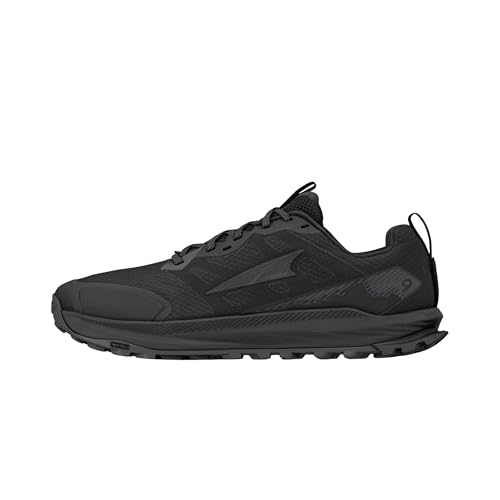
The standard low-top Lone Peak is the most accessible entry point into the anatomical camp, lighter and less expensive than the Mid version, and a reasonable first test of whether zero-drop and a foot-shaped toe box actually help your specific bunion before committing to a taller, pricier boot.

Non-waterproof mesh means faster drying after stream crossings or rain, a genuine advantage for day hikes where you're not worried about all-day submersion.
Specs
Toe box: Foot-shaped, anatomical | Drop: Zero | Waterproof: No, quick-drying mesh
Best for: Day hikes, testing whether the anatomical approach works for your bunion
Skip this pick if: you need waterproofing or ankle coverage. Choose the WP Mid above instead.
3. Best with More Structure: Topo Athletic Trailventure 2 WP

Topo built its "signature roomy toe box" around the same anatomical philosophy as Altra, but the Trailventure adds more structure underfoot: a full-length ESS rock plate, an external TPU heel counter, and a Vibram Megagrip outsole, aimed at hikers who want anatomical toe room without giving up trail-boot durability.
This is currently a best-seller in Topo's hiking lineup, and the eVent waterproof bootie construction is a genuine step up in breathability compared to some competing waterproof membranes.
Specs
Toe box: Anatomical, roomy | Drop: 5mm, low-drop rather than zero | Waterproof: Yes, eVent
Best for: Anatomical fit with more trail-boot structure than Altra or Xero
Skip this boot if: you specifically want zero-drop. This is low-drop, a smaller heel-to-toe difference than a traditional boot, but not flat.
4. Best True Zero-Drop: Xero Scrambler Trail Mid WP
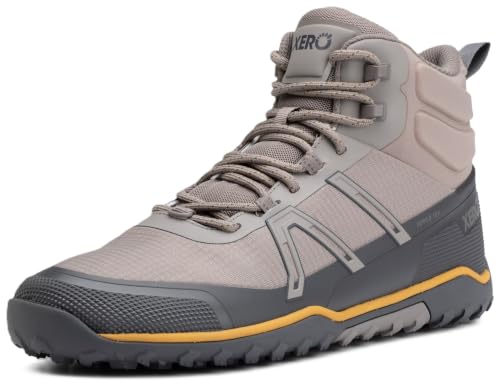
Xero takes the anatomical approach furthest of any option on this list, a genuinely wide, foot-shaped toe box paired with a thin, flexible sole that lets the foot bend and move as naturally as possible. For bunions specifically, this combination of maximum toe splay and minimal structure is the most aggressive version of the anatomical philosophy available in a real hiking boot.

The waterproof XeroTex membrane and gusseted tongue keep this genuinely trail-capable rather than a barefoot shoe with a boot shape, but the minimal sole means less protection from sharp rocks than a traditional hiking boot, worth knowing if your trails are rocky.
Specs
Toe box: Widest anatomical option here | Drop: True zero | Waterproof: Yes, XeroTex
Best for: Maximum toe splay, minimalist barefoot-style feel
Skip this boot if: you hike on sharp, rocky terrain regularly. The thin sole offers less underfoot protection than the other options here.
Wide-Width Standard Boots
5. Best All-Rounder: KEEN Targhee 4 Mid Wide

KEEN's signature toe box is already roomier than most brands' standard width, and the wide version pushes that further, a genuine two-layer advantage over a typical wide-width boot that just widens an otherwise narrow last.

The Targhee 4 keeps the reliable waterproofing and traction the line is known for, making this a strong choice for hikers who want a wide boot without stepping outside the traditional hiking-boot category into anatomical or zero-drop territory.
Specs
Toe box: KEEN roomy fit, plus wide sizing | Waterproof: Yes | Best for: Traditional boot feel with genuine extra room
Skip this boot if: you have narrow feet or want the widest possible toe splay. Consider the anatomical picks above instead.
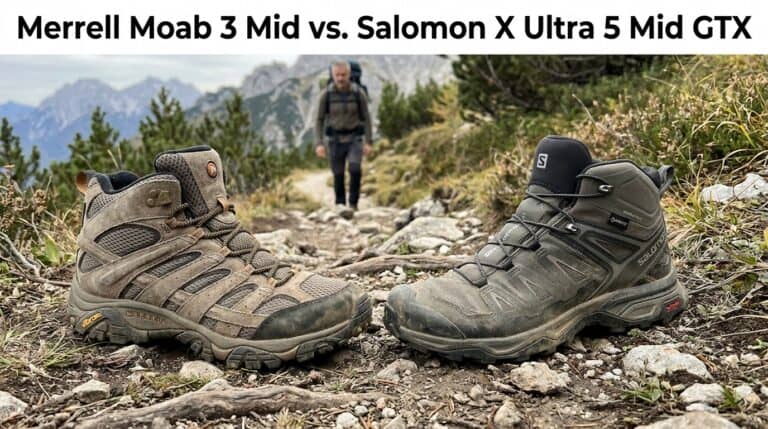
6. Best Budget: Merrell Moab 3 Mid Wide

The Moab 3 is one of the most widely worn hiking boots in the world, and the wide version extends that accessibility to bunion sufferers without a significant price jump over the standard width.

It won't match the KEEN Targhee's naturally roomier base shape, but for hikers who've found the standard Moab 3 comfortable except for pressure at the bunion, the wide version is a straightforward, low-cost fix.
Specs
Toe box: Standard shape, wide sizing | Waterproof: Available | Best for: Budget-conscious hikers who want a proven, familiar boot in wide
Skip this boot if: you've already tried a standard-width Moab 3 and had bunion pressure beyond general tightness. The anatomical camp may serve you better.
7. Best Durability: Oboz Bridger Mid Wide
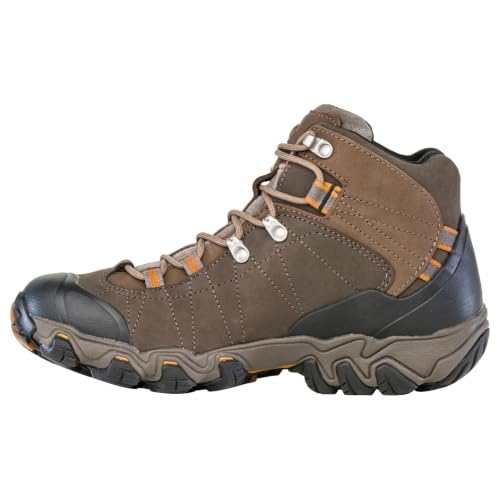
The Bridger brings genuine long-term durability to the wide-width camp, real structure and a supportive O FIT insole rather than just a roomier upper, aimed at hikers who want their wide boot to hold up over years of trail use.

The B-DRY waterproofing performs well without the added cost of licensed Gore-Tex, keeping this a reasonable value pick despite its more premium construction.
Specs
Toe box: Standard shape, wide sizing | Waterproof: Yes, B-DRY | Best for: Long-term durability in a wide-width boot
Skip this boot if: you want the lightest possible wide option. This prioritizes durability over minimal weight.
8. Best Cushioning: HOKA Anacapa 2 Mid GTX Wide

HOKA's maximalist cushioning philosophy adds a genuine benefit for bunions specifically: more midsole foam between your foot and the ground reduces the impact pressure that travels through the forefoot with every step, on top of the wide-width room already built into this version.

The stable, wide base and Vibram Megagrip outsole keep this from feeling unstable despite the tall stack height, a legitimate concern with heavily cushioned shoes that HOKA's design addresses directly.
Specs
Toe box: Standard shape, wide sizing | Cushioning: Maximalist, sugarcane EVA midsole | Waterproof: Yes, Gore-Tex
Best for: Reducing impact pressure through extra cushioning
Skip this boot if: you prefer a low-profile, ground-feel ride. The tall stack height is the opposite approach from the Xero Scrambler above.
9. Best Everyday: KEEN Circadia Mid Wide

KEEN calls the Circadia a "daily driver," and the wide version leans into that positioning, an everyday hiker built on KEEN's traditionally wider footwear form, with LuftCore cushioning and a contoured heel lock that keeps the foot secure even with the extra forefoot room.
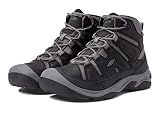
The Achilles notch in the collar is a small but genuine comfort detail, worth mentioning since heel and ankle rubbing often gets overlooked in bunion-focused buying guides that only talk about the forefoot.
Specs
Toe box: KEEN roomy fit, plus wide sizing | Waterproof: Yes, KEEN.DRY | Best for: Everyday hiking with all-day comfort
Skip this boot if: you want maximum cushioning specifically. Choose the HOKA Anacapa above for that.
10. Best Athletic Feel: Salomon X Ultra 4 Wide GTX

For hikers who want a wide-width option that feels closer to an athletic shoe than a traditional boot, the X Ultra 4 Wide brings Salomon's low-profile support chassis and trail-runner-influenced agility to a genuinely widened fit.

Descent Control Technology helps on technical downhills, exactly the terrain where forward pressure into the toe box is highest and bunion pain tends to flare.
Specs
Toe box: Standard shape, wide sizing | Waterproof: Yes, Gore-Tex | Best for: Athletic feel, technical descents
Skip this boot if: you want maximum toe-box room. This is a moderate wide, not as roomy as the KEEN options above.
Fit, Materials, and Break-In for Bunions on the Trail
The same fit principles from our work boot bunion guides apply here, adapted for the trail. Look for a rounded or anatomical toe shape over a tapered one, and prioritize a boot with a removable insole if you use custom orthotics. Try boots on with the actual hiking socks you'll wear, thicker than everyday socks, and walk on an incline if the store has one, since bunion pressure often shows up going downhill before it does on flat ground.
Trail-specific concerns worth adding to that list: feet swell more on long hikes than during a normal workday, especially in heat, so a boot that fits perfectly at the trailhead can feel tight by mile eight. Sizing up half a size, or choosing a genuinely roomy option like the KEEN or anatomical picks above, gives room for that swelling. Break-in matters more for the wide-width standard boots than the anatomical options, a stiff leather upper needs time to soften around a bunion, while the softer mesh and synthetic uppers common in the anatomical camp need much less adjustment.
Looking for the best boot in every category? See our best hiking boots guide.
Frequently Asked Questions
Do zero-drop shoes help bunions?
For many people, yes, though not universally. The foot-shaped toe box common in zero-drop shoes lets toes spread naturally rather than being pushed together, which reduces pressure directly at the bunion joint. The zero heel-to-toe drop also reduces forward pressure into the toe box on descents. First-time wearers need a gradual transition period regardless of bunion benefits.
What's the difference between wide and anatomical toe boxes?
A wide-width boot keeps the same tapered toe shape as the standard version, just scaled up in overall width. An anatomical toe box is shaped differently from the ground up, wide at the toes and tapering toward the heel, following the actual shape of a human foot rather than a traditional pointed shoe last.
Should I size up for bunions?
Often, yes, particularly if you're choosing a standard-width boot rather than a true wide or anatomical option. Sizing up gives extra room at the bunion joint, but check that the heel doesn't become loose as a result, a boot that's too long can cause blisters even while relieving forefoot pressure.
Can I use my own orthotics in these boots?
Most of the boots on this list have removable factory insoles, which makes swapping in a custom orthotic straightforward. Check the specific model's insole before buying if a custom orthotic is part of your setup, since swapping insoles can slightly change the overall fit and volume.
Final Verdict: The Right Approach for Your Bunion
Situation → Best Pick
Trying the anatomical approach for the first time: Altra Lone Peak 9 (low-top)
Waterproof anatomical fit with ankle coverage: Altra Lone Peak 9 WP Mid
Maximum toe splay, most severe bunions: Xero Scrambler Trail Mid WP
Traditional boot feel, genuine extra room: KEEN Targhee 4 Mid Wide
Budget-friendly wide option: Merrell Moab 3 Mid Wide
Reducing impact pressure through cushioning: HOKA Anacapa 2 Mid GTX Wide
Long-term durability in a wide boot: Oboz Bridger Mid Wide
If you've only ever tried "wide" boots and still get bunion pain, the anatomical camp is genuinely worth testing before assuming hiking just has to hurt. And if you've never tried zero-drop footwear, start with a shorter hike in the low-top Lone Peak before committing to a longer trip in anything from that category, the transition is real, but for a lot of bunion sufferers, it's worth it.