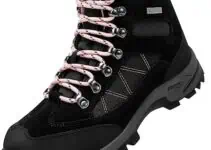
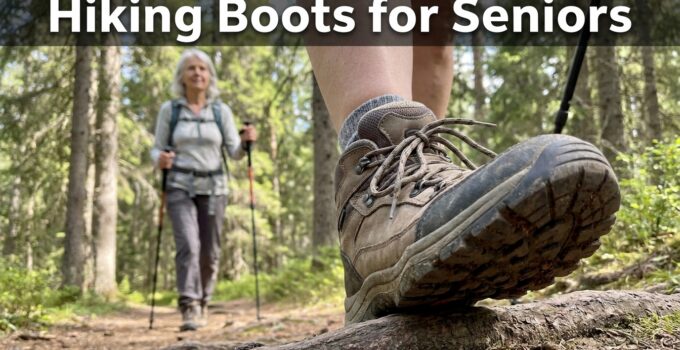
This guide isn’t about “special needs” footwear. It’s about the practical shifts that actually matter once balance, joint mobility, and a full day on the trail start asking more of a boot than they used to. A lot of the people hiking hardest later in life aren’t slowing down, they’re doing multi-day treks, dawn patrols, and weekly group hikes that would tire out someone half their age. Their gear just needs to actually work with how their feet and balance have changed, not against it.
Three things come up again and again once you talk to older hikers about what actually matters: getting the boot on without a fight, staying steady on ground that isn’t flat and predictable, and cushioning that reduces impact without sacrificing the ground feel your balance depends on. This guide covers all three, with real, verified picks for each. For the equivalent picture on the jobsite rather than the trail, see our Best Work Boots for Seniors guide.
Quick Picks: Best Hiking Boots for Seniors 2026
| Best For | Model |
|---|---|
| Easiest entry (Men’s) | HOKA Anacapa 2 Freedom |
| Easiest entry (Women’s) | HOKA Women’s Anacapa 2 Freedom |
| Durable all-rounder (Men’s) | Oboz Bridger Mid B-DRY |
| Low-profile stability | KEEN Targhee 4 Mid Wide |
| Most budget-friendly | Columbia Newton Ridge II |
Why Ground Feel Matters More as You Age
Proprioception, your body’s built-in sense of where your feet are in space without looking down, naturally declines with age. It’s a normal part of how the nervous system changes over time, not a diagnosis, but the practical effect is real: a stumble on a root or a rock is more likely to happen, and more likely to matter, when that sensory feedback loop is running a little slower than it used to.
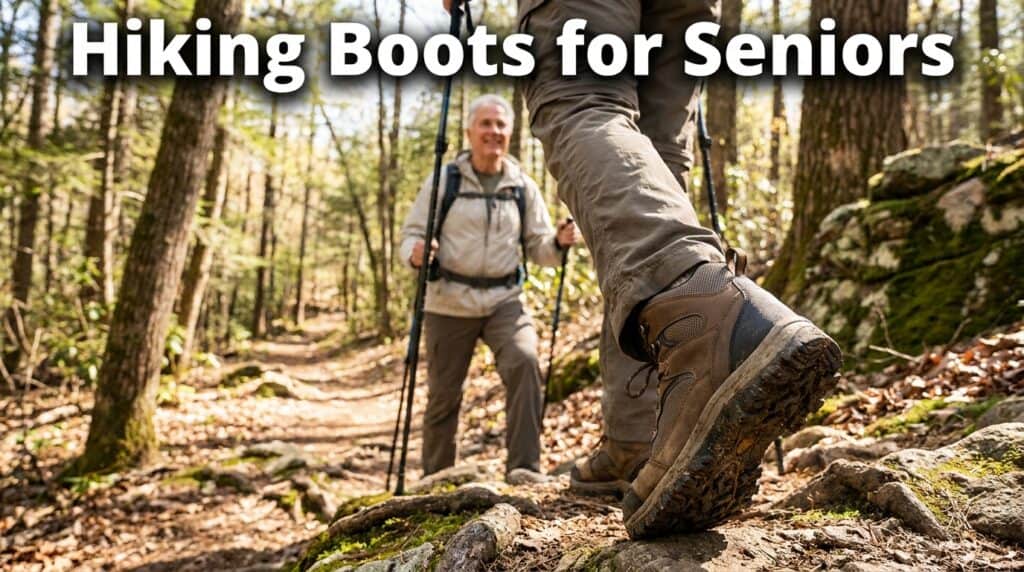
This is exactly why a lower-profile boot with real ground contact often serves older hikers better than a tall, bulky one that lifts the foot further from the trail surface. Less material between your foot and the ground means more of that sensory information actually reaches you. It’s the same reason a barefoot walk on grass feels more stable to most people than the same walk in thick winter boots, distance from the ground reduces the feedback your balance system relies on. Several boots in this guide, especially the HOKA Anacapa 2 Freedom’s low-profile cushion bed, are built specifically around keeping that ground contact close.
hiker stepping on forest trail 20260910141937
Rocker Soles and an Easier Gait
A rocker sole curves upward at the toe and sometimes the heel, which changes how your foot rolls through each step. Instead of needing to actively lift your toes and push off with your ankle at the end of a stride, the curved sole does part of that work for you, encouraging a smoother forward roll rather than a flat-footed shuffle.
The practical benefit compounds over a long hike: less muscular effort per step means less fatigue by mile six, and a smoother gait reduces the catch-your-toe stumbles that become more consequential with age. HOKA’s entire hiking lineup, including the Anacapa 2 Freedom in this guide, is built around this rocker geometry, it’s the same design philosophy that made the brand’s running shoes popular before HOKA expanded into hiking.
Easy Entry: Solutions for Arthritic Hands
Bending down to work a boot’s laces one-handed, or fighting a stiff eyelet with hands that don’t grip the way they used to, is a genuine daily friction point that has nothing to do with a hiker’s actual fitness or capability. It’s a fine-motor and flexibility issue, not an endurance one, and it deserves a real fix rather than just “toughing it out” every morning before a hike.
The HOKA Anacapa 2 Freedom’s flexing heel counter is a genuinely different approach to this problem: a specially engineered heel that bends open and springs back into shape, so the boot goes on like a slip-on shoe without any fine motor demand at all, while an integrated tongue keeps the fit secure once you’re in. Large pull tabs, like the ones on the Merrell Moab 3 in this guide, solve a related but different problem, they give something substantial to grip when a boot does require some pulling to seat properly.
Stability on Trail vs. Flat Ground
A wide, stable base underfoot matters more on a trail than it does on a warehouse floor, because trail surfaces are inherently unpredictable, roots, loose rock, camber, and mud all show up without warning. A wider platform gives your foot more surface area to distribute weight across when the ground beneath you isn’t level, directly reducing the chance of a roll or a slip.
KEEN’s hiking boots, including the Targhee 4 in this guide, are built on a notably wider platform than most competing brands, the same design philosophy behind the KEEN Utility Cincinnati we recommend in our Work Boots for Seniors guide, just adapted for trail terrain instead of a jobsite floor. Combined with a low-profile build, that width gives real stability without adding bulk.
Trekking Pole Compatibility
Trekking poles are one of the single most effective tools for reducing fall risk and knee strain on trail, and they work best when your boots don’t fight against them. A lower-profile boot with genuine ground feel lets you place poles and feel trail texture through your feet at the same time, rather than one sense fighting the other. If you’re new to trekking poles, pair them with any boot in this guide, poles and footwear work together, not as substitutes for each other, and using both is more effective than either alone for the balance and joint-strain benefits older hikers are usually looking for.
Cushioning Tech: EVA vs. PU Midsoles
Most boots on this list use EVA foam, which is lighter and delivers immediate, plush cushioning right out of the box, ideal for day hikers who want comfort without extra weight. PU (polyurethane) midsoles are heavier but resist compressing over hundreds of miles better than EVA does, making them the better choice for anyone doing regular multi-day trips or carrying a loaded pack regularly. For most senior day hikers, EVA’s lighter weight and immediate comfort make it the more practical choice, the fatigue savings from less weight per step usually outweigh PU’s longer-term durability advantage unless you’re genuinely putting in backpacking-level mileage.
Quick Comparison: All 8 Options
| Model | Entry | Best For |
|---|---|---|
| HOKA Anacapa 2 Freedom (Men’s) | Slip-on | Arthritic hands, easiest entry |
| HOKA Women’s Anacapa 2 Freedom | Slip-on | Women’s easiest entry |
| Oboz Bridger Mid B-DRY (Men’s) | Lace-up | Durable all-rounder, longer trips |
| Oboz Women’s Bridger Mid B-DRY | Lace-up | Women’s durable all-rounder |
| KEEN Targhee 4 Mid Wide | Lace-up | Low-profile stability, wide base |
| KEEN Circadia Mid Wide | Lace-up | Everyday cushioned stability |
| Merrell Moab 3 Mid | Lace-up, large pull tabs | Classic, accessible fit |
| Columbia Newton Ridge II | Lace-up | Most budget-friendly |
1. Best Easiest Entry (Men’s): HOKA Anacapa 2 Freedom

The Anacapa 2 Freedom’s specially engineered heel flexes open and springs back into shape, working with an integrated tongue to let you step straight in with zero lacing and zero bending. It’s the clearest solution on this list to the arthritic-hands entry problem, no fine motor demand at all.

It also carries the American Podiatric Medical Association’s Seal of Acceptance, awarded after review by a panel of APMA podiatrists, a genuine third-party credential rather than marketing language. The low-profile cushion bed and rocker geometry directly support the ground-feel and gait benefits covered above.
Specs
Entry: Slip-on, flexing heel | Certification: APMA Seal of Acceptance | Outsole: Vibram Megagrip
Best for: Arthritic hands, day hikes, easiest possible entry
Skip this boot if: you need a fully adjustable, precise lace-up fit. The slip-on design trades some fit customization for entry ease.
2. Best Easiest Entry (Women’s): HOKA Women’s Anacapa 2 Freedom
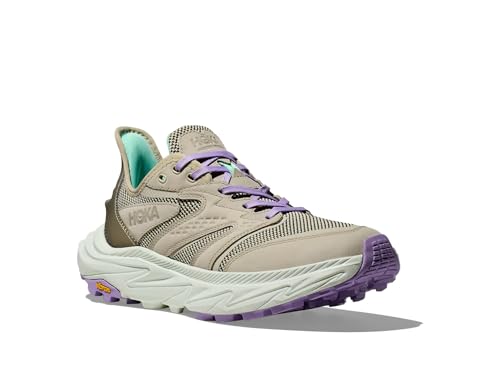
The women’s version carries the same flexing heel and integrated tongue as the men’s Anacapa 2 Freedom, built on a genuine women’s last rather than a scaled-down men’s pattern, with the same APMA-recognized construction and low-profile cushioning.

The sustainable materials, recycled polyester mesh and a soy-based sockliner, are a genuine bonus feature rather than the main selling point, the easy entry and stable, ground-hugging ride are what earn this its spot here.
Specs
Entry: Slip-on, flexing heel | Last: Women’s-specific | Certification: APMA Seal of Acceptance
Best for: Women wanting the easiest possible entry with genuine stability
Skip this boot if: you need a fully adjustable lace-up fit or maximum weather protection for wet conditions.
3. Best Durable All-Rounder (Men’s): Oboz Bridger Mid B-DRY
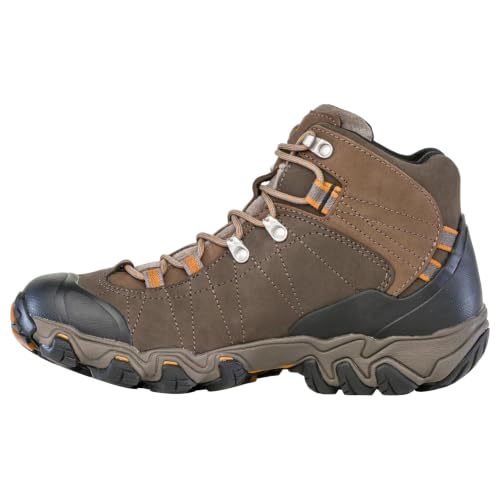
The Bridger is built for hikers who want genuine long-term durability rather than the lightest possible option, real structure and a supportive O FIT insole for anyone doing regular longer hikes or occasional overnight trips rather than short walks.

Oboz’s B-DRY waterproofing performs well without the added cost of licensed Gore-Tex, and the brand plants a tree for every pair sold, a detail plenty of longtime hikers appreciate.
Specs
Entry: Standard lace-up | Waterproof: Yes, B-DRY | Insole: O FIT
Best for: Regular longer hikes, occasional overnight trips
Skip this boot if: lacing is a genuine daily obstacle for you. The HOKA Anacapa 2 Freedom above solves that specifically.
4. Best Durable All-Rounder (Women’s): Oboz Women’s Bridger Mid B-DRY

Built on Oboz’s genuine women’s-specific last, the women’s Bridger carries the same B-DRY waterproofing and O FIT insole comfort as the men’s version, with the proper heel and instep fit a real women’s last provides.

A boot that shifts at the heel undermines stability regardless of how good its other features are, so the correct last here does real work alongside the durability and cushioning.
Specs
Entry: Standard lace-up | Last: Women’s-specific | Waterproof: Yes, B-DRY
Best for: Women doing regular longer hikes who want genuine durability
Skip this boot if: easy entry matters more to you than durability. Consider the HOKA option above.
5. Best Low-Profile Stability: KEEN Targhee 4 Mid Wide

KEEN’s naturally wider platform gives a genuinely more stable base underfoot than most competing boots, and the wide sizing here pushes that further, a real advantage on uneven trail surfaces where footing isn’t predictable.

The low-profile build keeps your foot closer to the ground than a bulkier boot, directly supporting the ground-feel and proprioception benefits covered earlier in this guide.
Specs
Entry: Standard lace-up | Toe box: KEEN roomy fit, plus wide sizing | Waterproof: Yes
Best for: Wide, stable base on uneven trail surfaces
Skip this boot if: you have narrow feet or want the easiest possible entry. Consider the HOKA Anacapa 2 Freedom instead.
6. Best Everyday Cushioned Stability: KEEN Circadia Mid Wide
KEEN built the Circadia as an everyday “daily driver” hiker, and the wide version combines that accessible positioning with KEEN’s stable, wider platform and LuftCore cushioning for genuine all-day comfort.
The contoured heel lock keeps the foot secure even with the extra forefoot room, and a small but genuine comfort detail, an Achilles notch in the collar, reduces the heel and ankle rubbing that general buying guides often overlook.
Specs
Entry: Standard lace-up | Cushioning: LuftCore | Waterproof: Yes, KEEN.DRY
Best for: Everyday hiking with all-day comfort
Skip this boot if: you want maximum durability for backpacking-level mileage. The Oboz Bridger above is the more rugged option.
7. Best Classic Accessible Fit: Merrell Moab 3 Mid

The Moab 3 is one of the most widely worn hiking boots in the world, and for good reason: a familiar, accessible fit with large pull tabs that give something substantial to grip during entry, a real help for anyone whose hands don’t have the grip strength they used to.

It’s a genuinely middle-of-the-road choice, not the lightest, not the most cushioned, not the most stable, but a reliable, well-proven boot that a huge number of hikers already know and trust.
Specs
Entry: Lace-up with large pull tabs | Waterproof: Available | Best for: A familiar, proven, accessible fit
Skip this boot if: you specifically need the easiest possible entry or maximum stability. Other picks on this list specialize in those areas.
8. Best Budget-Friendly: Columbia Newton Ridge II

The Newton Ridge II is the most accessible price point on this list without cutting genuine waterproofing or trail-worthy traction, a reasonable entry point for anyone hiking casually or unsure how much boot they actually need.
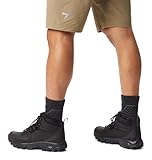
It’s a straightforward, no-frills lace-up boot, it won’t match the specialized entry, stability, or cushioning features of the picks above, but it covers the basics reliably at a genuinely low cost.
Specs
Entry: Standard lace-up | Waterproof: Yes | Best for: Budget-conscious casual hikers
Skip this boot if: entry ease or maximum stability are your priority. This is a solid generalist, not a specialist.
A Note on Specific Foot Conditions
This guide covers general, widely applicable considerations, ground feel, entry ease, stability, and cushioning. It isn’t medical guidance, and it can’t account for a specific diagnosed condition affecting circulation, sensation, balance, or joint function. If you have a condition like that, or a history of falls that concerns you, the right move is talking with a podiatrist or physical therapist who can assess your specific situation and recommend details a general buying guide simply can’t provide.
Frequently Asked Questions
Do seniors need different hiking boots than younger hikers?
Not fundamentally different, but priorities often shift. Ground feel, easy entry, and a wide stable base tend to matter more over time, while the core need for genuine traction, waterproofing, and durability doesn’t change at all.
What is a rocker sole and why does it help?
A rocker sole curves upward at the toe, which helps roll your foot forward through each step instead of requiring you to actively lift and push off with your ankle. This reduces per-step effort and encourages a smoother gait, which can mean less fatigue and fewer stumbles over a long hike.
Should I use trekking poles with any hiking boot?
Yes, trekking poles and hiking boots work together rather than as substitutes. Poles help distribute load and improve stability regardless of which boot you’re wearing, and pairing them with a boot that has good ground feel gives you the most complete balance support.
Is a lightweight boot always better for older hikers?
Usually, yes, for day hiking specifically. Less weight per step means less cumulative fatigue over a hike. The exception is genuine multi-day backpacking with a loaded pack, where a more durable, supportive PU midsole boot can be worth the added weight.
Final Verdict: The Right Boot for Your Priority
Priority → Best Pick
Easiest possible entry (Men’s): HOKA Anacapa 2 Freedom
Easiest possible entry (Women’s): HOKA Women’s Anacapa 2 Freedom
Durability for longer hikes: Oboz Bridger Mid B-DRY
Wide, stable base: KEEN Targhee 4 Mid Wide
Everyday cushioned comfort: KEEN Circadia Mid Wide
A familiar, proven fit: Merrell Moab 3 Mid
Tightest budget: Columbia Newton Ridge II
Pick based on which of these actually changed for you, not what you think you’re supposed to buy. If mornings start with a fight to get boots on, solve that first. If uneven ground worries you more than lacing ever has, prioritize the wide, low-profile options instead. The right boot is the one that matches what’s actually different for you now, not a generic “senior” label.