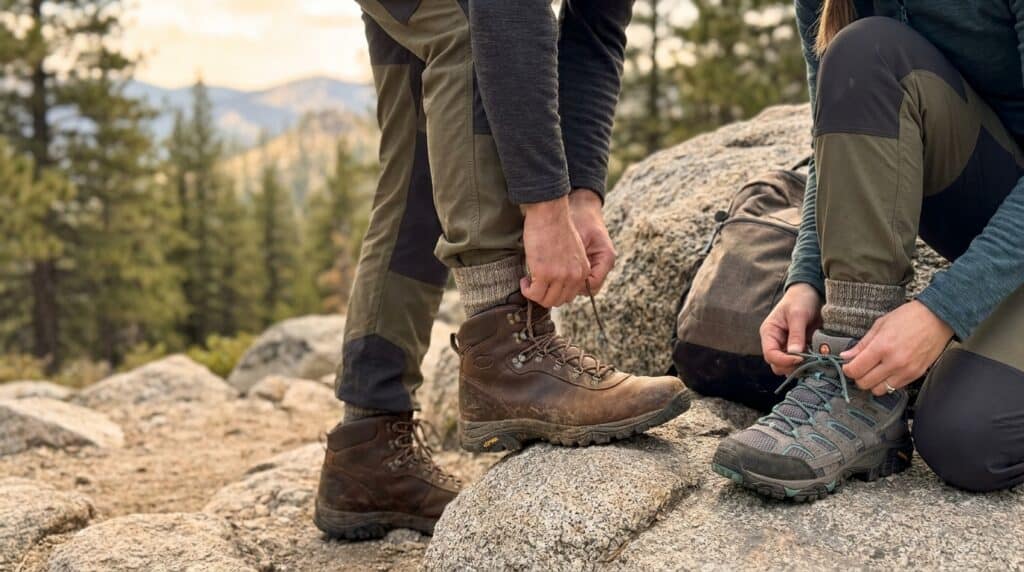

Short answer: for most hikers, the Merrell Moab 3 Mid Waterproof is the safest all-round pick: comfortable out of the box, waterproof and backed by thousands of Amazon ratings. On a budget, the Columbia Transverse Hike and NORTIV 8 are Amazon's best-selling hiking boots for a reason. Below you'll find the top 3 hiking boots for every need, from backpacking and wide feet to winter and women's fits.
How we picked: we checked each boot's Amazon listing for materials, waterproofing, height and features, plus its star rating, number of ratings and Amazon's "Customers say" summary (Amazon, retrieved 2026-09-26). We also looked at which boots testing publishers such as REI, Better Trail and Switchback Travel rate highly. We don't field-test boots ourselves, so we don't give personal scores. We show rating counts on every pick and say where buyer feedback is mixed.
Quick Picks: Best Hiking Boots
| Category | Top pick | Amazon rating | Approx. price |
|---|---|---|---|
| Best overall | Merrell Moab 3 Mid Waterproof | 4.5 (5,200+) | $135 |
| Best budget | Columbia Transverse Hike Waterproof | 4.6 (3,400+) | $70 |
| Most popular on Amazon | Timberland White Ledge Mid Waterproof | 4.5 (67,000+) | $120 |
| Best waterproof | Salomon X Ultra 4 Mid GTX | 4.4 (1,000+) | $165 |
| Best for backpacking | Oboz Sawtooth X Mid B-Dry | 4.3 (250+) | $195 |
| Best lightweight | Merrell Moab Speed 2 Mid GTX | 4.5 (100+) | $185 |
| Best classic leather | Danner Mountain 600 | 4.6 (2,900+) | $220 |
| Best for wide feet | Merrell Moab 3 Mid | 4.6 (3,200+) | $131 |
| Best winter | Oboz Bridger 10" Insulated | 4.6 (320+) | $206 |
| Best for women | Merrell Moab 3 Mid Waterproof Women's | 4.6 (3,900+) | $87 |
Ratings and prices from Amazon, retrieved 2026-09-26. Prices change often and vary by size and color.
Best Hiking Boots Overall
1. Merrell Moab 3 Mid Waterproof
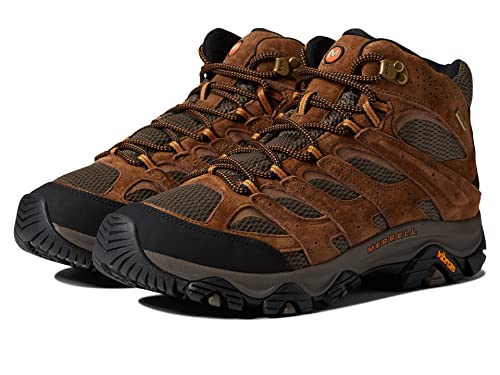
Pigskin leather and mesh | Waterproof membrane | Mid height | Air Cushion heel | 4.5 stars, 5,200+ ratings | about $135
The Moab is the boot most hikers compare everything else to. The Moab 3 has a waterproof membrane, a leather and mesh upper and Merrell's Air Cushion in the heel for shock absorption. Buyers say it's well made and comfortable, with no blisters and good arch support, and rugged enough for rocks and logs. Some buyers question how waterproof it stays over time.
Buy it if: you want one reliable boot for day hikes and weekend trips without a break-in period.
Skip it if: you carry heavy packs on rough terrain. A stiffer boot gives more support.
Check the Merrell Moab 3 Mid Waterproof price on Amazon
2. Salomon X Ultra 4 Mid GTX
Synthetic upper | Gore-Tex | Mid height | 4.4 stars, 1,000+ ratings | about $165
A lighter, more athletic boot that testing sites like REI and Better Trail rate highly in its newer X Ultra versions. Buyers call it light on the feet with very good traction on slopes. Some find the toe box narrow. Check the price on Amazon
3. KEEN Targhee 4 Mid Waterproof
Leather | KEEN.DRY waterproof | Removable Luftcell footbed | Roomy toe box | 4.4 stars, 990+ ratings | about $157
KEEN's Original Fit gives more toe room than most boots. Buyers praise the comfort. Check the price on Amazon
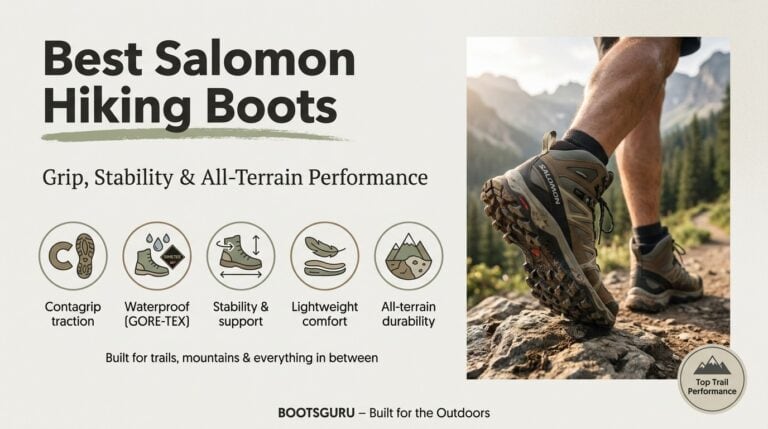
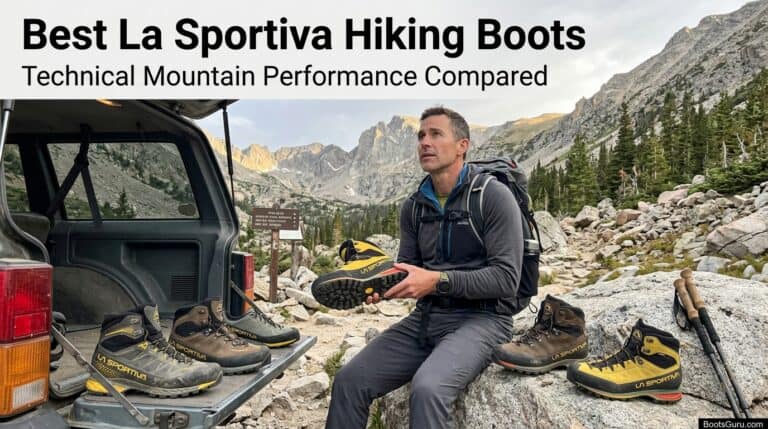
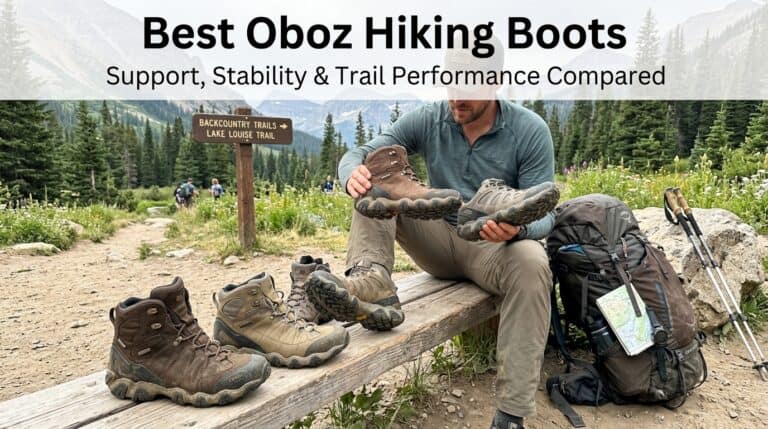
More by brand: Merrell, Salomon, La Sportiva and Oboz.
Best Budget Hiking Boots (Under $80)
1. Columbia Transverse Hike Waterproof

Omni-Tech waterproof | Techlite cushioning | Omni-Grip outsole | 4.6 stars, 3,400+ ratings | about $70
The #1 best-selling men's hiking boot on Amazon when we checked. Buyers find it good quality, comfortable and light, with one saying it's easy on older knees and another reporting it survived a 12-day Philmont trek. Buy it if: you want a proven, waterproof boot for well under $100. Skip it if: you need heavy-duty support for big packs.
Check the Columbia Transverse Hike price on Amazon
2. NORTIV 8 Ankle High Waterproof
Waterproof | EVA midsole | 4.4 stars, 23,500+ ratings | about $60
One of the most-rated hiking boots on Amazon. Buyers say it's comfortable, light and true to size. Durability and water resistance are mixed. Check the price on Amazon
3. XPETI Thermator Mid
Waterproof mesh upper | EVA midsole | Rubber toe cap | 4.4 stars, 7,700+ ratings | about $59
Buyers say it keeps feet warm and dry in cold weather and fits well. Durability is mixed. Check the price on Amazon
Most Popular Hiking Boots on Amazon
1. Timberland White Ledge Mid Waterproof

Waterproof Timberland leather | Gusseted tongue | 4.5 stars, 67,000+ ratings | about $120
With more than 67,000 ratings, this is by far the most-reviewed hiking boot we found. Buyers say it's well made, comfortable and keeps feet dry, with one comparing it to walking on air. Buy it if: you want a classic leather hiker with a huge track record. Skip it if: you want a light, athletic boot for fast hiking.
Check the Timberland White Ledge price on Amazon
2. Timberland Mt. Maddsen Waterproof
Waterproof leather | 4.5 stars, 13,000+ ratings | about $130
Buyers say it's comfortable right out of the box and comes in wide sizes that fit well. Check the price on Amazon
3. NORTIV 8 Mid Top Suede Waterproof
Suede | Waterproof | 4.4 stars, 14,600+ ratings | about $57
The mid-height suede version of the NORTIV best-seller. Check the price on Amazon
Best Waterproof Hiking Boots
1. Salomon X Ultra 4 Mid GTX

Gore-Tex | Mid height | 4.4 stars, 1,000+ ratings | about $165
Gore-Tex in a light, agile boot. Buyers call it waterproof and worth the price, with strong grip on slopes. Fit and durability are mixed, and some say the toe box runs narrow. Buy it if: you hike wet trails and want to move fast. Skip it if: you have wide feet.
Check the Salomon X Ultra 4 price on Amazon
2. KEEN Targhee 2 Mid Waterproof
Leather | KEEN.DRY | External support shank | 4.2 stars, 13,800+ ratings | about $145
Buyers call it super waterproof, with feet staying dry, and comfortable with good cushioning. Durability is mixed. Check the price on Amazon
3. Columbia Newton Ridge Plus II Suede Waterproof
Waterproof suede and leather | Seam-sealed | 4.6 stars, 1,600+ ratings | about $110
Buyers say it's well made and comfortable, with no blisters, and a little warm. Check the price on Amazon
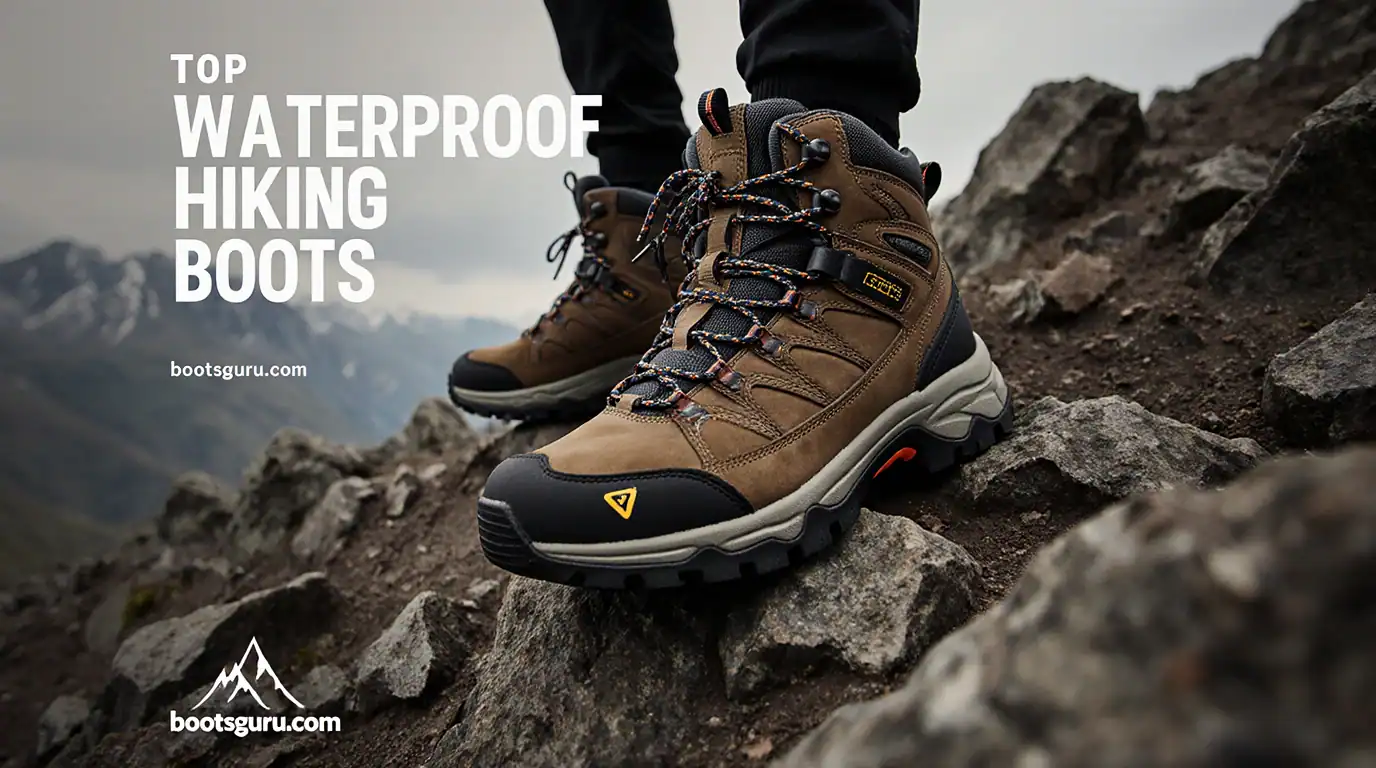
More picks for rocky and steep trails: best waterproof hiking boots.
Best Hiking Boots for Backpacking and Heavy Packs
1. Oboz Sawtooth X Mid B-Dry
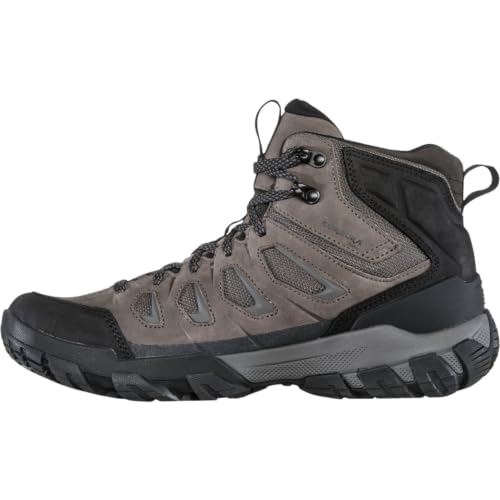
B-Dry waterproof | Triple-density O Fit insole | Heavy-duty Trail Tread outsole | 4.3 stars, 250+ ratings | about $195
Oboz builds its boots with a supportive insole and a heavy-duty outsole. Buyers praise the comfort and water resistance, with one hiking long distances without pain. Fit gets mixed feedback. Buy it if: you carry a loaded pack over rough ground. Skip it if: you want a light boot for easy trails.
Check the Oboz Sawtooth X price on Amazon
2. LOWA Renegade GTX Mid
Nubuck and Cordura | Gore-Tex | PU midsole | about $280
A long-running backpacking favorite. The women's version has 4.6 stars from 1,200+ ratings, with buyers reporting boots lasting up to 10 years. The men's listing has only a few dozen ratings so far. Check the men's price on Amazon or the women's.
3. Danner Mountain 600
Full-grain leather | Waterproof | Vibram outsole | 4.6 stars, 2,900+ ratings | about $220
Lighter than a traditional backpacking boot, but stable with a Vibram sole. See the classic section below. Check the price on Amazon
More picks: hiking boots for bad knees and heavy packs and boots for the Appalachian Trail.
Best Lightweight Hiking Boots
1. Merrell Moab Speed 2 Mid GTX

Nylon ripstop and TPU | Gore-Tex | FloatPro foam | FlexPlate | 4.5 stars, 100+ ratings | about $185
A trail-runner feel in a mid-height waterproof boot, and REI's Editor's Choice for moderate terrain (REI, retrieved 2026-09-26). It has fewer Amazon ratings than our other picks. Buy it if: you hike fast and light. Skip it if: you carry heavy loads.
Check the Merrell Moab Speed 2 price on Amazon
2. Salomon X Ultra 5 Mid GTX
Gore-Tex | Advanced Chassis | EVA midsole | 4.5 stars, 80+ ratings | about $150
Better Trail names the X Ultra 5 its best all-rounder. This listing is the wide version, a plus for wider feet. Check the price on Amazon
3. Columbia Transverse Hike Waterproof
Techlite | Waterproof | 4.6 stars, 3,400+ ratings | about $70
Buyers repeatedly call it lightweight, and it's the cheapest route to a light boot. Check the price on Amazon
More picks: best lightweight hiking boots.
Best Classic Leather Hiking Boots
1. Danner Mountain 600
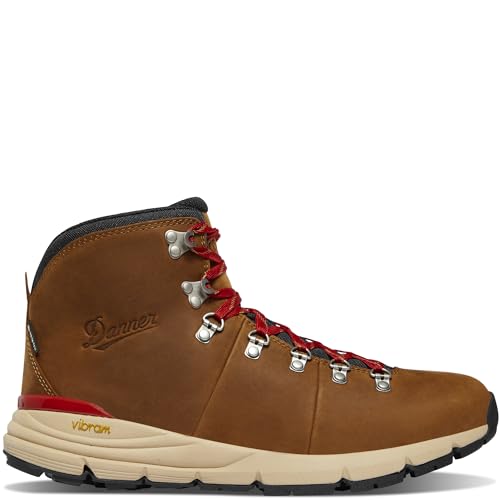
Full-grain leather | Waterproof | Triple-density OrthoLite footbed | Vibram SPE midsole and Vibram outsole | 4.6 stars, 2,900+ ratings | about $220
The look of a traditional hiking boot with modern cushioning. Buyers say it's well made and comfortable, with no foot pain or blisters, and lighter than it looks. Buy it if: you want one boot for trails and town. Skip it if: you want a budget option.
Check the Danner Mountain 600 price on Amazon
2. Timberland Mt. Maddsen Waterproof
Waterproof leather | 4.5 stars, 13,000+ ratings | about $130
A cheaper classic leather option with wide sizes. Check the price on Amazon
More picks: trail-to-town hiking boots.
Best Hiking Boots for Wide Feet
1. Merrell Moab 3 Mid

Pigskin leather and mesh | Breathable, not waterproof | Air Cushion heel | Wide sizes | 4.6 stars, 3,200+ ratings | about $131
Buyers mention roomy toe space, good arch support and no foot pain. Merrell sells the Moab 3 in wide widths. Buy it if: you have wide feet and hike in warm, dry weather. Skip it if: you need waterproofing. Choose the waterproof Moab 3 in wide instead.
Check the Merrell Moab 3 Mid price on Amazon
2. KEEN Targhee 4 Mid Waterproof
KEEN Original Fit with a generous toe box | Waterproof | 4.4 stars, 990+ ratings | about $157
KEEN's roomy toe shape is its main draw for wide feet. Check the price on Amazon
3. Salomon X Ultra 5 Mid Wide GTX
Wide last | Gore-Tex | 4.5 stars, 80+ ratings | about $150
A wide version of Salomon's all-rounder, which otherwise runs narrow. Check the price on Amazon
More picks: hiking boots for wide feet (men) and women's waterproof hiking boots for wide feet. Not sure of your width? See our boot width chart.
Best Winter Hiking Boots
1. Oboz Bridger 10" Insulated B-Dry
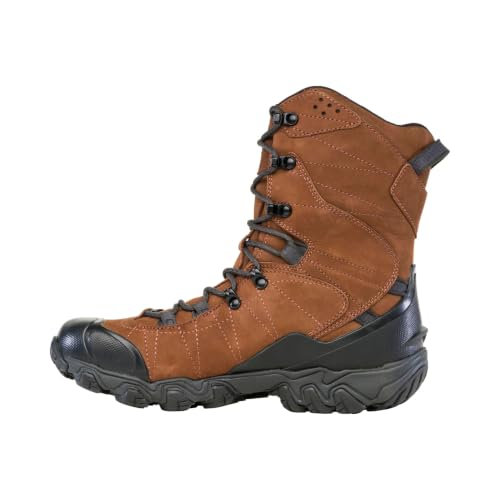
400g insulation | B-Dry waterproof | 10-inch height | 4.6 stars, 320+ ratings | about $206
Buyers praise the comfort, warmth and fit, calling it the best boot they've owned. Buy it if: you hike in snow and cold. Skip it if: you need a light boot for mild days.
Check the Oboz Bridger price on Amazon
2. KEEN Revel 4 Mid Polar
Insulated | KEEN.DRY | Polar Grip outsole | 4.3 stars, 760+ ratings | about $200
Buyers find it great for snow and winter activities. Check the price on Amazon
3. XPETI Thermator Mid
Cold-weather hiker | Waterproof | 4.4 stars, 7,700+ ratings | about $59
The budget winter option. Buyers say it keeps feet warm and dry. Check the price on Amazon
More picks: best winter hiking boots and how much insulation you need.
Best Hiking Boots for Women
1. Merrell Moab 3 Mid Waterproof Women's
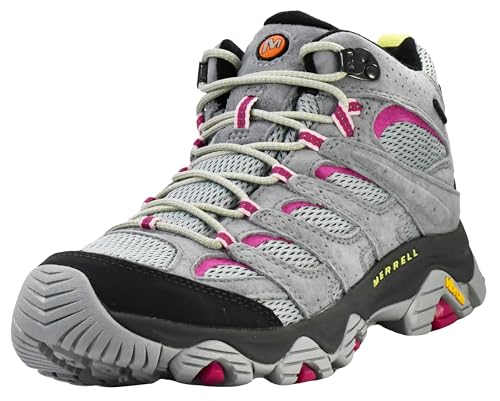
Leather and mesh | Waterproof | Vibram outsole | 4.6 stars, 3,900+ ratings | about $87 to $154 depending on color
Buyers find it comfortable right out of the box, wide enough for many foot types and supportive. Buy it if: you want the most proven women's hiker. Skip it if: you have very narrow heels.
Check the women's Moab 3 price on Amazon
2. Columbia Newton Ridge Plus Waterproof Women's
Waterproof | 4.5 stars, 3,200+ ratings | about $80
Amazon's #1 best-selling women's hiking boot when we checked. Buyers note a roomy toe area and comfort for long wear, including in snow. Check the price on Amazon
3. NORTIV 8 Women's Waterproof Trekking
Waterproof | 4.5 stars, 6,300+ ratings | about $58
The budget pick, with buyers reporting no blisters and plenty of compliments. Check the price on Amazon
More: our NORTIV 8 women's hiking shoe review and women's waterproof boots for wide feet.
What Testers Rate Highly (But Amazon Data Is Thin)
Testing publishers rate a few newer boots very highly that don't yet have many Amazon ratings. Google's top results favor the Hoka Kaha 3 GTX for plush comfort and the Salomon Quest 5 GTX for support under a heavy pack, and Trail & Kale lists the Kaha 3 as its best overall. On Amazon, the Kaha 3 has 3.6 stars from only 26 ratings and the Quest 5 has 19 ratings (Amazon, retrieved 2026-09-26). They may well be excellent, but we'd wait for more buyer feedback or try them in a store first.
Compare All the Picks
| Boot | Best for | Rating (count) | Price |
|---|---|---|---|
| Timberland White Ledge Mid WP | Most popular | 4.5 (67,000+) | $120 |
| NORTIV 8 Ankle High WP | Budget | 4.4 (23,500+) | $60 |
| NORTIV 8 Mid Suede WP | Popular | 4.4 (14,600+) | $57 |
| KEEN Targhee 2 Mid WP | Waterproof | 4.2 (13,800+) | $145 |
| Timberland Mt. Maddsen WP | Popular, classic | 4.5 (13,000+) | $130 |
| XPETI Thermator Mid | Budget, winter | 4.4 (7,700+) | $59 |
| NORTIV 8 Women's Trek WP | Women's | 4.5 (6,300+) | $58 |
| Merrell Moab 3 Mid WP | Overall | 4.5 (5,200+) | $135 |
| Merrell Moab 3 Mid WP Women's | Women's | 4.6 (3,900+) | $87+ |
| Columbia Transverse Hike WP | Budget, lightweight | 4.6 (3,400+) | $70 |
| Columbia Newton Ridge Plus Women's | Women's | 4.5 (3,200+) | $80 |
| Merrell Moab 3 Mid | Wide feet | 4.6 (3,200+) | $131 |
| Danner Mountain 600 | Classic, backpacking | 4.6 (2,900+) | $220 |
| Columbia Newton Ridge Plus II | Waterproof | 4.6 (1,600+) | $110 |
| LOWA Renegade GTX Mid | Backpacking | 4.6 (1,200+, women's) | $280 |
| Salomon X Ultra 4 Mid GTX | Overall, waterproof | 4.4 (1,000+) | $165 |
| KEEN Targhee 4 Mid WP | Overall, wide feet | 4.4 (990+) | $157 |
| KEEN Revel 4 Mid Polar | Winter | 4.3 (760+) | $200 |
| Oboz Bridger 10" Insulated | Winter | 4.6 (320+) | $206 |
| Oboz Sawtooth X Mid | Backpacking | 4.3 (250+) | $195 |
| Merrell Moab Speed 2 Mid GTX | Lightweight | 4.5 (100+) | $185 |
| Salomon X Ultra 5 Mid Wide GTX | Lightweight, wide | 4.5 (80+) | $150 |
Sorted by number of Amazon ratings. Ratings and prices from Amazon, retrieved 2026-09-26.
Best Hiking Boots by Need
| Plantar fasciitis | Flat feet | Overpronation |
| Bunions | Narrow feet | Ankle support |
| Seniors | Bad knees | Kids |
| Desert heat | Barefoot | Trail to town |
| Hiking socks | Microspikes | Trail runners vs boots |
How to Choose Hiking Boots
- Boots or shoes? Mid-height boots add ankle support and keep out debris, which helps on rocky trails and with a pack. Low hiking shoes are lighter and fine for well-kept trails. See trail runners vs hiking boots.
- Waterproof or breathable? A waterproof membrane keeps out rain, puddles and snow but runs warmer and dries slowly once wet inside. In hot, dry places, a breathable boot is often more comfortable.
- Support for your load. Day hikes suit flexible, cushioned boots. Heavy packs call for a stiffer sole, a supportive insole and a secure heel.
- Fit. Try boots late in the day with hiking socks. Your toes shouldn't touch the front on a downhill, and your heel shouldn't lift much. Some European brands run narrow, so check for wide versions.
- Break-in. Synthetic and mesh boots usually feel good right away. Full leather boots can need a few short walks first.
- Budget. About $60 to $80 gets a solid entry boot like the Columbia Transverse or NORTIV 8. About $120 to $170 gets the Merrell, Timberland, KEEN and Salomon staples. $200 and up buys premium leather, Gore-Tex and heavy-duty builds.
Frequently Asked Questions
What is the highest rated hiking boot?
By Amazon buyer data, the Timberland White Ledge Mid Waterproof stands out, with 4.5 stars from more than 67,000 ratings. Among boots with thousands of ratings, the Columbia Transverse Hike, Danner Mountain 600 and women's Merrell Moab 3 Mid Waterproof score 4.6 stars.
What is the #1 hiking boot?
There's no single #1 for everyone. The Merrell Moab 3 Mid is the most common all-round recommendation, while Columbia's Transverse Hike was Amazon's #1 best-seller in men's hiking boots when we checked.
Which is better, Merrell or Hoka?
Merrell's Moab boots are proven, affordable and widely available, with thousands of ratings. Hoka boots like the Kaha 3 and Anacapa 2 focus on thick, soft cushioning and cost more. Choose Merrell for value and track record, and Hoka if maximum cushioning matters most.
What are the best hiking boot brands?
Merrell, Salomon, KEEN, Columbia, Timberland, Danner, Oboz, LOWA and La Sportiva all make well-rated boots. Columbia and NORTIV 8 lead on budget, and LOWA, Danner and La Sportiva on premium builds.
Are waterproof hiking boots worth it?
Yes for wet, muddy or snowy trails. For hot, dry hiking, a breathable boot is usually more comfortable.
How long do hiking boots last?
It depends on use and build. Many boots last several hundred miles; heavier leather boots can last years. Replace them when the tread is worn smooth or the cushioning feels flat.
The Bottom Line
- Best overall: Merrell Moab 3 Mid Waterproof.
- Best budget: Columbia Transverse Hike Waterproof.
- Most popular: Timberland White Ledge Mid Waterproof.
- Best for women: Merrell Moab 3 Mid Waterproof Women's.