
If you’re reading this, chances are you decided to start running and now your body is screaming at you. Let’s be blunt: your shins are on fire, your knees ache, and every step on the pavement feels like a hammer blow. You want to start running, but it hurts, and you’re probably blaming your body. As someone who’s been around the running block, I’m telling you: stop blaming your knees. It’s your shoes.
You’re likely running in old sneakers, cross-trainers, or those 3-year-old "lawn mowing" shoes. They have zero, or "dead," cushioning and no stability, which is the fastest ticket to a shin splint or stress fracture for a beginner.
Your first running shoe is actually the most critical piece of gear you’ll ever buy. You don't need the $270 carbon-plated race car; you need a tool built for injury prevention and habit formation. Its success is measured not in speed, but in whether it’s comfortable and supportive enough to keep you coming back for more, pain-free.
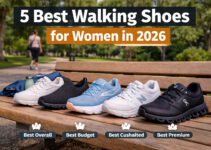
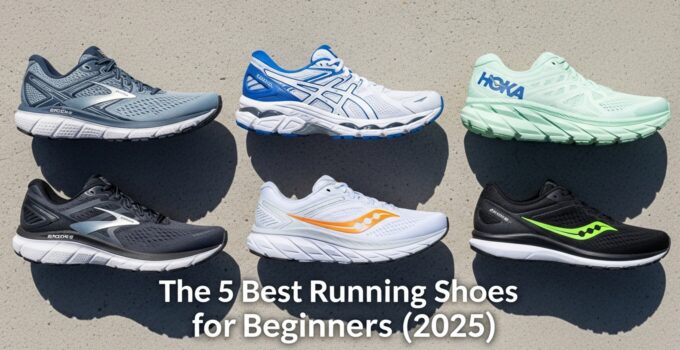
Here are the safest, most comfortable, workhorse shoes (daily trainers) to get you started pain-free in 2026, plus one trail-friendly pick if road pavement isn't your only plan.

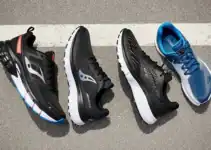
top running shoes for beginners
Quick Picks Table: Top 6 Safest Bets for New Runners (2026)
| Award | Shoe Model | Best For | Key Feature | Price Range |
|---|---|---|---|---|
| 🏆 Best Overall | Brooks Ghost 18 | The "Go-To" for Everyone | Balanced DNA Loft v3 Cushion, Reliable Fit | $$$ |
| 🛡️ Best for Stability | ASICS GEL-Kayano 33 | Overpronation (Flat Feet) | FLUIDSUPPORT™ Technology, High Cushion | $$$$ |
| ☁️ Best Max Cushion | Hoka Clifton 10 | Maximum Softness, Joint Protection | Plush, Lightweight EVA Foam Stack | $$$ |
| ⚡ Best Responsive Feel | Saucony Ride 19 | A "Peppier" Neutral Run | Reformulated PWRRUN+ Foam, Dependable Daily Trainer | $$$ |
| 💰 Best Value / Gym Hybrid | Brooks Revel 6 | New Runners, Gym + Run | Sleek Design, Solid Cushioning | $$ |
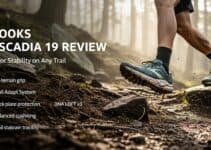
| 🌲 Best Trail Crossover | Brooks Cascadia 19 | Beginners Curious About Trail | Protective, Stable, Handles Dirt and Pavement | $$$ |
Running Shoe 101: The Beginner's No-BS Buyer's Guide
Pick Your Starting Surface First: Road vs. Treadmill vs. Light Trail
Before anything else, be honest about where you'll actually be running most. A road shoe is optimized for consistent, hard, flat pavement, that's most beginners, most of the time. A treadmill's cushioned belt is more forgiving than pavement, so almost any road shoe on this list works fine there too, no need for a separate "treadmill shoe." But if your runs are mostly on dirt park paths, gravel, or light unpaved trails rather than sidewalks, a road shoe's smooth outsole will feel slick and unstable underfoot. That's the one case where it's worth starting with a road-to-trail hybrid like the Cascadia below instead of a pure road shoe.
The Only Shoe You Need: The "Daily Trainer"
The first mistake people make is thinking they need specialized shoes. For 90% of your runs right now—which should be easy, conversational-pace efforts—you only need a "daily trainer". This is the workhorse shoe built for comfort, durability, and enough cushioning to protect you from the constant impact of the road. Save the super-light, non-durable racing shoes for when you’re much more experienced.

wet test
The Most Important Question: Do Your Ankles Roll In? (Pronation 101)
This is the most critical question for injury prevention. When you run, your foot naturally rolls inward (pronation) to absorb shock. The problem is when it rolls in too much (overpronation), which can lead to shin splints, plantar fasciitis, and knee pain because the arch collapses.
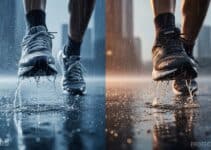
The easiest way to check this at home is the "Wet Test":
- Get your foot wet.
- Step onto a dark piece of paper or cardboard.
- Look at the print:
- Normal Arch (Neutral): You see a clear curve. You need a Neutral shoe (like the Brooks Ghost or Hoka Clifton). Most runners are neutral.
- Flat Arch (Overpronation): You see almost your entire foot. Your ankle likely rolls in. You need a Stability shoe (like the ASICS GEL-Kayano).
If you’re unsure, the best advice—seriously, trust me on this—is to go to a specialty running store and get a free gait analysis. They watch you run on a treadmill and can tell you exactly what category of shoe is right for you.
Cushioning: Plush Pillow vs. Responsive Road-Feel
Cushioning is the engine of the shoe, dictating shock absorption.
- Plush/Max Cushion (e.g., Hoka Clifton): This foam feels soft, pillowy, and focuses heavily on absorbing impact. It's fantastic for recovering legs or for heavier runners who need maximum protection.
- Balanced/Responsive (e.g., Brooks Ghost, Saucony Ride): This is the safe middle ground. It feels cushioned enough to protect your joints but firm enough to feel stable and connected to the road. This is generally the safest starting point for beginners.
Heel-to-Toe Drop (A Quick Intro)
The "drop" is simply the height difference in millimeters (mm) between the heel and the forefoot. This is important because it dictates how forces are distributed across your legs.
- High Drop (8–12mm): This is traditional (like the Ghost at 10mm). It encourages a heel-strike landing, which most new runners do naturally. This is generally the safest clinical recommendation for a beginner because it relieves stress on the calf and Achilles tendon.
- Low Drop (0–7mm): This promotes a midfoot or forefoot strike.
Guru Tip: Don't overthink this, but don't make a drastic change. Switching from a high-drop shoe to a low-drop or zero-drop shoe too quickly is the fastest way to get an Achilles tendon injury, as your calves and tendons aren't conditioned for that strain yet. Stick to the 8–12mm range for your first pair.
The Sizing Rule: You MUST Buy Bigger
THE #1 MISTAKE: Buying your normal street shoe size.
Your feet swell significantly when you run, especially over distance or in heat. If you buy your normal size, your toes will slam into the front of the shoe, resulting in black toenails and blisters.
The Rule: Go up at least a half-size (1/2) from your normal shoe size. You should have a full thumb's width of space between your longest toe and the end of the shoe. If it feels snug in the store, it will feel awful a mile into your run.
Beginner Mistakes That Send People Back to the Couch
- Buying race shoes first. Carbon-plated super shoes are built for experienced runners at race pace, not for building a base. They're often less stable and less durable than a daily trainer.
- Choosing shoes by looks alone. A shoe that matches your gym fit but doesn't match your foot shape or gait will hurt, no matter how good it looks in photos.
- Starting road miles in a trail shoe, or vice versa. Aggressive trail lugs feel unstable and wear unevenly on pavement; smooth road soles slip on dirt and loose rock.
- Buying your normal street shoe size. Covered above, but it's the single most common and most avoidable mistake.
- Ramping up mileage too fast in new shoes. New shoes don't fix bad training load. Increase weekly mileage gradually regardless of what's on your feet.

a new runner tying their shoes
Detailed Reviews of the 6 Best Beginner Running Shoes (2026)
If you're unsure where to start, grab a daily trainer like the Brooks Ghost 18. If you know your ankles roll inward (overpronation) or you have flat feet, the ASICS GEL-Kayano 33 is your stability solution. And if comfort and wide feet are your main concerns, the Hoka Clifton 10 is a must-read.
🏆 1. Best Overall: Brooks Ghost 18
No products found.
Honest Take: The Ghost is the industry standard and a reliable choice for beginners because it’s a non-flashy, dependable classic. It’s the quintessential workhorse shoe—it just works. The Ghost 18 keeps the nitrogen-infused DNA Loft v3 foam that made the 17 a favorite, and adds an updated flat-knit tongue and refined heel counter for a more comfortable step-in feel. It features a moderate 10mm drop, which is ideal for new runners who naturally land on their heel. Reviewers who've run in every recent Ghost generation consistently rate this as the most refined version yet, still balanced, still stable, just a little softer underfoot. It's an excellent, durable, no-brainer first shoe.
🛡️ 2. Best for Stability: ASICS GEL-Kayano 33

Honest Take: If the "Wet Test" showed you have flat feet and your ankles roll inward, this is your shoe. The Kayano has been the industry standard for stability for decades, and the 33rd version pairs a dual-layer FF BLAST MAX and FF BLAST PLUS midsole with updated FLUIDSUPPORT™ guidance that adapts to your stride without feeling clunky or intrusive. Rearfoot PureGEL, now roughly 65% softer than standard GEL, adds real heel-strike cushioning. It's plush, highly cushioned, and provides excellent lateral support for runners who need it, ensuring knee and shin pain caused by overpronation is kept in check. It does tend to be a bit heavier, but that stability is worth it.
☁️ 3. Best Max Cushion: Hoka Clifton 10
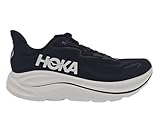
The Honest Take: If running just plain hurts and you want the softest, most forgiving, leg-saving ride possible, the Hoka Clifton is your answer. It is famous for its "maximalist" stack of lightweight EVA foam, making it feel like running on pillows and dramatically reducing impact. The Clifton 10 is a safer bet for beginners than earlier versions because Hoka increased the drop to 8mm, making it far more accommodating for the average heel-striking novice. A new breathable jacquard upper with a double-lace lock keeps the tongue from migrating, a small but genuinely annoying problem on older Cliftons. Despite the massive amount of cushioning, it manages to feel light and energetic, not clunky, and it's praised for its accommodating fit and roomy toebox.
⚡ 4. Best Responsive Feel: Saucony Ride 19

The Honest Take: The Saucony Ride is a direct competitor to the Brooks Ghost, but often feels a little faster and more fun on the foot. The Ride 19 reformulates its PWRRUN+ foam for more energy return while staying soft, and adds flex grooves for smoother stride-to-stride transitions. It hits a sweet spot between comfort and support and handles everything from casual jogs to race day readiness. The Ride 19 is excellent for new runners because it gets all the fundamentals right without forcing you to change your natural running pattern, and it's also offered in a wide version if you need more room. At a relatively low retail cost for a good-quality trainer, this durable model is a phenomenal value.
💰 5. Best Value / Gym Hybrid: Brooks Revel 6

The Honest Take: Let’s be real, stepping into a new hobby with a $150–$165 shoe is a big commitment. The Revel 6 gives you the quality and durability of the Brooks brand at a much lower price point. Its BioMoGo DNA midsole and re-engineered Fit Knit upper deliver a springy, responsive ride that's totally sufficient for getting those first few miles in. Its sleek, simple design also means it looks great if you’re using it as a hybrid shoe for the gym, circuit training, or just walking. Worth knowing: Brooks has since released the Revel 7 and Revel 8, so if you can't find the 6 in your size, either of those newer versions covers the same ground at a similar price. If you need one shoe to "do it all" as you start out, the Revel line is a smart starter shoe.
🌲 6. Best Trail Crossover: Brooks Cascadia 19
The Honest Take: If your "running" is actually going to happen on dirt park loops, gravel fire roads, or a mix of pavement and light trail rather than pure sidewalk, don't force a road shoe to do that job. The Cascadia is Brooks' long-running trail workhorse, built with a more protective underfoot plate and grippier lugs than anything else on this list, while still being comfortable enough for the paved sections of a mixed route. It's not a shoe you need if you're sticking to sidewalks and treadmills, but for beginners whose runs will genuinely include dirt, it solves a real problem the other five shoes on this list can't. We cover it in full, including fit and sizing notes, in our complete Brooks Cascadia 19 review.
How to Make Your Shoes Last (And When to Replace Them)
This is a piece of honest advice you need to hear: running shoes are a perishable tool.
The 300–500 Mile Rule (THIS IS CRITICAL)
The foam midsole is the first part of the shoe to die. It loses its ability to absorb shock and bounce back long before the outsole tread wears down or the upper looks messy. Running on "dead" shoes—even if they look fine—is the absolute number one cause of shin splints, stress fractures, and persistent knee/joint pain for runners.
- The general recommendation is to replace your running shoes every 300 to 500 miles.
- Track your mileage: Use a simple app or log your runs so you know exactly when they hit that retirement number.
- Only Run in Them: Do not wear your quality trainers for walking, mowing the lawn, or running errands. Those sideways movements destroy the supportive foam prematurely.
- Rotate if Possible: Alternating between two pairs gives the foam 24–48 hours to decompress and recover fully, which can help extend the lifespan of both pairs.
Frequently Asked Questions (FAQ)
Choosing the right first running shoe can seem complex. Here are answers to the questions beginners ask most:
What's the best way to buy my first pair?
The best way is to go to a specialty running store. Don't go to a big-box store. The specialty shop will perform a complimentary gait analysis to confirm your foot strike and pronation, and recommend a shoe based on your actual biomechanics, not just a guess. That personalized advice is the most cost-effective investment you can make in an injury-free start.
Can I just buy last year's model to save money?
YES! This is the smart budget move. When a new model number comes out, the previous version (which is 99% the same shoe) will go on sale for 30–50% off. This is the smartest way to get a premium, safe shoe for a budget price.
I have shin splints. Will new shoes fix them?
They are the most likely culprit. Shin splints are often caused by repetitive, poorly absorbed impact, usually from 1) running on old, worn-out shoes, or 2) using the wrong type of shoe (like a neutral shoe when you severely overpronate). Getting a new shoe with the right support is the most important step in recovery, but remember to rest and build mileage gradually.
Do I need different shoes for road, treadmill, and trail?
Not necessarily. Any road shoe on this list works fine on a treadmill's cushioned belt. Trail only becomes its own category once you're regularly on real dirt, gravel, or unpaved terrain, in that case, a hybrid like the Brooks Cascadia is worth having as a second pair rather than forcing a road shoe to grip loose ground.
Can I replace the insoles with aftermarket ones (like Dr. Scholl's)?
Absolutely! Most quality running shoes have removable insoles. Upgrading to an aftermarket insole designed for arch support (like Superfeet, PowerStep, or SOLE) or cushioning can be a great way to enhance comfort, especially if you have issues like plantar fasciitis.
Conclusion: Your First Pair is Your Most Important
Your first running shoe isn't about setting speed records; it’s about consistency and injury prevention. Ditch those old shoes, go up at least a half-size, confirm whether you are a Neutral or Stability runner (preferably via gait analysis), and invest in a quality daily trainer.
For the safest, most reliable starting point, you can't go wrong with the Brooks Ghost 18. If you found out you have flat feet and need support, your shins and knees will thank you for trying the ASICS GEL-Kayano 33. And if your route includes real dirt, don't be afraid to add the Brooks Cascadia 19 to your rotation. Get the right tool for the job, and go enjoy the run!