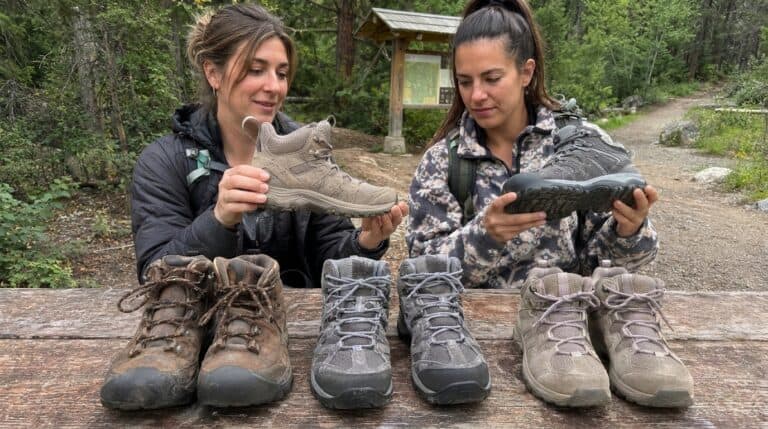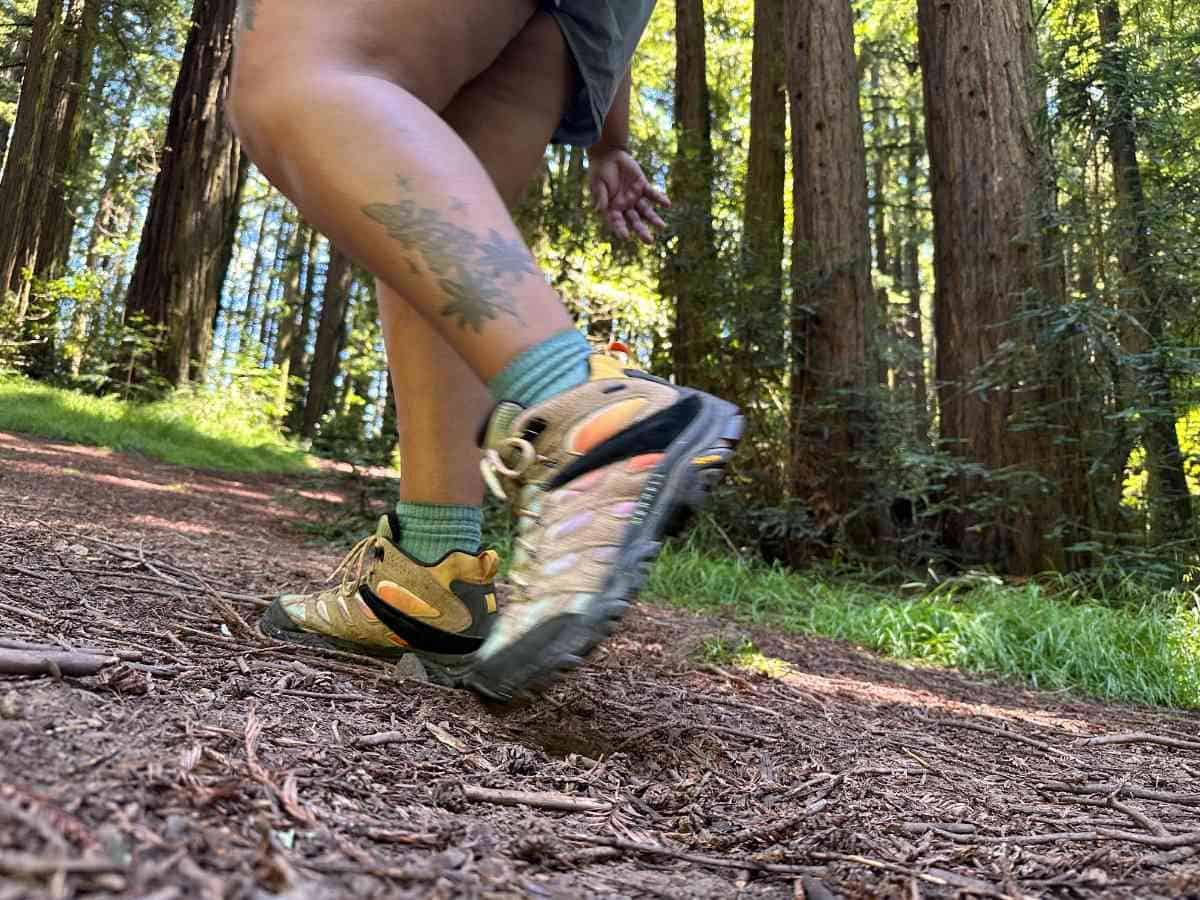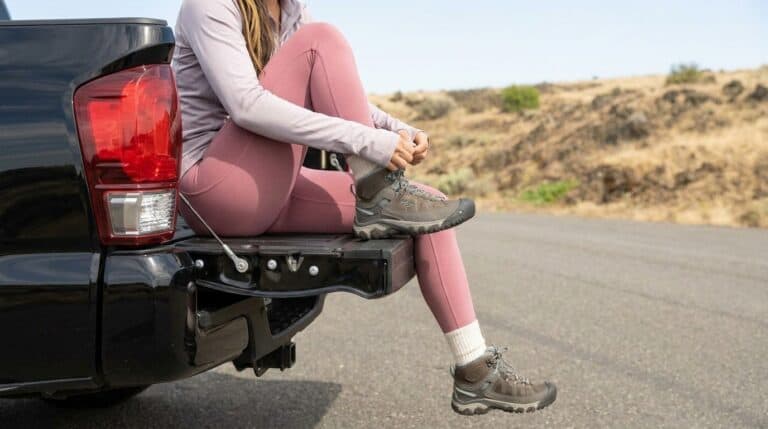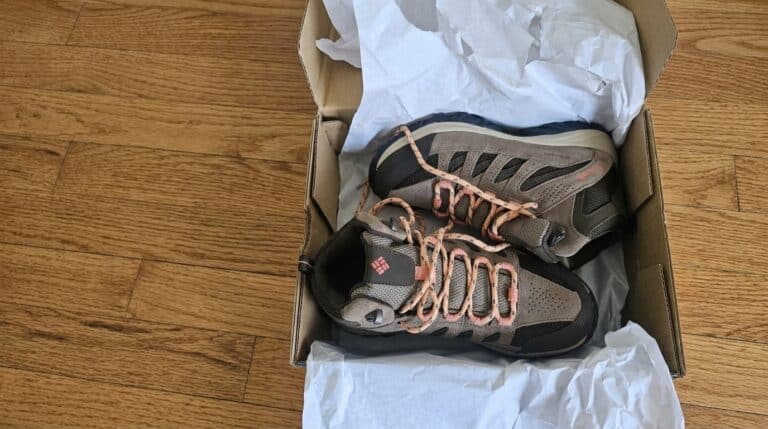
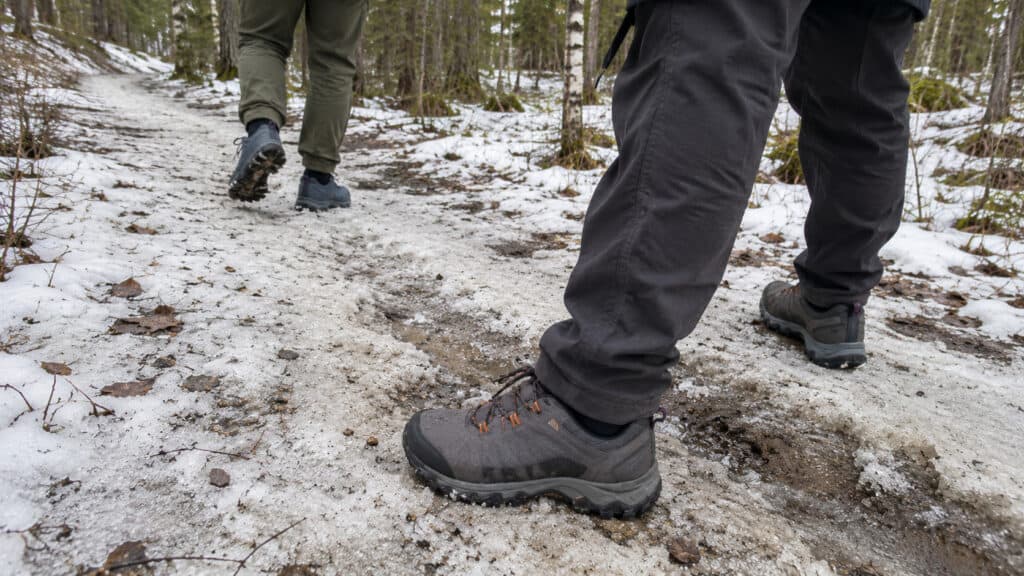

A good winter hiking shoe keeps your feet dry in slush and wet snow, grips packed trails, and leaves room for a warm wool sock. For most winter day hikes on packed or plowed trails, a waterproof low-cut hiking shoe is enough. Add microspikes for ice and a low gaiter for fresh snow. When the snow gets deeper than your ankle or the temperature drops well below freezing, switch to an insulated winter hiking boot.
This guide has 6 picks for men and 6 picks for women, each chosen for a different job. Our top picks are the Merrell Moab 3 Waterproof for most hikers, the Salomon X Ultra 360 GORE-TEX for slick, steep trails, and the KEEN Targhee 4 Low for wide feet and thick socks.
How we picked: We checked the waterproofing, outsole, upper materials and insulation, plus the star rating and number of ratings. We also looked at which low-cut shoes outdoor testers recommend for cold, wet trails. We haven't worn all these exact shoes, so you won't find made-up trail stories here. For each one you get what it's good at, where it falls short, and who should pick something else.
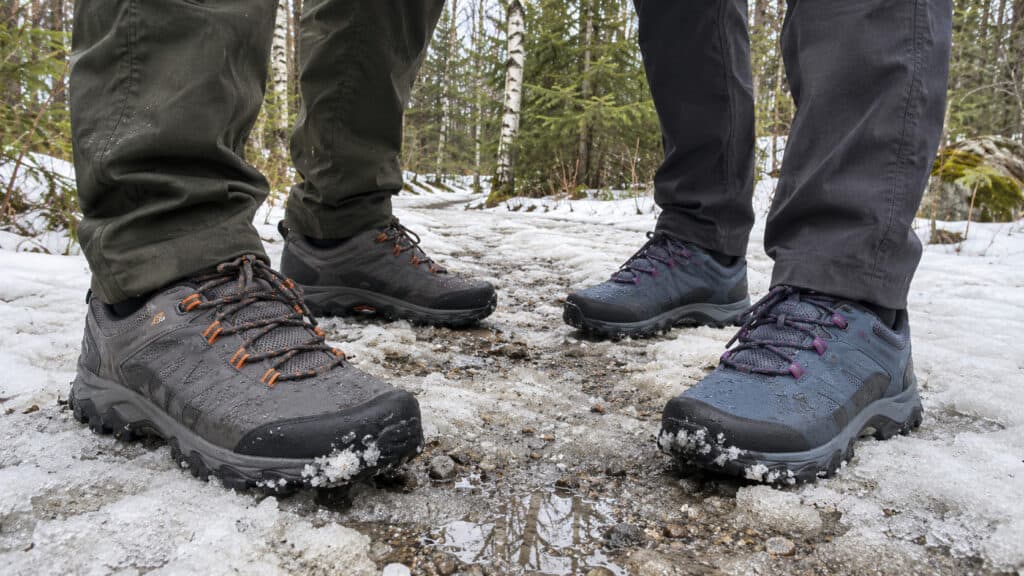
The short answer
- Best overall: Merrell Moab 3 Waterproof (women's version)
- Best grip on slick trails: Salomon X Ultra 360 GORE-TEX
- Best for wide feet: KEEN Targhee 4 Low Waterproof
- Best value: Columbia Crestwood Waterproof (women's version)
- Warmest low-cut pick: Merrell Coldpack 3 Thermo Moc (insulated, Vibram Arctic Grip)
Quick Picks: Best Winter Hiking Shoes for Men
| Pick | Shoe | Waterproofing | Insulated | Amazon rating |
|---|---|---|---|---|
| Best overall | Merrell Moab 3 Waterproof | Merrell membrane | No | 4.5 (3,088) |
| Best on slick trails | Salomon X Ultra 360 GORE-TEX | GORE-TEX | No | 4.5 (291) |
| Best for wide feet | KEEN Targhee 4 Low Waterproof | KEEN.DRY | No | 4.5 (961) |
| Most supportive | Oboz Sawtooth X Low B-DRY | B-DRY | No | 4.4 (251) |
| Best value | Columbia Crestwood Waterproof | Omni-Tech | No | 4.4 (1,521) |
| Best budget | NORTIV 8 Low Top Waterproof | Waterproof membrane | No | 4.2 (8,126) |
Quick Picks: Best Winter Hiking Shoes for Women
| Pick | Shoe | Waterproofing | Insulated | Amazon rating |
|---|---|---|---|---|
| Best overall | Merrell Moab 3 Waterproof | Merrell membrane | No | 4.4 (838) |
| Best on slick trails | Salomon X Ultra 360 GORE-TEX | GORE-TEX | No | 4.3 (362) |
| Best for wide feet | KEEN Targhee 4 Low Waterproof | KEEN.DRY | No | 4.3 (307) |
| Most supportive | Oboz Sawtooth X Low B-DRY | B-DRY | No | 3.9 (242) |
| Best value | Columbia Crestwood Waterproof | Omni-Tech | No | 4.3 (1,294) |
| Warmest low-cut | Merrell Coldpack 3 Thermo Moc Waterproof | Merrell membrane | Yes, 285g | 4.5 (432) |
Ratings from Amazon, checked November 22, 2026. Ratings and prices change, and many prices are on Black Friday sale right now, so check the listing for the current price in your size.
Hiking Shoes or Boots in Winter? A Simple Rule
Most "best winter hiking" lists skip this question and go straight to tall, insulated boots. But plenty of winter hikes happen on trails that are packed down by other hikers, plowed park paths or wet, slushy forest roads. On those, a waterproof shoe is lighter, more flexible and easier to walk in than a winter boot.
Here's the rule of thumb we use:
| Conditions | Waterproof hiking shoe | Insulated winter boot |
|---|---|---|
| Packed trail, plowed path or slush | Yes | Not needed |
| Fresh snow up to the ankle | Yes, with a low gaiter | Optional |
| Snow deeper than the ankle | No, snow gets in | Yes |
| Ice on the trail | Yes, with microspikes | Yes, with microspikes |
| Hiking steadily around freezing | Usually fine with wool socks | Optional |
| Long stops, or well below freezing | Feet get cold fast | Yes |
The big difference is movement. When you're walking, your feet make a lot of heat. A waterproof shoe and a thick wool sock can feel warm for hours. The moment you stop for lunch or a photo, that heat drops off fast, and a low shoe with no insulation can't hold it. If your hikes include long breaks, slow walking with kids or dogs, or deep snow, go straight to our best winter hiking boots instead.
The 6 Best Winter Hiking Shoes for Men
1. Merrell Moab 3 Waterproof: Best Overall
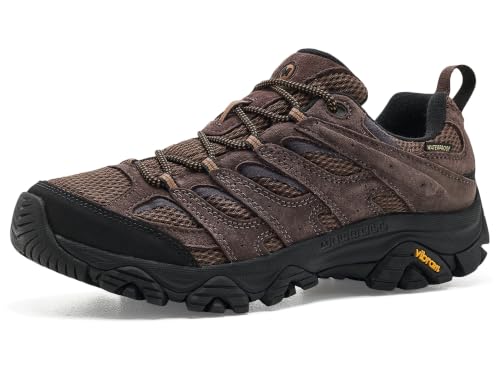
Pig suede leather and mesh | Waterproof membrane | Bellows tongue | Wide sizes | 4.5 stars, 3,000+ ratings | about $90 to $165
The Moab is the hiking shoe most people already know, and the waterproof version is a sensible winter pick. It's comfortable with very little break-in, it handles wet grass, puddles and slush, and it comes in wide sizes. That last point matters in winter, because a thicker sock takes up room.
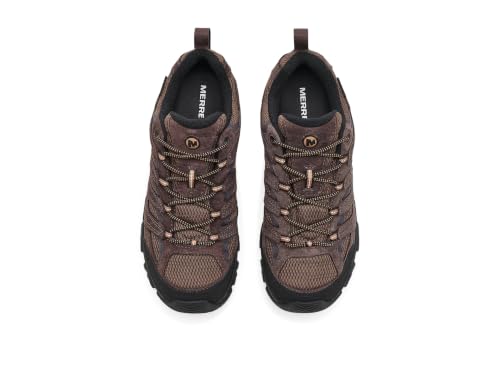
The upper is pig suede leather with breathable mesh, sealed by a waterproof membrane. A bellows tongue (a tongue stitched to the upper on both sides) keeps snow and grit out of the lacing area. Inside, the Kinetic Fit ADVANCED footbed has a reinforced heel cushion, and the Super Rebound Compound midsole gives medium support.
Outdoor testers often pick the Moab 3 as their best all-round winter hiking shoe, usually in the GORE-TEX version. This waterproof version uses Merrell's own membrane and usually costs less. If you'd rather have GORE-TEX, the Merrell Moab 3 GTX is also on Amazon.
Buy it if you want one comfortable, waterproof shoe for winter day hikes, dog walks and wet trails, and you like a medium, slightly roomy fit.
Skip it if you hike steep, icy terrain a lot. The Moab is soft and flexible, which feels great on easy ground but gives less precision on technical trails. It isn't insulated, and this listing doesn't name the outsole compound, so pair it with microspikes on ice.
Check the Merrell Moab 3 Waterproof price on Amazon
2. Salomon X Ultra 360 GORE-TEX: Best for Slick, Technical Trails
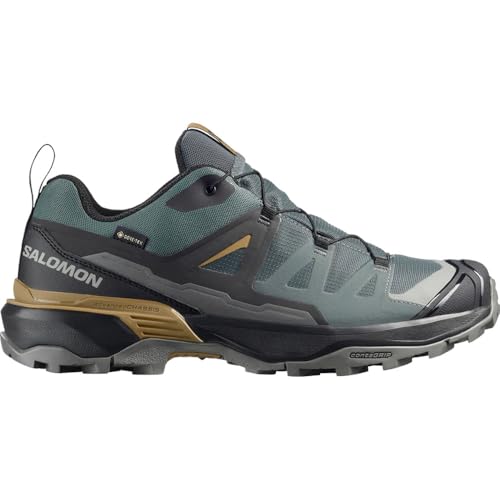
Polyester upper | GORE-TEX membrane | Rubber outsole | 4.5 stars, 290+ ratings | about $150 to $250 depending on size and color
The X Ultra is Salomon's long-running all-terrain hiking shoe, and the 360 GORE-TEX is the newest take on it. It's lower, lighter and more precise than the Moab. That makes it the better pick if your winter trails are steep, rocky or slick, and you like a shoe that feels locked onto your foot.
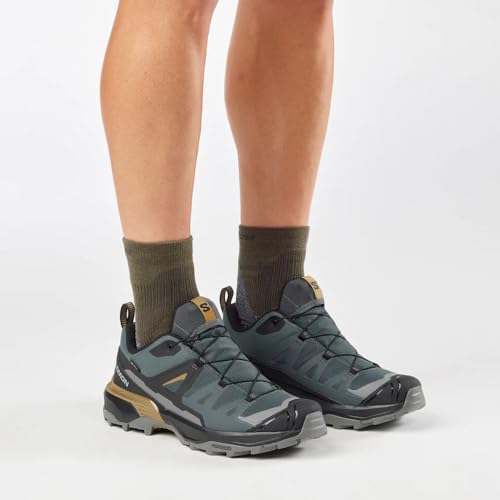
The rugged polyester upper is backed by a GORE-TEX membrane, the best-known waterproof breathable lining. The X Ultra 360 line uses Salomon's Advanced Chassis for side-to-side stability and an All Terrain Contagrip outsole built to grip wet, slippery ground. A molded toe cap and mud guard protect the front of the shoe from rocks and wet snow.
Buy it if you hike fast on mixed winter terrain, like rocky trails with patches of wet snow, and you want a precise, stable fit.
Skip it if you have wide feet. Salomon's fit is usually snug, and you'll have less room for a thick sock. Price also jumps around a lot by size and color, so check yours before you buy.
Check the Salomon X Ultra 360 GORE-TEX price on Amazon
3. KEEN Targhee 4 Low Waterproof: Best for Wide Feet and Thick Socks
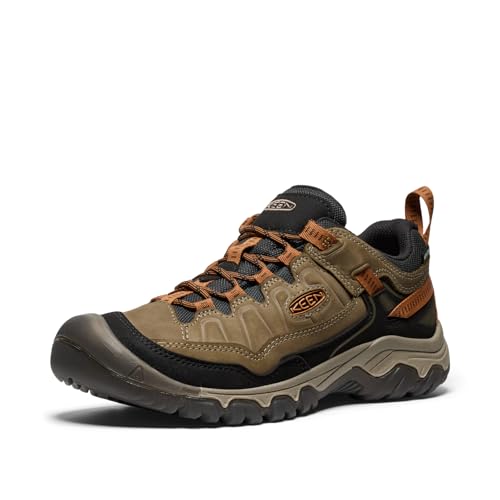
KEEN.DRY membrane | KEEN.ALL-TERRAIN outsole | Roomy toe box | 4.5 stars, 960+ ratings | about $100
If most hiking shoes pinch your toes, start here. KEEN's Original Fit gives your toes room to spread out. In winter that's more than a comfort feature. Toes that can move stay warmer, and a roomy shoe leaves space for a heavier wool sock without squeezing your foot.

The KEEN.DRY membrane keeps water out while letting sweat vapor escape. The KEEN.ALL-TERRAIN rubber outsole is made for mud and rocky ground, and the shoe uses direct-attach construction, which means the sole is bonded to the upper without glue seams that can split over time. You also get a bruise plate under the forefoot, a rubber toe guard and a removable Luftcell footbed with arch support.
Buy it if you have wide feet, you like a lot of toe room, or you want to wear a thick winter sock in a shoe you already like the feel of.
Skip it if you have narrow feet or want a light, fast shoe. The roomy fit can feel sloppy on a narrow foot, and the Targhee is built more for durability than speed.
Check the KEEN Targhee 4 Low Waterproof price on Amazon
4. Oboz Sawtooth X Low B-DRY: Most Supportive
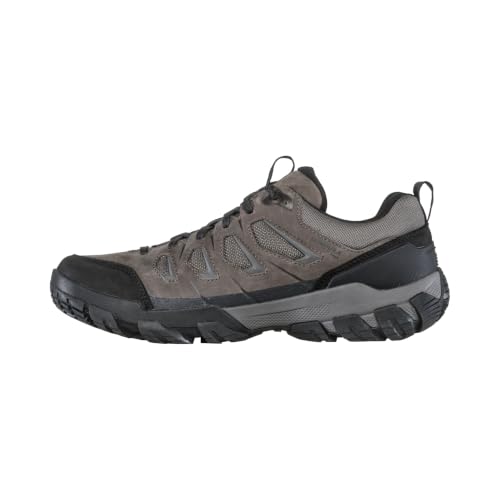
Oiled nubuck and mesh | B-DRY membrane | Trail Tread HD outsole | 8 mm drop | 4.4 stars, 250+ ratings | about $120 to $140
The Sawtooth X Low feels more like a low-cut boot than a sneaker. It has a firmer, more structured build than the Moab, and a much better insole than most hiking shoes come with. That's a good match for rocky, frozen trails, where the ground is hard and uneven.
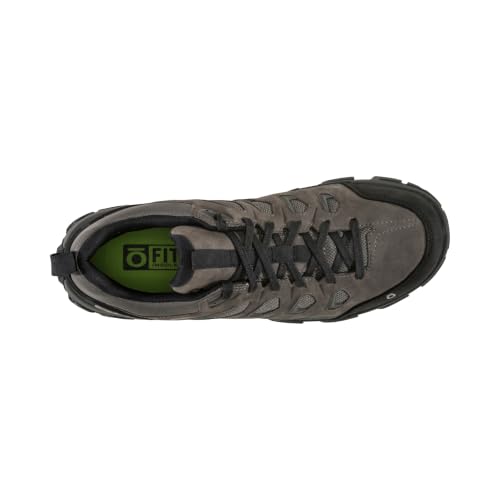
The O Fit insole uses triple-density EVA with a deep heel cup and a medium-to-high arch. The upper is oiled nubuck with abrasion-resistant mesh, a TPU heel counter and molded underlays for protection. The B-DRY membrane keeps water out, and the Trail Tread HD outsole uses a heavy-duty rubber compound with a multidirectional tread.
Buy it if you want more arch support and structure than a typical hiking shoe, or you hike on hard, rocky ground.
Skip it if you want a soft, flexible feel straight out of the box. A firm shoe like this can take a few walks to break in. The women's version is in this guide too, but it rates lower on Amazon (3.9 stars).
Check the Oboz Sawtooth X Low B-DRY price on Amazon
5. Columbia Crestwood Waterproof: Best Value
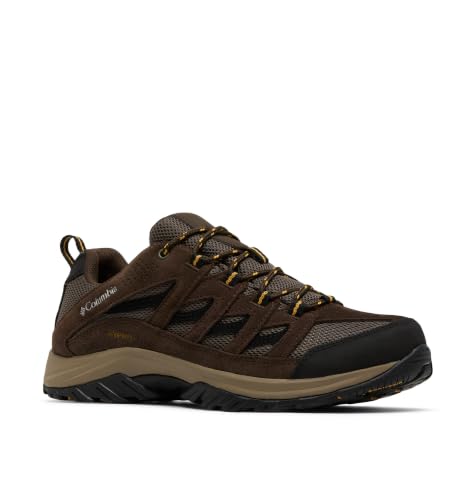
Leather, mesh and webbing | Omni-Tech membrane | Omni-Grip outsole | Techlite midsole | 4.4 stars, 1,500+ ratings | about to
The Crestwood is Columbia's long-running budget hiking shoe, and the waterproof version is the best deal on this list. For about half the price of a Merrell or Salomon, you get a seam-sealed waterproof shoe with a real lugged outsole and more than 1,500 ratings behind it.
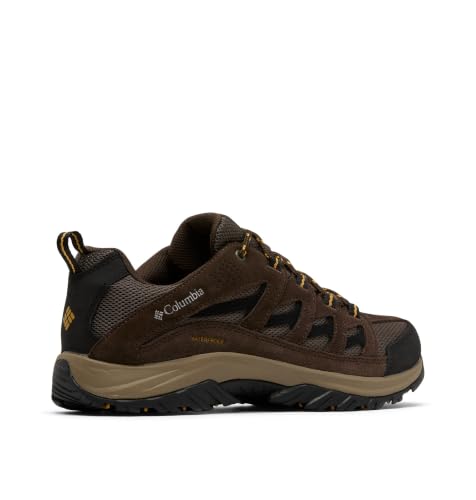
Columbia's Omni-Tech construction is waterproof and breathable. The Techlite midsole is light and cushioned, and the Omni-Grip outsole uses non-marking traction rubber for rock, dirt and gravel. The upper combines leather, mesh and webbing, so it's lighter and more flexible than a full-leather shoe.
Buy it if you hike a few times each winter, want dry feet on slushy trails, and don't want to spend 0.
Skip it if you hike icy trails often or want the most grip. Omni-Grip is a general-purpose outsole, not a cold-weather rubber, so carry microspikes. Budget shoes also tend to wear out sooner than premium ones if you hike every weekend.
Check the Columbia Crestwood Waterproof price on Amazon
6. NORTIV 8 Low Top Waterproof Hiking Shoes: Best Budget

Waterproof membrane | Roomy toe box | Rubber toe cap | Deep-lug outsole | 4.2 stars, 8,100+ ratings | about $40
At around $40, the NORTIV 8 is the cheapest way into a waterproof hiking shoe on this list, and it has a huge number of ratings behind it. It's a good pick for occasional winter walks, a backup pair, or a teenager who will outgrow shoes by next winter.

It has a waterproof membrane for puddles and shallow streams, a roomy toe box that suits wider feet, a rubber toe cap and reinforced heel, and a rubber outsole with deep lugs. The MD midsole is flexible and soft.
Buy it if you need a cheap, waterproof shoe for easy winter trails, park paths and casual use.
Skip it if you hike a lot or want a shoe that lasts several seasons. Budget hiking shoes usually wear faster than the name brands, and its 4.2-star rating is the lowest of the men's picks here. NORTIV doesn't name a membrane brand or a cold-weather rubber.
Check the NORTIV 8 Low Top Waterproof price on Amazon
Want an insulated low-cut shoe for men? They're rare. The closest we found is the Merrell Men's Coldpack 3 Thermo Moc Waterproof, a slip-on winter moc with 221g of synthetic insulation and a SOLARCORE Aerogel insole. It's warm for town and icy dog walks, but it isn't a trail shoe, it has only 67 ratings (4.0 stars), and the men's listing doesn't name its outsole. That's why it isn't one of our six.
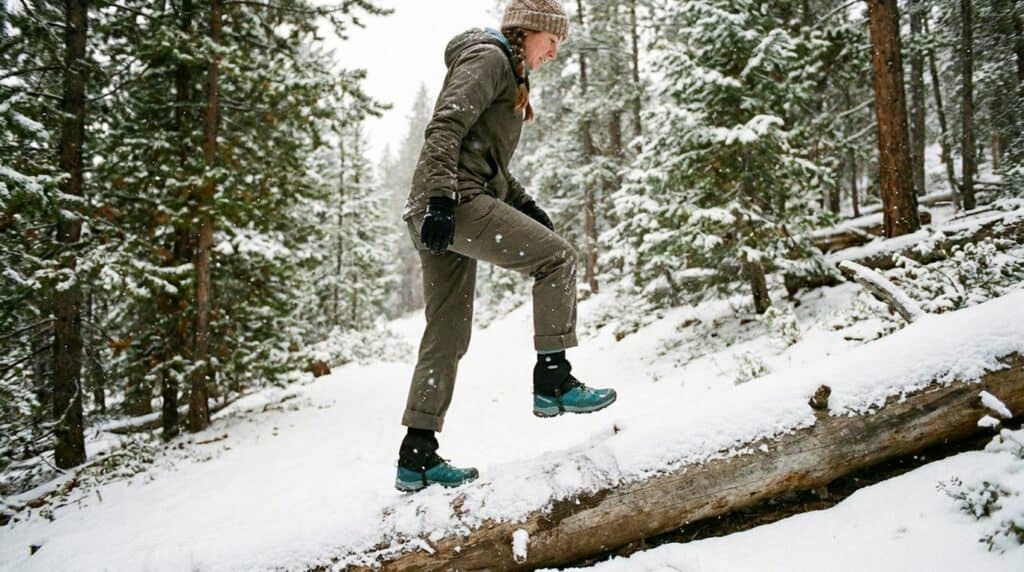
The 6 Best Winter Hiking Shoes for Women
Women's hiking shoes aren't just smaller men's shoes. Most are built on a women's last (the foot-shaped form a shoe is made around), with a narrower heel and a slightly different arch. If your heel lifts in men's or unisex shoes, a women's model usually fixes it. For taller ankle support, see our best hiking boots for women.
1. Merrell Moab 3 Waterproof (Women's): Best Overall

Pigskin leather and mesh | Waterproof membrane | Vibram TC5+ outsole | Air Cushion heel | 4.4 stars, 830+ ratings | about $155 to $165
The women's Moab 3 Waterproof is our top pick for the same reasons as the men's: easy comfort, dry feet and a fit that works for a lot of foot shapes. The women's listing also confirms a Vibram TC5+ rubber outsole, which grips well on wet ground.

The upper is pigskin leather and recycled mesh, with a protective toe cap and a bellows tongue to keep snow out. Merrell's Air Cushion in the heel absorbs shock, a molded nylon arch shank adds support, and the Kinetic Fit ADVANCED insole has a reinforced heel cushion. Laces and webbing are 100% recycled.
If you like the Moab but don't need waterproofing for spring and summer, our Merrell Women's Moab 3 Hiking Shoe review covers the breathable version.
Buy it if you want one comfortable, waterproof shoe for winter day hikes, travel and muddy walks.
Skip it if you need a precise shoe for steep, technical trails, or you have very narrow heels. It's not insulated, so bring warm socks and microspikes for ice.
Check the Merrell Women's Moab 3 Waterproof price on Amazon
2. Salomon X Ultra 360 GORE-TEX (Women's): Best for Slick, Technical Trails
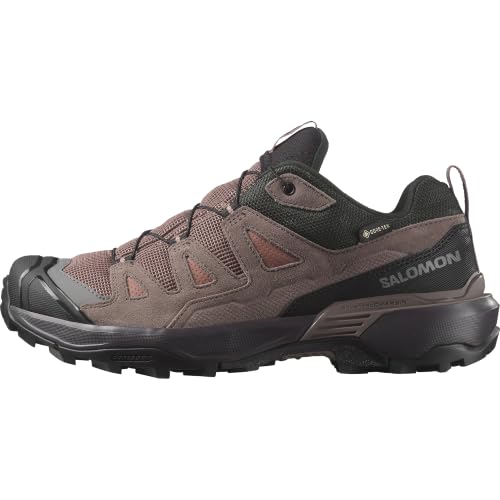
GORE-TEX membrane | All Terrain Contagrip outsole | Advanced Chassis | Mud guard and toe cap | 4.3 stars, 360+ ratings | about $145 to $155
The women's X Ultra 360 is the shoe to pick if your winter hikes involve rock, roots and slick wet snow. It's lighter and more precise than the Moab, with a snug, locked-in fit that many hikers like on uneven ground.
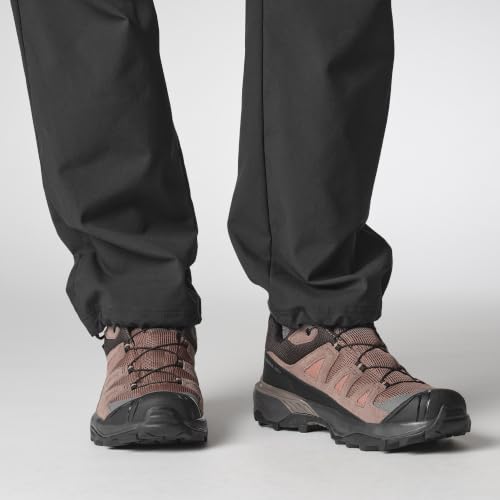
Salomon's Advanced Chassis adds side-to-side stability without making the shoe stiff. The All Terrain Contagrip outsole is designed to hold on wet and slippery surfaces, and a molded toe cap, full-foot mud guard and leather overlays protect the upper. The GORE-TEX membrane keeps it waterproof.
Buy it if you hike fast or on rocky winter trails and want a stable, precise shoe.
Skip it if you have wide feet or want room for a thick sock. This listing is the X Ultra 360 Leather GORE-TEX. Salomon sells several X Ultra 360 versions, so if you switch colors, check that the name still says GORE-TEX.
Check the Salomon Women's X Ultra 360 GORE-TEX price on Amazon
3. KEEN Targhee 4 Low Waterproof (Women's): Best for Wide Feet

KEEN.DRY membrane | KEEN.ALL-TERRAIN outsole | Roomy toe box | 4.3 stars, 300+ ratings | about $135 to $170
The women's Targhee 4 Low brings the same roomy KEEN fit to a women's last. It's the easiest pick on this list for wide feet, bunions or anyone who wants to wear a thick wool sock without the shoe feeling tight.

It uses the KEEN.DRY waterproof membrane, a KEEN.ALL-TERRAIN outsole for mud and rock, direct-attach construction, a bruise plate and a rubber toe guard. The Luftcell footbed is removable, so you can swap in your own insole.
Our writer Sarah Jenkins owns the mid-height sibling of this shoe. You can see her pair in our KEEN Targhee III Mid Waterproof review if you want more ankle coverage.
Buy it if standard hiking shoes feel tight across your toes, or you want space for a winter sock.
Skip it if you have narrow feet. Price also varies quite a bit between colors.
Check the KEEN Women's Targhee 4 Low Waterproof price on Amazon
4. Oboz Sawtooth X Low B-DRY (Women's): Most Supportive
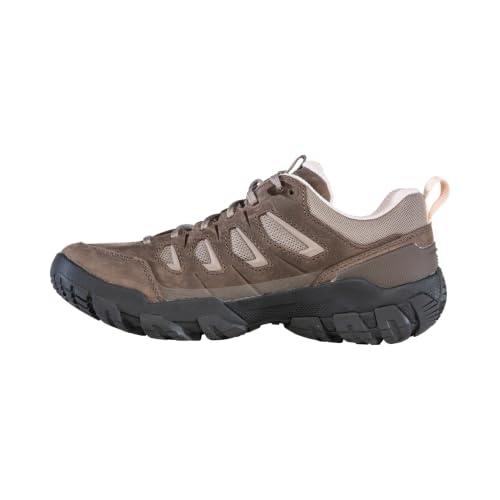
B-DRY membrane | O Fit triple-density insole | Trail Tread HD outsole | 3.9 stars, 240+ ratings | about 0 to 5
The women's Sawtooth X Low is the most structured shoe in the women's list. It has a firm build and a much better insole than most hiking shoes, with a deep heel cup and a medium-to-high arch. That makes it a good match for hard, rocky, frozen ground, and for hikers who want more arch support than the Moab gives.
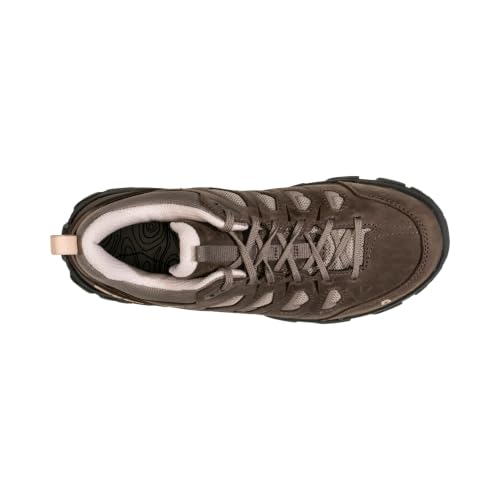
The B-DRY membrane keeps out puddles and wet snow while letting sweat vapor escape. The O Fit insole uses triple-density EVA with a molded shell, and the Trail Tread HD outsole uses a heavy-duty rubber with a multidirectional tread for wet and dry ground.
Be aware of the rating. At 3.9 stars, it's the lowest-rated shoe in this guide, while the men's version sits at 4.4. A firm, supportive shoe isn't for everyone, and it may need a few walks to break in. Order from a seller with free returns so you can try it at home.
Buy it if you want strong arch support and a stable, structured shoe for rocky winter trails.
Skip it if you want soft comfort straight out of the box. The Merrell Moab 3 or KEEN Targhee 4 above will feel easier on day one.
Check the Oboz Women's Sawtooth X Low B-DRY price on Amazon
5. Columbia Crestwood Waterproof (Women's): Best Value
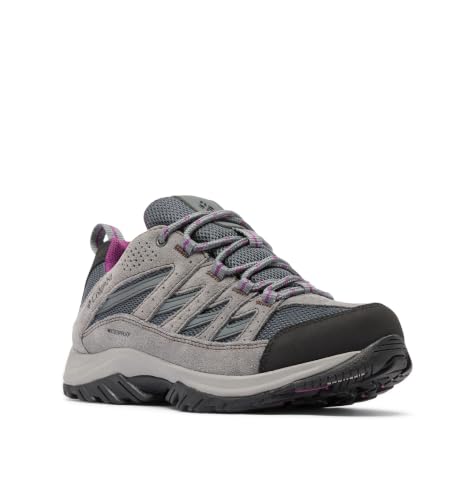
Leather, mesh and webbing | Omni-Tech membrane | Omni-Grip outsole | Techlite cushioning | 4.3 stars, 1,200+ ratings | about $70 to $80
The Crestwood is a light, simple waterproof hiking shoe and one of Columbia's longest-running budget hikers. It's a good fit for easy trails, park loops and slushy town-to-trail days.

It uses Omni-Tech waterproofing, Techlite cushioning and an Omni-Grip outsole, with a leather, mesh and webbing upper. It's the same build as the men's Crestwood above, on a women's fit, and with more than 1,200 ratings it's the cheapest well-reviewed waterproof hiking shoe in the women's list.
Sarah has worn the mid-height version. Our Columbia Crestwood Mid Waterproof review notes that it runs small, so many buyers go up half a size. That's worth doing anyway if you'll wear thick winter socks.
Buy it if you want a light, affordable waterproof shoe for casual winter hikes.
Skip it if you want long-term durability or serious ice grip. A few owners of the Crestwood line report leaks and wear over time.
Check the Columbia Women's Crestwood Waterproof price on Amazon
6. Merrell Coldpack 3 Thermo Moc Waterproof (Women's): Warmest Low-Cut Pick
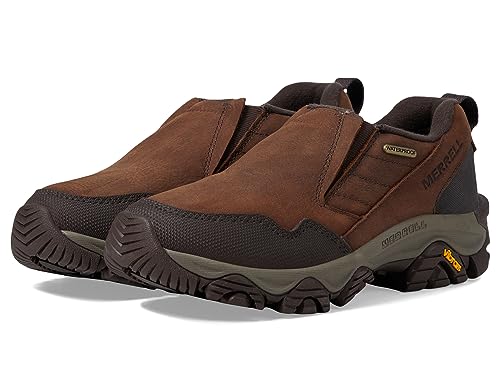
Full grain leather | Waterproof membrane | 285g synthetic insulation | SOLARCORE Aerogel insole | Vibram Arctic Grip | 4.5 stars, 430+ ratings | about $150 to $160
This is the only shoe in the guide that's insulated, and the only one with a Vibram Arctic Grip outsole. Arctic Grip is a rubber made to grip wet ice, which most hiking shoe soles don't do well. If you want a warm, low-cut shoe for icy winter walks, this is it.
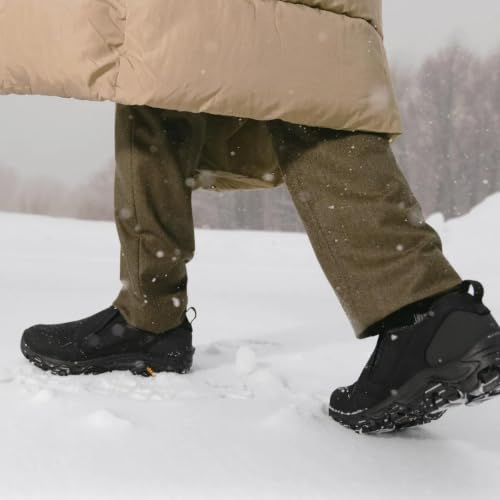
Merrell lists 285 grams of low-bulk synthetic insulation, plus a thin SOLARCORE Aerogel insole that blocks cold from the ground. The upper is waterproof full grain leather with a waterproof membrane and a fleece lining.
Be clear about what it is, though. The Coldpack 3 Thermo Moc is a slip-on winter moc, not a lace-up trail shoe. It's great for icy paths, dog walks, town and gentle trails. It won't hold your foot as securely on steep, rocky ground.
Buy it if your feet run cold, you walk on icy paths a lot, or you want one warm, easy-on shoe for winter errands and short hikes.
Skip it if you want a true hiking shoe for long or steep trails. Pick one of the lace-up shoes above and add a warm sock.
Check the Merrell Women's Coldpack 3 Thermo Moc price on Amazon
How to Choose Winter Hiking Shoes
Waterproof vs. Insulated
Almost every "winter hiking shoe" you'll find is waterproof but not insulated. Of the 12 shoes in this guide, only one has insulation. That's normal. Low-cut shoes are built for moving, and insulation in a low shoe adds bulk without much payoff, because so much heat escapes through the open collar.
So where does the warmth come from? Mostly from your sock and your fit. A dry, mid-weight or heavy wool sock in a shoe with enough room to wiggle your toes will keep most hikers warm while moving at or a little below freezing. If you want to understand insulation weights for when you do need a boot, see our guide to the best insulation for winter boots.
Waterproof Membranes
A waterproof membrane is a thin layer inside the shoe with pores small enough to block water drops but big enough to let sweat vapor out. GORE-TEX is the best-known brand. Most shoe makers also have their own: Merrell uses its own membrane, KEEN uses KEEN.DRY, Oboz uses B-DRY and Columbia uses Omni-Tech.
In winter, the membrane's job is keeping slush and melting snow out. GORE-TEX tends to cost more and has the longest track record, but a good brand membrane works fine for most day hikers. What matters more is that the shoe has a gusseted or bellows tongue, so snow can't sneak in through the laces.
Outsole Rubber and Cold
Rubber gets harder as it gets colder. A harder sole grips less, especially on wet ice. Some reviewers put shoes in a freezer and measure how much the sole stiffens, and the difference between models can be large.
What this means for you: a standard hiking outsole like Vibram TC5+, Contagrip, KEEN.ALL-TERRAIN or Omni-Grip grips well on packed snow, rock and mud. It will still slip on clear ice. Only cold-weather compounds like Vibram Arctic Grip are made for wet ice, and even those aren't a replacement for microspikes on a steep icy trail. For more on ice-specific soles, see our best boots for ice.
Lug Depth
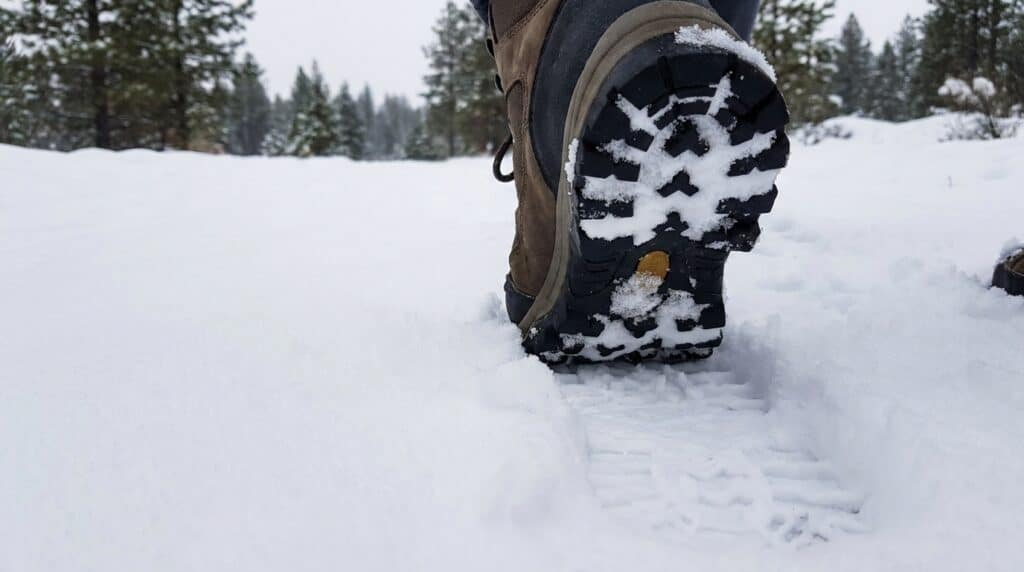
Lugs are the rubber knobs on the bottom of the shoe. Deeper, wider-spaced lugs bite into snow and shed it instead of packing up flat. Shallow, tightly packed lugs fill with snow and turn into a smooth, slippery sole. When you compare shoes, look at the outsole photo: open spaces between the lugs are a good sign for winter.
Fit: Size for Your Winter Sock
Try your winter shoes on with the sock you'll actually hike in. A thick wool sock can take up a half size of room. If your shoe is tight, it squeezes blood flow and your toes get colder, not warmer. Many hikers buy winter shoes a half size larger than their summer shoes. If you have wide feet, start with the KEEN Targhee 4 Low or the Moab in a wide size. Our best winter boots for wide feet lists more options in real wide sizes.
Breathability and Sweaty Feet
Waterproof shoes breathe less than mesh shoes. On a hard uphill, your feet can sweat, and damp socks get cold the moment you stop. Two easy fixes: wear wool instead of cotton, and pack a spare pair of dry socks for the trip home. Change into them at the car, not when you're already cold.
How to Make a Low Shoe Work in Winter
A waterproof hiking shoe can handle a lot more winter than most people think, if you add a few cheap pieces of gear.
Add Microspikes for Ice
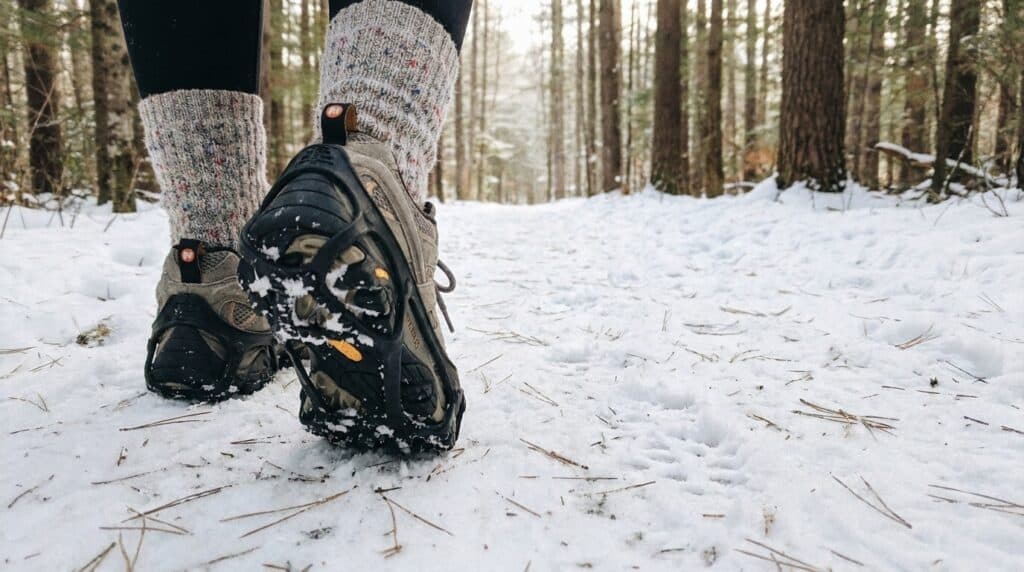
Microspikes are stretchy rubber harnesses with small steel spikes and chains underneath. They pull over your shoe and give you grip on icy trails that no rubber sole can match. They fit low-cut hiking shoes well. When you try them on, make sure the rubber band doesn't press hard on your toes, and that the toe bail sits snugly over the front of the shoe. For icy sidewalks and gentle paths, a lighter pull-on cleat is enough. Our best winter overshoes and boot covers guide covers cleats and slip-on traction too.
Add a Low Gaiter for Fresh Snow
The weak spot of any low shoe is the open collar around your ankle. Snow falls in, melts and soaks your sock. A short waterproof gaiter fixes that. It wraps your ankle and lower leg and hooks onto your laces. With gaiters, a low shoe can handle fresh snow up to the ankle. For snow deeper than that, you need a boot, or snowshoes and a boot.
Wear the Right Socks
Skip cotton. It soaks up sweat and holds it against your skin. Merino wool or alpaca socks stay warm even when a little damp. If you want a warmer option than wool, our HOLLOW alpaca socks review explains why alpaca is warmer and less itchy.
Dry Your Shoes the Right Way
Take the insoles out after every wet hike and stuff the shoes with newspaper. Let them dry at room temperature. Don't put them on a radiator or next to a fire. High heat can weaken the glue and dry out leather, and both shorten the life of the shoe.
Refresh the Water Repellency
The membrane inside your shoe keeps water out, but the outer fabric also has a water-repellent finish (DWR) that makes water bead and roll off. That finish wears off with use. When the outside of your shoe starts soaking up water and looking dark, clean it and spray on a DWR treatment made for footwear. It keeps the shoe lighter and helps the membrane breathe.
When to Step Up to a Winter Boot
Switch from shoes to boots if any of these are true:
- The snow is regularly deeper than your ankle.
- You stop for long breaks, walk slowly with kids or dogs, or stand around in the cold.
- Your hikes are well below freezing.
- Your feet run cold even when you're moving.
Our best winter hiking boots guide covers insulated, waterproof boots made for snowy trails. Our author Ethan Walker wore the Columbia Bugaboot III every day for a full winter, including hikes, and found it warm, dry and grippy on packed snow and ice for the price. It runs small, so he recommends going a size up.
On a tight budget, the NORTIV 8 Men's Waterproof Winter Snow Boots are an insulated option at about $60, with 200g of insulation and a 4.5-star rating from more than 14,000 ratings. NORTIV says they're good to -25°F. Treat that as a brand claim, since 200g is light insulation for that kind of cold if you're standing still.
For the deepest snow and the coldest days, look at our best pac boots, or browse our men's winter boots and women's winter boots guides.
Winter Hiking Shoes FAQ
Can you hike in snow with hiking shoes?
Yes, on packed trails and in snow up to your ankle. Choose a waterproof shoe, wear wool socks and add a low gaiter so snow doesn't fall in at the ankle. In deeper snow, snow will get in over the top, so a taller winter boot is the better choice.
Are waterproof hiking shoes warm enough for winter?
For most hikers, yes, as long as you keep moving. Waterproof shoes block wind and wet snow, which are the main things that make feet cold. Pair them with a thick wool sock and a half size of extra room. If you stop for long breaks or hike well below freezing, you'll want an insulated boot.
Do microspikes work with hiking shoes?
Yes. Microspikes fit low-cut hiking shoes as well as boots. Get the size that matches your shoe size, and check that the rubber harness doesn't squeeze your toes. A pinching harness can make your feet cold.
Is GORE-TEX better than other waterproof membranes?
GORE-TEX has the longest track record and a strong reputation for staying waterproof. Brand membranes like KEEN.DRY, B-DRY and Omni-Tech work the same way and are usually cheaper. For winter day hikes, the fit and the tongue design matter as much as the membrane brand.
Should I size up for winter hiking shoes?
Often, yes. A thick winter sock takes up room, and a tight shoe cuts off circulation and makes your toes colder. Try shoes on with your winter socks. Many people go up a half size from their summer hiking shoes.
Are insulated hiking shoes worth it?
Only for specific uses. Insulated low-cut shoes are rare, because heat escapes through the open ankle. They make the most sense for slow winter walks, icy errands and dog walks. For real winter hiking in cold weather, an insulated boot gives you more warmth and keeps snow out.
Can I wear trail running shoes for winter hiking?
You can on dry or packed trails, especially if you pick a waterproof version and add microspikes. But most trail runners have thinner uppers and less protection than hiking shoes, so your feet get wet and cold faster in slush. A waterproof hiking shoe is the safer all-round pick.
How do I keep snow out of low hiking shoes?
Wear a short waterproof gaiter, lace the shoe snugly at the top, and look for a gusseted or bellows tongue. Tuck your pants over the gaiter or shoe collar. In snow deeper than your ankle, switch to a boot.
Bottom Line
- For most hikers: the Merrell Moab 3 Waterproof for men or for women. Comfortable, waterproof and easy to wear all winter.
- For steep, rocky or slick trails: the Salomon X Ultra 360 GORE-TEX for men or for women.
- For wide feet or thick socks: the KEEN Targhee 4 Low for men or for women.
- For more support on hard ground: the Oboz Sawtooth X Low B-DRY for men or for women.
- For the best value: the Columbia Crestwood Waterproof for men or for women.
- On a tight budget: the NORTIV 8 Low Top Waterproof, about .
- For warmth and icy walks: the Merrell Women's Coldpack 3 Thermo Moc, the only insulated shoe here.
Whichever shoe you pick, pack microspikes for ice and a low gaiter for fresh snow. Those two cheap add-ons do more for winter safety and dry feet than any outsole. And if your trails are buried in deep snow, step up to a winter hiking boot.