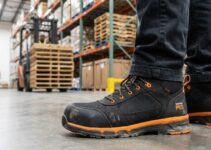
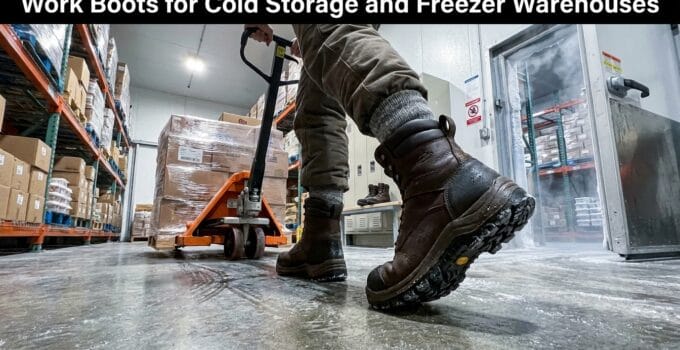

Cold storage and freezer work isn't the same problem as outdoor winter work, and most boot guides treat it like it is. Outdoors, you're cold for hours at a stretch and the air is dry. In a freezer warehouse, you're walking into -20°F air off a bare concrete or metal floor, then back out onto a humid loading dock, then into a heated break room, then back in, sometimes a dozen times a shift. That repeated swing is what actually wrecks boots and feet, not just the raw temperature number on the box.
If you're indoors most of the day with only brief cold exposure, see our guide to winter work boots for indoor/outdoor work instead. If you're outside for extended stretches in the cold, the Best Cold Weather Work Boots guide covers that. This list is specifically for people who spend real time standing or walking inside a freezer or cold storage room.
Quick Picks: Best Work Boots for Cold Storage and Freezer Warehouses
| Best For | Model | Temp Rating | Insulation |
|---|---|---|---|
| Best overall / deep freezer | RefrigiWear Extreme Freezer Boot | -60°F | 1200-1400g |
| Best all-rubber for wet/washdown floors | Dunlop Purofort Thermo+ Full Safety | -58°F | Purofort foam |
| Best for moderate cold storage / dock work | RefrigiWear PolarForce Insulated Hiker | -30°F | Insulated, unspecified grams |
| Best leather pull-on Wellington | Carhartt Heritage 11" Insulated Wellington | Not freezer-rated | 400g |
| Best budget | Georgia Boot Steel Toe 400G GORE-TEX Logger | Not freezer-rated | 400g |
| Best for women | RefrigiWear Women's PolarForce Hiker | -30°F to 20°F | Insulated, unspecified grams |
| Best lace-up, athletic-style for extreme cold | RefrigiWear Extreme Hiker | Below 0°F | Thinsulate |
1. Best Overall / Deep Freezer: RefrigiWear Extreme Freezer Boot
This is the boot built for the actual worst case, a -20°F to -60°F blast freezer where you're in and out repeatedly. The 1200-1400g insulation is well past what a general winter work boot carries, and the rubber pull-on lower means you can get it on and off fast between freezer entries without fighting laces every time.

The CSA-rated composite toe matters here specifically because metal toe caps conduct cold straight into your foot in sustained sub-zero air, a problem outdoor cold boots with steel toes don't run into the same way since outdoor exposure is rarely this constant. It's also puncture-resistant, worth having on a warehouse floor with pallet debris and box strapping.
Specs
Insulation: 1200-1400g | Toe: CSA composite, puncture-resistant
Comfort rating: -60°F | Best for: Deep freezer, blast freezer, constant sub-zero exposure
Not the right fit if: you're in a cooler running 20-35°F, not a true freezer. This much insulation in a moderate cold storage room will overheat your feet. See the PolarForce Hiker below for that range instead.
2. Best All-Rubber for Wet/Washdown Floors: Dunlop Purofort Thermo+ Full Safety
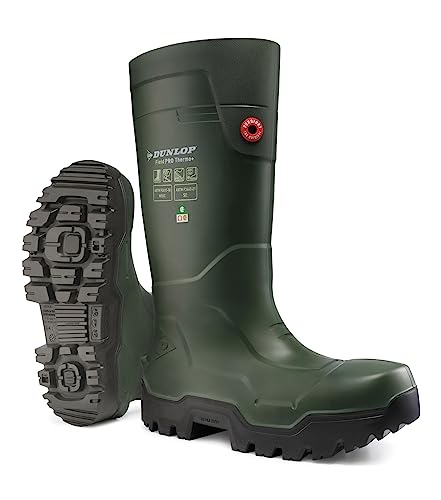
Food processing and meat packing freezers get hosed down regularly, and a leather or fabric upper in that environment is fighting a losing battle against standing water and daily sanitizing. The Purofort Thermo+ is one-piece molded PU, fully waterproof by construction rather than by a treatment that wears off, and rated to -58°F.

The steel toe and EH rating cover the safety-compliance side, and the smooth rubber exterior is easy to rinse clean at end of shift, which matters more in a washdown facility than in a dry dock-and-pallet warehouse.
Specs
Construction: One-piece molded Purofort PU | Toe: Steel, EH rated
Comfort rating: -58°F | Best for: Washdown facilities, wet freezer floors, food processing
Not the right fit if: your floor is dry pallet racking and concrete, not a hosed-down processing line. A leather boot like the Carhartt Wellington below will breathe better for a dry, non-washdown freezer.
3. Best for Moderate Cold Storage / Dock Work: RefrigiWear PolarForce Insulated Hiker
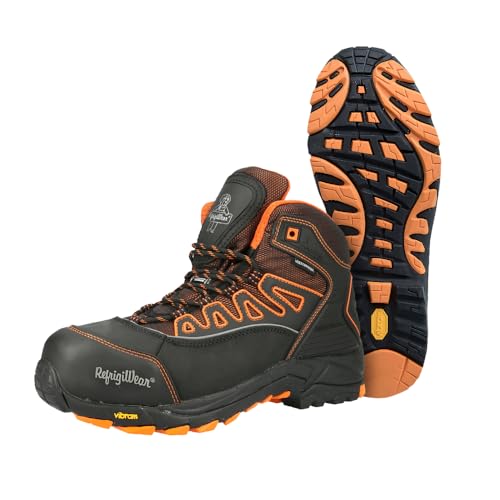
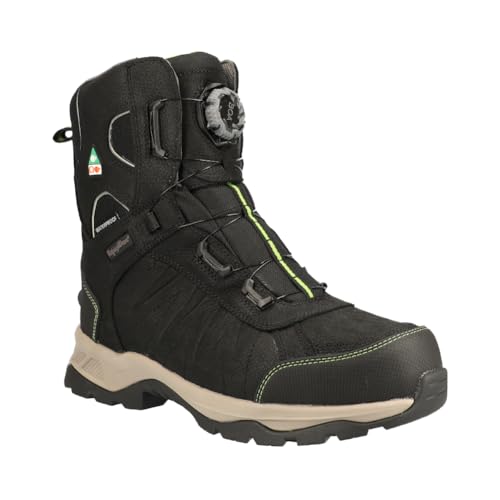
Not every cold storage job means a -40°F blast freezer. A lot of dock and cooler work sits in the 0°F to 35°F range, moving product between a chilled truck and a cooler, or working a produce cooler that never gets close to a true freezer temperature. The PolarForce is rated to -30°F comfort, which covers that range with room to spare, in a lace-up hiker build instead of a bulky pull-on Wellington.

The lace-up design gives you a more secure, ankle-supported fit than a pull-on boot, which is worth it if you're doing more walking than standing, moving between dock, cooler, and warehouse floor rather than parked at one freezer door all shift.
Specs
Style: Lace-up hiker, waterproof leather | Comfort rating: -30°F
Best for: Coolers, dock work, moderate cold storage, more walking than standing still
Not the right fit if: you're stationed at a deep freezer door all shift. This is built for moderate cold with movement, not sustained -40°F exposure, the Extreme Freezer Boot above is rated for that.
4. Best Leather Pull-On Wellington: Carhartt Heritage 11" Insulated Wellington

The Wellington pull-on style is the fastest boot to get on and off between freezer entries, no laces to deal with when you're re-suiting up every twenty minutes. Carhartt's Helcor waterproof leather holds up to daily wear better than most budget Wellingtons, and the 400g insulation is enough for a cooler or a moderately cold storage room, not a deep freezer.

The steel toe and TPU heel guard add durability for warehouse floor work generally, forklift traffic, pallet edges, and the kind of daily abuse a boot takes in a busy facility regardless of temperature.
Specs
Insulation: 400g | Toe: Steel | Upper: Waterproof Helcor leather, TPU heel guard
Best for: Coolers, moderate cold storage, fast on/off between freezer entries
Not the right fit if: you work a true sub-zero freezer for extended stretches. 400g is a cooler-grade insulation number, not a deep-freezer one, don't rely on it below roughly 20°F for sustained exposure.
5. Best Budget: Georgia Boot Steel Toe 400G GORE-TEX Logger
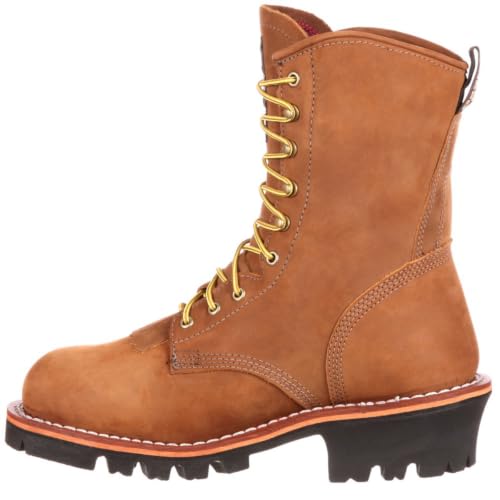
If your job is mostly dock and dry storage work with occasional cooler trips rather than sustained freezer time, you don't need a $200+ specialty freezer boot. The Georgia Boot logger carries 400g insulation and a genuine GORE-TEX waterproof membrane, a real technical feature at this price point, in a lace-up logger style that's easy to find in wide widths.

It's a general-purpose insulated work boot that happens to handle occasional cold storage exposure well, rather than a purpose-built freezer boot, and the price reflects that.
Specs
Insulation: 400g | Toe: Steel | Waterproofing: GORE-TEX membrane
Best for: Occasional cooler trips, budget dock and warehouse work
Not the right fit if: cold storage is most of your shift, not an occasional trip. Step up to the PolarForce Hiker or the Extreme Freezer Boot for daily sustained cold.
6. Best for Women: RefrigiWear Women's PolarForce Hiker

Most freezer-rated boots on the market are built on men's lasts sized down, which doesn't actually fit a narrower heel or lower volume foot correctly. RefrigiWear built this on a women's-specific last, in the same -30°F to 20°F comfort range as the men's PolarForce Hiker, with the same waterproof insulated leather construction.

Availability on Amazon fluctuates by size, check current stock for your size before ordering, and consider RefrigiWear's own site as a backup source if your size shows unavailable.
Specs
Fit: Women's-specific last | Comfort rating: -30°F to 20°F
Upper: Insulated waterproof leather | Best for: Moderate to cold storage, women's fit
Not the right fit if: you need a deep-freezer-rated boot below -30°F. This covers moderate cold storage and coolers well, not the most extreme freezer temperatures.
7. Best Lace-Up, Athletic-Style for Extreme Cold: RefrigiWear Extreme Hiker
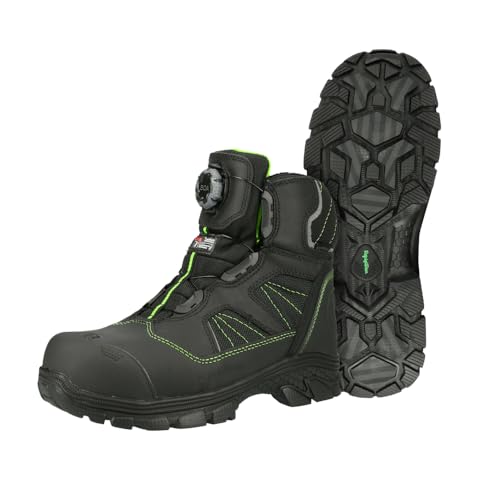
Most extreme-cold boots are heavy Wellington-style rubber pull-ons. The Extreme Hiker is built on a hiker silhouette instead, closer to a work boot than a rubber boot, for workers who want ankle support and a more athletic fit while still getting real cold-rated insulation with Thinsulate and a waterproof build.

RefrigiWear lists several near-identical ASINs for this model across different fit systems, some versions add a BOA dial closure instead of standard laces. Confirm which version you're ordering, since the BOA variant runs a different price than the standard lace-up.
Specs
Style: Lace-up hiker, some variants BOA closure | Insulation: Thinsulate
Comfort rating: Below 0°F | Best for: Extreme cold with a lighter, more athletic fit than a Wellington
Not the right fit if: you need the fastest possible on/off between constant freezer entries. A pull-on Wellington beats any lace-up boot for that specific use case.
The Temperature Transition Problem: Condensation, Boot-Freeze, and Concrete Cold Transfer
This is the part most cold storage boot guides skip, because most of them are written from a general outdoor-cold-weather template, not from how freezer work actually happens. Outdoor cold is continuous, you're cold, then you go home. Freezer work is a repeated cycle: sub-zero freezer air, then a humid 50-70°F loading dock, then a heated break room, then back into the freezer, sometimes a dozen or more times a shift.
Each transition creates a real problem. Moving from cold, dry freezer air into warm, humid dock air causes moisture in the surrounding air to condense on and inside a boot that's still cold to the touch. Walk back into the freezer before that moisture has had a chance to dry, and it can freeze solid inside the boot, on the liner, in the seams, around the laces. That's not a hypothetical, it's why boots that test fine for a single sustained cold exposure can still fail during a normal shift's worth of repeated transitions. A boot with a liner that dries fast between entries, or that you can rotate with a spare pair, handles this far better than one you're stuck wearing wet all shift. Our guide to boot dryers for work boots covers the fastest way to get a pair fully dry between shifts, and rotating two pairs is worth considering if condensation is a daily issue for you.
The second problem is cold transfer through the floor, not the air. Standing on packed snow outdoors is a poor conductor, it insulates somewhat on its own. Standing on bare concrete or metal grating in a freezer is a much more aggressive conductor, heat pulls straight out of your foot into the floor with almost nothing slowing it down. That's why a boot rated fine for -20°F outdoor air can still leave your feet numb after a few hours standing on a -20°F freezer floor. Insulated, cushioned midsoles matter more here than the insulation gram number alone, and it's part of why boots built specifically for freezer work, rather than general winter boots repurposed for it, tend to hold up better over a full shift.
Buying Guide: What Actually Matters for Cold Storage and Freezer Work
Insulation Grams vs. EN ISO 20345:2022 CI Certification
The gram number printed on most boot boxes, 200g, 400g, 1200g, is a rough, informal measure of how much insulating material is packed in, not a tested performance standard. EN ISO 20345:2022's CI (cold insulation) certification is the actual lab-tested standard, it measures how much a boot's sole and construction actually slow heat loss under controlled cold conditions, closer to what matters for standing on a freezer floor for hours. Most US retail listings don't advertise CI certification even when a boot meets it, so treat the gram number as a starting filter, not the final word, and favor boots from brands that specifically design for freezer and cold storage use, like RefrigiWear and Dunlop's Purofort line, over general winter work boots with a high gram count but no cold-storage-specific engineering.
Wellington Pull-On vs. Lace-Up
A pull-on Wellington, like the Carhartt Heritage or RefrigiWear Extreme Freezer Boot, goes on and off faster, which matters if you're suiting up and down for freezer entries repeatedly through a shift. A lace-up hiker style, like the PolarForce or Extreme Hiker, gives better ankle support and a more secure fit for walking and moving product rather than standing at one station. Match the style to whether your day is mostly standing at a freezer door or moving around the facility.
Toe Type in Extreme Cold
Steel toes conduct cold into the foot faster than composite or CSA-rated non-metallic toes, the same mechanism our Best Cold Weather Work Boots guide covers for outdoor extreme cold. It matters even more indoors in sustained freezer temperatures, since there's no warming break between exposures the way outdoor work sometimes has. If your facility allows composite toe for compliance, it's the better call for a true deep-freezer role.
Rubber vs. Leather Uppers for Washdown and Wet Freezer Floors
Food processing and meat packing freezers that get hosed down or run wet from condensation favor a one-piece rubber build like the Dunlop Purofort, waterproof by construction with nothing to soak through. Dry storage, pallet racking, and general warehouse freezer work favor leather, like the Carhartt Wellington or RefrigiWear hikers, which breathes better over a long shift and is generally more comfortable when the floor isn't actively wet.
Frequently Asked Questions
What insulation rating do I need for a freezer warehouse?
For a true deep freezer running -20°F or colder, look for boots rated to at least -40°F comfort, like the RefrigiWear Extreme Freezer Boot or Dunlop Purofort Thermo+. For a moderate cooler or cold storage room in the 0°F to 35°F range, a -30°F-rated boot like the PolarForce Hiker or a 400g insulated boot like the Carhartt Wellington is usually enough.
Do I need steel toe or composite toe for cold storage?
Either meets most safety requirements, check your facility's specific policy first. Composite or CSA-rated non-metallic toes conduct less cold into the foot during sustained freezer exposure, which makes them the better choice for a deep-freezer role specifically, not a safety difference, a comfort and cold-transfer one.
Why do my boots freeze solid when I leave the freezer?
Moisture in the warmer, more humid air outside the freezer condenses on and inside a boot that's still cold from the freezer, then freezes when you walk back in before it's had time to dry. Rotating two pairs, or drying boots fully between shifts, prevents this better than any single boot's construction can on its own.
What's the difference between a freezer boot and a regular insulated winter work boot?
A regular winter work boot, built for outdoor cold, is designed around continuous dry-air exposure. A dedicated freezer boot accounts for standing on a highly conductive concrete or metal floor and repeated humid-to-freezing transitions, which is why purpose-built freezer boots from brands like RefrigiWear tend to hold up better over a full shift than a general winter boot with a similar gram count.
Can I wear the same boots for cold storage and outdoor winter work?
For occasional crossover, yes. For daily use in both, no, a boot optimized for one environment compromises in the other. A rubber Wellington built for freezer floor work isn't ideal for hours of outdoor walking, and an outdoor winter boot with a lugged tread and steel toe isn't built for the conductive-floor and condensation problems freezer work creates.
How often should cold storage workers rotate boots?
If you're doing repeated freezer entries through a shift and boots aren't fully dry by the next day, rotating two pairs is worth it, one drying while the other's in use. This matters more for cold storage than most other work-boot roles specifically because of the condensation problem covered above.
Final Verdict: Match the Boot to Your Actual Temperature Zone
Quick Reference by Role
Deep freezer, -20°F or colder, constant entries: RefrigiWear Extreme Freezer Boot
Wet or washdown freezer floors: Dunlop Purofort Thermo+ Full Safety
Moderate cooler or dock work, more walking than standing: RefrigiWear PolarForce Insulated Hiker
Fast on/off between freezer entries: Carhartt Heritage 11" Insulated Wellington
Occasional cold storage, mostly dry warehouse work: Georgia Boot Steel Toe 400G GORE-TEX Logger
Women's fit, moderate to cold storage: RefrigiWear Women's PolarForce Hiker
The temperature number on the box only tells part of the story. What actually determines whether your feet stay warm and dry through a full shift is how many times you cross between the freezer and warmer air, how conductive your floor is, and whether your boots get real time to dry between wears. If you're working a true deep freezer with repeated entries all shift, start with the RefrigiWear Extreme Freezer Boot, and check current price and size availability before your next shift.