Best Rocky Work Boots: The Complete Guide by Job Type
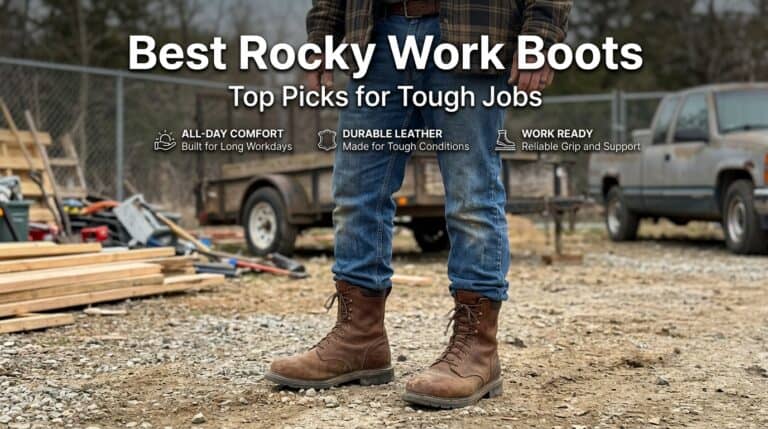
"Rocky" isn't one boot. It's closer to a dozen different boot platforms wearing the same logo, built by a company that's been...

"Rocky" isn't one boot. It's closer to a dozen different boot platforms wearing the same logo, built by a company that's been...
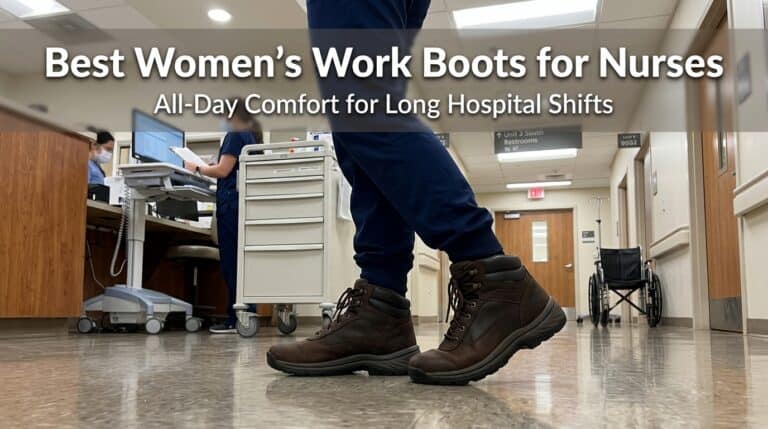
Nurses walk an average of 4–6 miles during a 12-hour shift — and most of that is on unforgiving hospital concrete or...
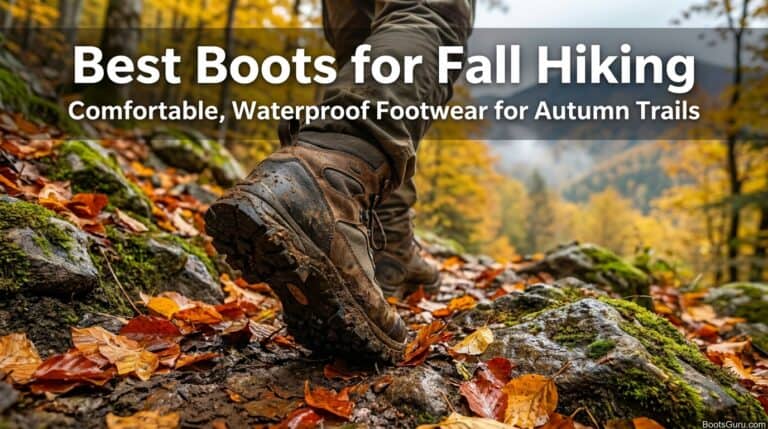
Fall is the most spectacular season to hike and the most technically deceptive. The trail that looked straightforward in summer is now...
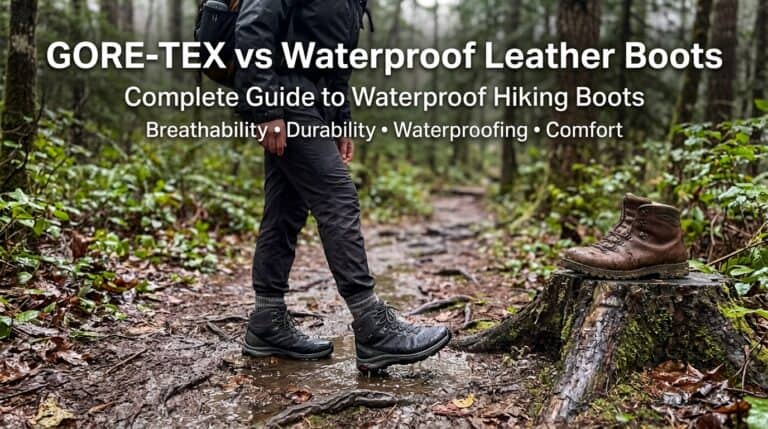
Walk into any boot aisle and you'll see two claims sitting side by side on the spec sheet: "GORE-TEX waterproof" and "waterproof...

Most "best hunting boots" roundups top out with a $300–$450 pick and treat everything under $100 as an afterthought — one bullet...
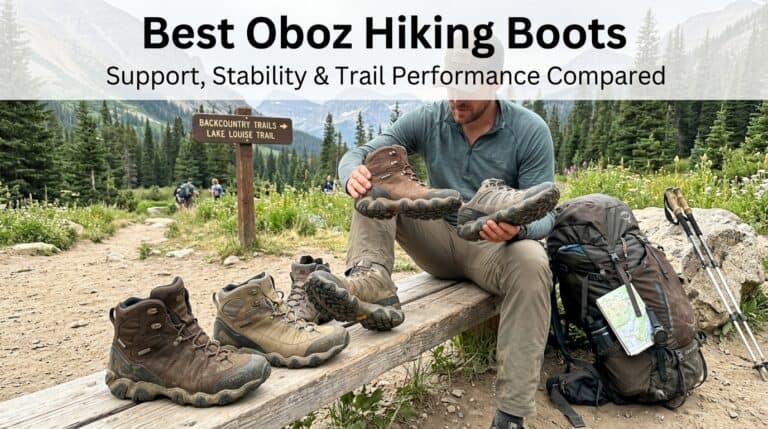
Oboz was founded in Bozeman, Montana in 2007, and in less than two decades it's gone from a small mountain-town outdoor brand...

A commercial kitchen floor is one of the most slip-hazardous surfaces a human being stands on for a full shift. Greased tile,...
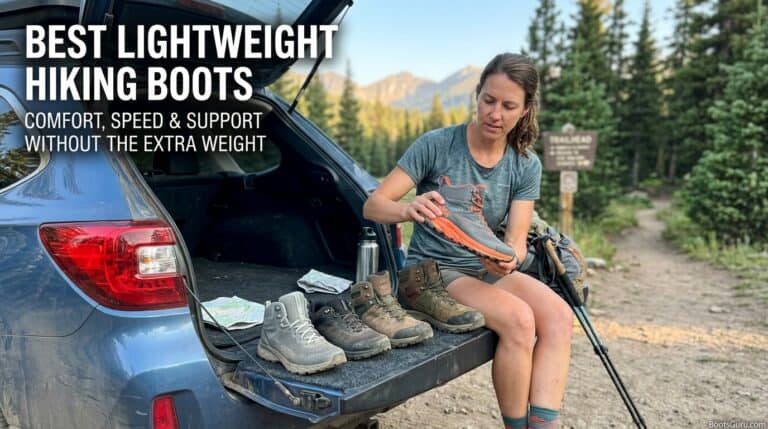
Every hiking boot review says "lightweight." Almost none tell you what that actually means in ounces, or what you give up to...
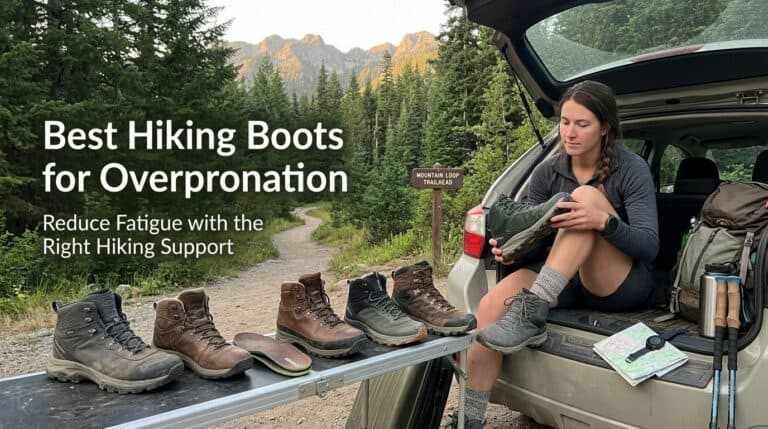
Overpronation — excessive inward rolling of the foot during each step — is common, manageable, and often barely noticeable on flat pavement....
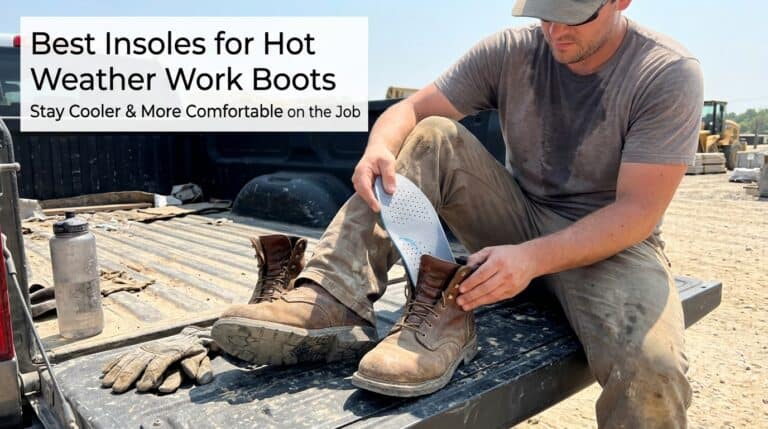
Your insoles are dead by lunch. Not your boots — your insoles. You bought decent boots, you laced them up, and by...

Frye has been making leather boots since 1863 — longer than almost any American footwear brand still in production. The boots worn...
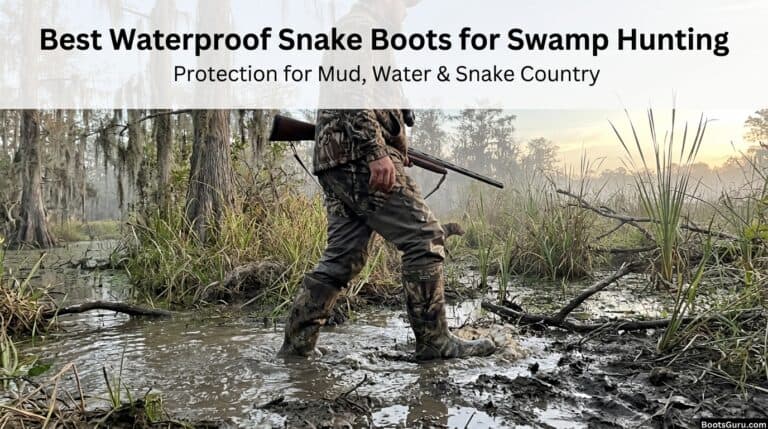
Most snake boot guides treat the problem as simple: buy a certified boot and you're safe. Swamp hunters know it's more complicated...
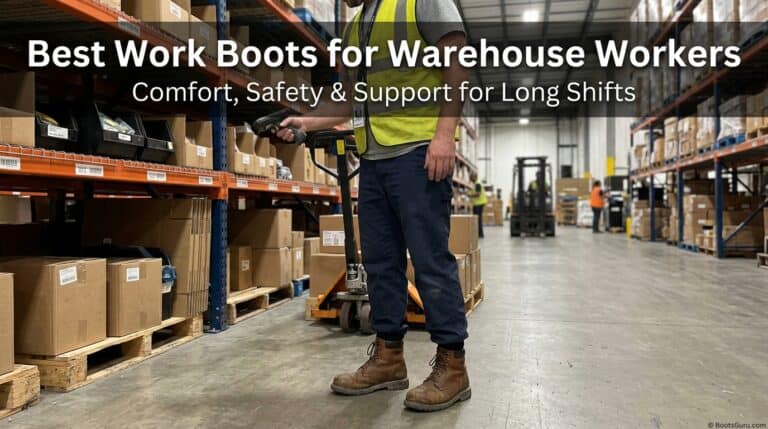
Warehouse workers walk anywhere from 10 to 15 miles per shift on concrete. Most work boot guides ignore that. They'll hand you...
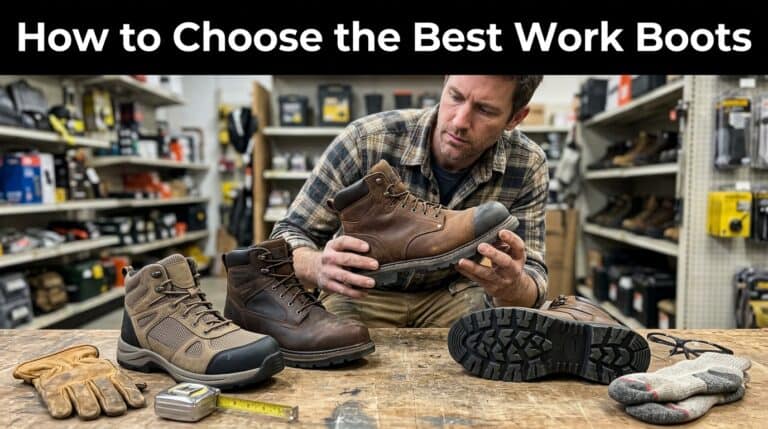
One pair of work boots doesn't fit every job. Here's how to actually decide, safety toe type, sole construction, fit, insulation, and EH rating, with links to the full detail on each factor.
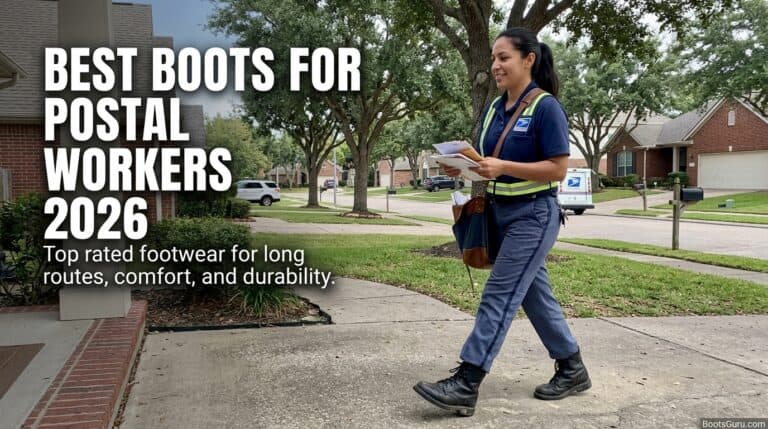
A letter carrier covers 8 to 15 miles per shift, five or six days a week, across 250 or more working days...
Honest boot reviews for work, hiking and hunting. Worn where we can, checked on Amazon.